
Cantonese
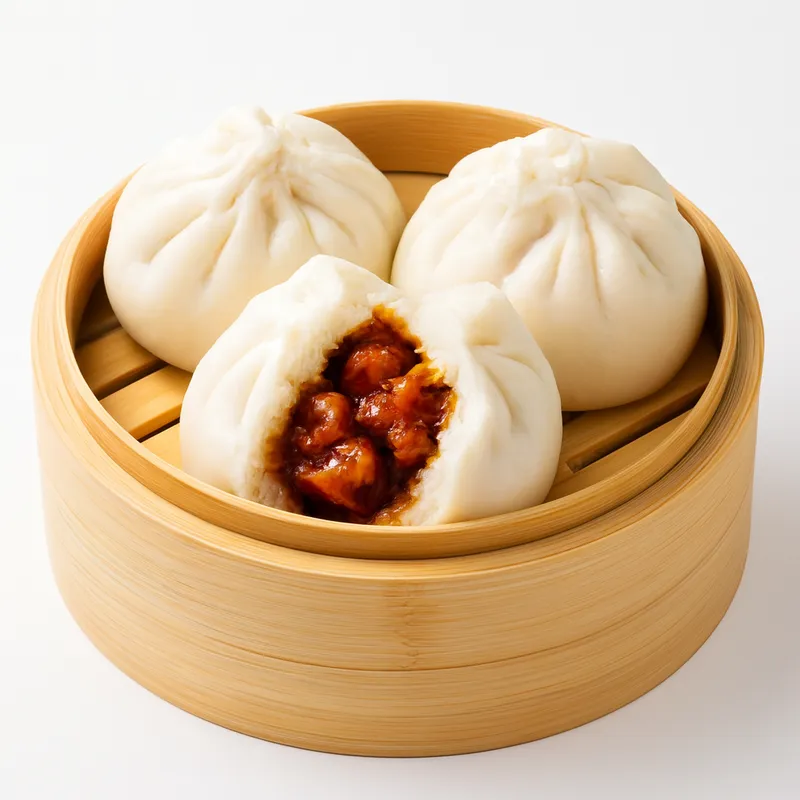
Char Siu Bao: barbecue pork, fluffy bun.
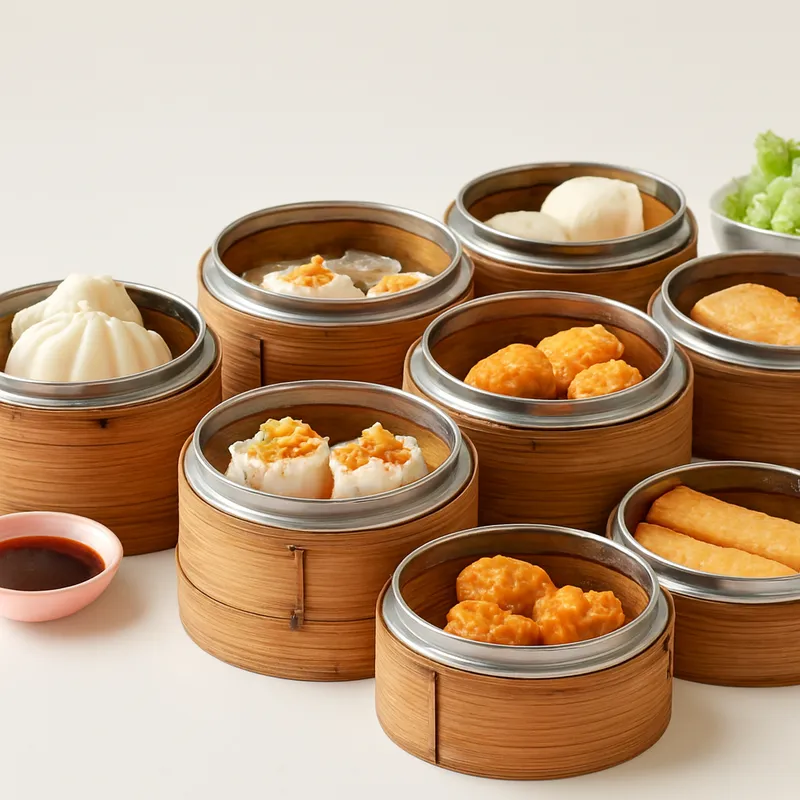
Dim Sum
Cantonese cuisine is renowned for its dim sum, a culinary tradition of small, delicate dishes served with tea.
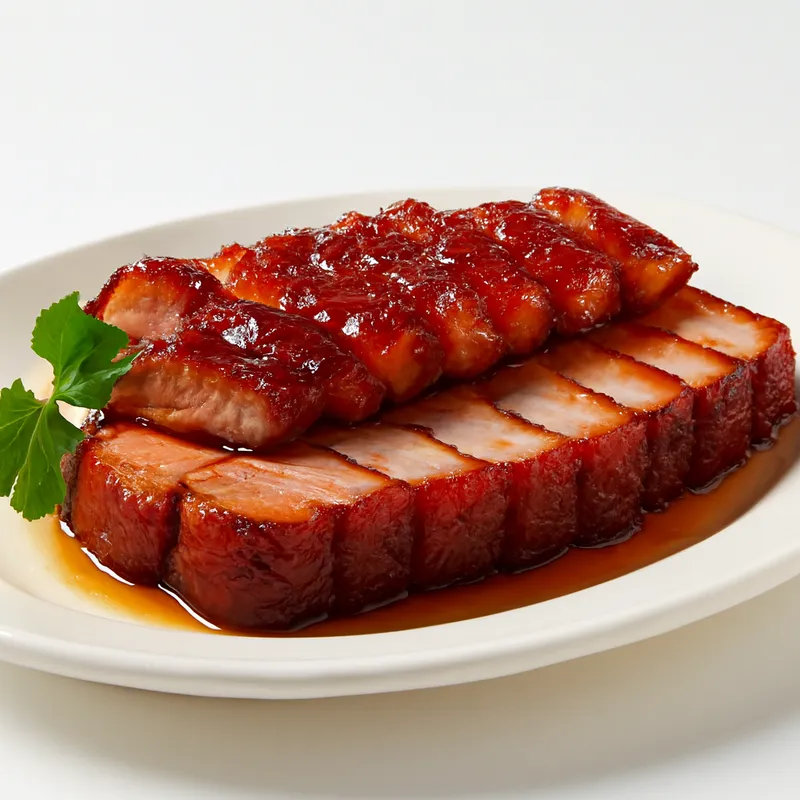
View page →Cantonese cooking, from Guangdong province and Hong Kong in southern China, prizes freshness and restraint: the goal is to taste the ingredient itself, not to bury it in spice. The benchmark dish is a whole steamed fish, cooked just until done and finished with hot oil, slivered ginger, scallion, and a little soy sauce. Char siu, strips of pork shoulder marinated in a sweet-savory glaze and roasted until the edges char, is the classic barbecue; bái qiè jī, a poached "white-cut" chicken served cold with a ginger-scallion dip, shows the same clean approach. Dim sum is the great Cantonese institution: a midday spread of small plates pushed around on carts, from shrimp dumplings (har gow) and pork-and-shrimp siu mai to barbecue-pork buns (char siu bao), eaten with endless pots of tea, a ritual called yum cha. Stir-frying over a fierce flame, prized for the smoky "wok hei" it imparts, and clear, slow-simmered soups round out the repertoire.
Start Here
These buns feature a sweet-salty filling of barbecued pork that contrasts with the soft, steamed exterior.
Why start here · This dish exemplifies the skill of balancing flavors and textures in Cantonese cuisine.
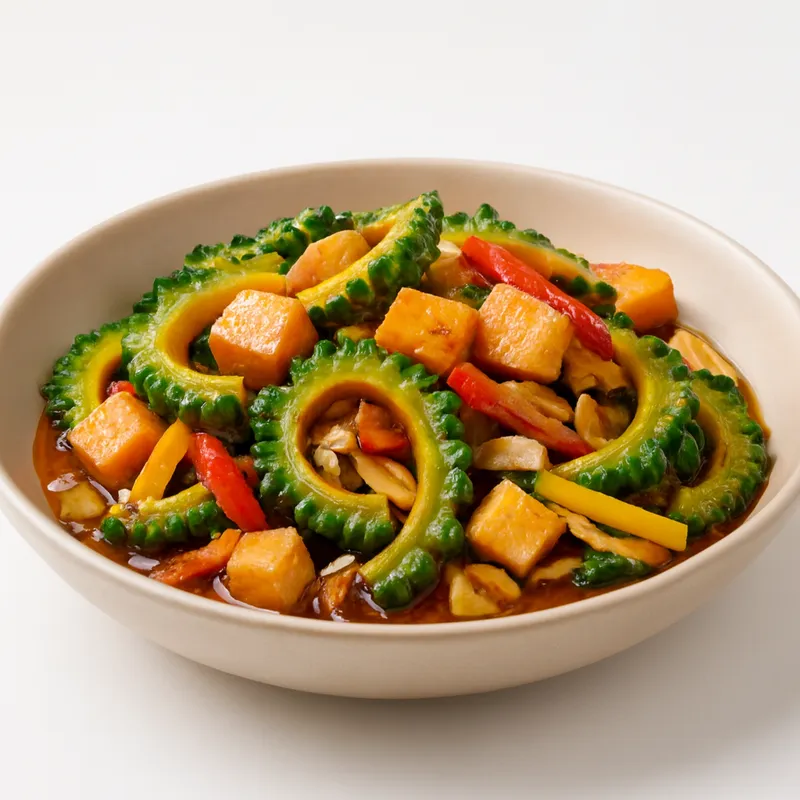
This dish balances the bitterness of melon with the savory flavors of garlic and tofu.
Why start here · It highlights the Cantonese mastery of flavor harmonization.
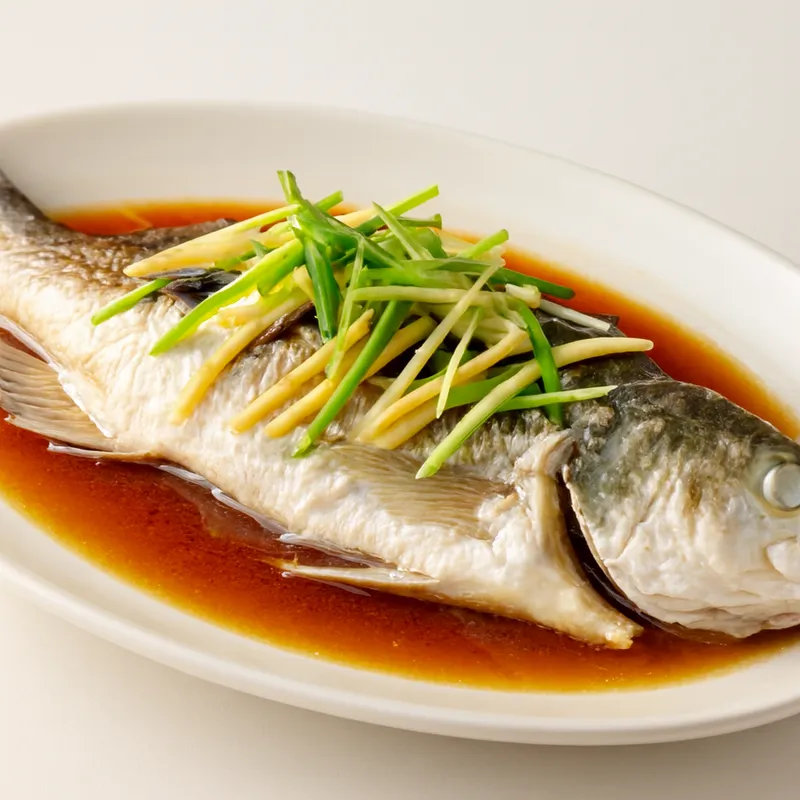
The dish showcases the natural flavor of fish, enhanced by ginger and soy sauce.
Why start here · It centers on the Cantonese focus on fresh ingredients and subtle seasoning.
Cook First
The easiest way in
The Pantry







See all 264 ingredients›
Proteins














Herbs & Spices


Grains & Staples



Dairy & Fats







Sauces & Condiments




How They Cook
Techniques that define this cuisine
Kindred Kitchens
Cuisines built on the same signature ingredients
Other regions
Siblings within Chinese — each its own tradition.
Signature Dishes (118)
Browse all 118 dishes›


Starters
6


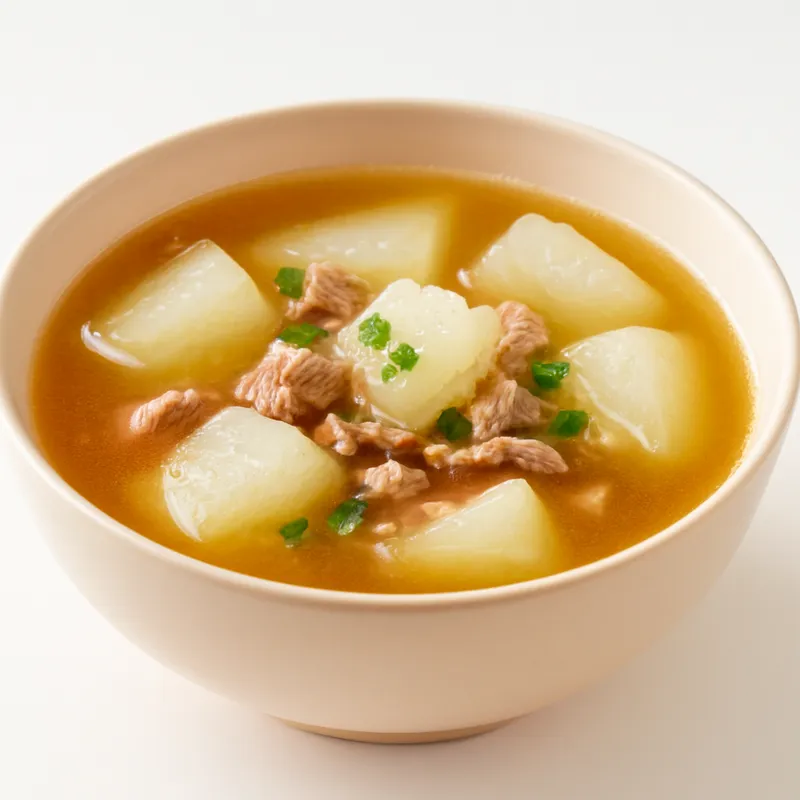
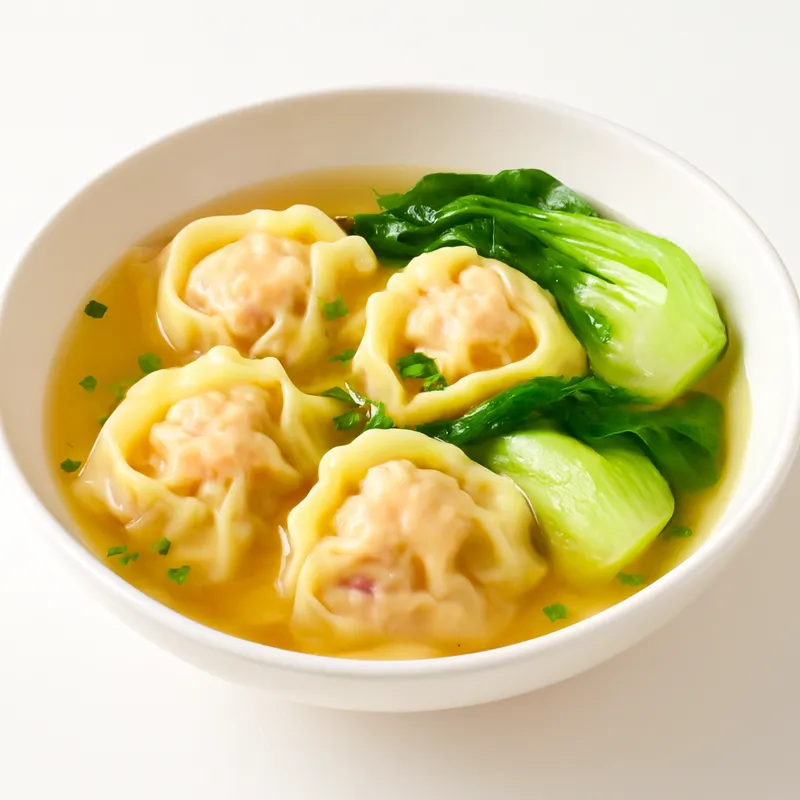
Soups
10



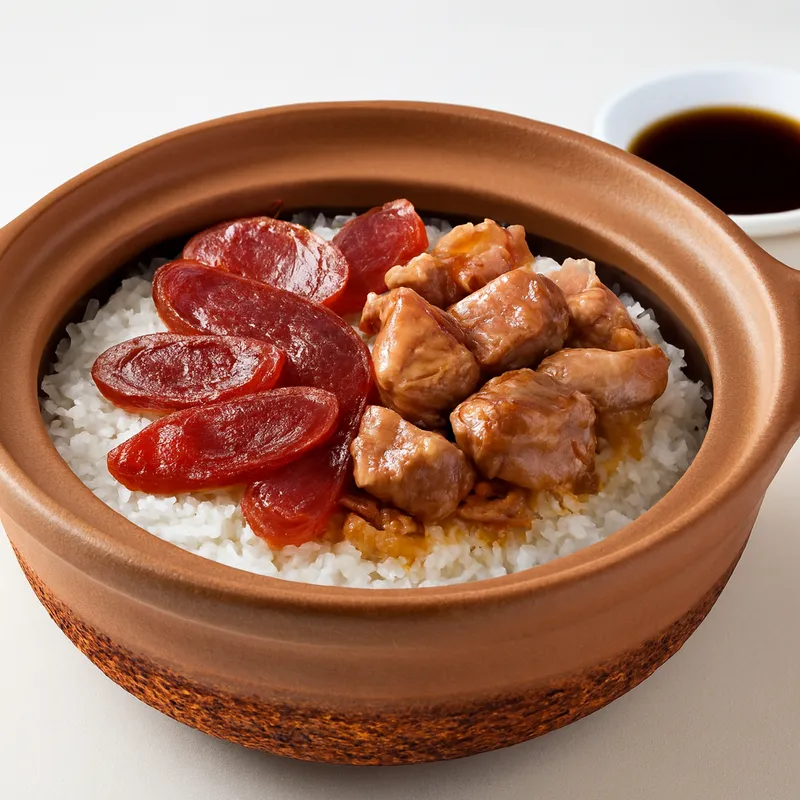
Mains
43








Sweets
24