A blank canvas that absorbs the soul of every cuisine.
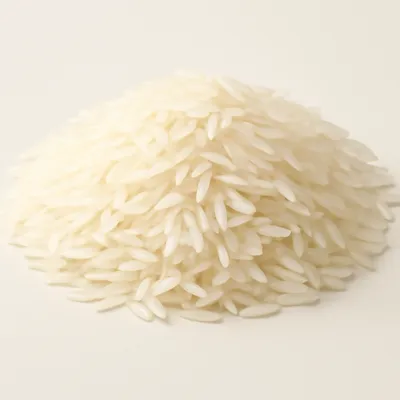
Staple grain for over half the world; mild and starchy, absorbing surrounding flavors.
Where it comes from
Rice has been cultivated for thousands of years, originating in Asia, where it is considered a staple food and holds cultural significance in ceremonies and traditions.
In the kitchen
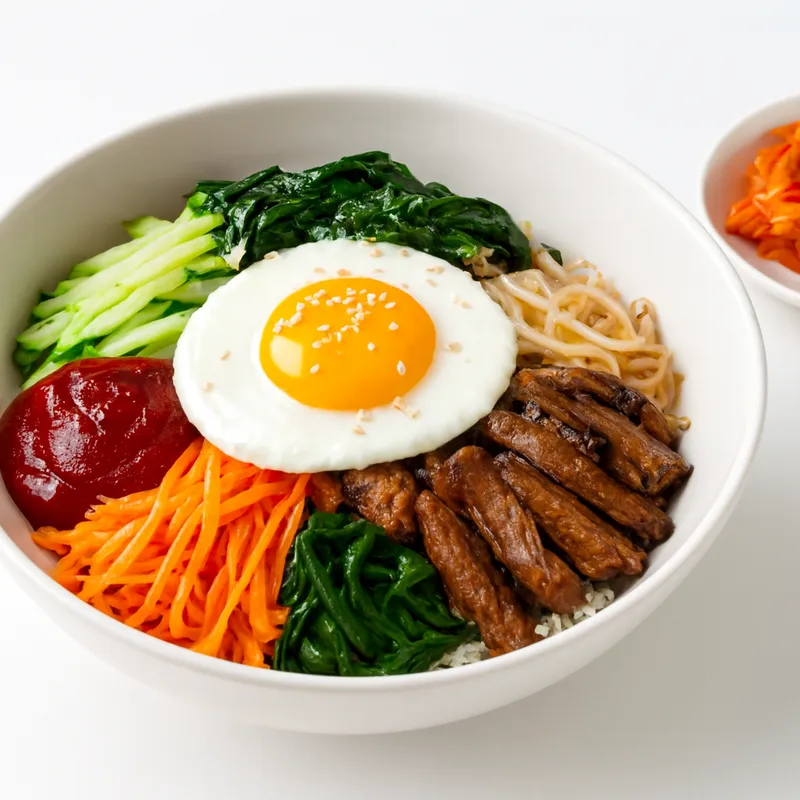
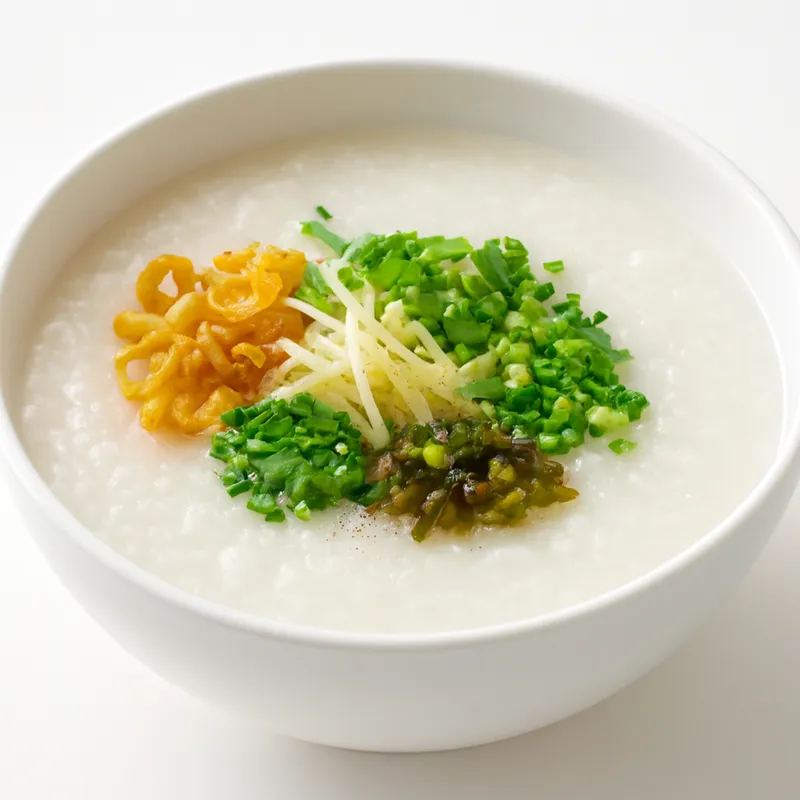
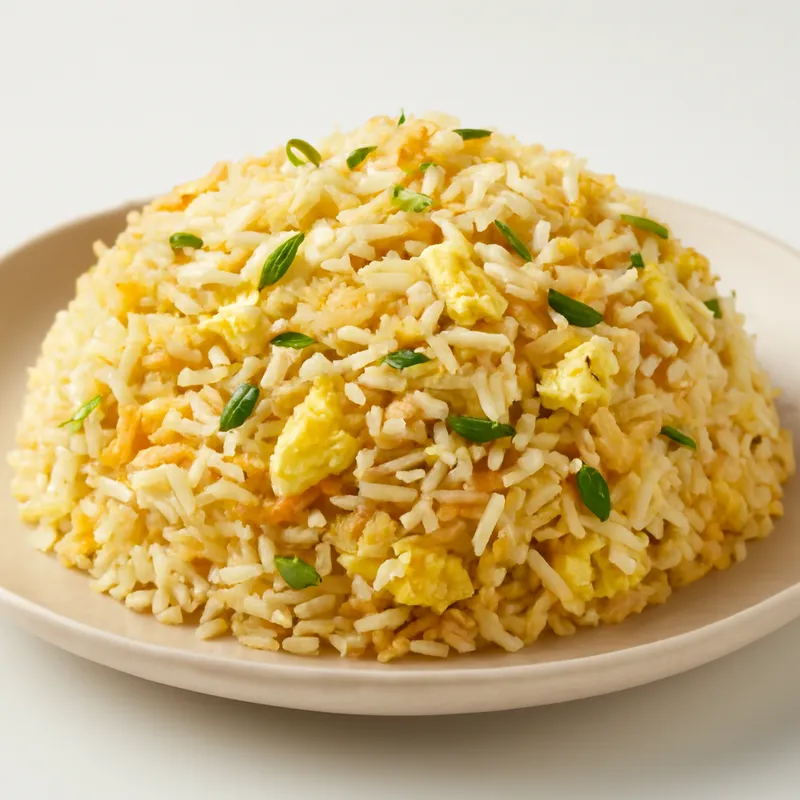
Rice acts as a base for countless dishes, whether steamed, fried, or risotto-style, providing substance and texture while soaking up sauces and flavors.
Across cuisines
Japanese cuisine predominantly uses short-grain rice, known for its sticky texture. This rice is often seasoned with vinegar for sushi or served plain as a staple side dish. Its stickiness is crucial for dishes like onigiri and sushi, where the grains must hold together.
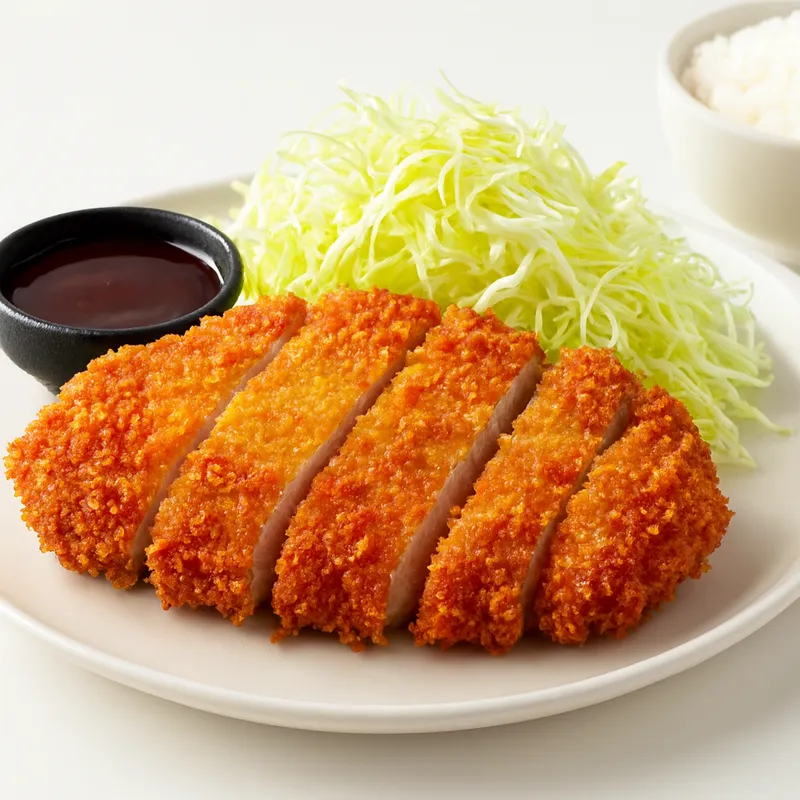
Rice (medium-grain Calrose, the canonical Hawaiian rice) is the structural base of the plate lunch — two scoops next to a scoop of mac salad and a portion of teriyaki chicken, kalua pork, or katsu. Also the foundation of spam musubi (rice block wrapped in nori with spam on top) and the seafood-and-rice base of poke bowls. The two-scoops convention is iconic.
Persian cuisine features rice with a distinct saffron aroma and a crispy crust called tahdig. Rice is often parboiled and then steamed, allowing for the development of tahdig at the bottom of the pot. Saffron is a key ingredient, lending both color and fragrance to dishes like Zereshk Polo.
Nutrition (per 100g)
AI-estimated; model and run unavailable.
Pairs well with