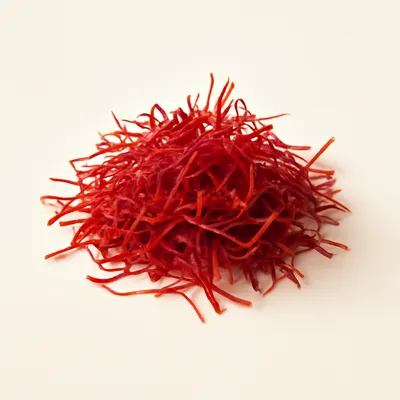
Luxurious and aromatic, saffron boasts a unique, slightly sweet flavor with hints of earthiness and a radiant golden hue. Its delicate, floral fragrance captivates the senses, making it a prized ingredient in gourmet cooking.
Where it comes from
Saffron, derived from the stigmas of the Crocus sativus flower, has ancient origins in Persia, where it was used not only in cuisine but also in medicine and dyeing fabrics.
In the kitchen
Saffron infuses dishes with its distinctive color and flavor, often used in risottos, paellas, and desserts, elevating them to a level of elegance and sophistication.
Across cuisines
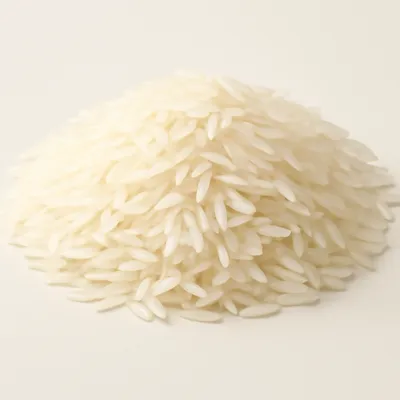
Saffron (kesar) in Mughlai cooking is bloomed in warm milk before being drizzled over biryani layers or stirred into milk-based sweets. Awadhi Dum Biryani and Hyderabadi Biryani both use saffron-milk to color alternate rice layers, producing the two-tone yellow-white visual. Kashmiri Pulao and Modur Pulav rely on saffron for their signature golden color. Phirni, Gulab Jamun syrup, and Shahi Tukda all use saffron-warm-milk infusion at the final stage.
Risotto alla Milanese — the canonical saffron application in Italian cooking — uses a pinch (0.1–0.2g) bloomed in white wine, then stirred in early so starch uptake locks the color and aroma into the rice. Pasta con le Sarde (Sicilian pasta with sardines and fennel) uses a smaller saffron note as a medieval Arab-influenced layer. Malloreddus alla Campidanese (Sardinian gnocchi with sausage and tomato) carries a faint saffron trace.
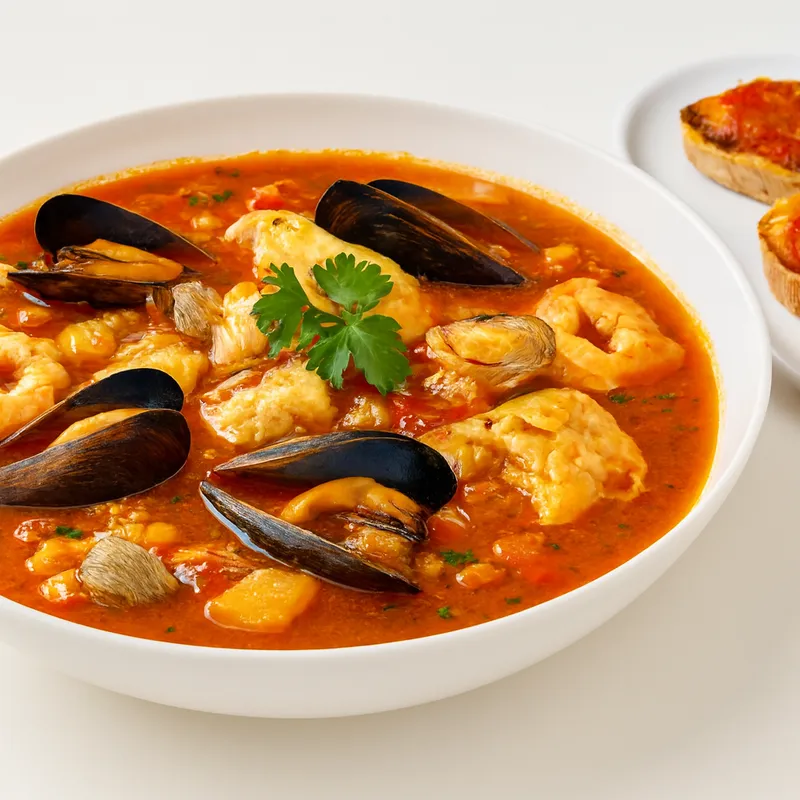
Bouillabaisse, the Marseille fish stew, requires saffron as one of its three defining aromatics alongside fennel and orange peel. The saffron is added to the broth in the final 10 minutes after the seafood. Without it, the dish lacks its characteristic gold broth and anise-floral undertone.
Notable varieties
Grown at 1,600m elevation in the Pampore plateau. Mongra grade = stigmas only (no style), deep red. Among the highest crocin and safranal content globally. More intense than Spanish or Iranian saffron gram-for-gram. PGI-protected.
Iran produces 90%+ of world saffron. Sargol grade = all-red stigmas; Super Negin = hand-selected intact stigmas with minimal style. Slightly less volatile oil than Kashmiri but produced at massive scale. Standard for Middle Eastern and European markets.
PGI-protected La Mancha saffron. Toasted after harvest (tostado), producing a slightly earthier, nuttier note than raw-dried Iranian saffron. Standard for Paella and Bouillabaisse; intensity somewhat lower than top-grade Persian or Kashmiri.
Nutrition (per 100g)
AI-estimated; model and run unavailable.
Pairs well with