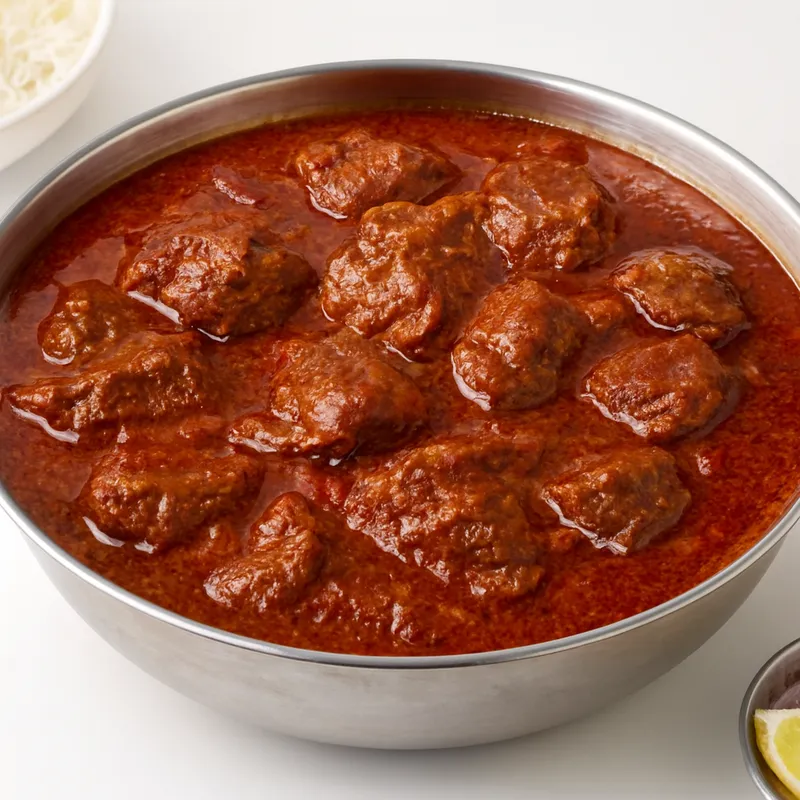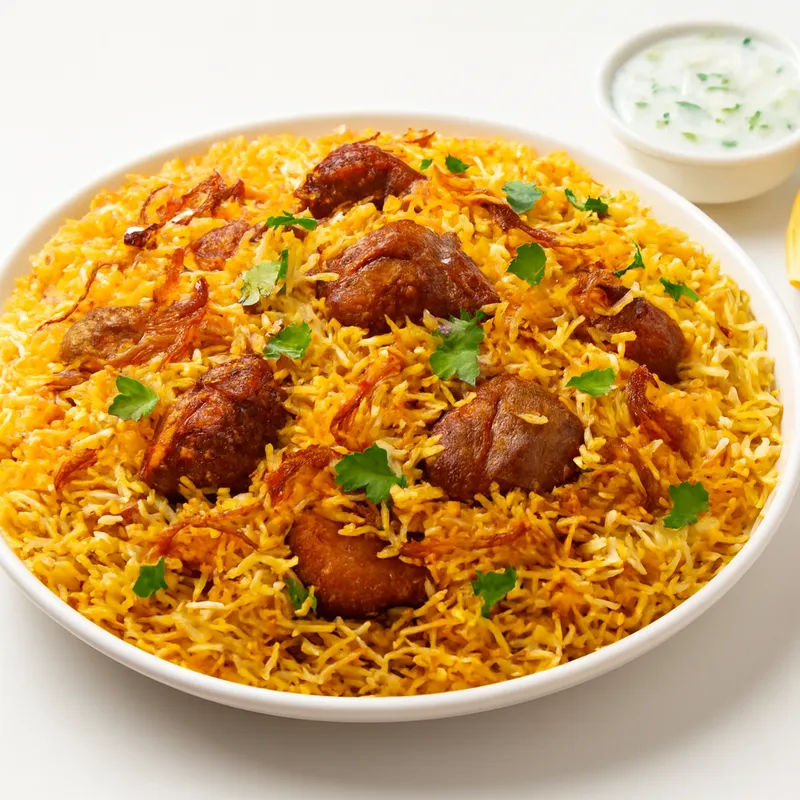





Most likely matured in the kitchens of the Mughal Empire (1526–1857) as a fusion of Indian spiced-rice dishes and Persian polow; its precise arrival is debated rather than tied to a single 1526 event. Hyderabad's Asaf Jahi court (17th-18th c.) refined it into Kachchi Biryani — raw marinated meat layered with raw rice, sealed with dough, slow-cooked in a single dum (steam) — the technique that defines biryani over pilaf. Indians fight over which city's biryani is best (Hyderabad, Lucknow, Kolkata, Sindhi).
A fragrant masterpiece that tells tales of spice and history, each grain of basmati rice cradling tender meat within layers of flavor.
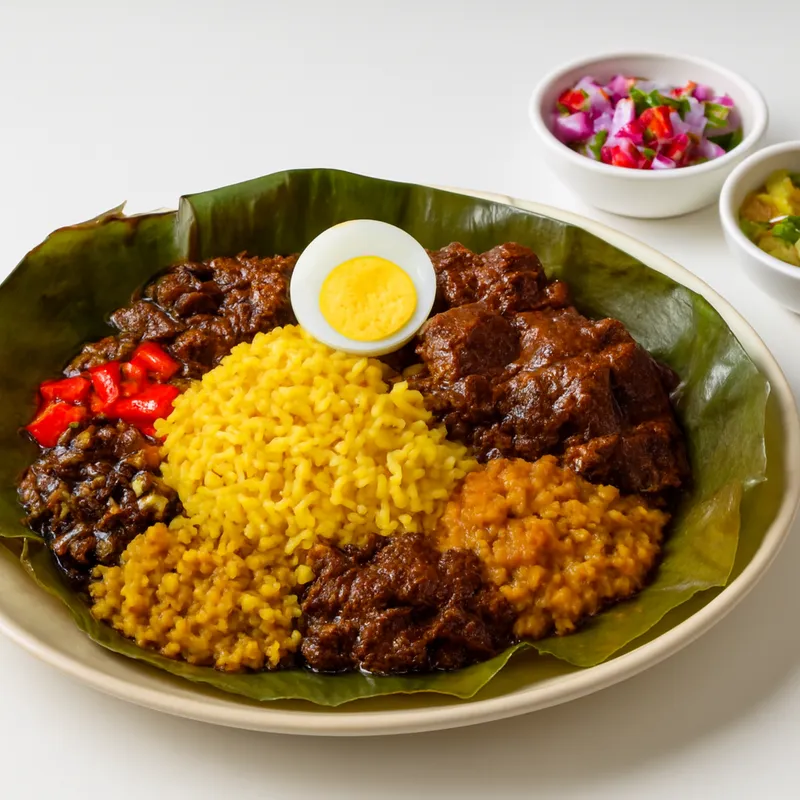
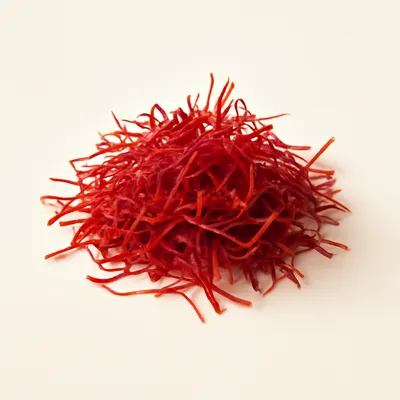
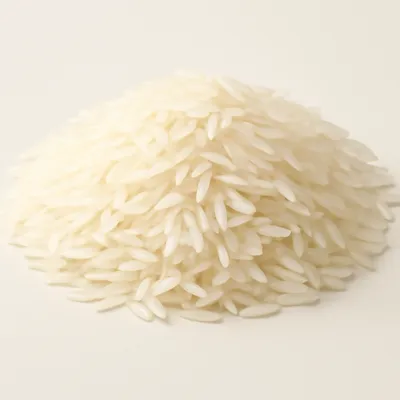
Pot opens at the table; saffron and rosewater come up first on the steam. Long-grain basmati grains stay separate, tinted yellow, white, orange in stripes. Goat or chicken is layered underneath, gone tender from slow steam. Yogurt raita and chili salan on the side; eaten by hand in the proper version.
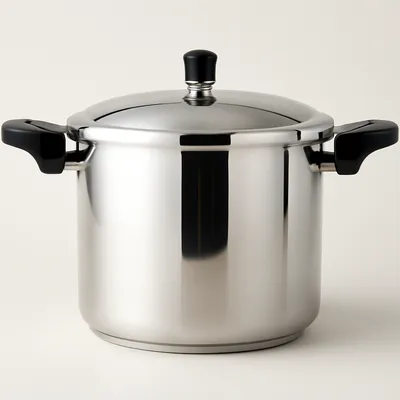
Dum (sealed-pot steam) is the load-bearing technique: dough seals the lid, the pot goes on hot coals with more coals on the lid, and the rice and meat finish together in their own moisture — no broth added. Open the pot too early and rice is undercooked; too late and the bottom layer (tahdig-style crust) burns. The whole dish lives or dies in the last 25 minutes.
Variations
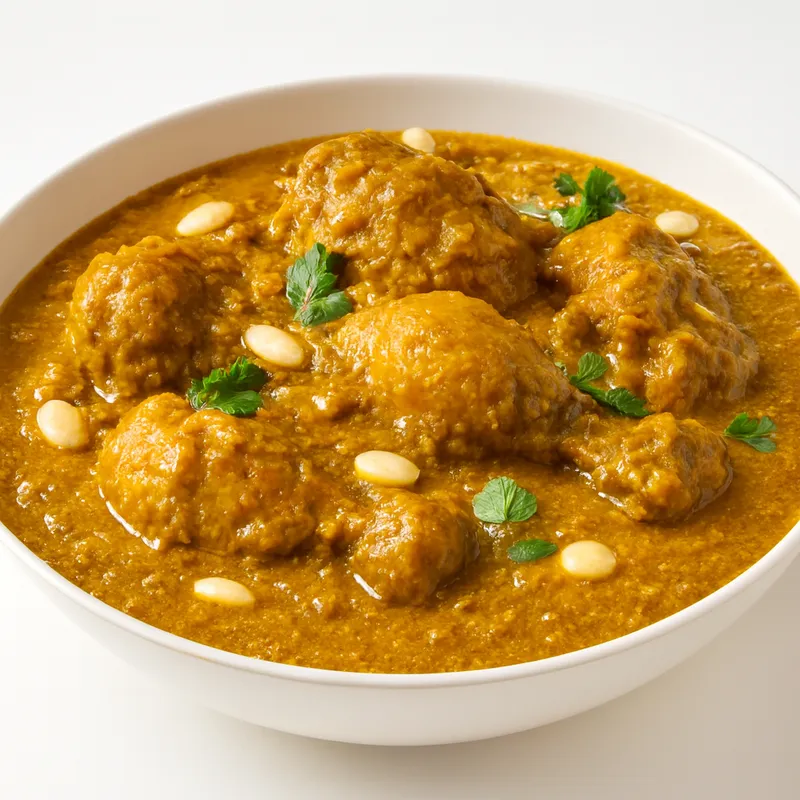
Hyderabadi (raw meat layered in, kacchi style); Lucknowi/Awadhi (cooked separately, pakki); Sindhi (spicier); Thalassery (Malabar with short-grain rice); Kolkata (with potato + boiled egg).
On the Palate
Where Biryani sits in the Indian flavor cloud
Nail the dum: seal the lid and finish rice and meat together in their own steam, because opening early leaves rice raw and opening late burns the bottom crust.
Ingredients








How it's made
5 steps · 59 min
- 110 min
Rinse the Basmati rice under cold water until the water runs clear. Bring a large pot of water to a boil, adding a pinch of salt. Add the rice and cook until it's about 70% done, which should take about 5-7 minutes. Drain and set aside.
Watch outRinse until the water runs clear, then pull the rice at 70% — it should bend but still snap with a hard center.
- 212 min
In a heavy-bottomed pot, heat ghee over medium heat until it shimmers. Add sliced onions and fry until they turn golden brown and crispy, about 10 minutes. Remove half for garnishing later.
Watch outFry the onions to a deep even golden and crisp, not pale — this is the biryani's backbone sweetness.
- 312 min
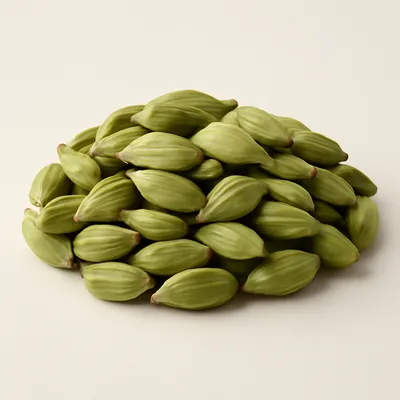
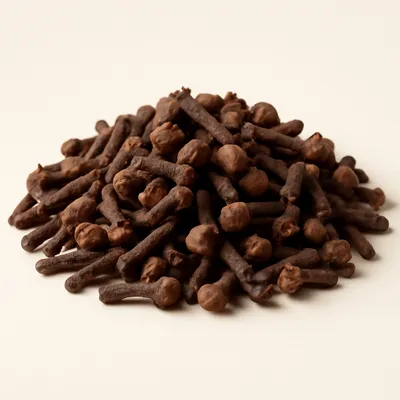
Add ginger, garlic, and whole spices like cardamom, cinnamon, and cloves to the remaining onions in the pot. Stir until fragrant, about 2 minutes. Add marinated lamb and cook until browned on all sides, about 10 minutes.
Watch outEnsure spices don't burn by stirring continuously.
- 420 min
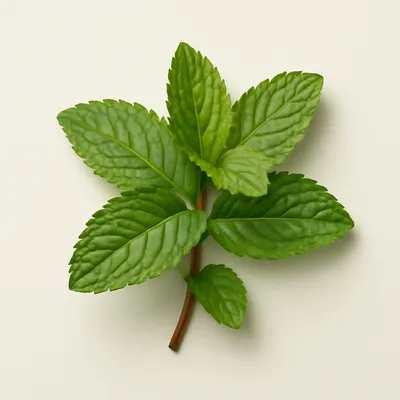
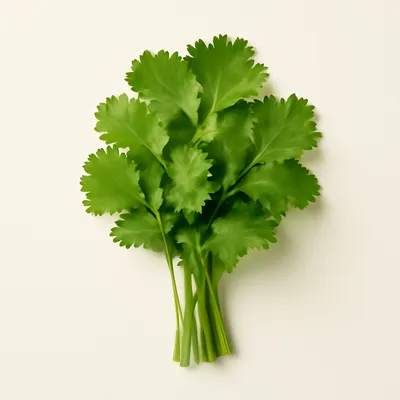
Layer the partially cooked rice over the meat. Sprinkle saffron water, mint, and cilantro over the top. Cover the pot tightly and cook on low heat for 20 minutes, allowing the flavors to meld.
Watch outOnce layered, seal tight and drop to low; listen for a faint hiss, not a rolling bubble.
- 55 min
Once cooked, gently fluff the biryani with a fork. Garnish with the reserved crispy onions before serving hot.
Archive tool suggestions — not reviewed
These legacy suggestions have not been evidence-reviewed and are not presented as required tools.