A slow-cooked beef stew with rich spices.
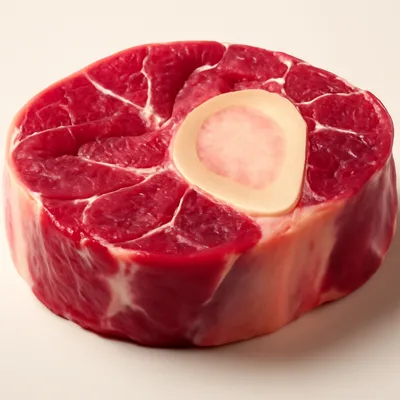





Developed in the late-Mughal kitchens of Old Delhi, late 18th century, as a pre-dawn meal for laborers and royalty alike — "nihari" comes from the Arabic nahar (morning). After the 1947 Partition, the Delhi master cooks who migrated to Karachi made it a Pakistani breakfast institution; the Karachi version is spicier and uses more bone. Some Karachi shops still keep a generations-old taar (starter gravy) ladled into each fresh batch.
Developed in late-Mughal Old Delhi, late 18th century, as a pre-dawn meal — the name comes from Arabic nahar (morning). After the 1947 Partition, Delhi master cooks brought it to Karachi, where some shops still ladle a generations-old taar (starter gravy) into every fresh batch. Toasted atta slurry — not just bone reduction — is what gives the lacquer body.
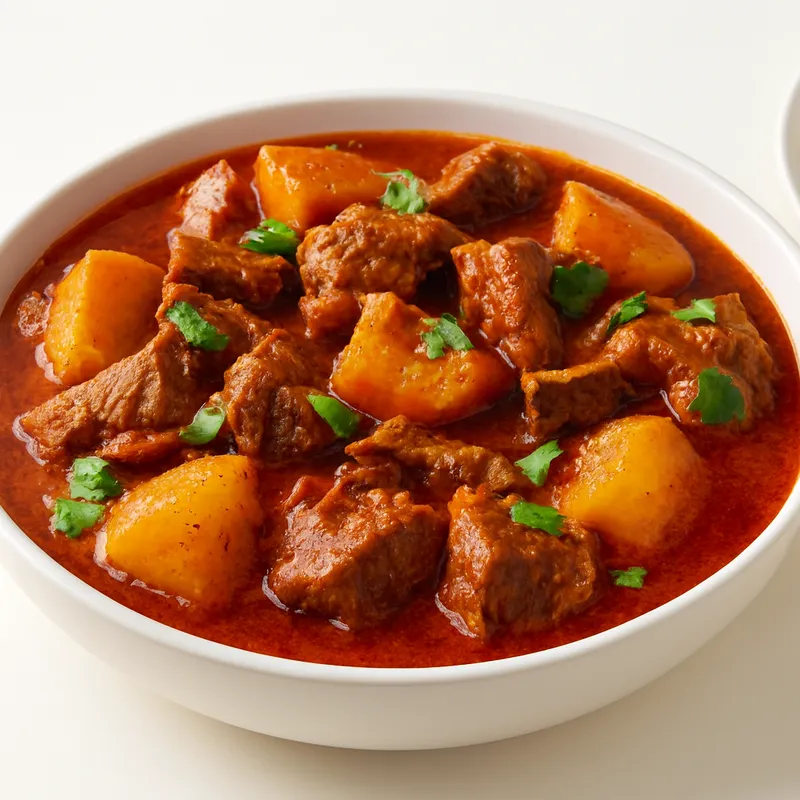
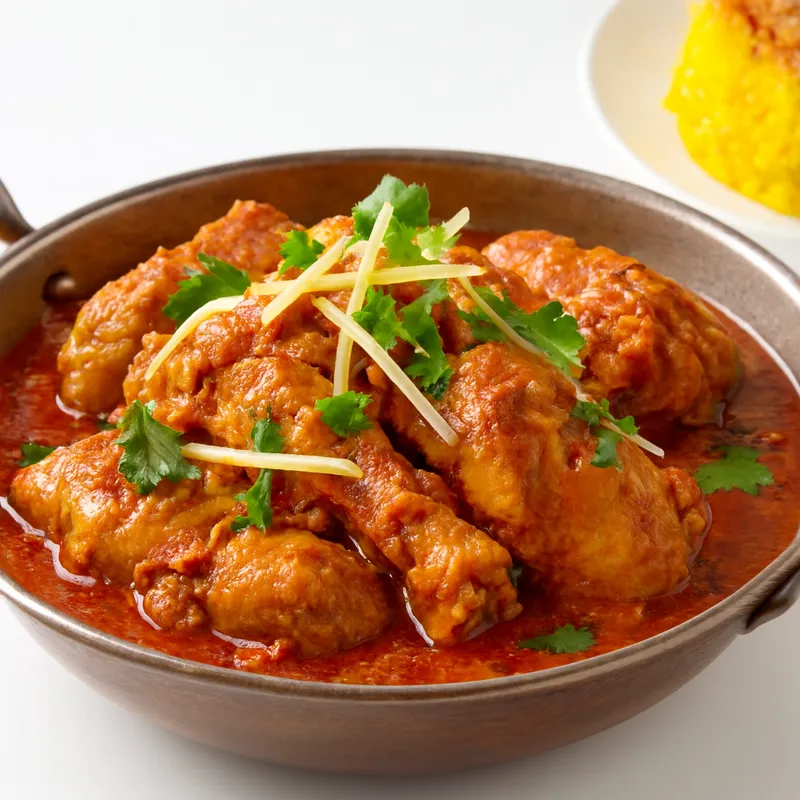
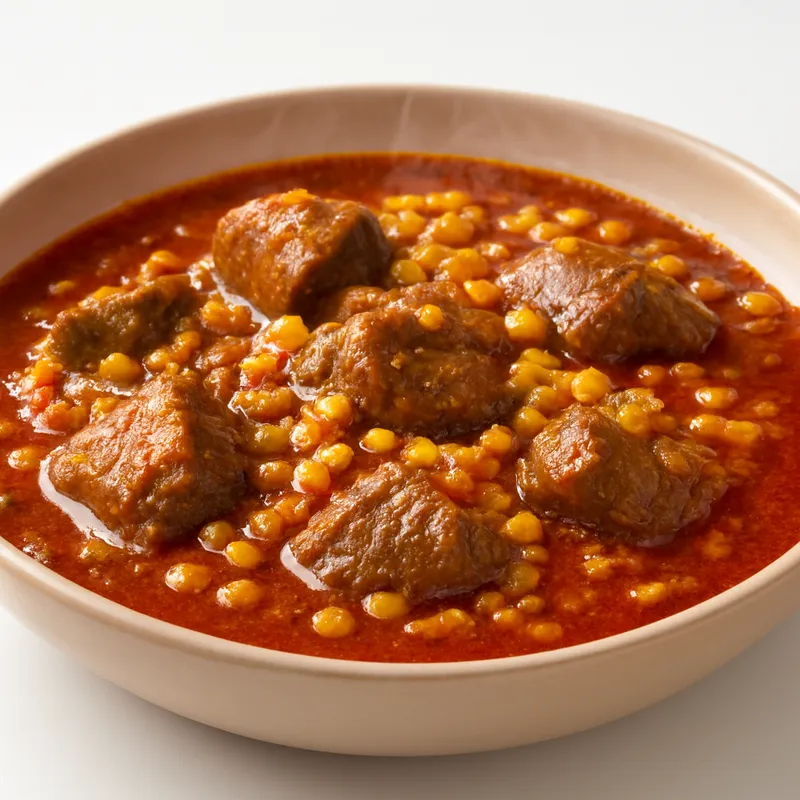
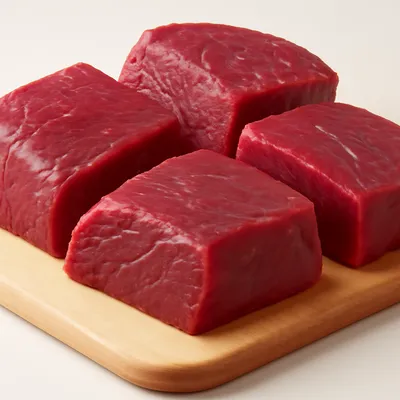
Beef shank or shin in a thick rust-colored gravy that's nearly opaque from bone collagen. The meat falls off the bone at a touch; marrow is sucked from the cut bone at the table. Served at breakfast with naan, topped with ginger julienne, fried onion, green chili, and a hard squeeze of lemon to cut the fat. The gravy should coat the back of a spoon.
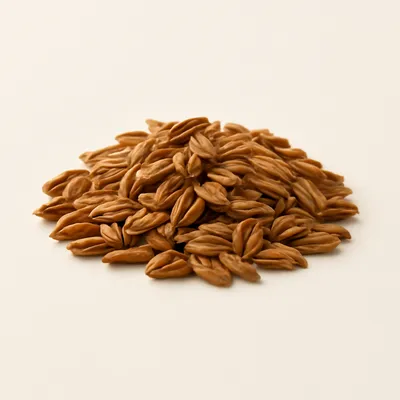
The gravy thickens with toasted wheat flour (atta) stirred in as a slurry, not just bone reduction — that's what gives it the slightly grainy, lacquer-like body. The spice list is heavy on long pepper (pippali) and fennel, which is why nihari tastes warmer and more medicinal than ordinary curry. Cooked at least six hours on low heat; faster and the shank stays tough, the marrow doesn't render into the gravy.
Variations
Beef-shank nihari (Karachi standard); Maghaz nihari (with brain); Nalli nihari (extra marrow bones); Hyderabadi paya-nihari (with trotters); the Old Delhi originals at Karim's still serve a buffalo version.
On the Palate
Where Nihari sits in the Pakistani flavor cloud
Ingredients








How it's made
6 steps · 55 min active + 4 hours waiting
- 15 min
In a heavy-bottomed pot, heat oil over medium heat until shimmering. Add ginger and garlic, sautéing until fragrant and golden.
Watch outEnsure the oil is hot enough to sauté without burning the garlic.
- 210 min
Add the beef shank pieces, searing them on all sides until they are browned and caramelized. This step locks in the juices.
Watch outSear the shank until each side is deep brown and caramelized, not just grey — that crust is where a lot of the gravy's depth comes from.
- 35 min
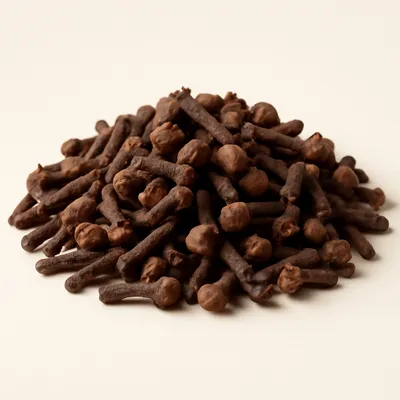
Sprinkle in the spices, allowing them to bloom in the heat, and then pour in water to cover the meat generously. Bring to a simmer.
Watch outToast the spices in the oil just until fragrant, a few seconds — the moment they smell warm and nutty, pour in the water before they scorch.
- 420 min
Cover the pot and let it simmer on low heat for several hours until the meat is fall-apart tender, stirring occasionally to prevent sticking.
Watch outThe meat is ready when it pulls apart at a nudge from the spoon; if it still resists, keep it going low.
- 510 min
Mix wheat flour with a little water to form a slurry, and stir it into the stew to thicken. Cook for another 10 minutes until the stew is rich and velvety.
Watch outAfter the slurry goes in, the gravy should thicken to a glossy, lacquer-like body in about 10 minutes — smooth, not floury.
- 65 min
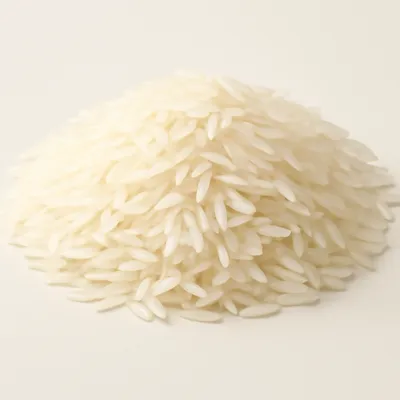
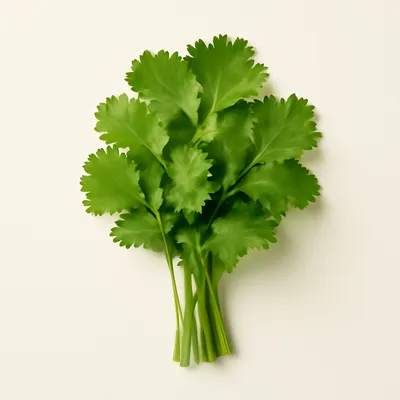
Serve hot with naan or rice, garnished with fresh ginger slices and cilantro.
Archive tool suggestions — not reviewed
These legacy suggestions have not been evidence-reviewed and are not presented as required tools.