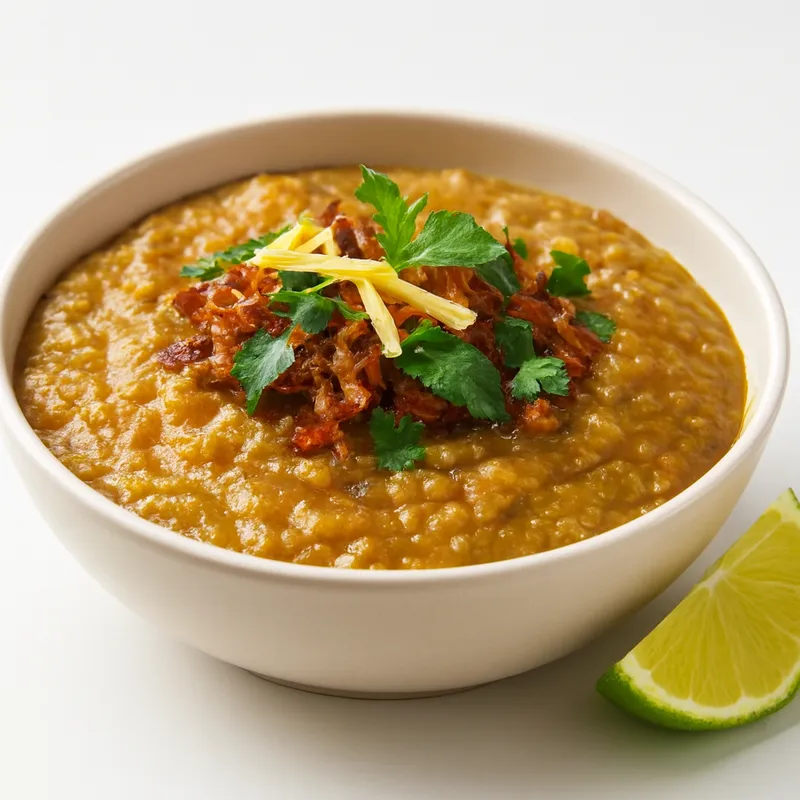



Adapted from the Arab dish harees brought to the Deccan by Arab (Yemeni/Hadhrami) soldiers recruited as the Nizam of Hyderabad's bodyguards, largely in the 19th century, then refined in the Hyderabadi court of the Nizams who added the heavy spice load and slow eight-hour cook. Promoted to a Ramadan iftar staple because it delivers maximum calorie and protein per spoonful after a fast day. The Pakistani version (especially Karachi) leans richer than its Indian cousin.
Adapted from the Arab harees brought by Yemeni traders to the Deccan around the 16th century, then refined in the Hyderabadi Nizams' court with the heavy spice load. The texture comes from a wooden masher (ghotni) beating the pot for hours — gluten and myosin physically combed apart. If you can spot grains of wheat, it stopped too soon.
A grey-brown porridge so thoroughly cooked the meat has dissolved into the wheat. Ladled into a bowl, topped with fried onion, julienned ginger, lemon, green chili, and a drizzle of garam masala oil. The texture should pull a thread when you lift the spoon — pourable but elastic. Eat with naan torn into it. If you can identify individual grains of wheat, it stopped cooking too soon.
The hallmark texture comes from mechanical breakdown, not just heat: after the wheat, lentils, and meat have simmered for hours, the cook beats the pot with a wooden masher (ghotni) until the muscle fibers shred into the starch. That stringiness is gluten and myosin, physically combed apart. Skip the mashing and you get soup with chunks; this is why pressure-cooker shortcuts always taste off.
Variations
Hyderabadi haleem (mutton, eight-hour cook, Ramadan-iftar standard); Karachi version (richer, beefier than Indian cousins); Kashmiri harissa (spicier, drier, breakfast-only); Iranian haleem (sweet — sugar and cinnamon, dessert-leaning).
On the Palate
Where Haleem sits in the Pakistani flavor cloud
The signature stringy, paste-like texture comes from mashing, not just cooking — after hours of simmering, beat the wheat, lentils and meat with a masher until the muscle fibers shred into the grain starch and the whole pot turns smooth.
Ingredients








How it's made
5 steps · 1 hour 10 min active + 6 hours waiting
- 15 min
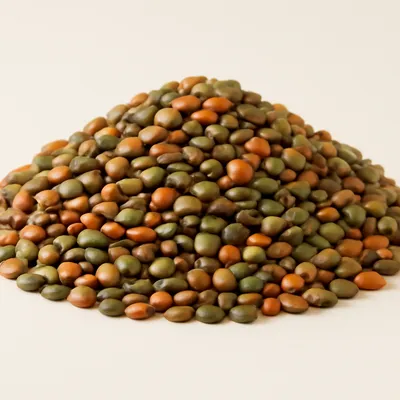
Rinse the wheat, barley, and lentils under cold running water until the water runs clear. Drain well and set aside.
- 210 min
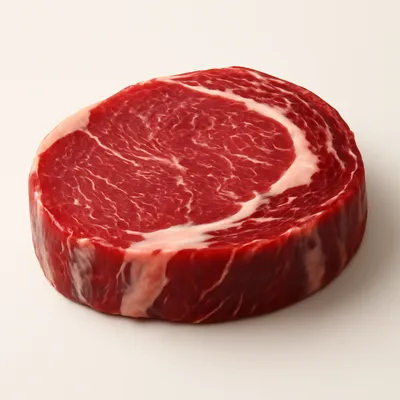
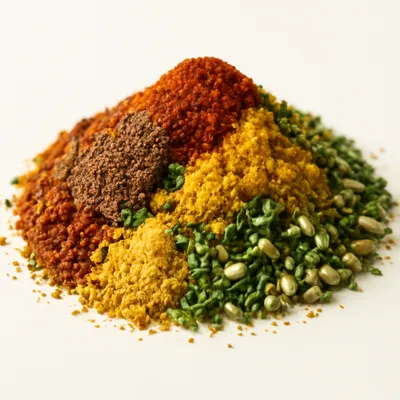
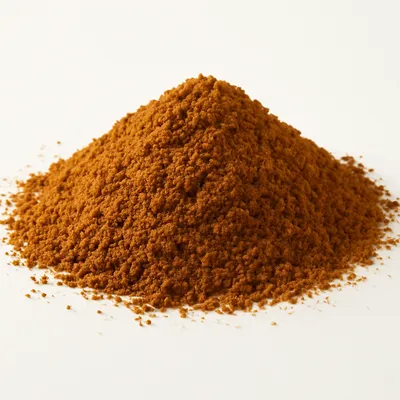
In a large pot, add the beef along with ginger, garlic, and a medley of spices, letting the aroma fill your kitchen. Pour in enough water to cover the meat completely.
- 330 min
Bring the mixture to a gentle simmer over medium heat. Cover the pot and let it cook slowly for several hours until the meat is tender and the grains have broken down, stirring occasionally.
Watch outSimmer low and slow until the meat pulls apart and the grains have collapsed into the liquid — rushing this leaves them too firm to mash.
- 420 min
Once the meat is tender, use a pestle or a sturdy spoon to vigorously stir the mixture, mashing the grains and meat together until you achieve a thick, paste-like consistency.
Watch outKeep pounding until the mix turns ropy and pulls in strands off the masher — that stretch is the shredded fibers binding with the starch.
- 55 min
Taste and adjust the seasoning if necessary, then serve hot, garnished with fried onions and fresh cilantro if desired.
Watch outIt should mound thickly on the spoon, not run — if it's still soupy, cook and mash a bit longer before serving.
Archive tool suggestions — not reviewed
These legacy suggestions have not been evidence-reviewed and are not presented as required tools.

The simplest tool in any kitchen: a heavy bowl and a club to bash things in it. Different cuisines use different stones — Thai cooks pound green papaya in a tall granite mortar (krok hin); pesto Genovese requires the soft-pored Carrara marble; Indian masalas grind down on rough basalt. The bash-don't-cut motion releases volatile oils that a blade keeps sealed in the cell wall.
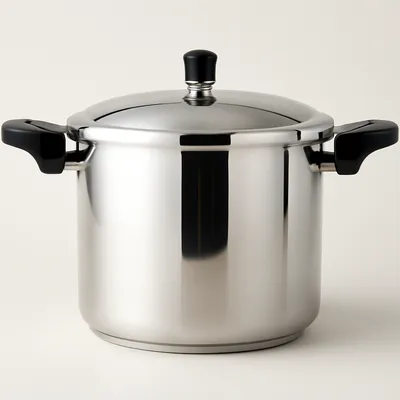
A sealed pot that lifts the boiling point of water from 100°C to ~120°C by trapping steam at 1 bar above ambient pressure. Tough cuts (oxtail, beef shank, dried beans) cook in 30 minutes instead of 4 hours; the higher heat denatures collagen faster than a long simmer. Modern electric versions (Instant Pot) automate the pressure cycle; old stovetop ones (Presto, Kuhn Rikon) hiss alarmingly but cost a fraction.