Pakistani
Nihari, karahi, and kebabs over charcoal — meat-forward cooking with a cardamom, clove, and chili soul.
Karahi
A cooking technique involving high-heat frying in a deep, round pot, often used for meat and vegetable dishes.
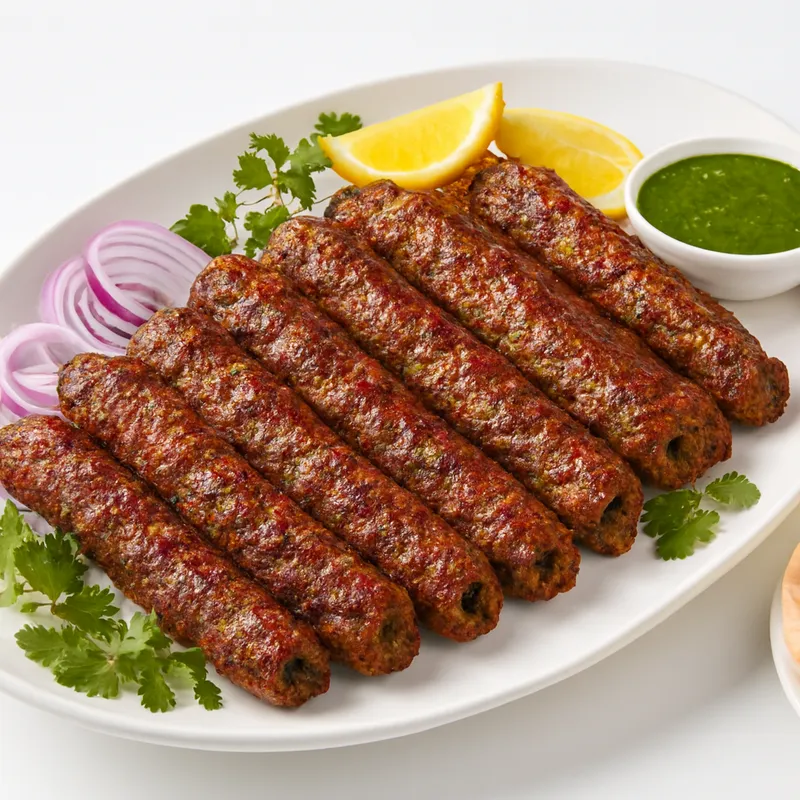
View page →A Pakistani table is loud, meat-forward, and generous. The kitchen has been running since before dawn — a tall pot of Nihari has been gently simmering for twelve hours, its beef shanks breaking down into fat-laced broth thickened with wheat. A karahi wok hisses as tomato and chili sear into chicken at the stove. From the tandoor comes naan the size of a newspaper; from the grill come Seekh Kebabs marked with charcoal. The table fills up fast.
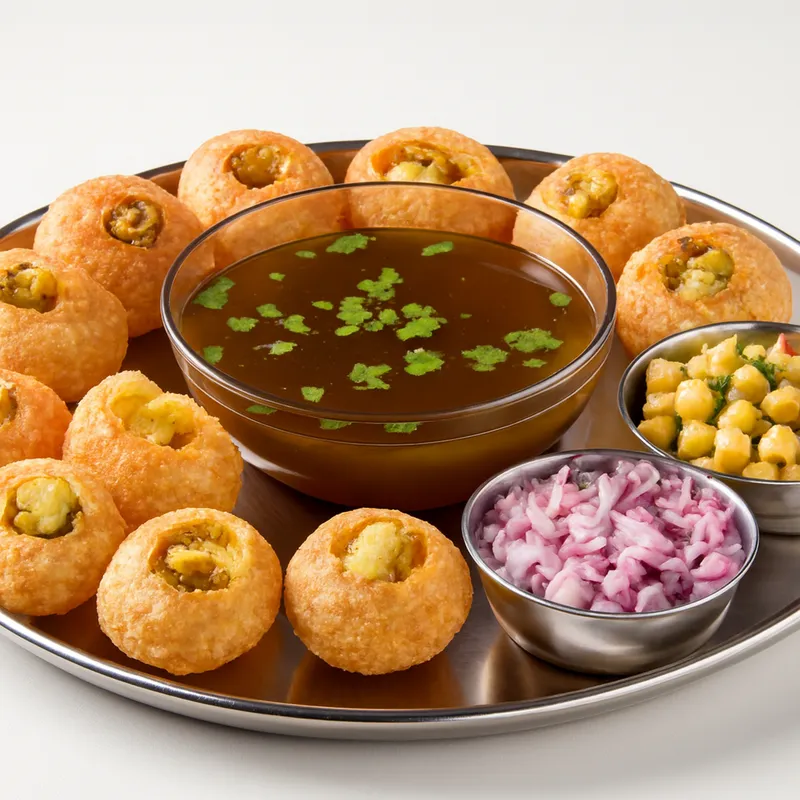
This is cuisine built on the Mughal pantry — cardamom, clove, cinnamon, saffron, ghee — and pushed bolder by Punjab's love of chili and the coastal spice traders of Karachi. Flavors run deep and warming rather than front-of-mouth hot, anchored by slow cooking that rewards overnight patience. Everything arrives at once, family-style: mountains of basmati rice, bowls of yogurt raita, wedges of lemon and raw onion, and a plate of Gol Gappa waiting to be popped whole into someone's mouth between courses.
The Palate
Start Here
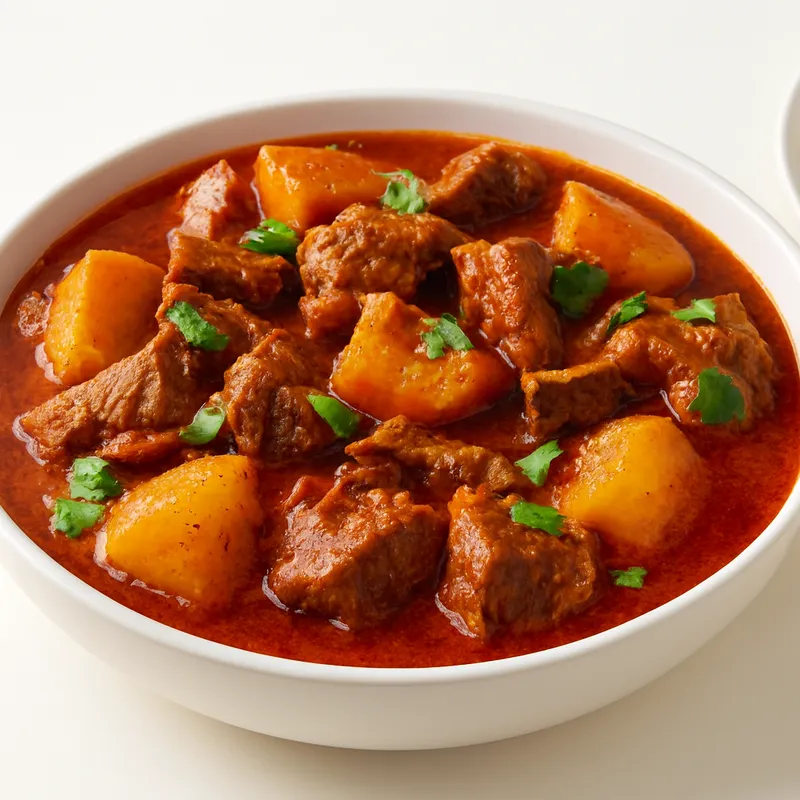
Beef or lamb shank stewed overnight with bone marrow and a masala of ginger, chili, and garam spices. Traditionally eaten at dawn.
Why start here · The defining slow-cooked dish of Pakistan — teaches the overnight-simmer philosophy that anchors the whole cuisine.
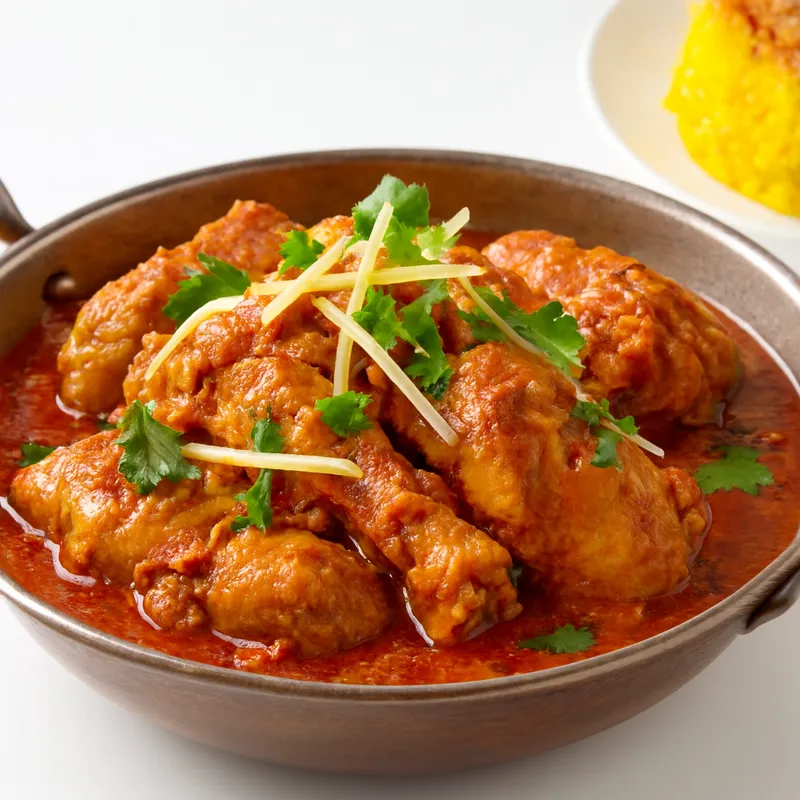
Bone-in chicken seared with tomato, green chili, and ginger in a heavy iron wok. The tomato is the sauce — no cream, no blending.
Why start here · Shows Pakistani cooking at its fastest and cleanest — three ingredients, high heat, and a wok that does the work.
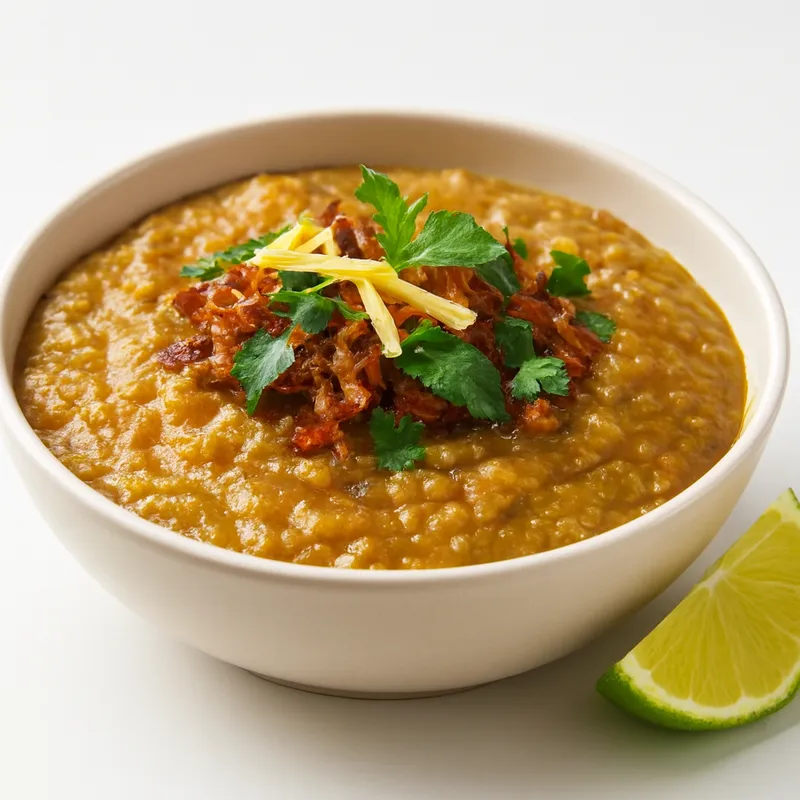
Wheat, lentils, and slow-cooked meat pounded together for hours until the texture turns creamy and the grains disappear.
Why start here · The Muharram-and-Ramadan dish that turns pounding and patience into a single-pot meal thick enough to eat with your fingers.
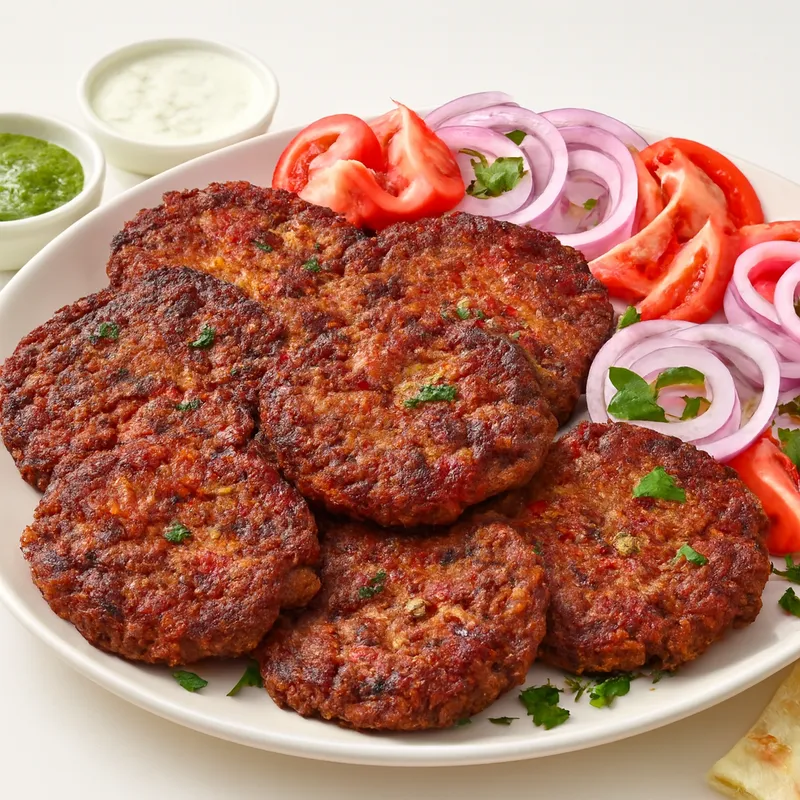
Flat, disc-shaped minced-meat kebabs studded with pomegranate seeds, crushed coriander, and green chili. Fried on a flat pan, never skewered.
Why start here · A Peshawari signature that doesn't exist in Indian cooking — the pomegranate seed is the giveaway, sweet-sour against the spice.
Cook First
The easiest way in


The Pantry



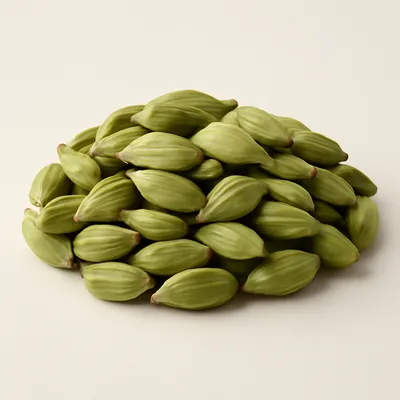

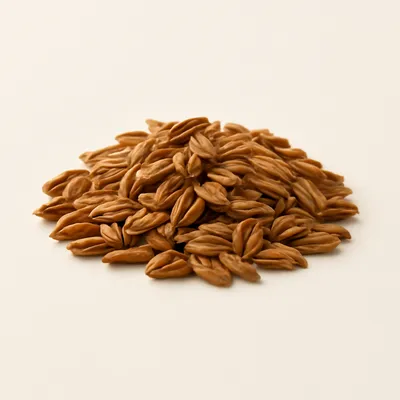
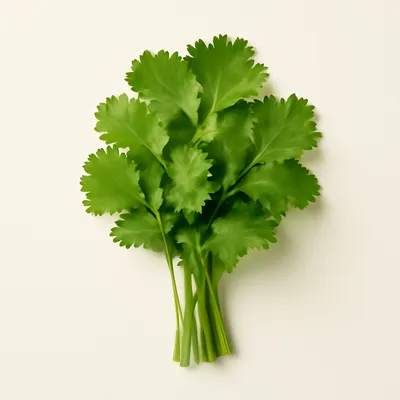
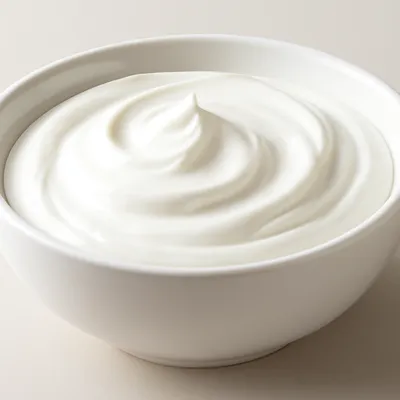
See all 117 ingredients›


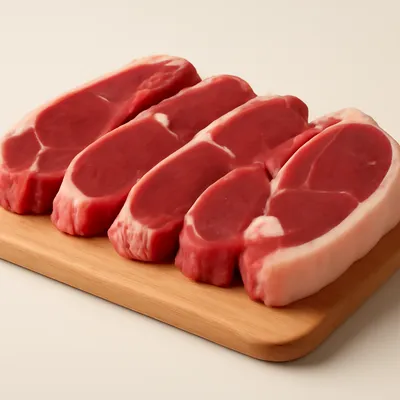

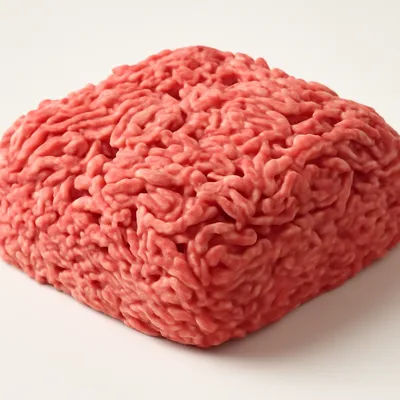


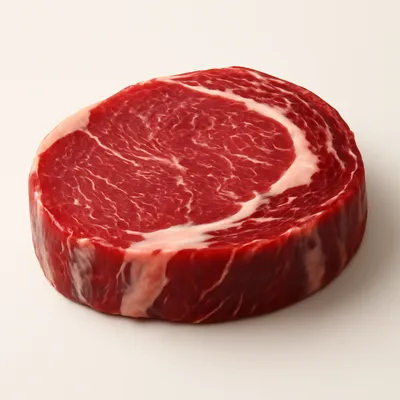
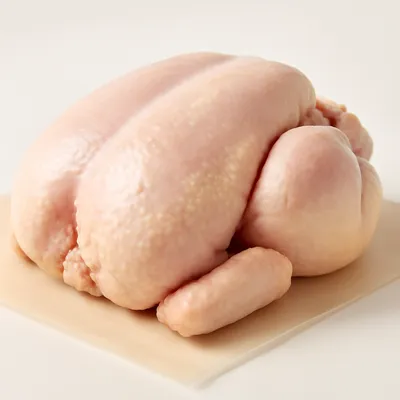


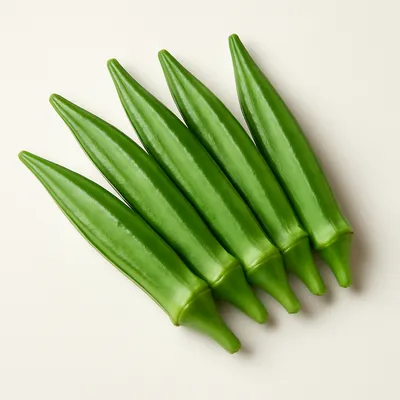
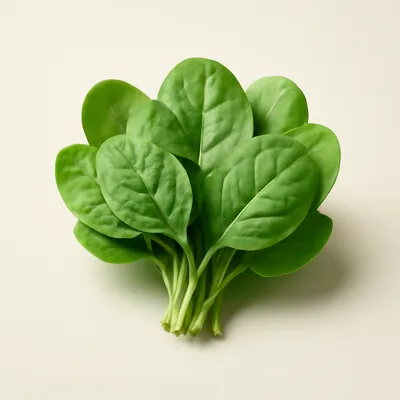





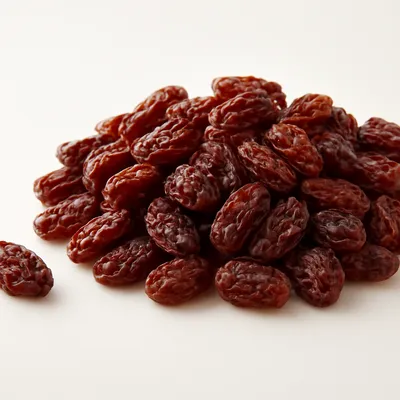
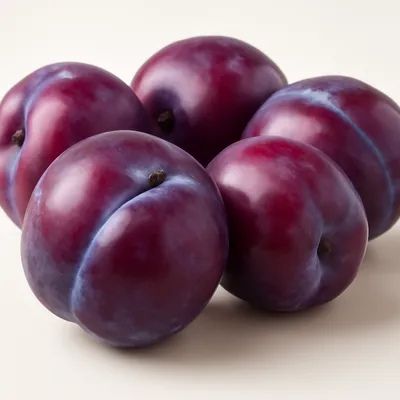


Herbs & Spices
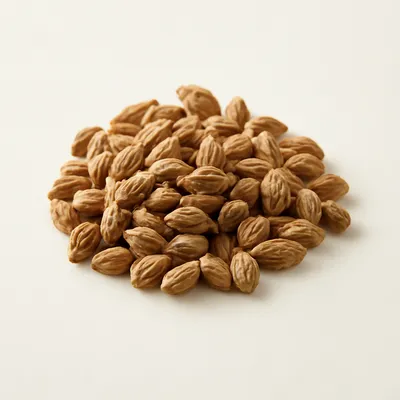


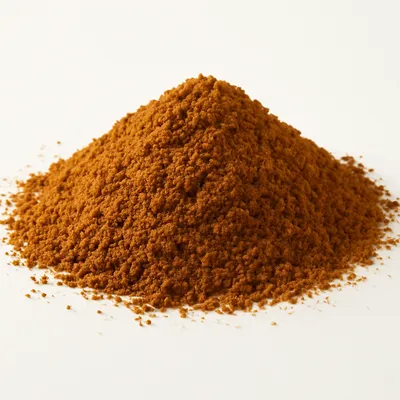


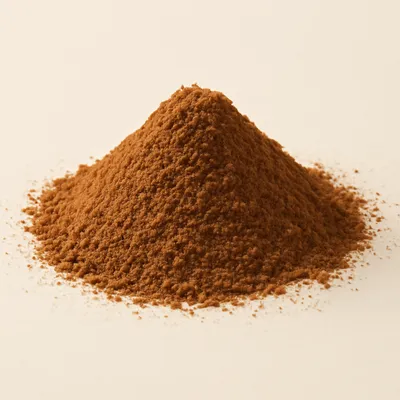


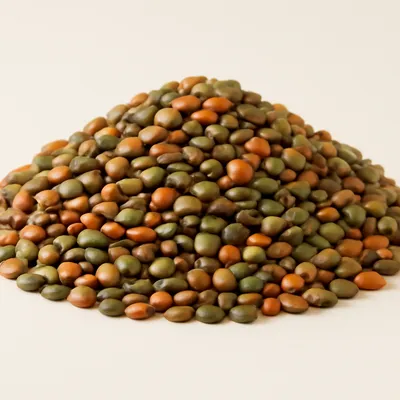

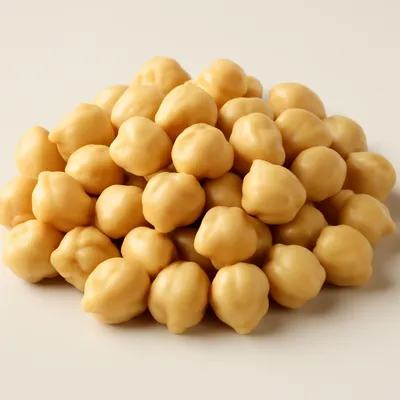
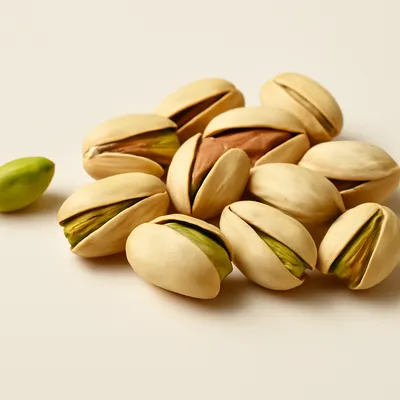
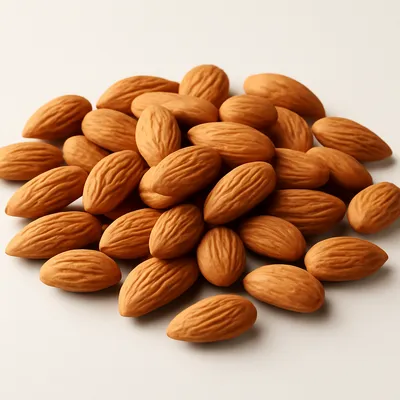


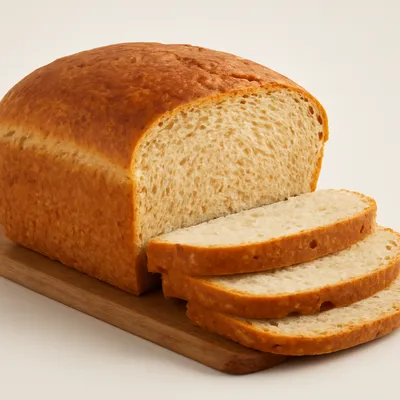








Sauces & Condiments

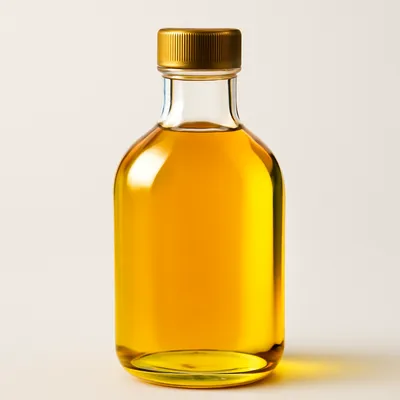



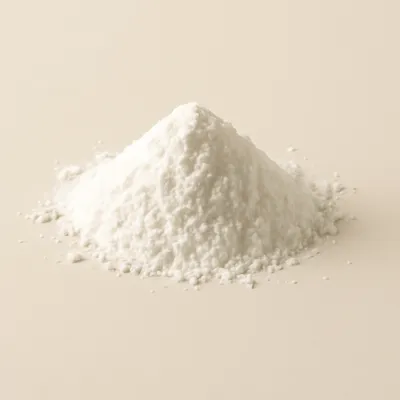


Other

Regional Kitchens
Four regional kitchens, from Lahore's tandoor to Balochistan's pit-fires. Tap a region to see its table.
The Lahori canon — buttery karahi, slow-cooked nihari, naan from tandoor, the most exported face of Pakistani food.
Karachi's spicier, sourer table — biryani with potato and plum, breakfast chana with fried bread, falooda in summer heat.
Southern tribal kebab tradition — chapli kebab, landi, shinwari, pomegranate-seed signature.
Slow-cooked desert food — sajji (whole lamb on a stick), dampukht (rice steamed under pressure), pit-cooked khaddi kebab.
How They Cook
Techniques that define this cuisine
Kindred Kitchens
Cuisines built on the same signature ingredients
Signature Dishes (73)
Browse all 73 dishes›
Drinks
5


Mains
37