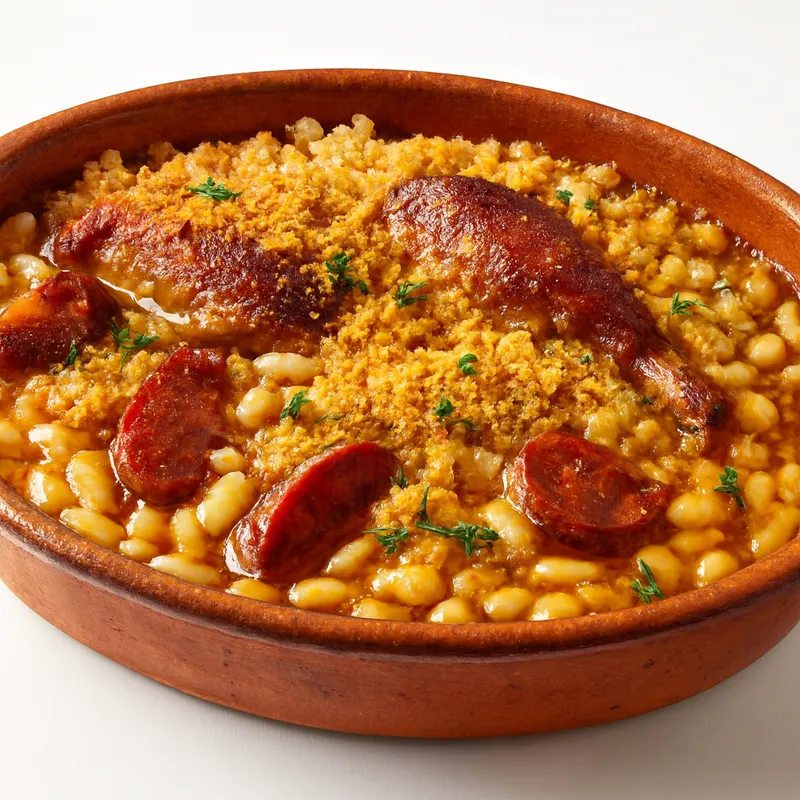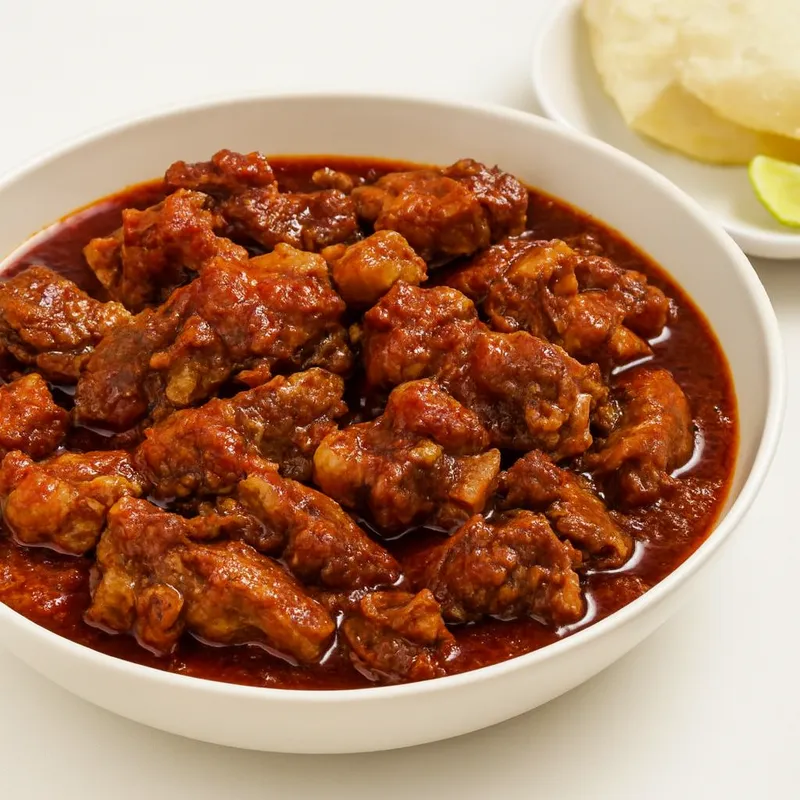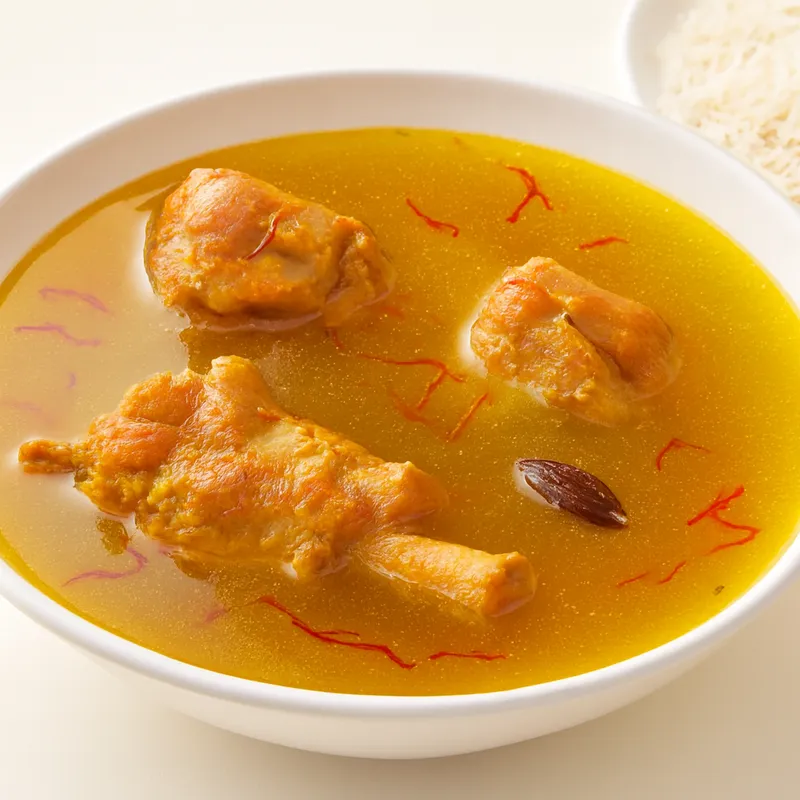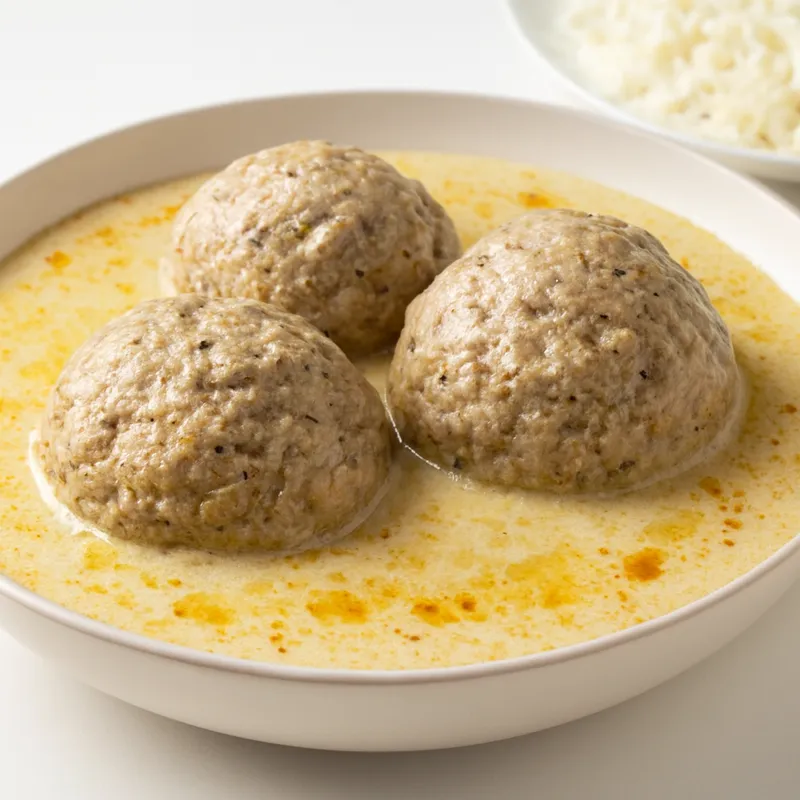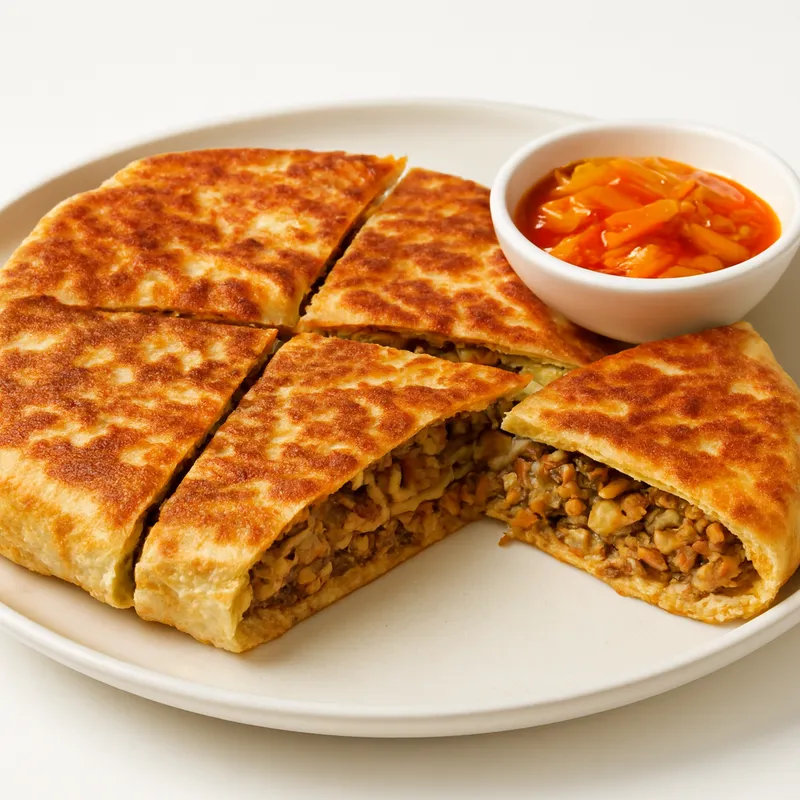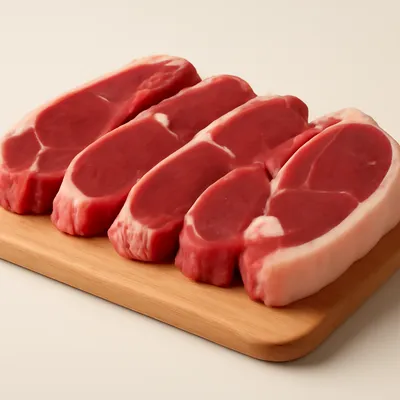
Rich, flavorful meat with a slightly gamey profile; mutton delivers a depth of taste that is both hearty and satisfying. It is commonly featured in Mediterranean, Indian, and North African cuisines.
Where it comes from
Mutton has been enjoyed since ancient times, particularly in pastoral cultures that prized this protein for its robust flavor and versatility.
In the kitchen
Mutton is often slow-cooked or grilled, allowing its flavors to develop, making it ideal for stews, curries, and traditional dishes.
Across cuisines
Mutton is the dominant Mongolian meat — five-year-old sheep raised on the steppe grass that flavors the meat with wild herbs the animals graze. The fatty cuts are ground for buuz dumplings, larger pieces are slow-cooked into khorkhog (with hot stones), and the whole carcass is roasted inside its own skin for boodog. Beef substitutes only at the modern urban table.
Mutton — Namibian Karakul sheep provides the celebration mutton, slow-roasted for special occasions.
Mutton/lamb — Tonga imports significant amounts of New Zealand lamb flap (sipi); the protein for lu sipi.
Nutrition (per 100g)
AI-estimated; model and run unavailable.