Chinese
Eight regional kitchens, one civilization of flavor.
Stir-frying
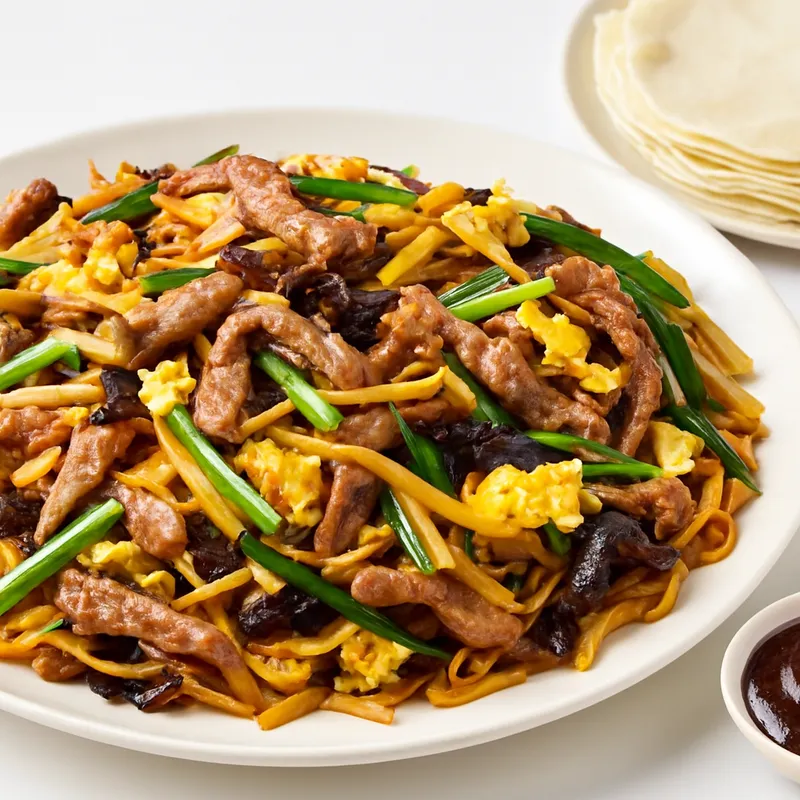
Stir-frying is a high-heat cooking method using a wok to quickly cook ingredients, emblematic of Chinese culinary techniques.
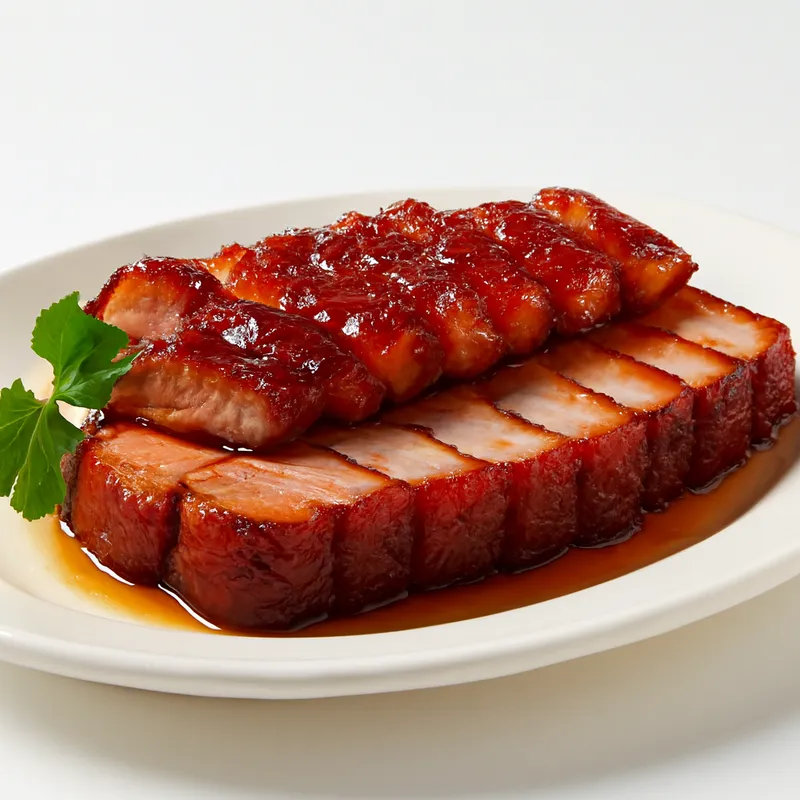
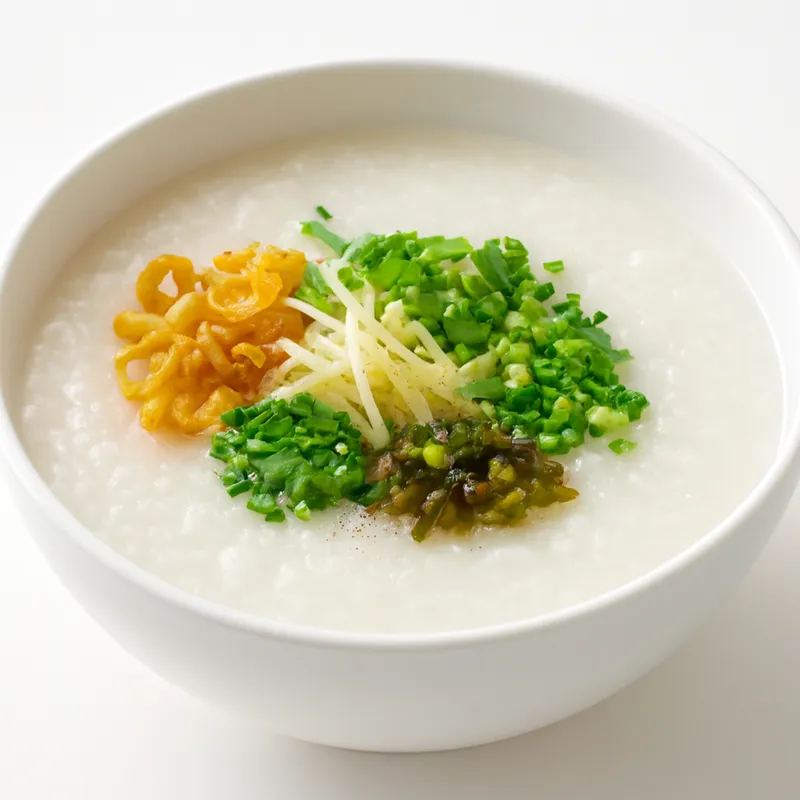
View page →A Chinese table is a range of textures and tastes, a bustling marketplace of dishes that demand attention and curiosity. Picture yourself nibbling on succulent Char Siu Bao, the tender pork enveloped in a sweet, fluffy bun, while your chopsticks hover over the glistening Braised Pork Belly Shanghai-style, its layers a array of fat and lean, simmered to perfection with star anise and soy. The table spins to reveal fresh cloud ear fungus salad, its crunch contrasting with the silky warmth of a bowl of Century Egg Congee, a masterclass in umami.
The Palate
What makes it taste like itself
Start Here
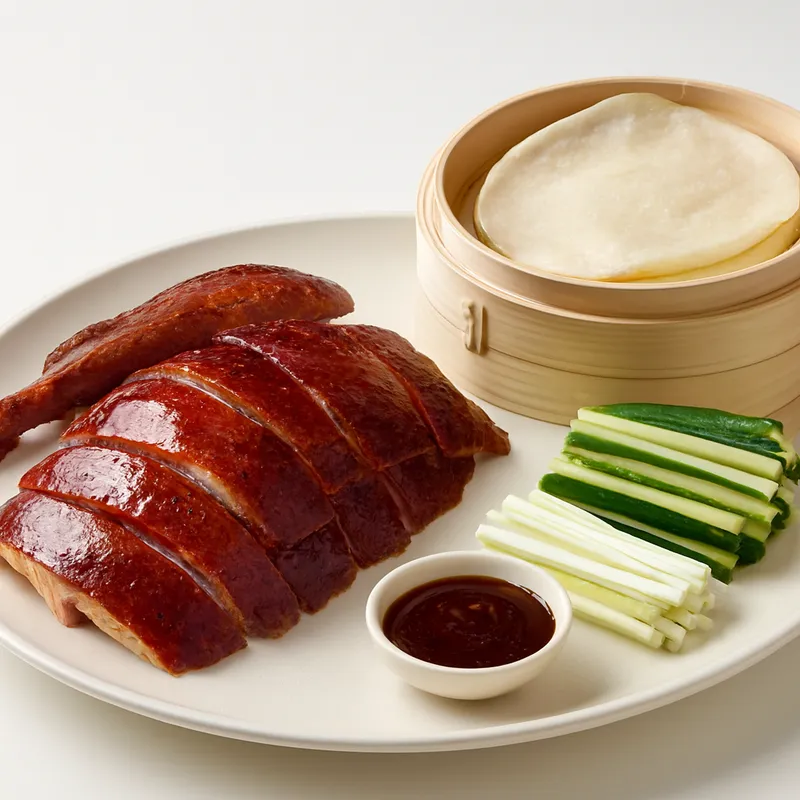
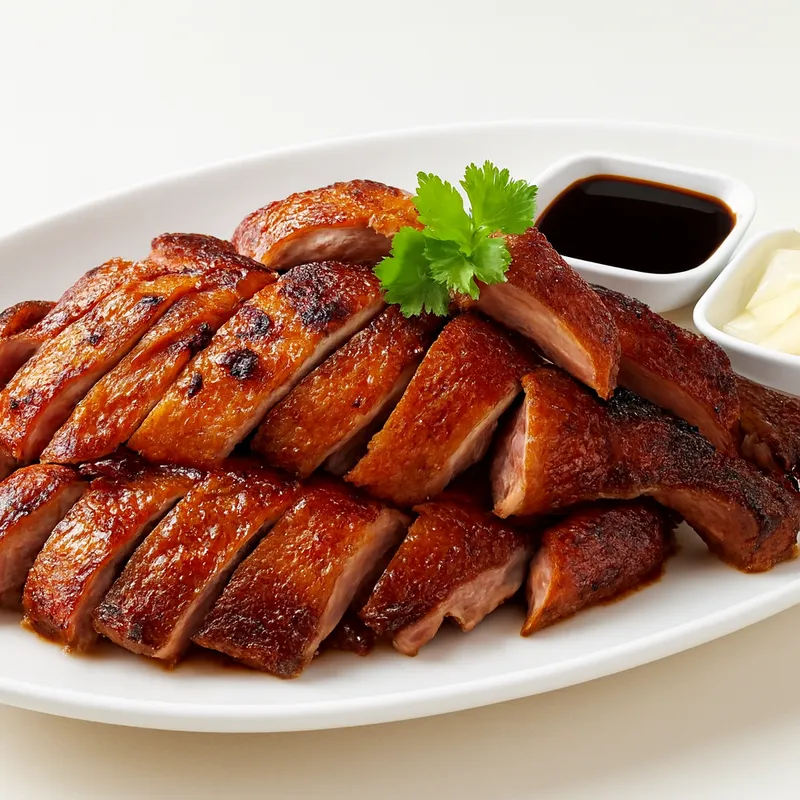
The iconic dish of Beijing, where crisp skin meets tender meat, wrapped in delicate pancakes with hoisin sauce.
Why start here · It shows off the art of roasting and a fine balance of texture—crisp, soft, and savory.
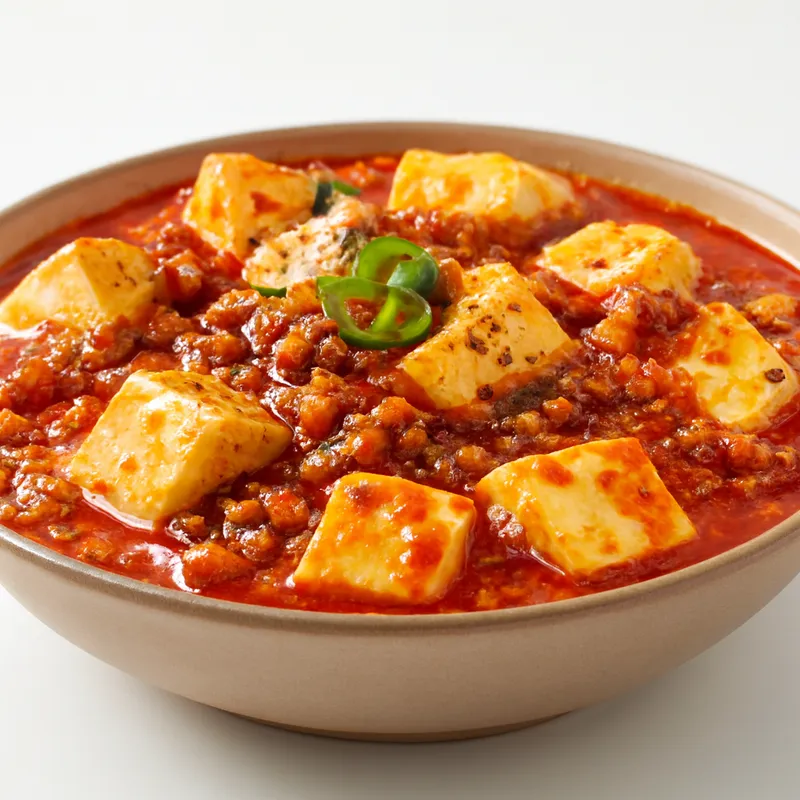
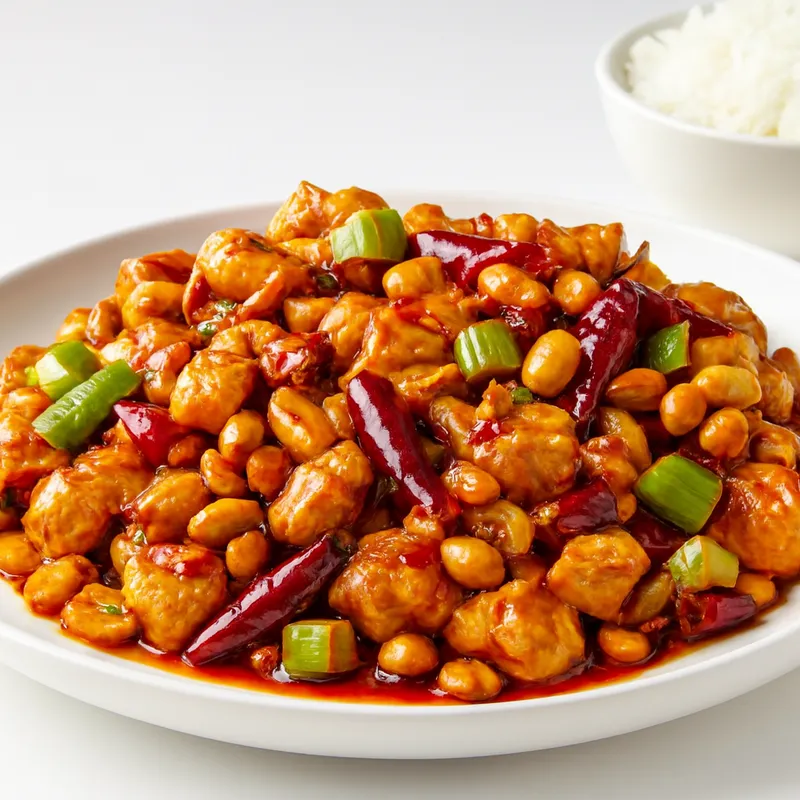
A Sichuan classic that dances on the palate with its fiery spice and numbing Sichuan peppercorns.
Why start here · Teaches the importance of málà—spicy and numbing—a cornerstone of Sichuan cuisine.
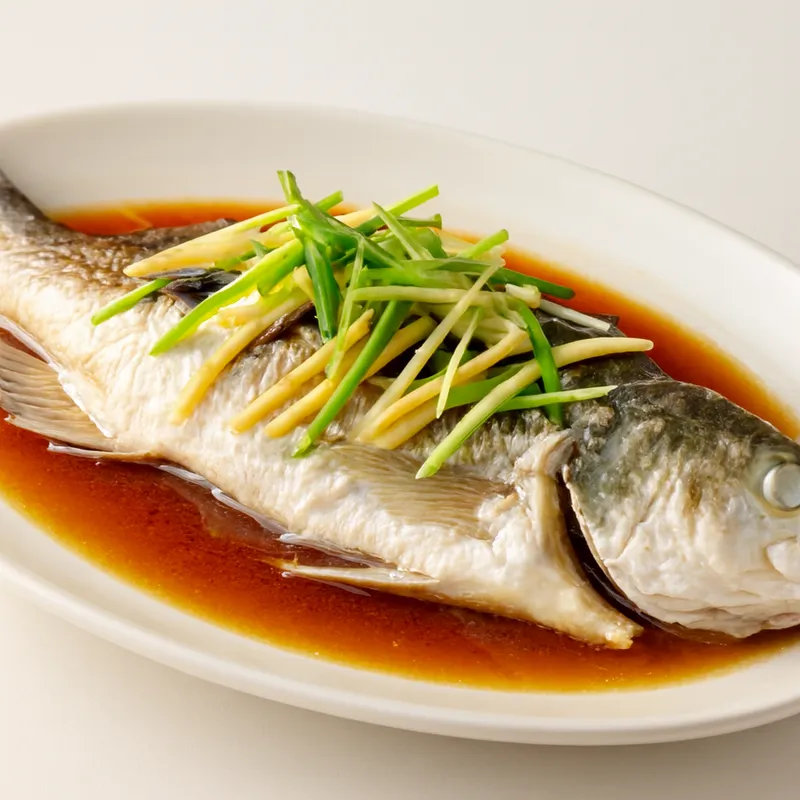
A Cantonese delicacy that highlights the freshness of fish with minimal seasoning, often ginger and scallions.
Why start here · Demonstrates the Cantonese principle of letting ingredients shine through simplicity.
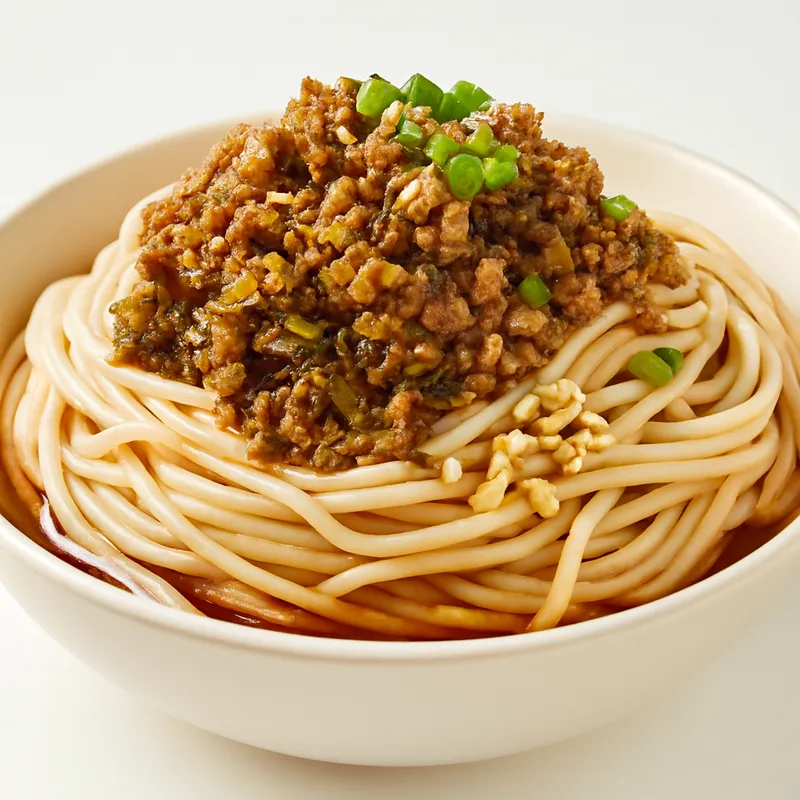
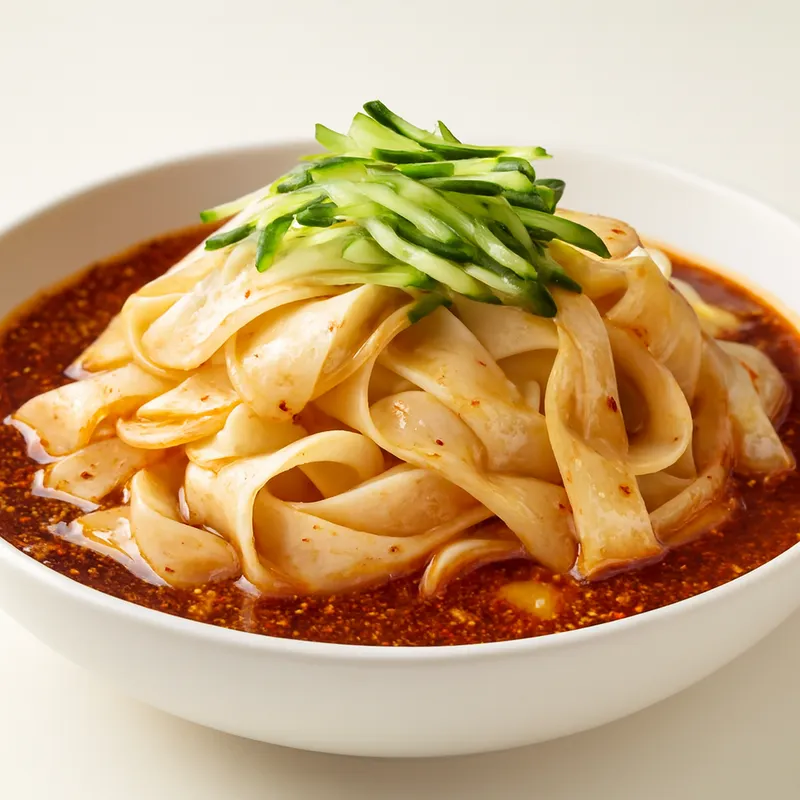
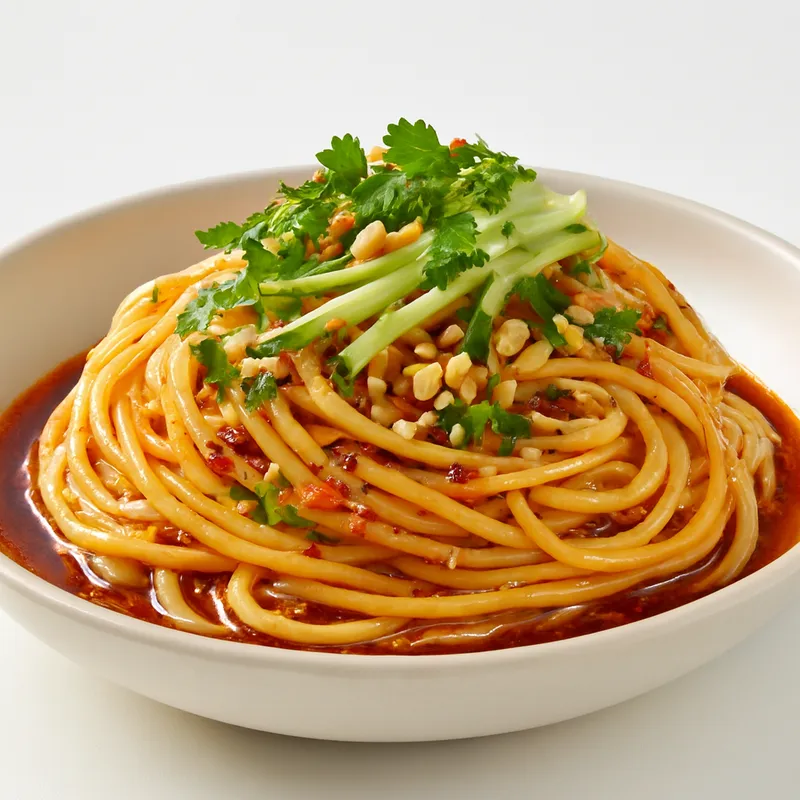
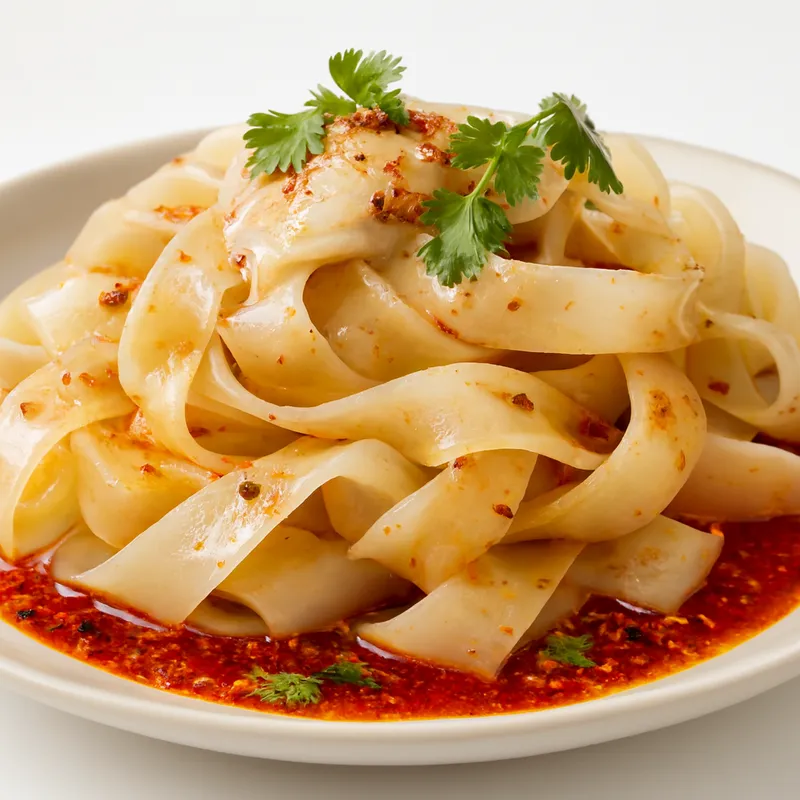
A Chengdu street food staple, these noodles are an addictive tangle of spicy, savory, and nutty flavors.
Why start here · They introduce you to the play of flavors characteristic of Sichuan street eats.
Cook First
The easiest way in
The Pantry




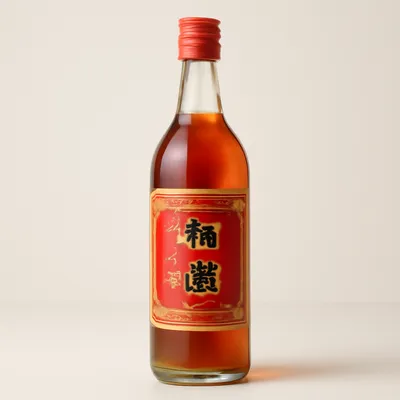



See all 1000 ingredients›
Proteins

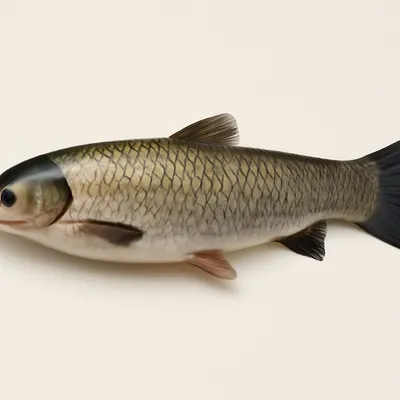


Vegetables


Fruits


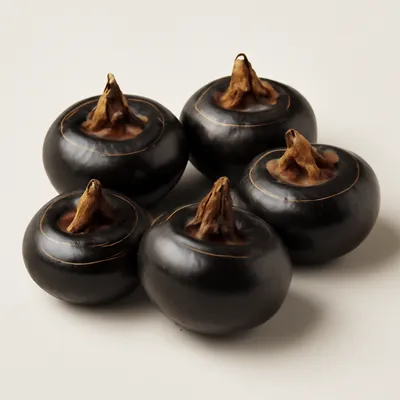


Herbs & Spices


Grains & Staples


Dairy & Fats



Sauces & Condiments


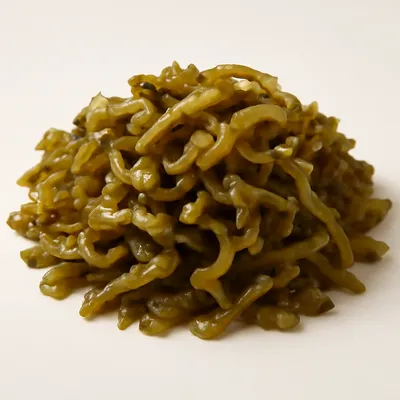




Regions
Each region has its own table. Tap a province to see its dishes.
Inside China, but their own tradition
Uyghur (Xinjiang, Turkic-Central Asian — pilaf, big-plate chicken, naan) and Tibetan (Himalayan — tsampa, butter tea, momo) sit within China's borders but are presented as their own top-level cuisines here because their culinary traditions are culturally distinct from any Han Chinese regional kitchen on this map.
Numbing-spicy heat built on Sichuan peppercorn and fermented broad-bean paste — bold, layered, unapologetic.
Fresh produce, live seafood, delicate steaming — taste the ingredient first.
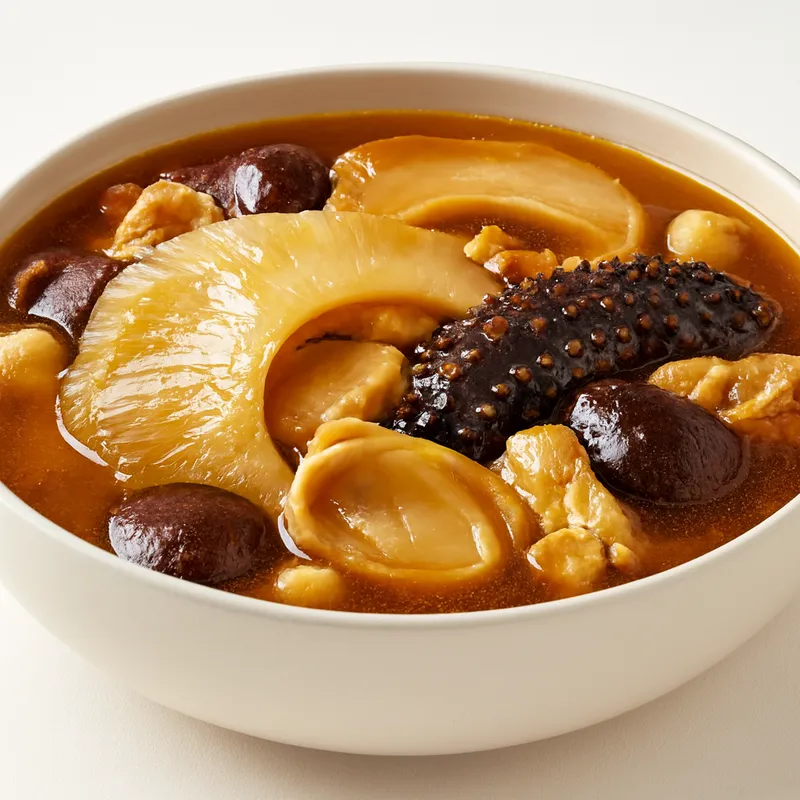
Mountain and sea together — dried seafoods, silken broths, Buddha Jumps Over the Wall.
Hearty stews, sour cabbage, guo bao rou — the food that survives winter.
Drier, sharper heat than Sichuan — smoked chiles and sour-pickled notes.
Northern seafood tradition, clear broths, knife-work learned from imperial kitchens.
Precision knife-skills, sweet-savoury balance, slow braising.
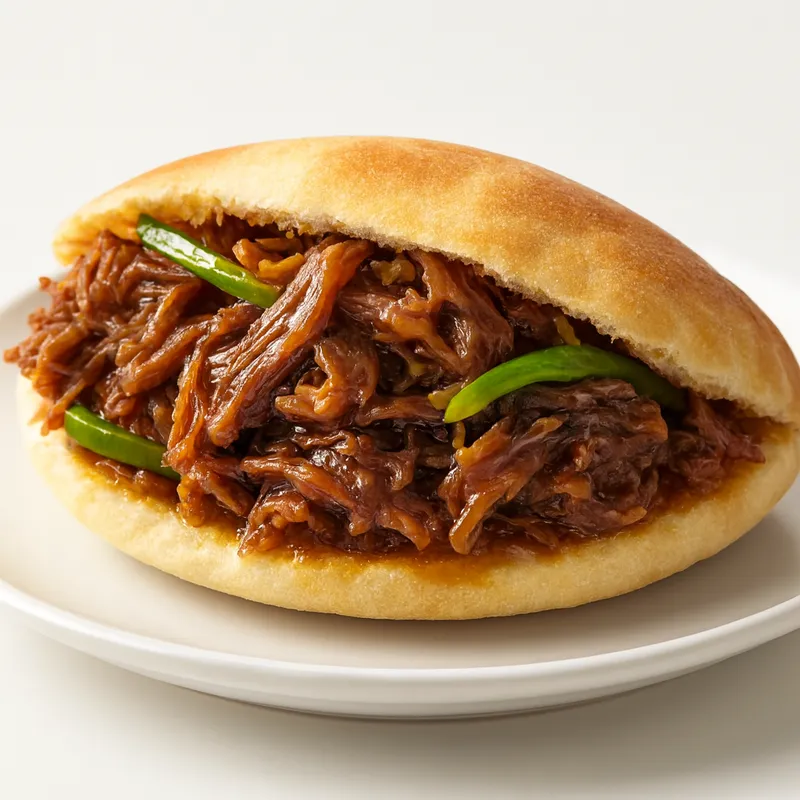
Wheat-and-lamb Silk-Road heart — biangbiang noodles, rou jia mo, Xi'an Hui-Muslim influence.
Southwest borderland — wild mushrooms, crossing-bridge noodles, 25-ethnic-minority kitchen.
Wild herbs, mountain mushrooms, and the fermented funk of stinky mandarin fish.
Light, bright, honest — West Lake fish, Dongpo pork, and the poetry of water towns.
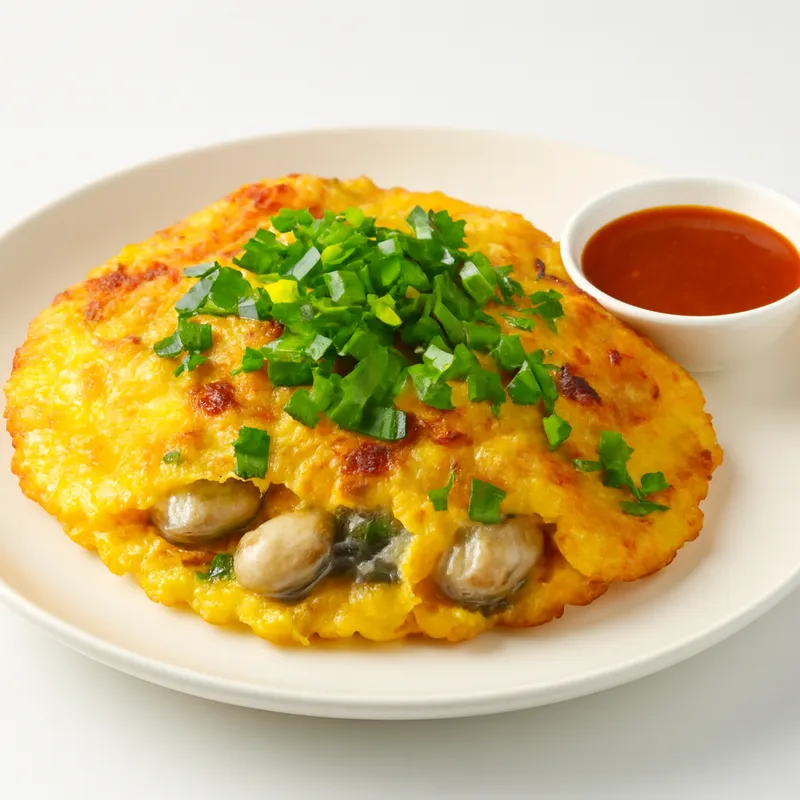
The refined seafood cooking of the Chaoshan plain — galangal-scented master-stock goose, hand-pounded beef balls and beef hotpot, raw-marinated crab and cockles, cold 'fish rice', oyster omelettes, and an endless family of steamed rice cakes (粿).
Imperial roasting, deep savoury broths, and the craft that defined palace banquets.
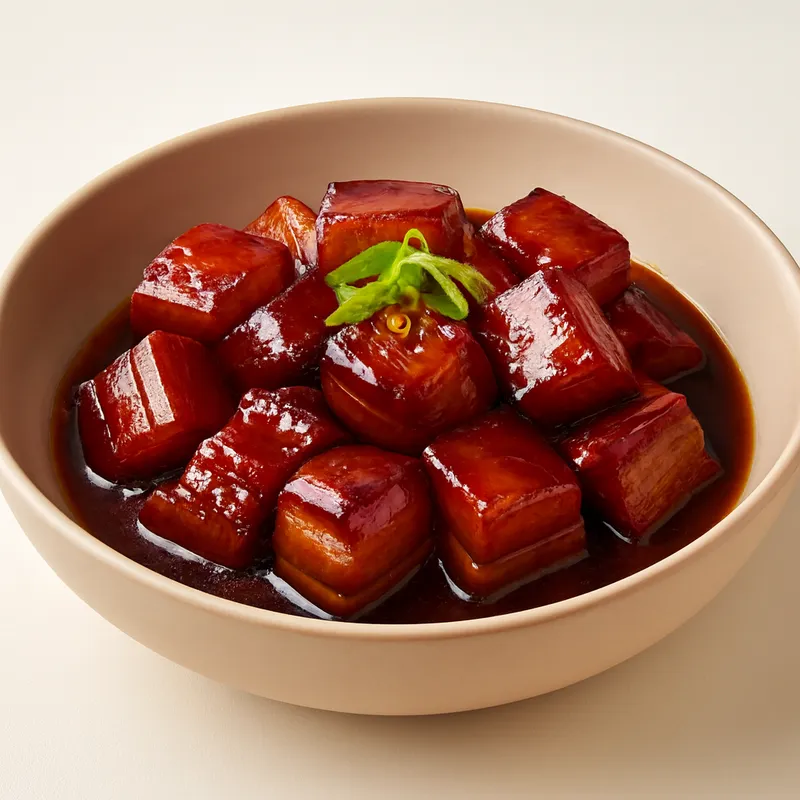
Sweet red-cooking, oil-rich, and the quiet confidence of 本帮 home cooking.
China's noodle heartland and the home of aged vinegar — knife-shaved noodles and a hundred other hand-formed pastas, oat 'kaolaolao', cured Pingyao beef, the vinegar-bright 'guoyourou', and Taiyuan's tonic breakfast 'tounao'.
Zhuang-minority sour-funk — Liuzhou snail noodles, Yangshuo beer fish, fermented bamboo.
Hexi-Corridor Silk Road — Lanzhou beef noodle, Hui-Muslim halal traditions.
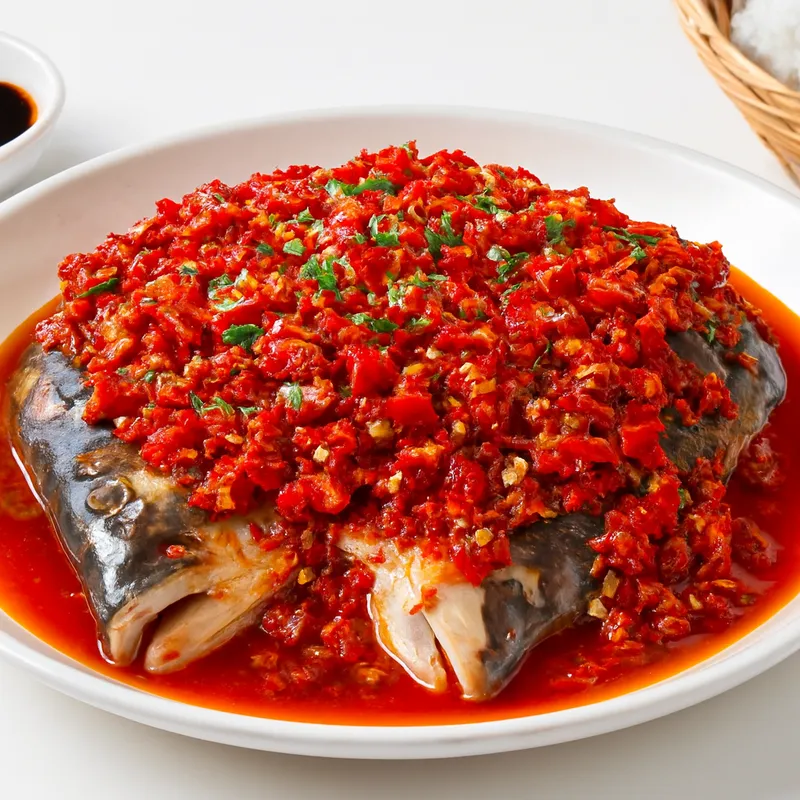
Mountain cooking built on sourness and fermented chili rather than the numbing heat of Sichuan — red sour-soup fish, fish-mint, pounded-chili 'laziji', rice-noodle bowls, and the silk-roll snacks of Guiyang.
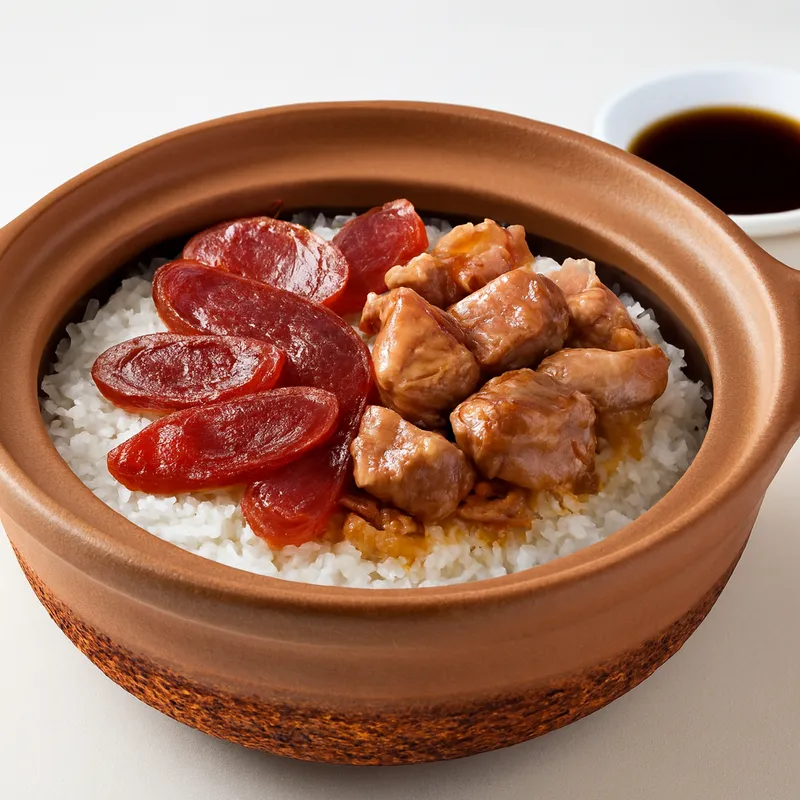
Sock-pulled milk tea, baked pork chop rice, dim sum perfected — Cantonese rewritten by colonial trade.
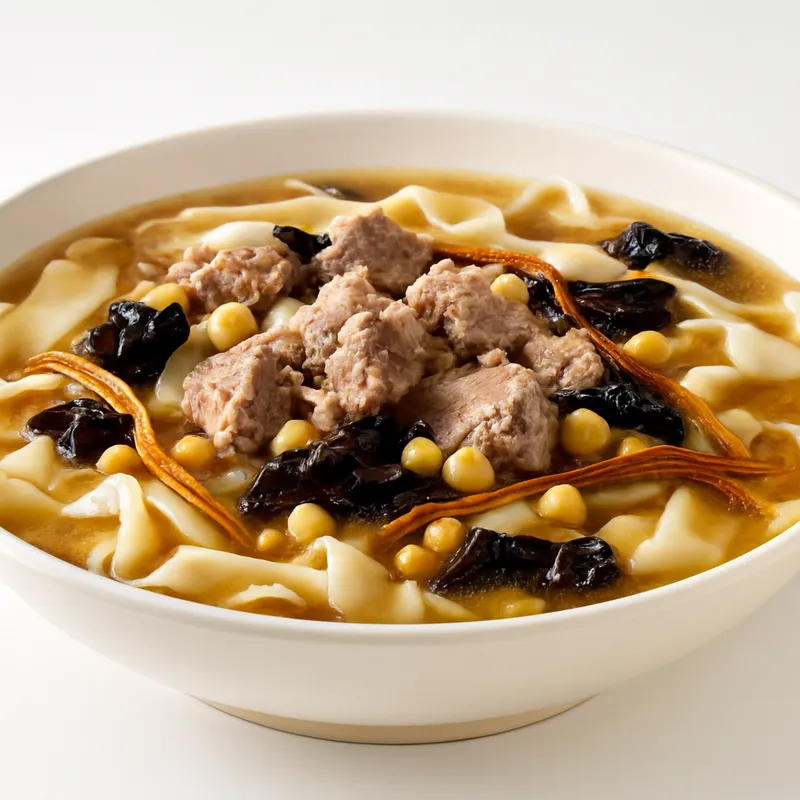
Central-plains imperial heart — hu la tang at dawn, Henan stewed noodles, Song dynasty heritage.
Central freshwater fish kitchen — Wuhan re-gan-mian, Wuchang fish, sanxian doupi.
The cooking that rings the capital, in three streams: the Zhili governor's banquet cuisine of Baoding (crispy wrapped pork knuckle, governor's tofu), the donkey-meat sandwich of Baoding and Hejian, and the frontier game and lamb of imperial Chengde.
Fresh-hot rather than numbing cooking from the Gan River basin — clay-pot urn soups, blood duck, artemisia with cured pork, smoked bamboo, and a deep tradition of rice noodles.
The river-and-sea cooking of the treaty port at the mouth of the Hai River, where nine rivers drain to the gulf. It runs to the steamed-bun craft of Goubuli, the breakfast crepe jianbing guozi, the fried sweets of the city's 'Three Wonders,' and a wok line of fierce, oil-bright stir-fries like lao bao san.
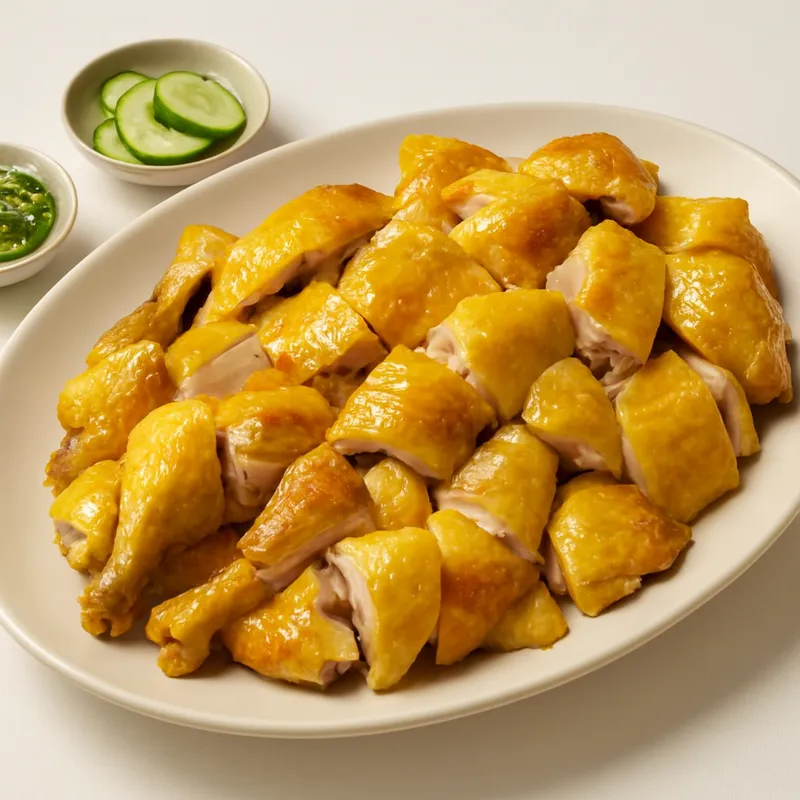
Tropical island — Wenchang chicken, coconut hotpots, South-China-Sea seafood.
The thrifty, salt-loving cooking of the migrant Hakka — stuffed tofu and stuffed vegetables (酿), salt-cured and salt-baked poultry, preserved mustard greens, rice-wine chicken, and a whole family of rice-flour 粄 cakes and thunder tea.
How They Cook
Techniques that define this cuisine
See 25 more techniques›
The wok is your wand, transforming ingredients quickly over high heat; each movement infuses flavor.
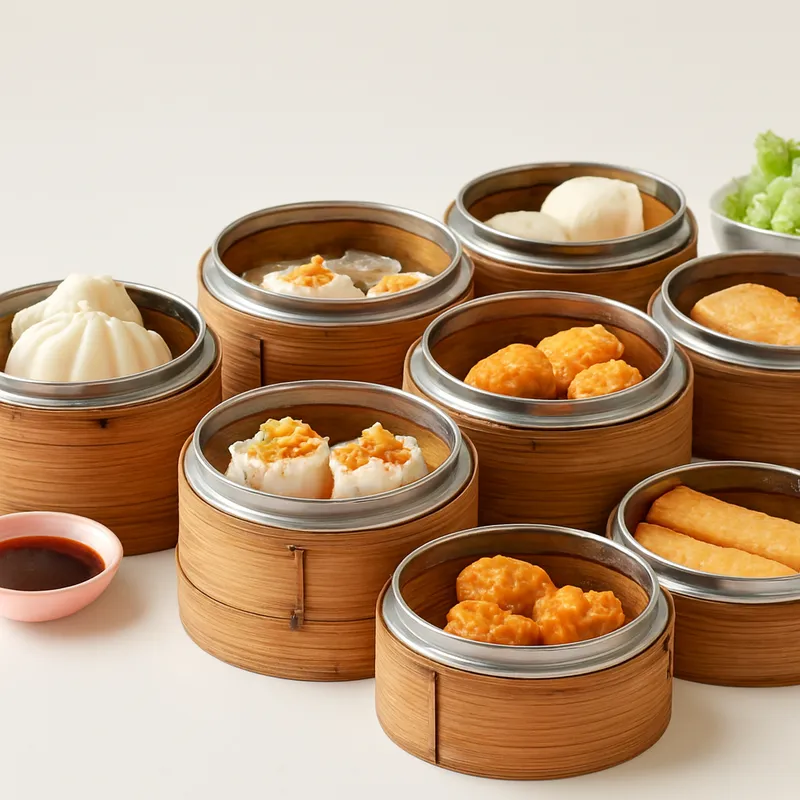
Steaming in Chinese cuisine respects the purity of ingredients, enhancing without overpowering.
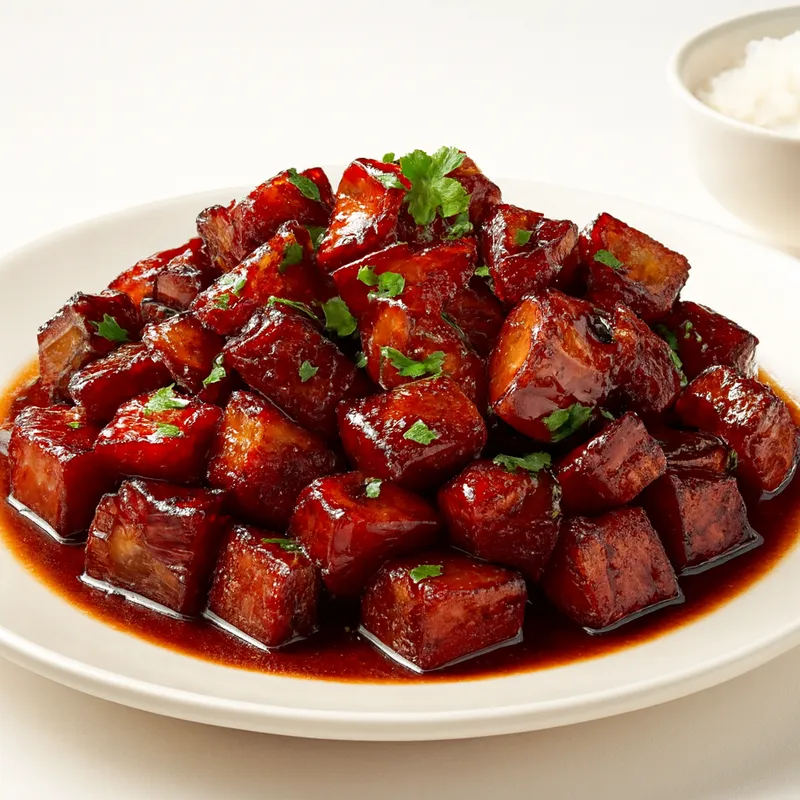
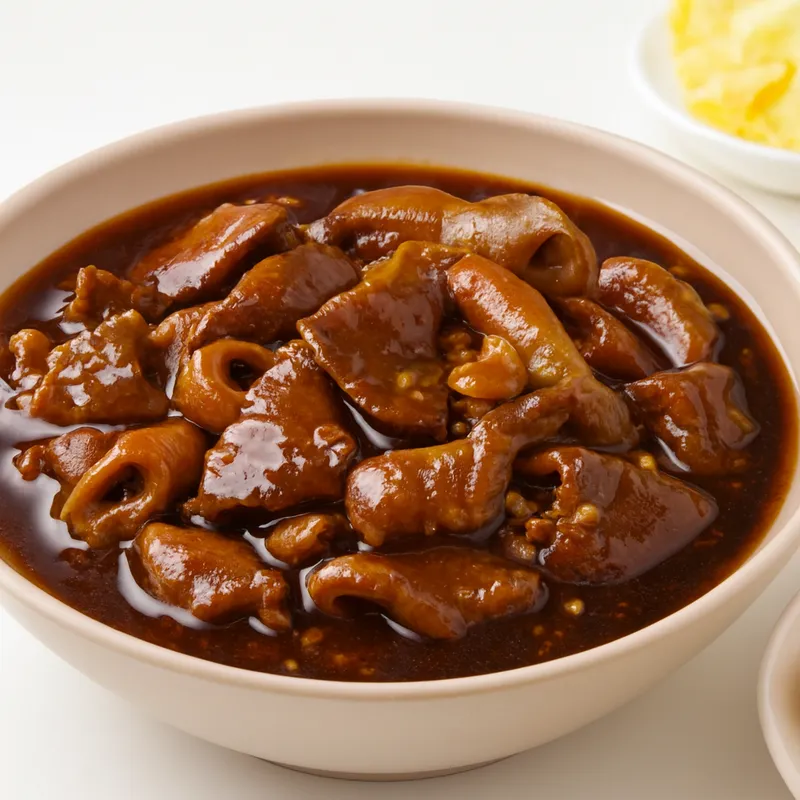
Braising here means coaxing flavors over time, often layering complex sauces like in Red Braised Pork Belly.
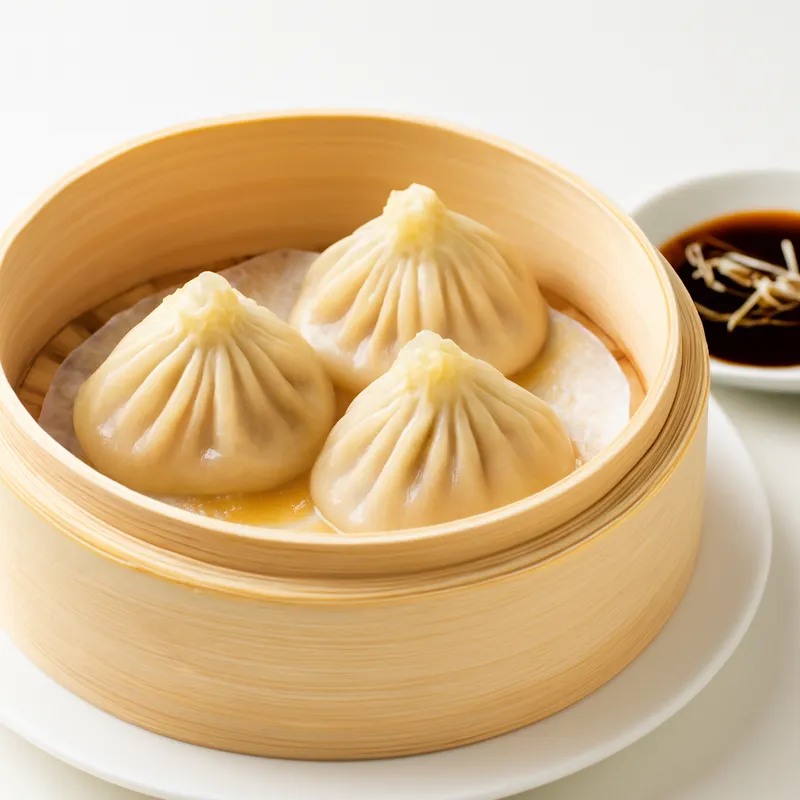
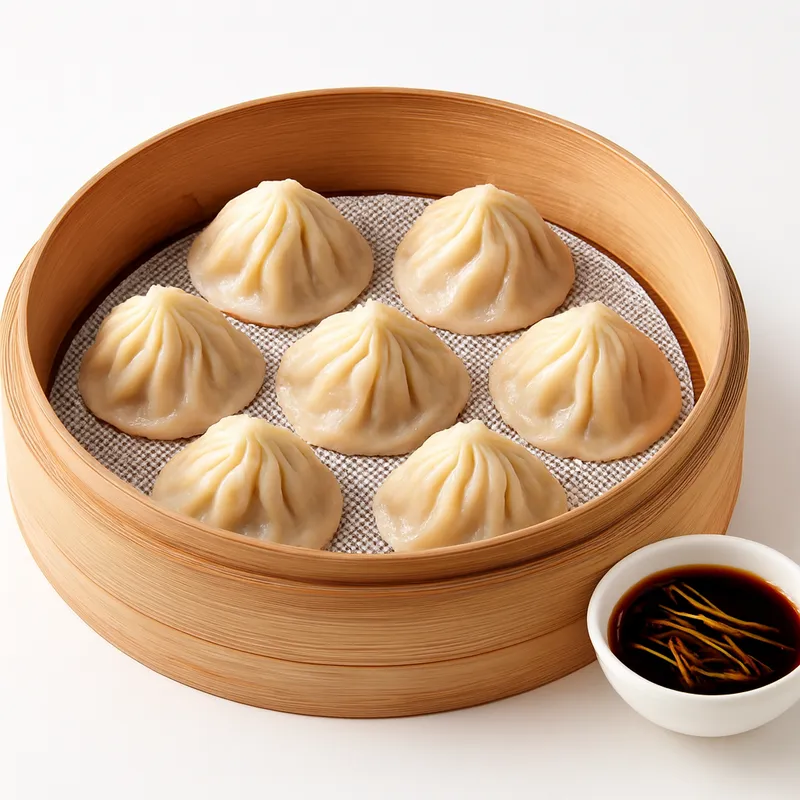
Chinese kneading for xiaolongbao involves a bamboo rolling pin to achieve the perfect thinness for the dough, ensuring a delicate yet sturdy wrapper.
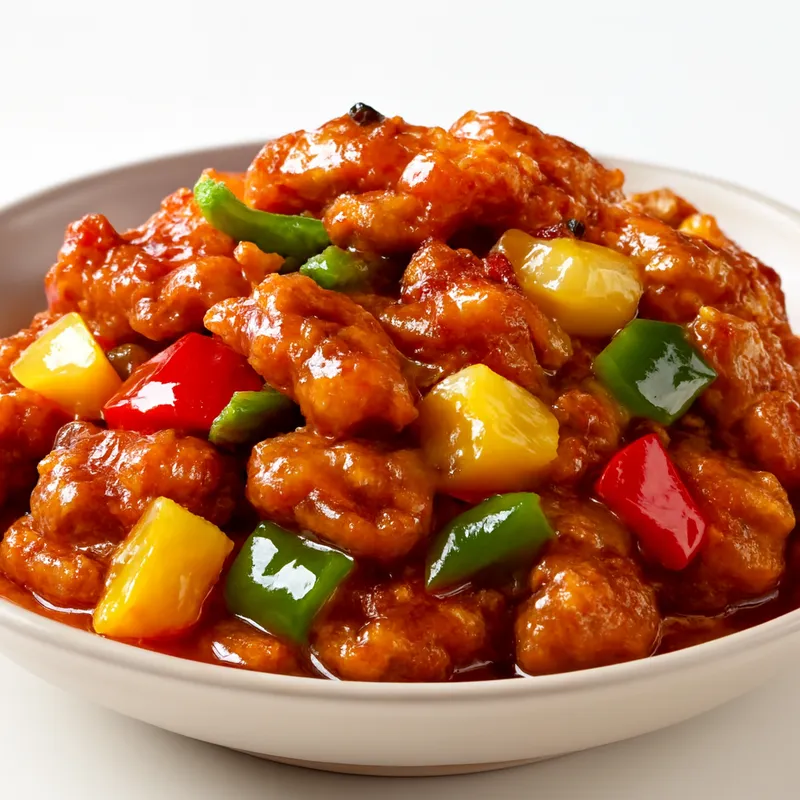
Chinese deep frying often uses a wok to quickly crisp Sweet and Sour Pork before tossing it in a tangy sauce.
Chinese hot pot involves boiling a communal pot of broth at the table, letting diners cook raw ingredients to their liking in real-time.
Chinese hot pot simmers a variety of meats and vegetables in a communal pot, allowing diners to cook and flavor their own ingredients in real-time.
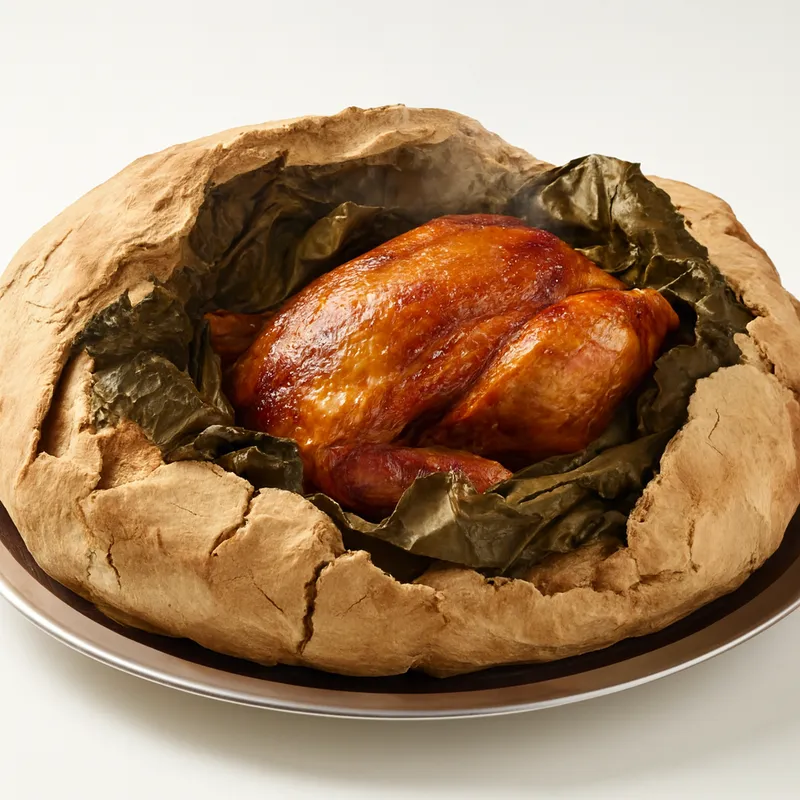
Chinese roasting uses open-air hanging ovens for Peking Duck, allowing the skin to crisp evenly while the meat stays juicy.
Kindred Kitchens
Cuisines built on the same signature ingredients
Signature Dishes (1792)
Browse all 1792 dishes›
Drinks
26


Starters
119
















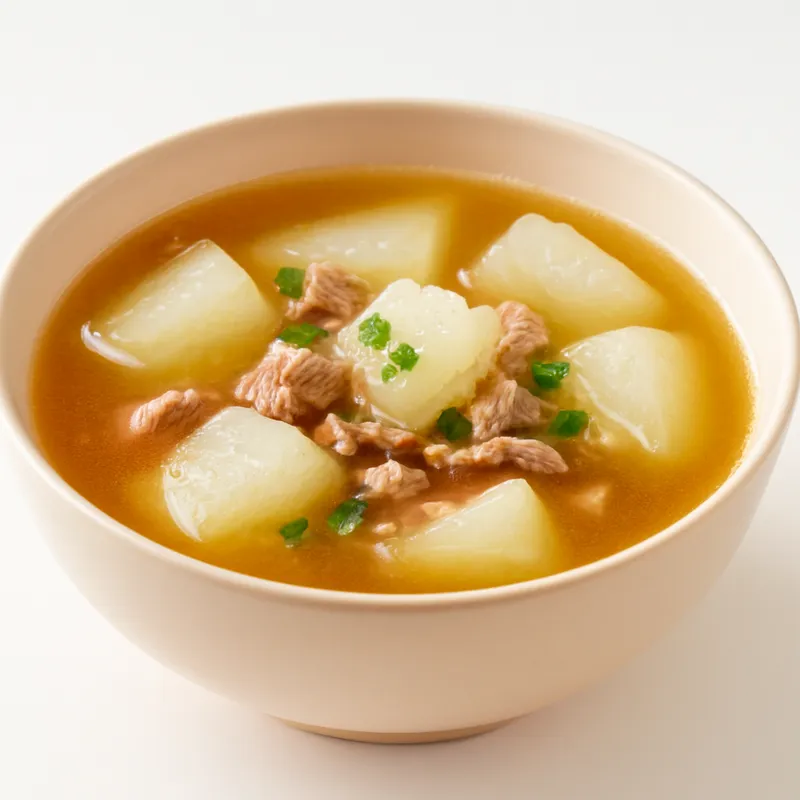
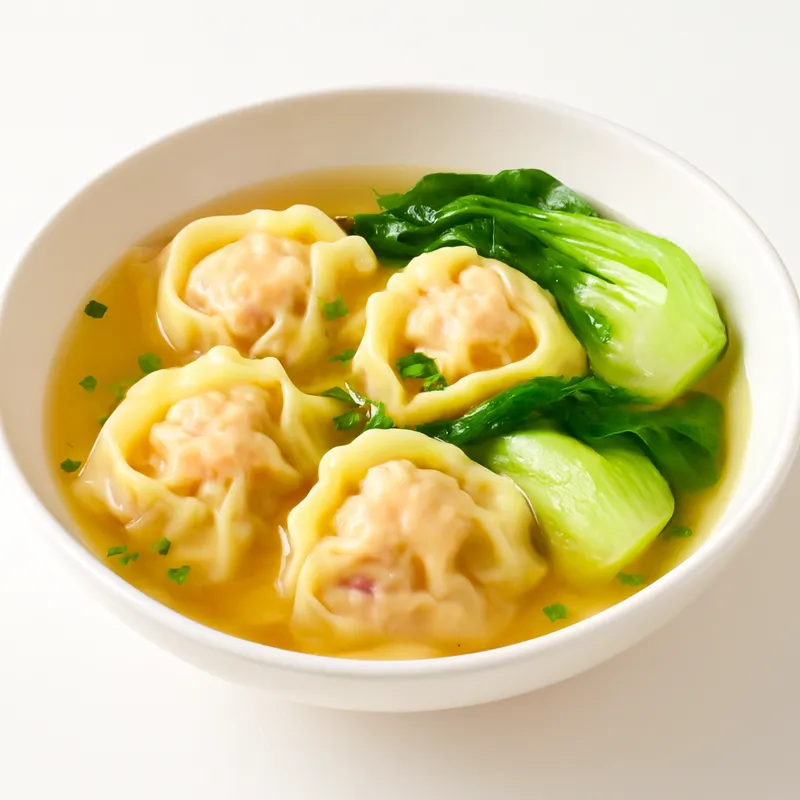
Soups
108


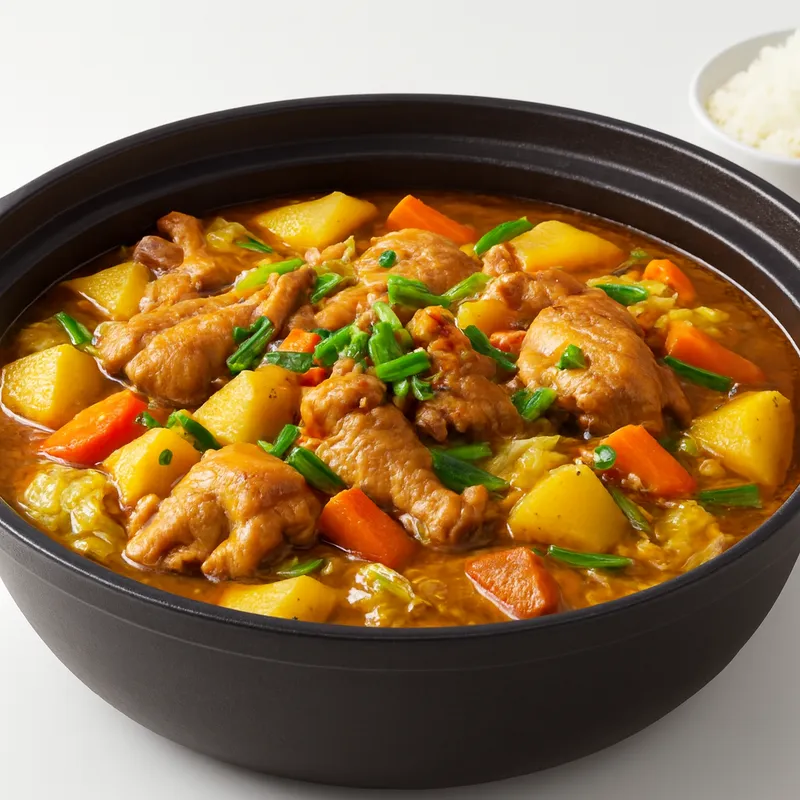


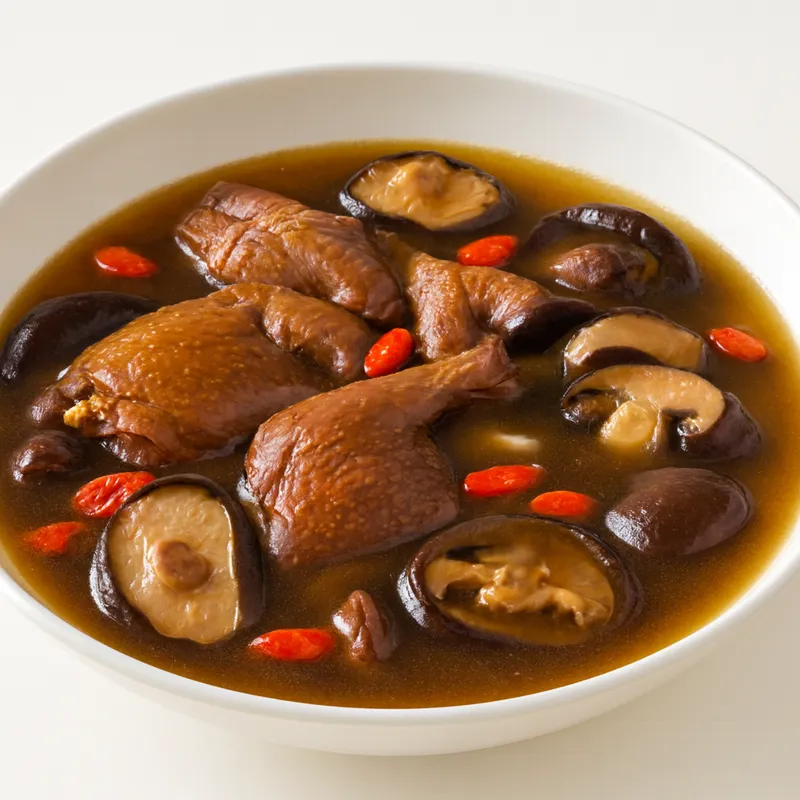


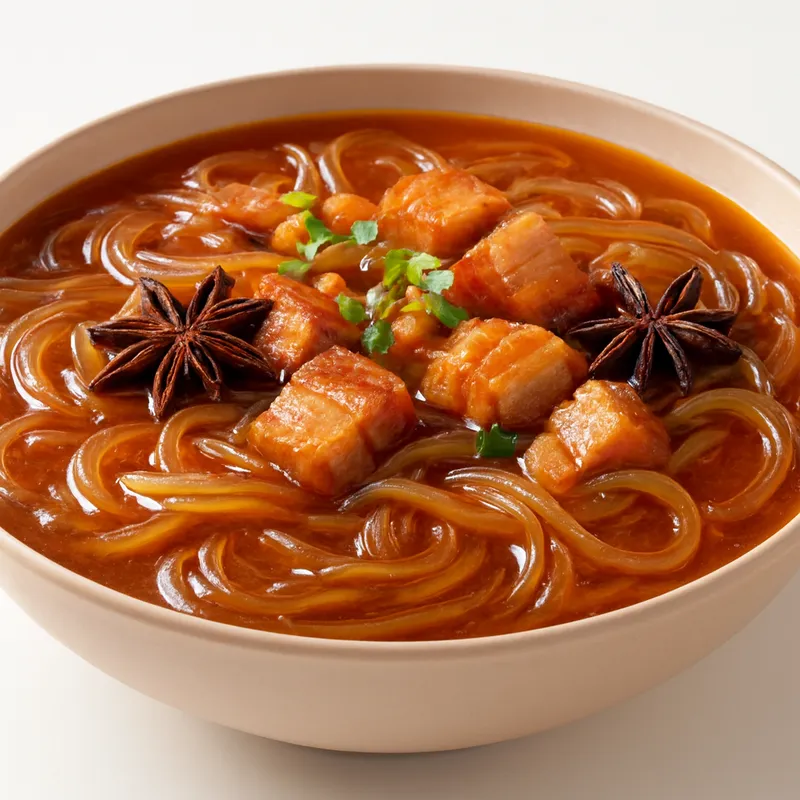


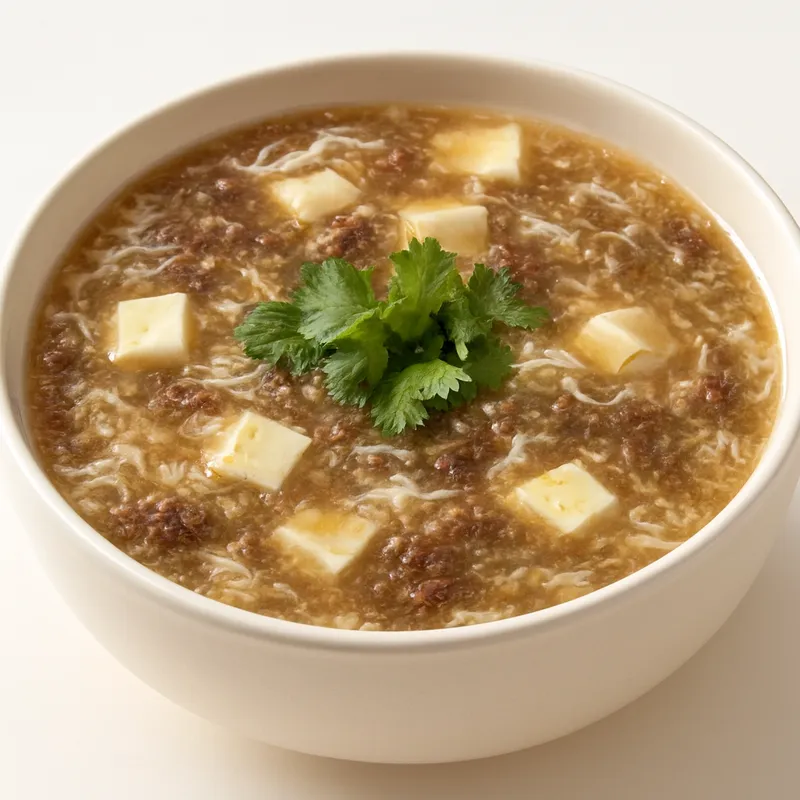





Mains
882






















































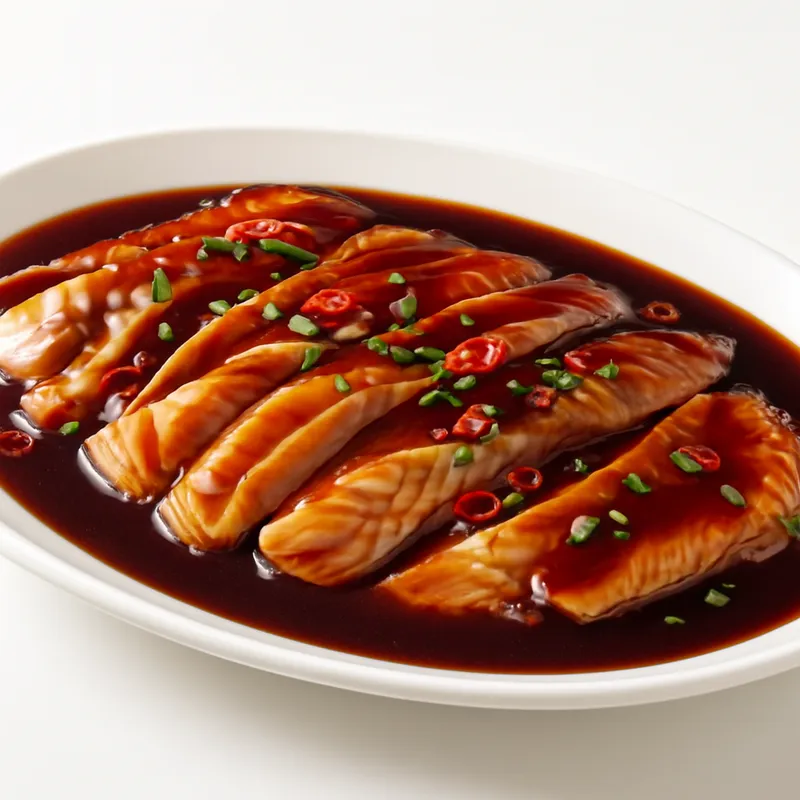


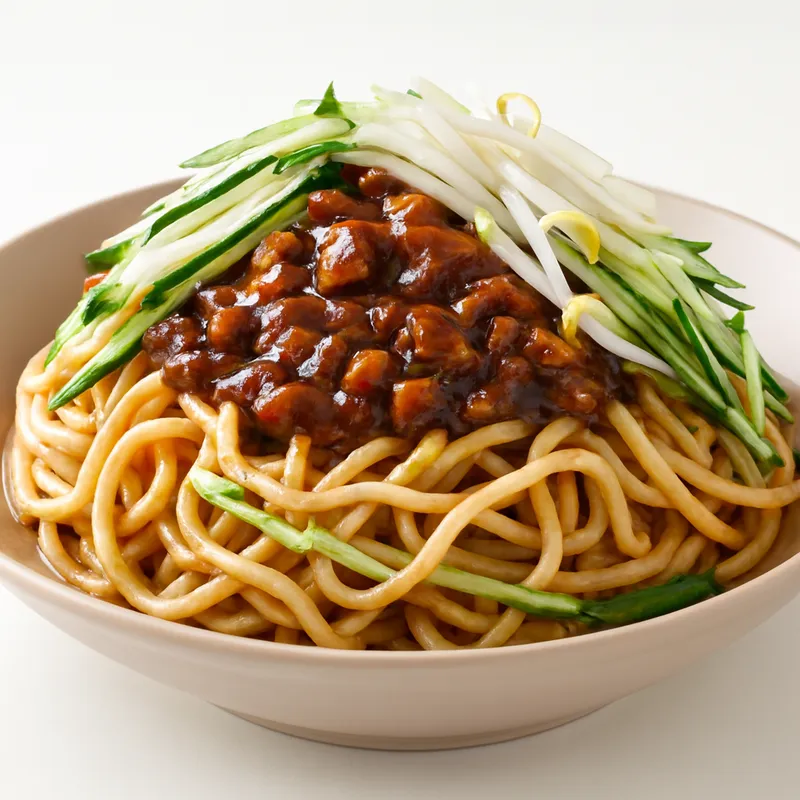


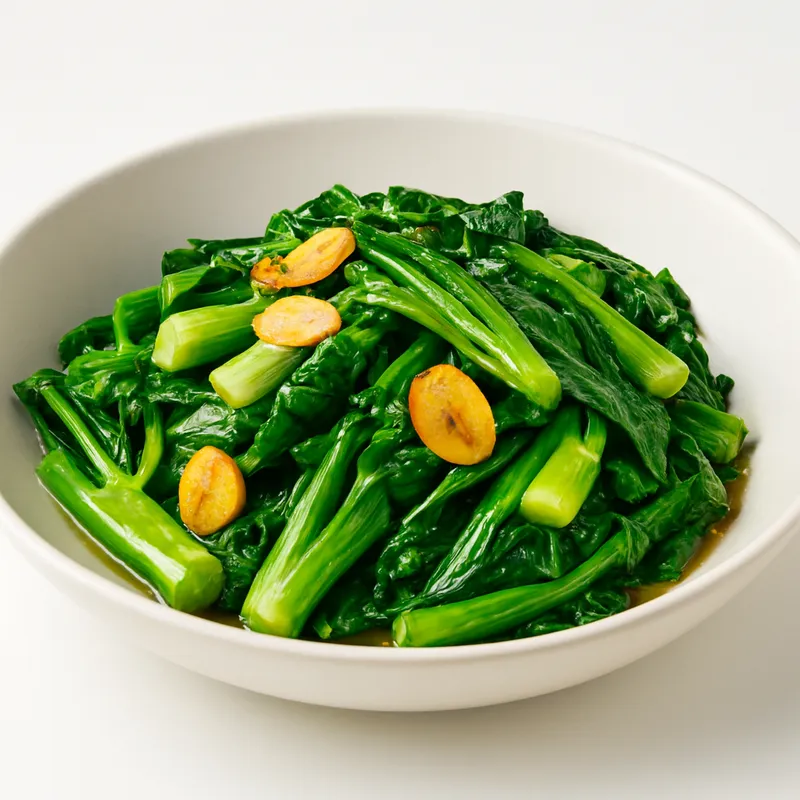
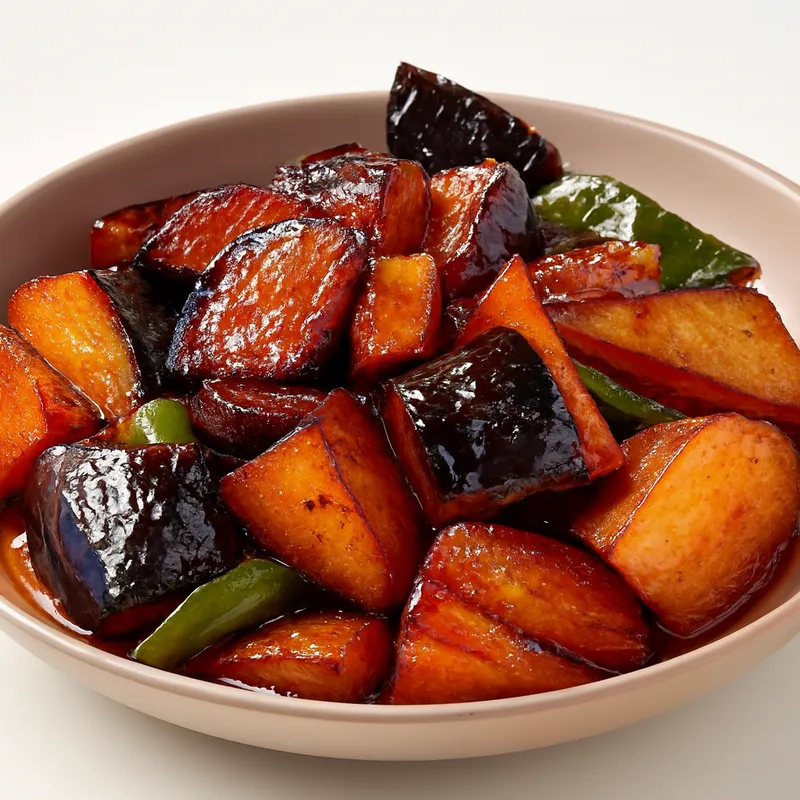
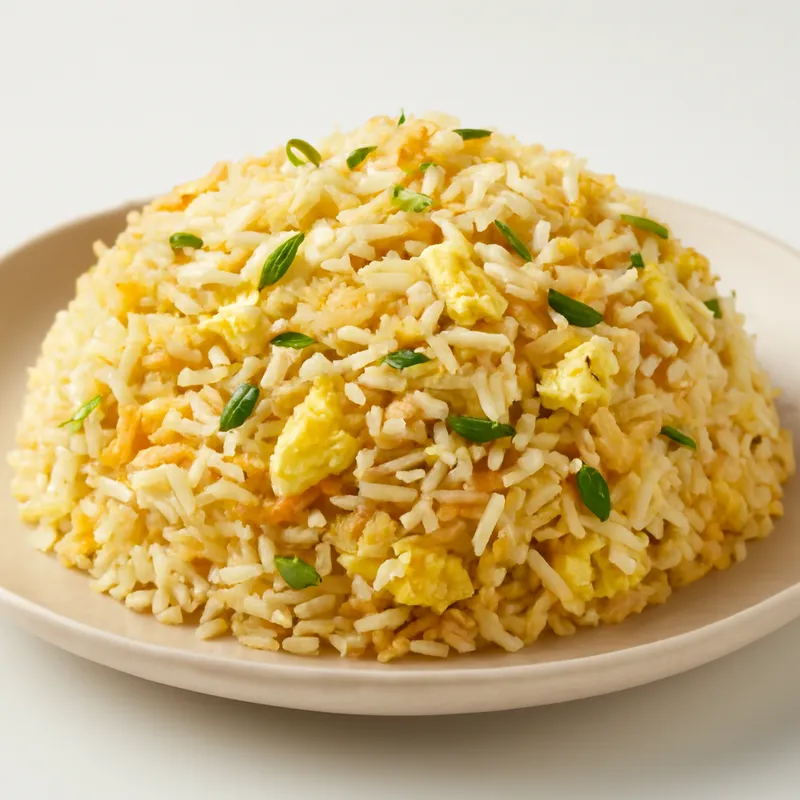
Sides
93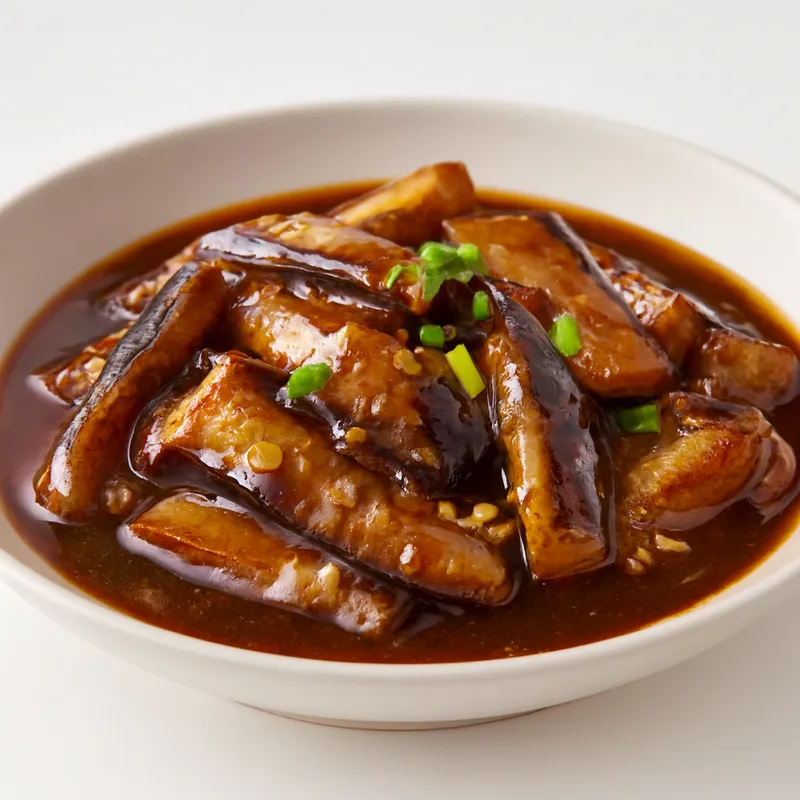

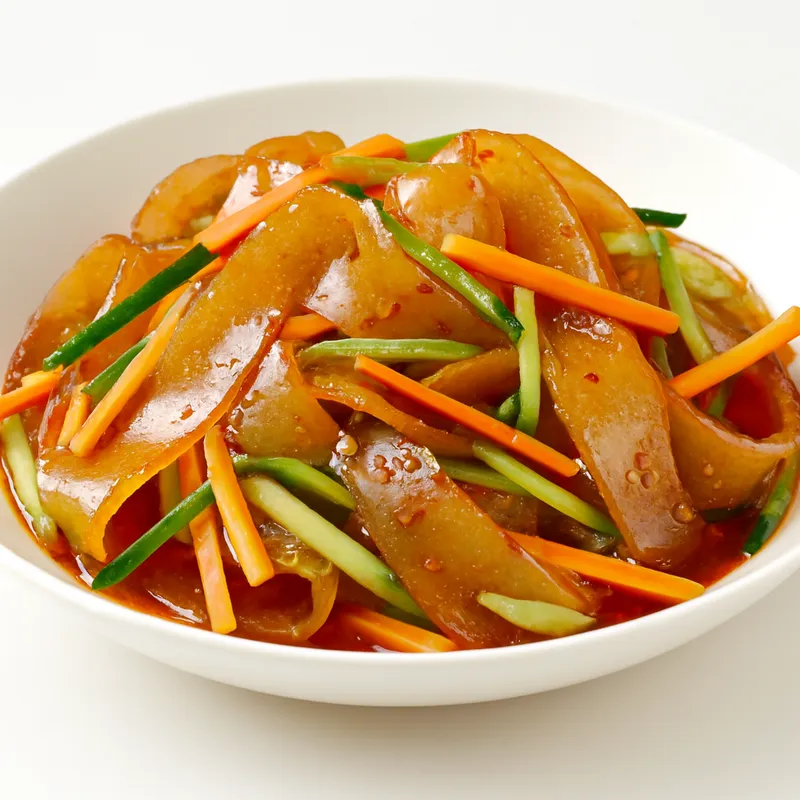





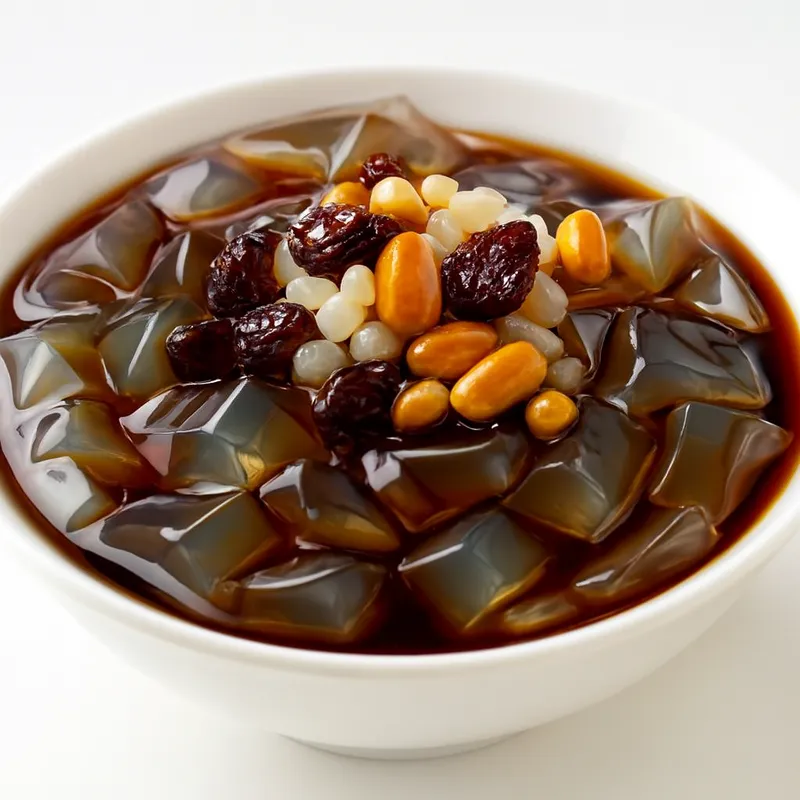
Sweets
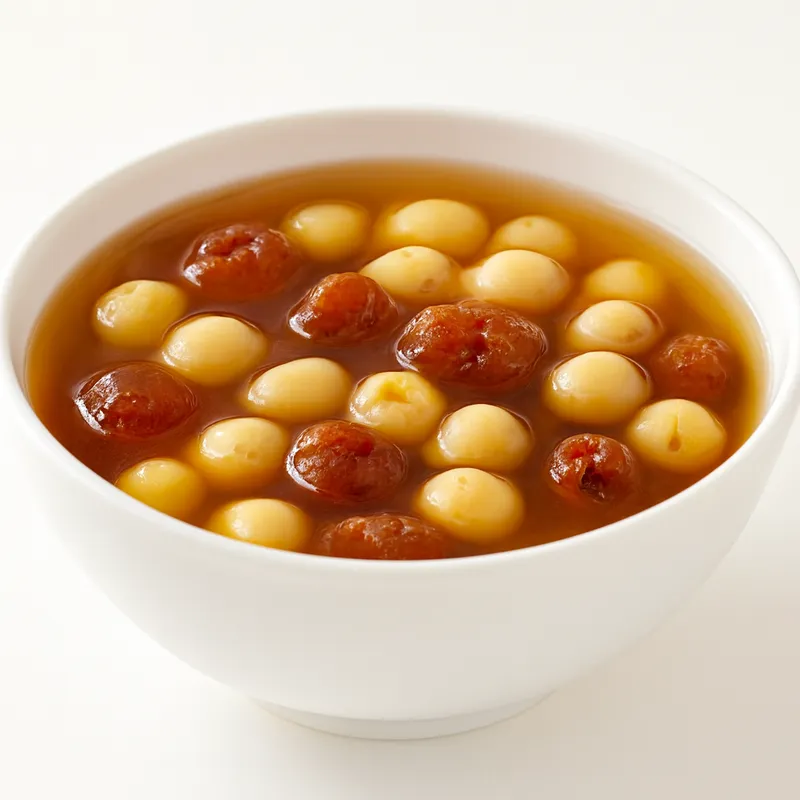
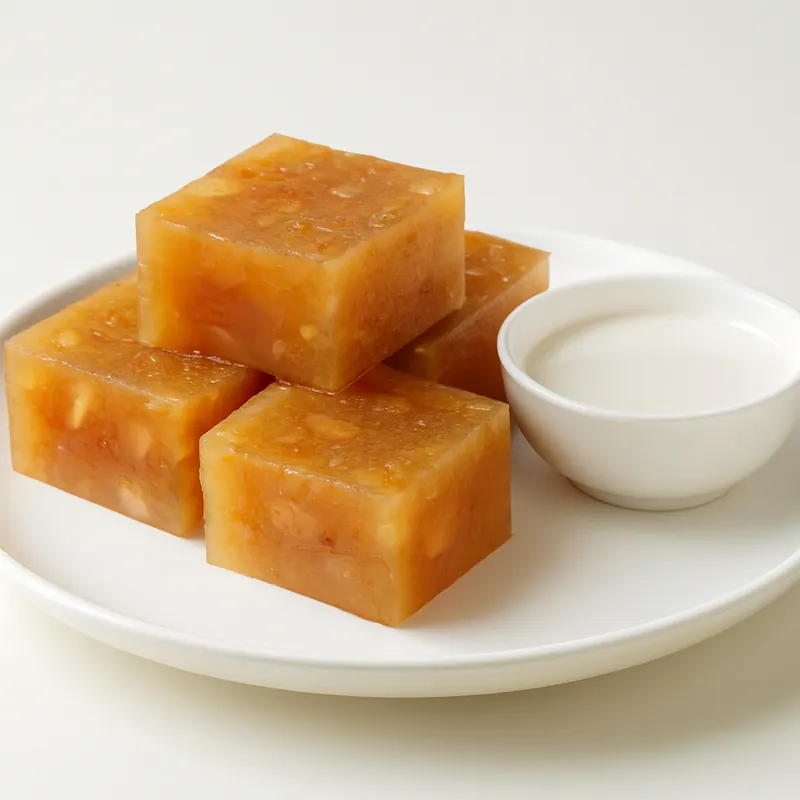
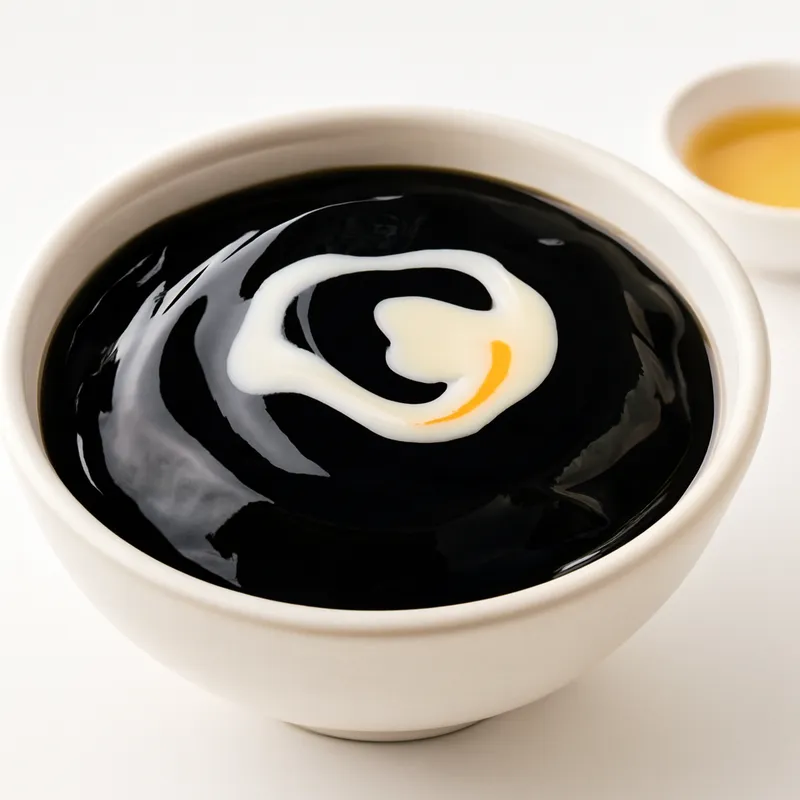
120









Snacks
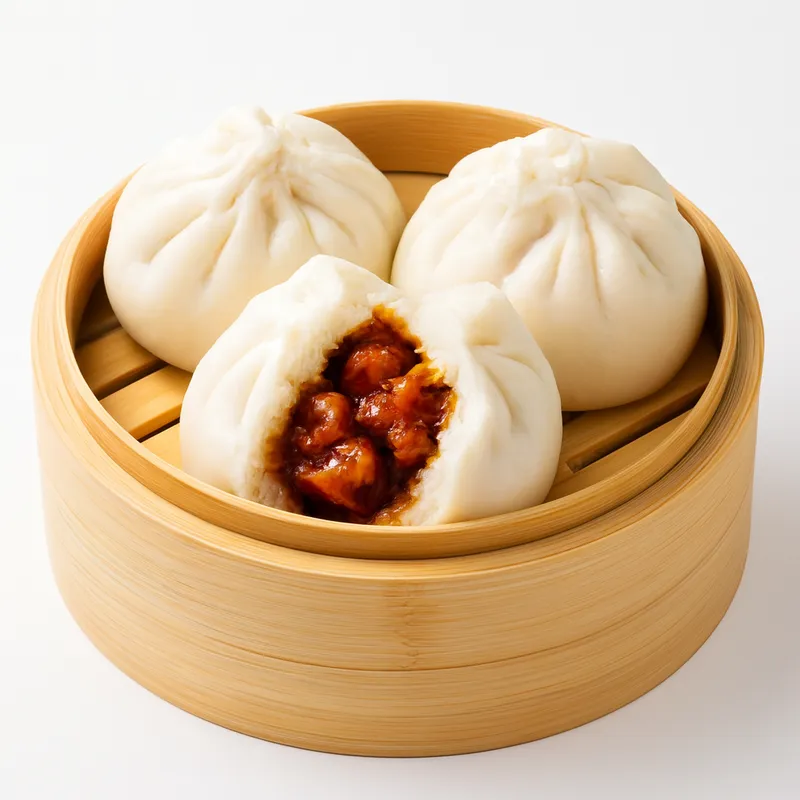
296















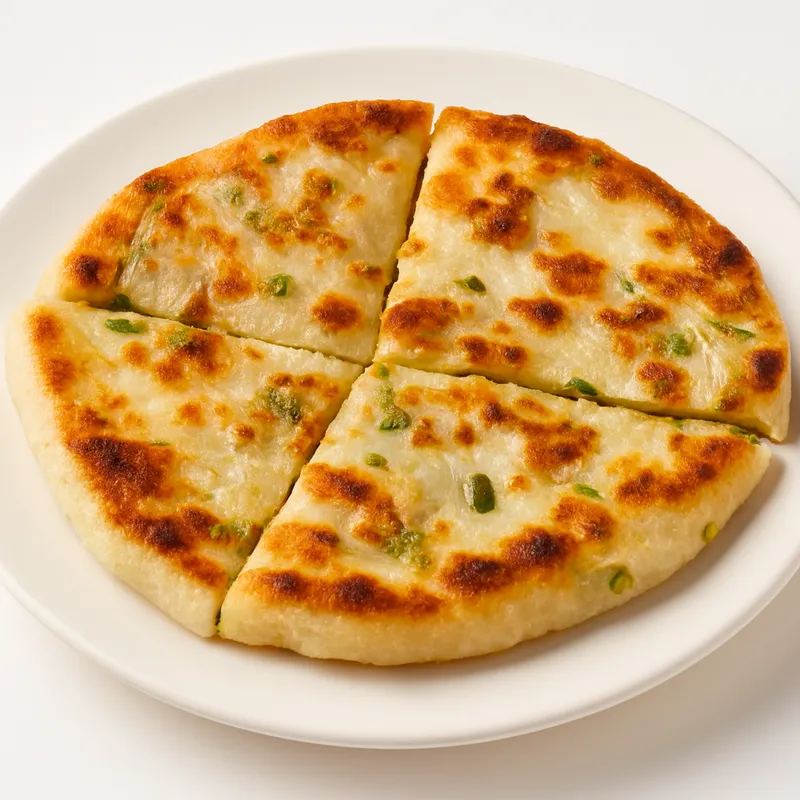

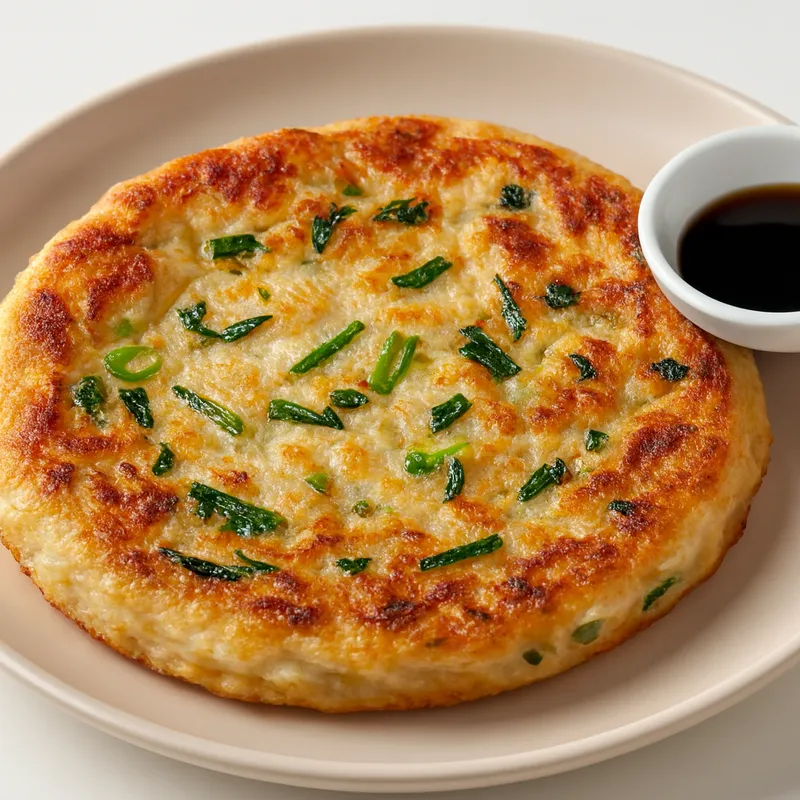


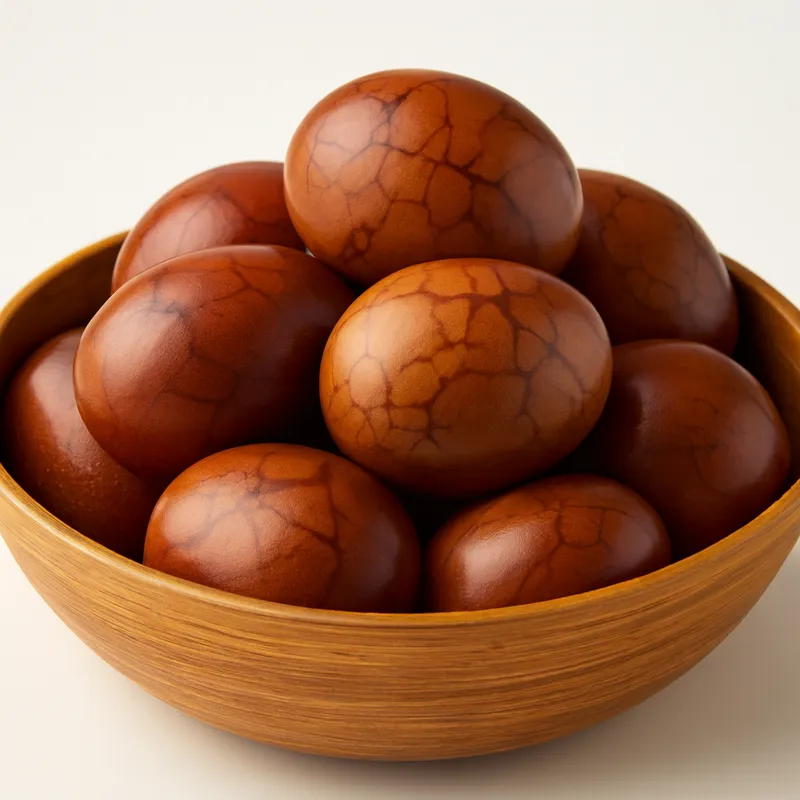


Breakfast
97






Condiments & Pastes
25


Breads
26


