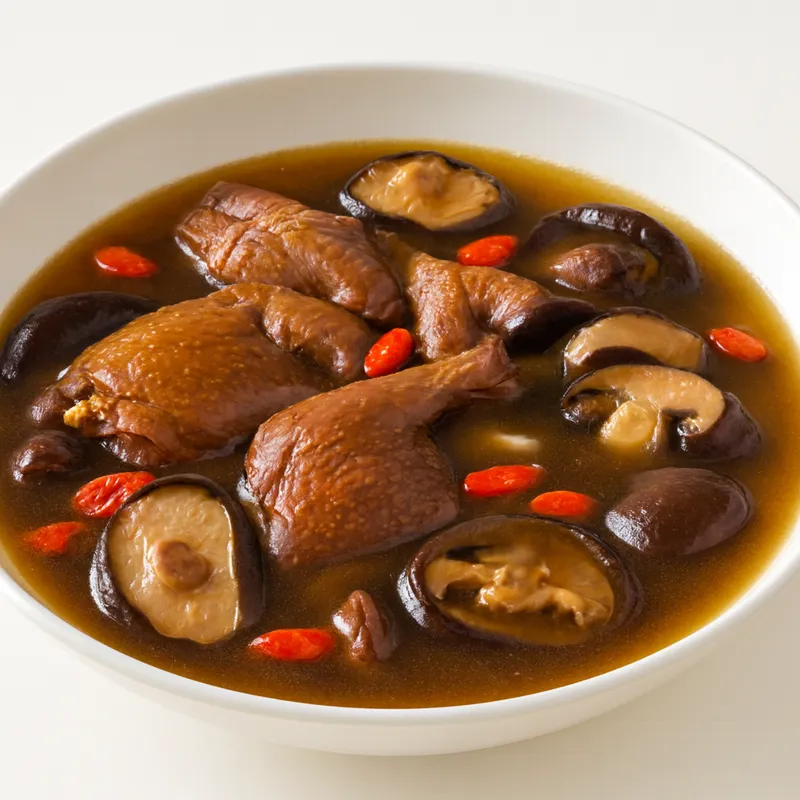
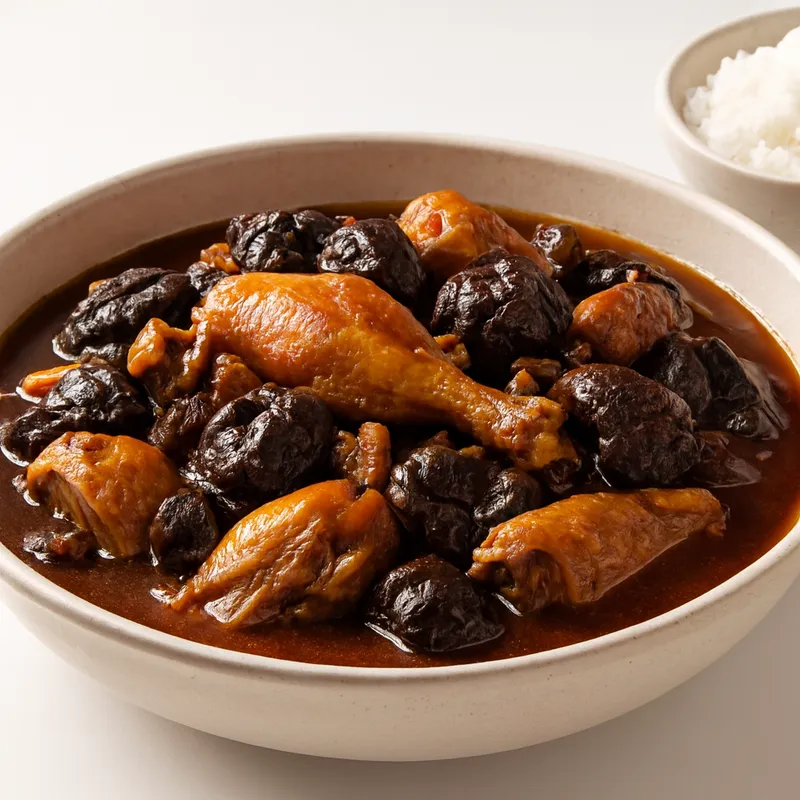
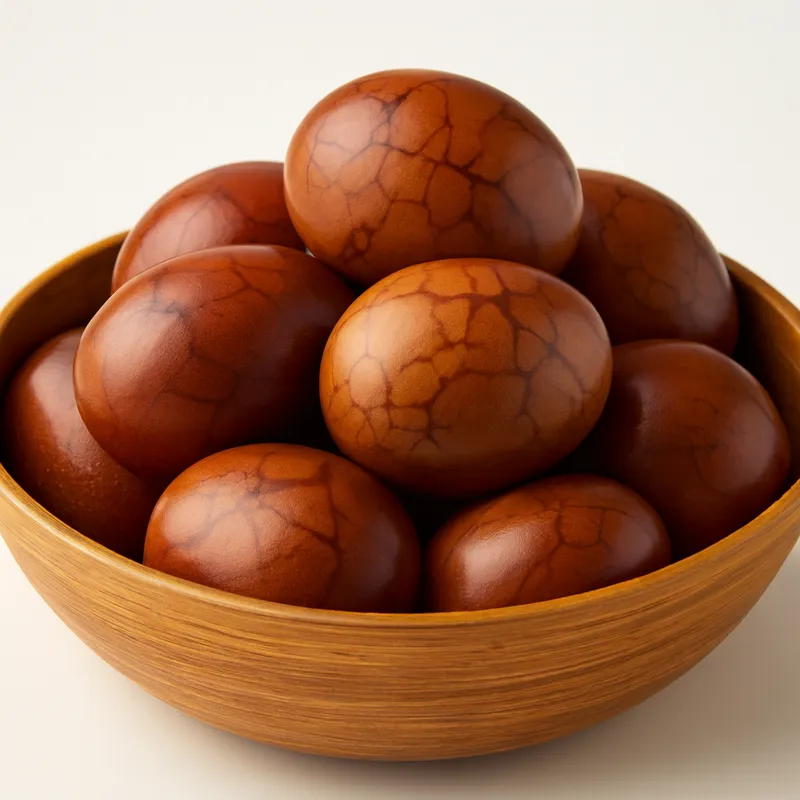
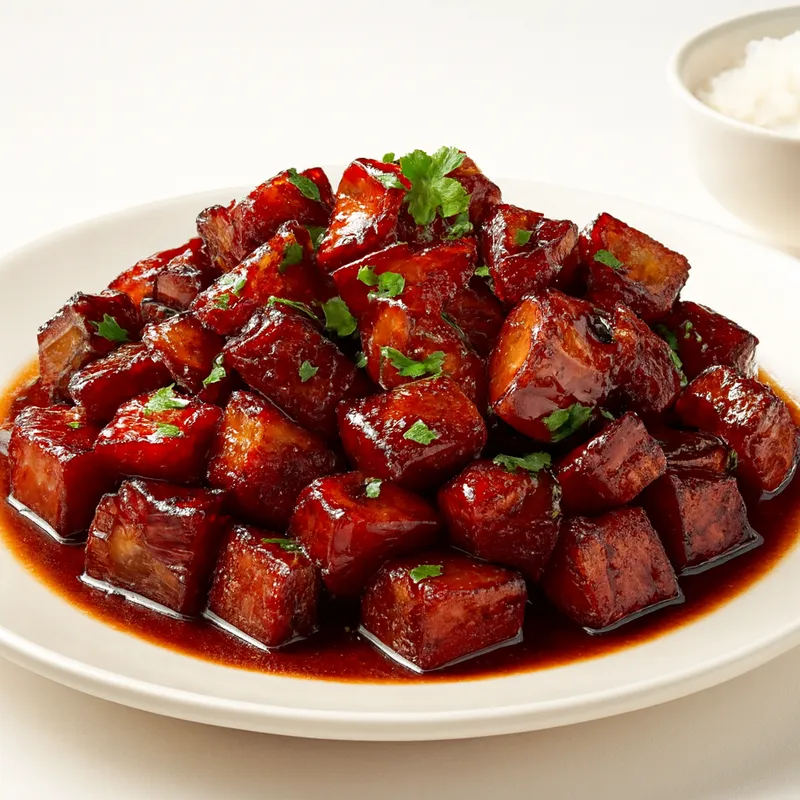
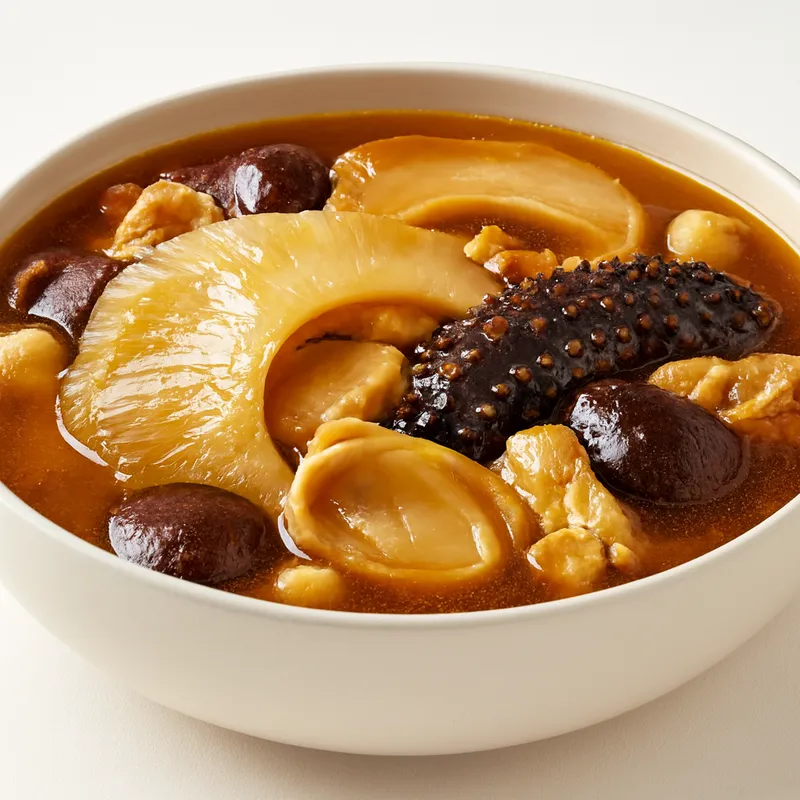
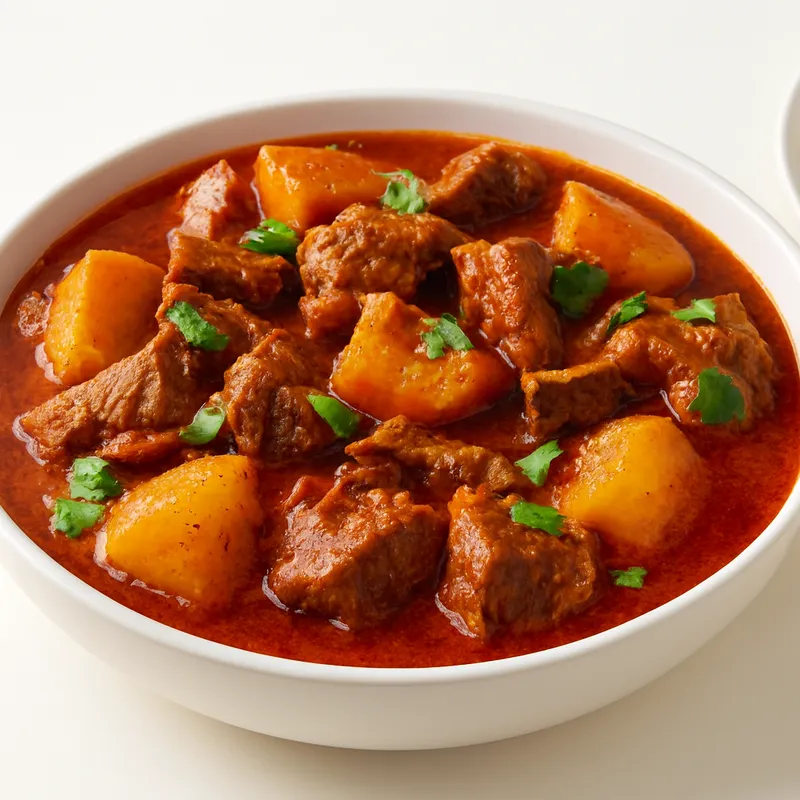
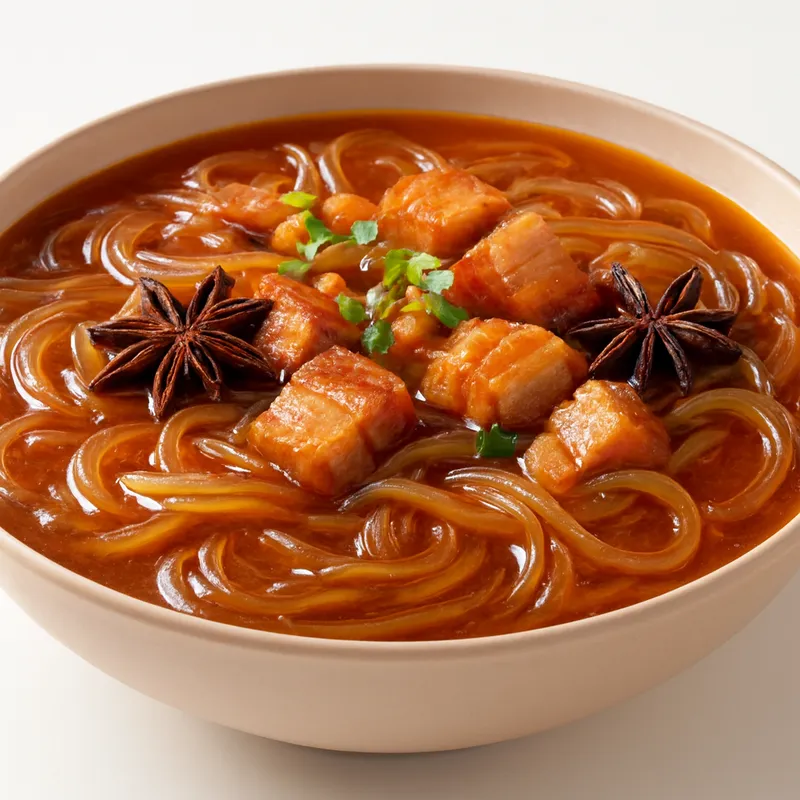
A rich and hearty stew combining luxurious ingredients like sea cucumber and chicken, each bite offering a different texture and flavor.



Named for Li Hongzhang (1823–1901), Qing-dynasty viceroy and diplomat from Anhui. The story: in 1896, during his tour of Europe and America, Li hosted guests at the Chinese legation; when the main dishes ran out, the cooks combined the leftover scraps into one pot. Asked the name, Li is said to have answered 'za-sui' (杂碎) in his Hefei dialect; the dish was later renamed za-hui (杂烩) to avoid the word's derogatory northern connotation. The U.S.-famous 'Li Hongzhang chop suey' is a separate dish that predates the 1896 visit (the earliest documented chop suey menu is from 1879 Boston) and merely borrowed his name as marketing. Whether the anecdote is true or apocryphal, the dish became Anhui's banquet centerpiece by the early 20th century.
Named for Li Hongzhang (1823–1901), Qing viceroy from Anhui. Story: 1896 state visit to the U.S., chefs ran out of finished dishes and tossed the rest in one pot — apocryphal but durable. The dish stands on starch ratio: too much, gluey; too little, the seven ingredients won't bind.
A thick brown stew in a large bowl: sea cucumber, chicken, ham, bamboo shoot, fish maw, quail egg, sometimes squid — every bite a different texture. Broth is dark, glossy, thickened with starch into something between soup and gravy. The point isn't any single ingredient; it's that no two spoonfuls feel the same.
The dish lives or dies on starch ratio. Too much and the broth turns gluey; too little and the seven or eight ingredients don't bind into a single dish — they just sit in soup. Sea cucumber and fish maw are sponges: they soak the chicken-ham broth that does the heavy flavor work. Skip the long-stocked broth and use water, and the whole thing tastes like nothing despite the expensive ingredients.
Variations
Hefei (合肥) banquet houses run the canonical sea cucumber + chicken + ham; Lujiang county home version drops the seafood and uses pork stomach + duck; modern Anhui restaurants in Shanghai (大宴春) lean shrimp-heavy for accessibility; rural versions still use leftover banquet bits, true to the origin.
On the Palate
Where Li Hongzhang Hodgepodge sits in the Chinese flavor cloud
This banquet stew stands on two things: a long-simmered chicken-and-ham stock doing all the flavor work, and just enough starch to bind the eight ingredients into one glossy dish — too much starch turns it gluey, too little and it's just expensive bits sitting in soup.
Ingredients





How it's made
4 steps · 23 min
- 15 min
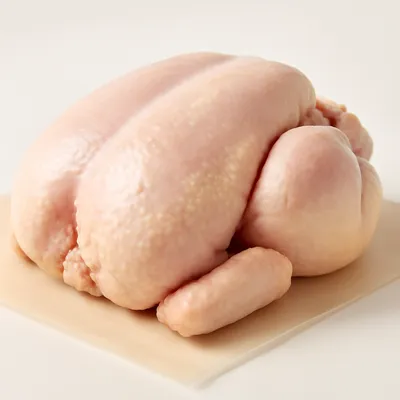
In a large pot, heat oil over medium heat. Add the chicken, beef, and pork, browning each side until golden and fragrant, about 5 minutes.
Watch outBrown the chicken, beef and pork until golden and fragrant — that seared base is the first layer of savory depth.
- 23 min
Add the shiitake mushrooms, bamboo shoots, and tofu. Stir-fry for 3 minutes until the mushrooms soften and the tofu begins to absorb flavors.
Watch outAvoid overcrowding the pan to ensure even cooking and browning.
- 35 min
Pour in the rice wine and soy sauce, stirring to combine. Add the ham and sea cucumber, letting them simmer in the sauce for 5 minutes to meld flavors.
Watch outLet the ham and sea cucumber steep in the wine-and-soy broth so they drink in flavor before the broth thickens.
- 410 min
Crack the eggs into the pot and stir gently to create ribbons. Add the vegetables and simmer until everything is tender and well-combined, about 10 minutes.
Watch outPour the beaten egg in slowly and stir once for soft ribbons; the broth should stay clear, not clouded.