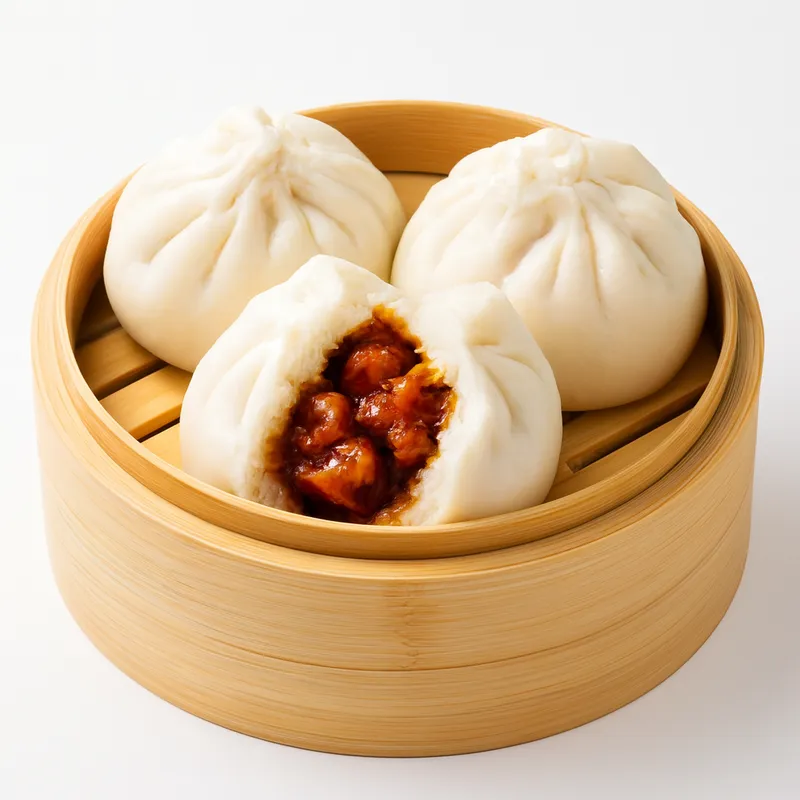
Versatile and flavorful; pork offers a range of textures from tender to crispy, with a slightly sweet undertone. It is a staple in many culinary traditions, from charcuterie to roasted dishes.
Where it comes from
Pork has been a significant source of protein for thousands of years, deeply embedded in culinary practices across cultures, from Asian to European.
In the kitchen
Pork can be roasted, braised, or cured, adding a rich, savory flavor that enhances dishes and is often paired with sweet and spicy elements.
Across cuisines
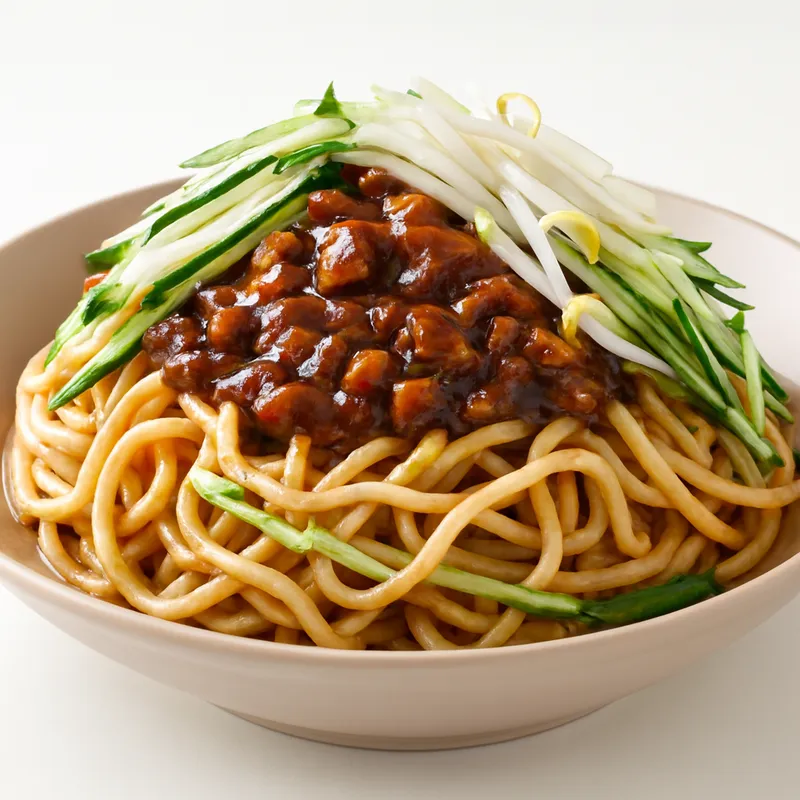
Chinese cuisine utilizes a wide range of pork cuts and preparations. Pork belly is favored for its balance of fat and meat, often used in red-braised dishes like hong shao rou. Minced pork is common in dumplings and buns, providing a juicy filling. Char siu showcases pork shoulder or loin, marinated and roasted to achieve a sweet and savory glaze.
Pork carries the Tirolean mountain side of the cuisine — tiroler gröstl (fried potato, beef, and onion with bacon) and speckknödel (smoked-bacon bread dumplings) both lean on cured pork for richness. The Speck (cured smoked back fat) of South Tirol is the iconic regional product.
In Japanese cuisine, pork is often breaded and fried, a technique known as katsu. Tonkatsu involves pork cutlets coated in panko breadcrumbs and deep-fried until crispy. This method is integral to dishes like katsu curry and miso katsu, where the fried pork is served with curry or miso sauce.
Nutrition (per 100g)
AI-estimated; model and run unavailable.
Pairs well with