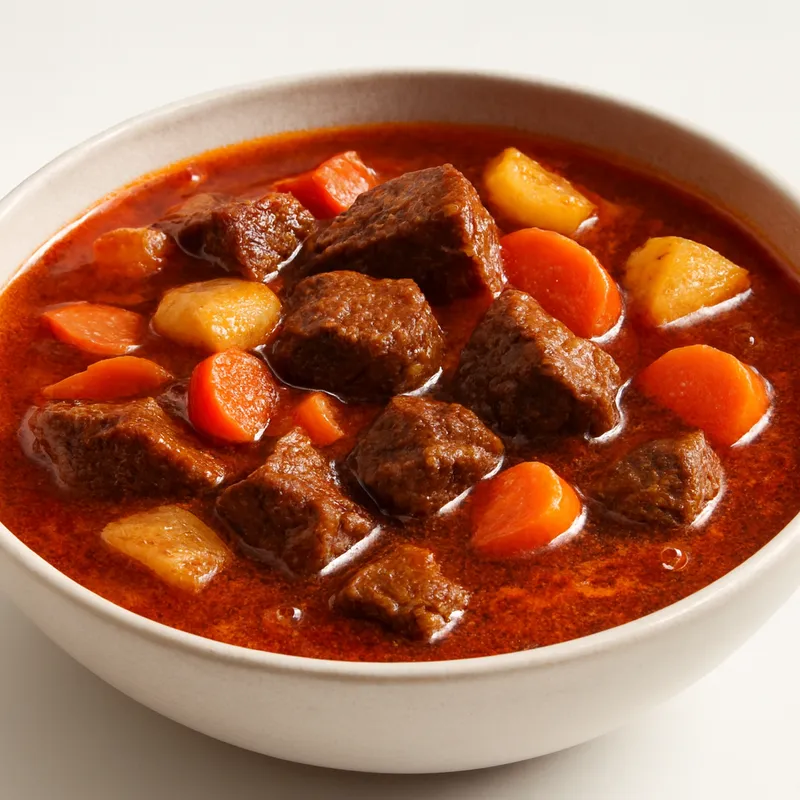
Aromatic and slightly sweet, caraway seeds offer a unique flavor that combines hints of anise and citrus. Their crunchy texture adds a delightful contrast in baked goods and savory dishes.
Where it comes from
Caraway seeds are traditionally used in European and Middle Eastern cuisines, often associated with rye bread and sauerkraut. Their popularity dates back to ancient times for both culinary and medicinal uses.
In the kitchen
Commonly crushed or used whole, caraway seeds enhance breads, cheeses, and stews, providing an earthy, distinctive flavor that elevates the overall dish.
Nutrition (per 100g)
333kcalCal
19.8gProtein
14.6gFat
49.9gCarbs
38.0gFiber
Values are AI-estimated, not from a laboratory database
Pairs well with
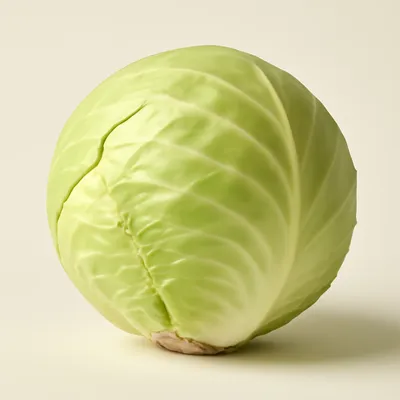
Cabbage
Add seeds to cabbage as it cooks. Their warm, earthy notes cut through cabbage's mildness.

Sauerkraut
Add caraway seeds while heating. Their warm, earthy notes deepen sauerkraut's flavor, adding complexity.

Rye
Knead into dough before baking. Caraway's anise notes lift rye's earthiness, creating a classic, aromatic bread.

Pork knuckle
Toast then add to the stew. Their warm, anise-like flavor complements the pork's hearty profile.

Rye Flour
Knead into dough, bake together. Caraway's anise notes lift rye's earthiness, adding a warm, aromatic touch.

Pork
Rub into pork before roasting. Caraway's warm spice cuts through the richness, adding depth.
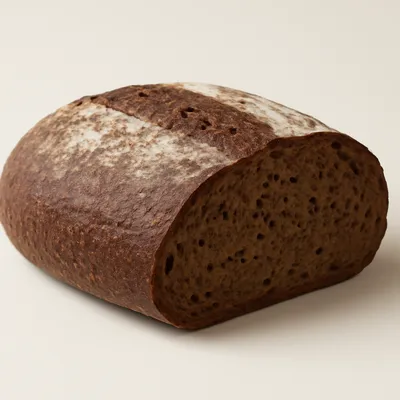
Rye Bread
Mix into dough. Caraway seeds' sharpness complements rye's hearty flavor, creating a classic bite.