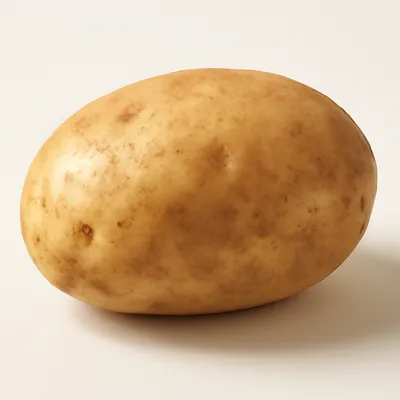
The humble workhorse that absorbs flavors and love with equal ease.
Rich and comforting, the potato boasts a starchy, fluffy interior that absorbs flavors beautifully. Its versatility makes it a beloved staple in cuisines worldwide, from creamy mash to crispy fries.
Where it comes from
Originally cultivated in the Andean mountains of South America, the potato transformed global diets after its introduction to Europe in the 16th century.
In the kitchen
Potatoes can be roasted, mashed, or fried, serving as a blank canvas that pairs well with a myriad of flavors and cooking techniques.
Across cuisines
In British cuisine, potatoes are a staple ingredient, often boiled, mashed, or roasted. They are crucial in dishes like fish and chips where they are deep-fried as chips, and in shepherd's pie where they form a creamy mashed topping. The texture and preparation method are key to their role in these traditional dishes.
Potato is the Alpine starch — grated and pan-fried into the disc of rösti (the Swiss-German breakfast staple), boiled as the bed under melted raclette, cubed into älplermagronen. The country's potato consumption per capita is among Europe's highest; the highland soil grows them denser and starchier than the lowland varieties.
Potatoes are central to Canadian carbohydrate — cut thick and twice-fried for poutine, mashed and layered over ground beef and corn for pâté chinois (the Québécois shepherd's pie), boiled and served with smoked meat. Prince Edward Island is the country's potato heart, supplying both the chip and the table varieties.
Nutrition (per 100g)
AI-estimated; model and run unavailable.
Pairs well with