
Swiss alpine macaroni — pasta and diced potatoes boiled together in one pot, tossed with cream and grated alpine cheese (most often Gruyère, sometimes Appenzeller or Emmental), topped with crispy fried onions and served with stewed applesauce on the side. The defining Swiss-German alpine herder's dinner: one pot that combines dairy, potato, and pasta — the few keeping staples of the high summer pasture.




Älplermagronen ('alpine herdsman's macaroni') took shape as dry pasta spread through the Swiss Alps in the 19th century. Pasta was light, shelf-stable, and calorie-dense — ideal for herders (älpler) who spent summers in high-altitude huts with their cows and needed staples that lasted. Cheap local potatoes were used to stretch the pasta; cream and freshly made cheese enriched it, and fried onions seasoned it. Cooked in a cauldron over an open fire, it was filling after a hard day on the alp. The name 'Magronen' is a loanword from the Italian maccheroni, while 'älpler' marks its origin among alpine herders. Today it is a year-round staple of Swiss home and restaurant tables, and a winter ski-resort classic. Applesauce alongside is the canonical pairing — a Swiss sweet-savory tradition.
Älplermagronen is alpine comfort food in pure form. First bite: tender macaroni and soft potato chunks coated in glossy cream and melted alpine cheese, deep nutty cheese flavor, often slightly nutmeg-warm. Then the fried onions on top — sweet, fragrant, faintly caramelized, providing both flavor and a crisp textural contrast. A spoon of applesauce on the side: it's the canonical Swiss touch — sweet, slightly tart apple that cuts through the rich cream and cheese. Each bite alternates: savory, then apple, then savory. Eaten in a mountain hut after a day of farm work or skiing, this is what the Swiss Alps taste like.
Three technical principles: (1) Cooking pasta and potatoes TOGETHER (in the same pot, staggered so both finish at once) saves water and adds slight starchy thickening — the potato starch enriches the eventual cheese sauce so it clings to the pasta. (2) Fried onions are made SEPARATELY in butter — they need direct contact with the hot pan for the Maillard browning that creates their sweetness and aroma; mixing them into the cream too early prevents this. (3) Alpine cheese's strong flavor needs cream as a vehicle; without the fat of the cream, the cheese clumps as it heats. The applesauce pairing isn't decorative — it's a flavor-balance technique: the sweet-tart apple cuts through the rich cream and cheese fat. Without applesauce the dish feels heavy; with it, it's balanced.
Variations
Bernese canonical (Gruyère + cream + onions); the Valais (Walliser) version uses local Raclette cheese for an even meltier result; many modern restaurant versions add Bündnerfleisch dry-cured beef cubes for a salty-savory note (omit for the vegetarian version); upscale Swiss restaurants 'gourmet' the dish with AOP Gruyère and aged Sbrinz. The applesauce can be swapped for apple compote, pear compote, or — in newer restaurants — a quince paste.
On the Palate
Where Älplermagronen sits in the Swiss flavor cloud
Cook the potatoes and pasta together so their starch thickens the cheese sauce into a clinging coat, and fry the onions separately in butter until deep and jammy — that browned-onion sweetness and the starchy sauce are what make it more than plain mac and cheese.
Ingredients
Serves 4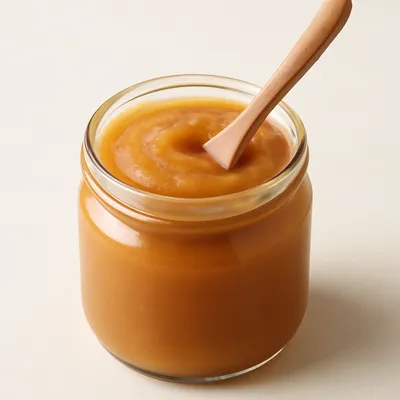

How it's made
6 steps · 35 min active + 15 min waiting
- 125 min
Caramelize onions: thinly slice 2 large yellow onions. In a heavy skillet melt 3 tbsp butter over medium-low heat. Cook onions 20-25 min, stirring occasionally, until deeply golden-brown and jammy. Reserve.
Watch outThe onions are ready when they're deep amber and jammy, not just softened — this browning is where the sweetness lives.
- 26 min
Peel and cube 500g starchy potatoes (Bintje) into 2cm chunks. Bring 4L salted water to a boil. Add the potatoes; cook 5 min.
- 38 min
Add 300g elbow macaroni (or short tubular pasta — bucatini works for fancier version). Cook 8 min more until both pasta and potatoes are tender. Drain.
- 45 min
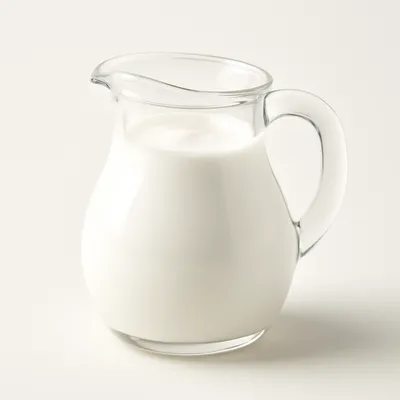
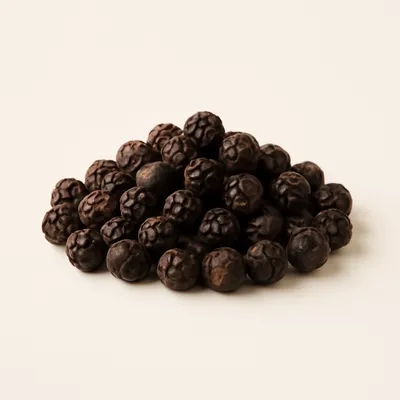
Return the pasta-potato mixture to the warm pot. Add 300ml heavy cream + 200g grated Gruyère (or Sbrinz) + 1 tsp salt + 1/2 tsp black pepper + 1/4 tsp nutmeg. Stir gently to combine — the cheese should melt into the cream creating a coating sauce.
Watch outStir gently off high heat until the cheese melts into the cream and coats every piece — it should cling, not sit in a puddle.
- 51 min
Optional: stir in 100g cubed Bündnerfleisch (air-dried beef) for richness.
- 65 min
Serve in deep bowls: scoop a generous portion; top with the caramelized onions. Side with a small dish of applesauce (Apfelmus). Eat by alternating bites of mac-and-cheese with a small spoon of applesauce — the sweet-savory combination is the entire point.
Archive tool suggestions — not reviewed
These legacy suggestions have not been evidence-reviewed and are not presented as required tools.



