


Italian
Five ingredients, done right. Simplicity that demands perfection.
Soffritto
The slow-cooked carrot–celery–onion base that begins almost every Italian sauce, ragù, or stew.
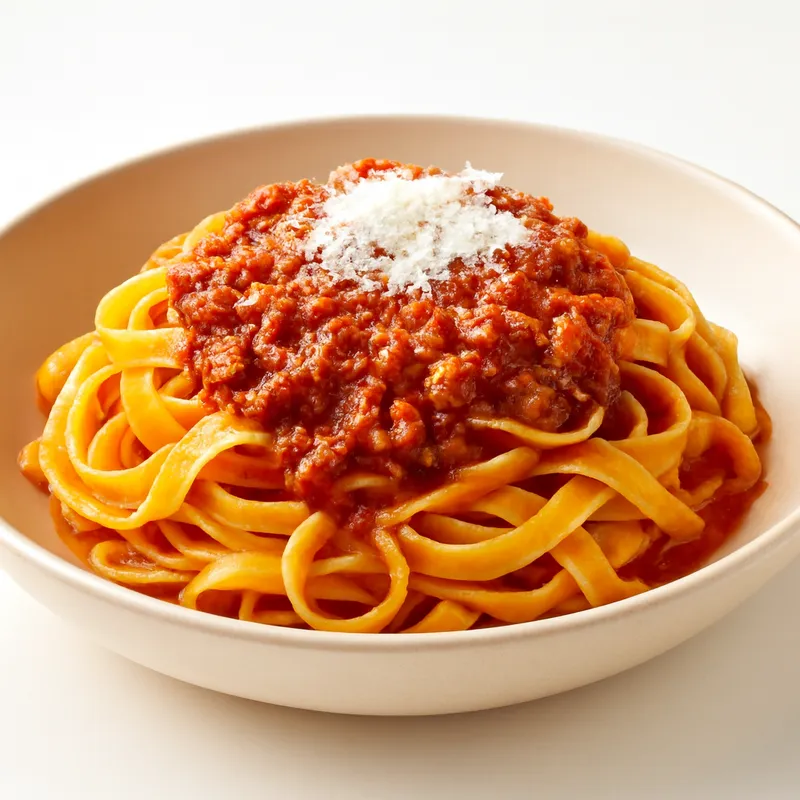
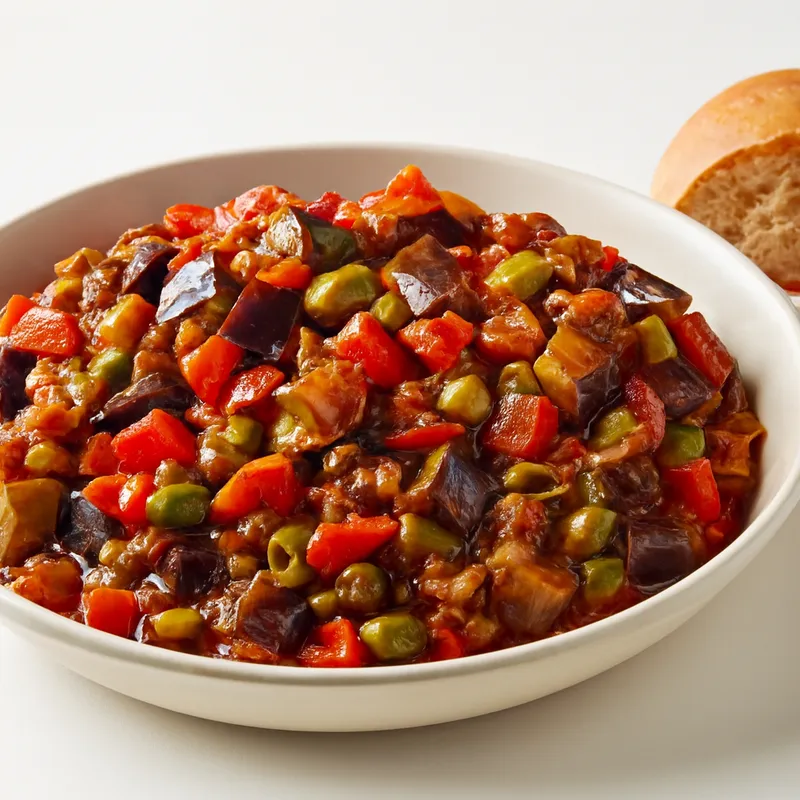
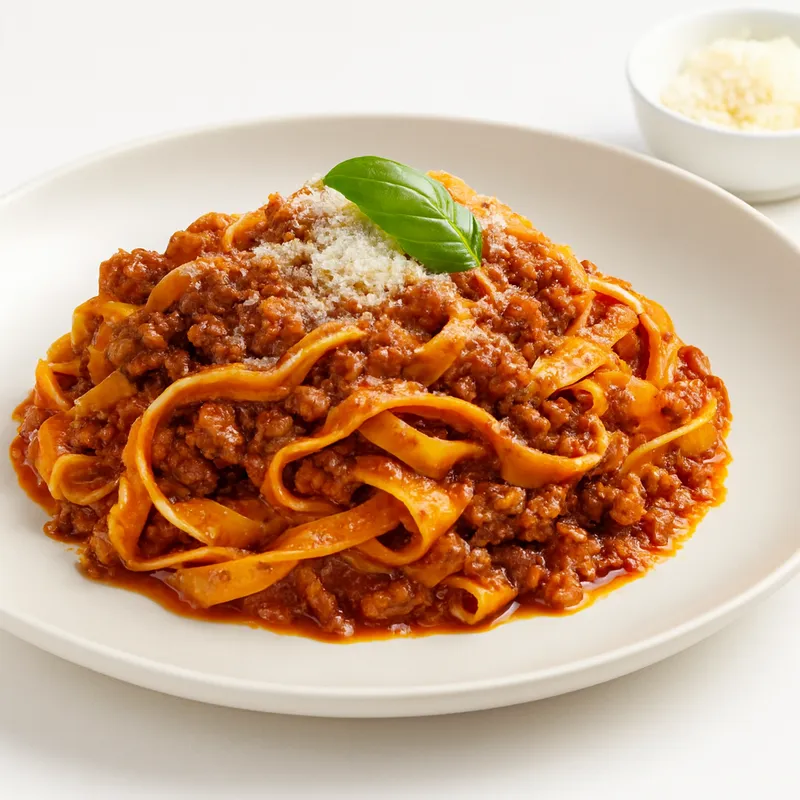
View page →Italian cooking is regional before it is national — the country unified only in 1861, and the table still shows it: Ligurian pesto, Bolognese ragù, Neapolitan pizza, Sicilian caponata. The meal walks a fixed order — antipasto, primo (the pasta or risotto course), secondo with contorni on the side, then dolce — and portions are sized so you can finish the walk. Pasta shapes are functional: ridged tubes hold meat sauce, long strands carry oil and clams, and fresh egg tagliatelle belongs to the ragù of Bologna. The pantry does the heavy lifting; a protected name like Parmigiano-Reggiano or San Marzano tomatoes is a legal identity, and the best dishes use three or four such things and stop.
The Palate
What makes it taste like itself
Start Here
This dish whispers of the Naples street vendors, garlic and chili flakes dancing in a pan with the golden oil.
Why start here · It captures Italy's essence: modest ingredients transformed by technique.
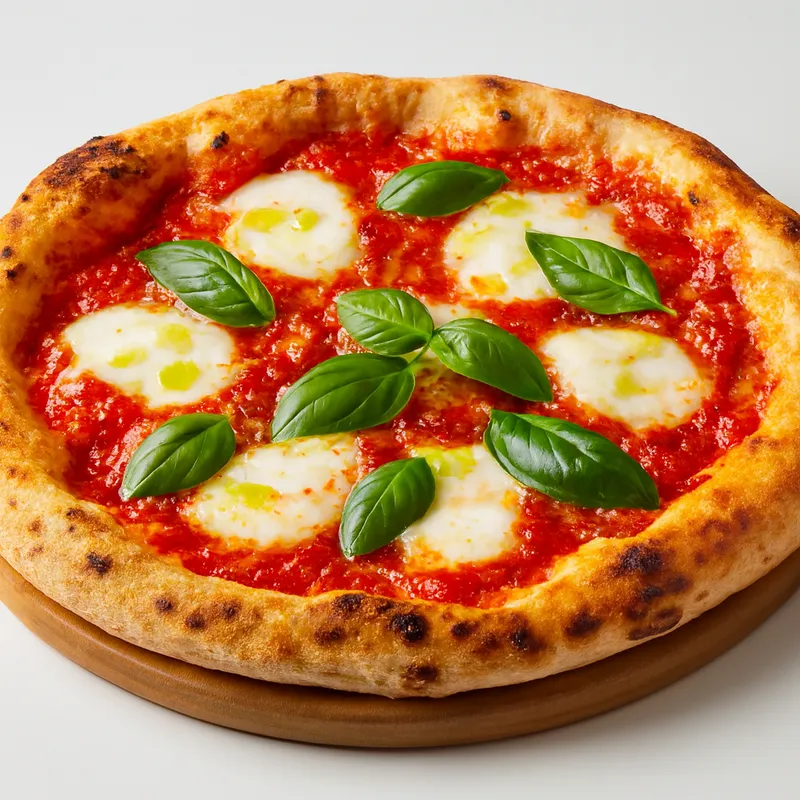
The colors of the Italian flag in edible form, Margherita pizza is an ode to simplicity.
Why start here · It teaches you the balance of a few ingredients in perfect harmony.
This risotto rewards patience, each stir drawing out the creamy texture of Arborio rice.
Why start here · It demonstrates the art of creating depth with slow, deliberate cooking.
Cook First
The easiest way in


The Pantry
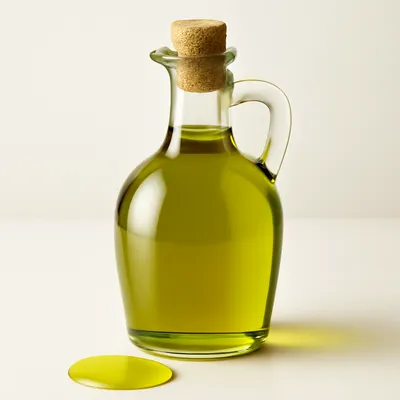






See all 580 ingredients›


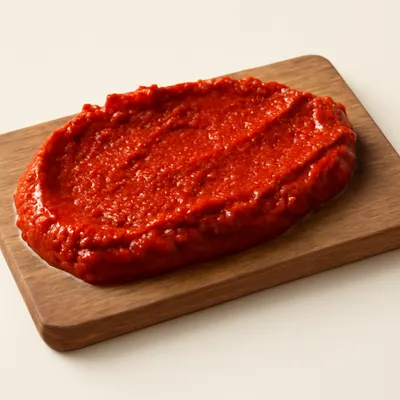


Vegetables


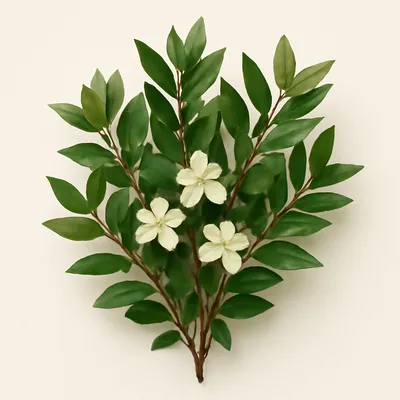


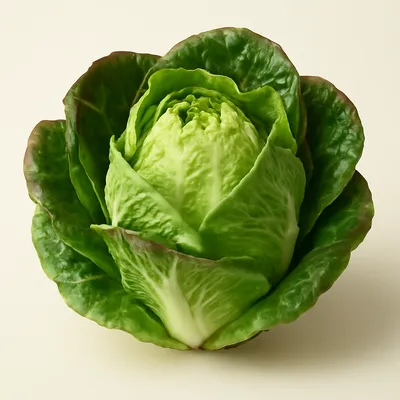


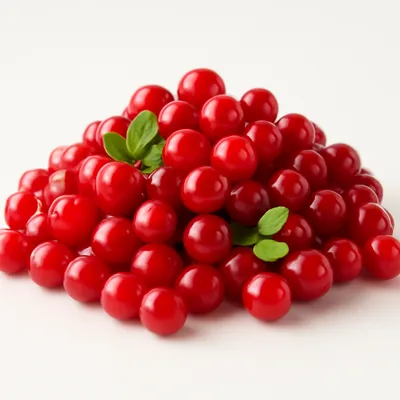
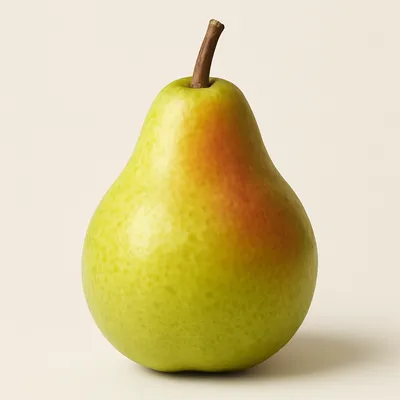
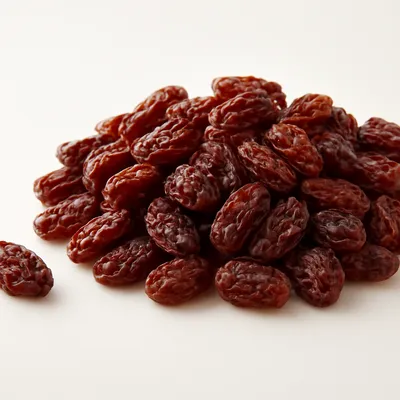
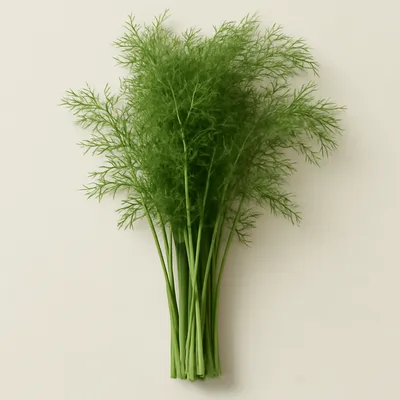
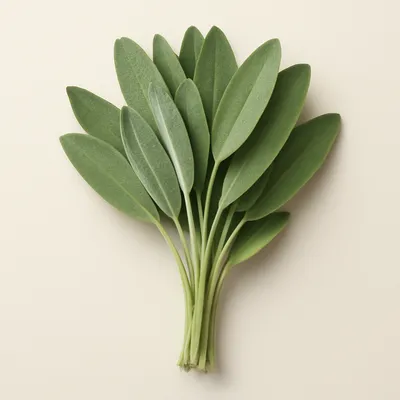
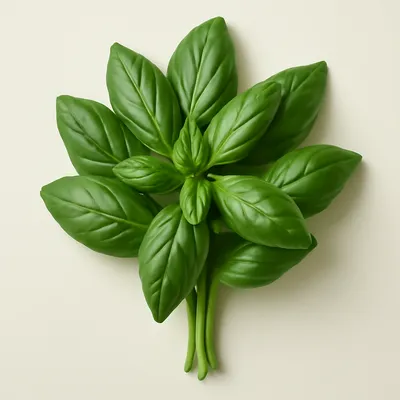
Herbs & Spices




Grains & Staples


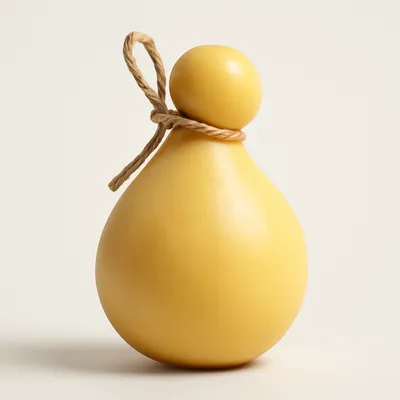
Dairy & Fats


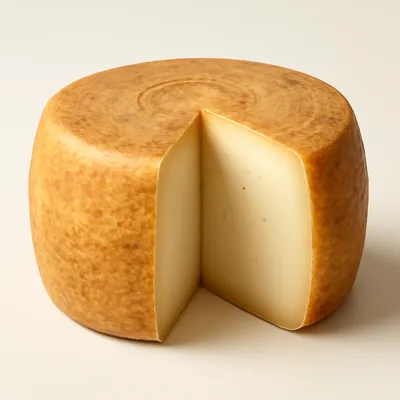


Sauces & Condiments


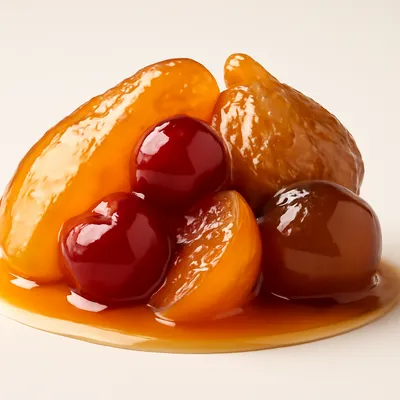


Regional Kitchens
Six regional kitchens within one peninsula. Tap a region to see its table.
Pizza margherita, ragù napoletano, Vesuvian tomatoes, mozzarella di bufala — the south's loud and tomato-forward face.
Arab-Norman-Greek inheritance — pistachio, citrus, sweet-and-sour, sword fish, arancini, cannoli.
Bread, beans, bistecca alla fiorentina. Rustic, salt-light by tradition, olive oil pour-over.
The wealthy, butter-and-rice north anchored on Milan — saffron risotto, breaded veal cutlets, slow-braised osso buco, polenta, and a stable of cheeses from Gorgonzola to Grana Padano. Refined city cooking sits beside hearty Alpine and lake-country fare.
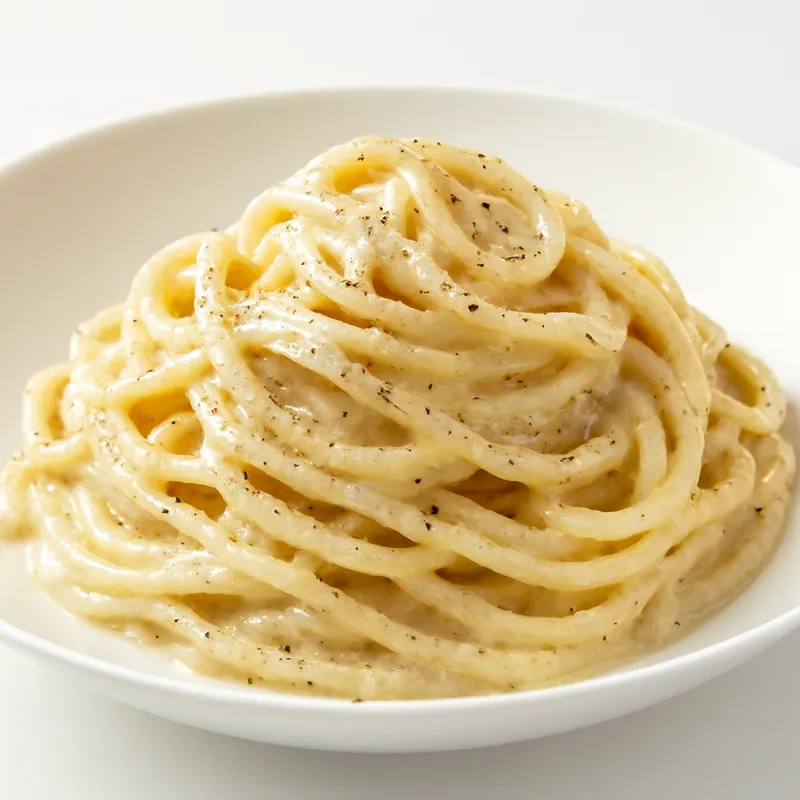
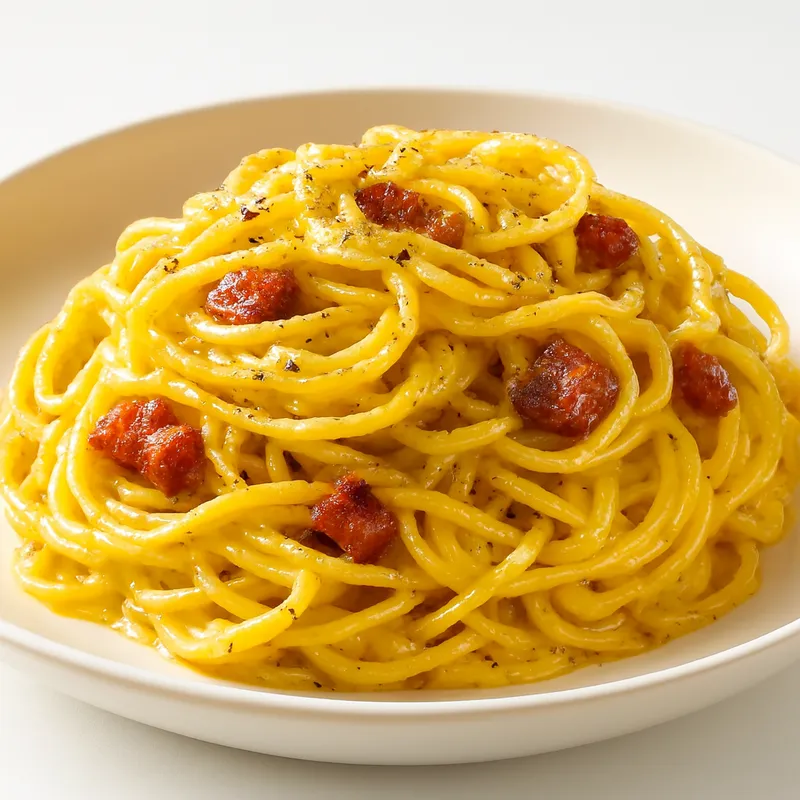
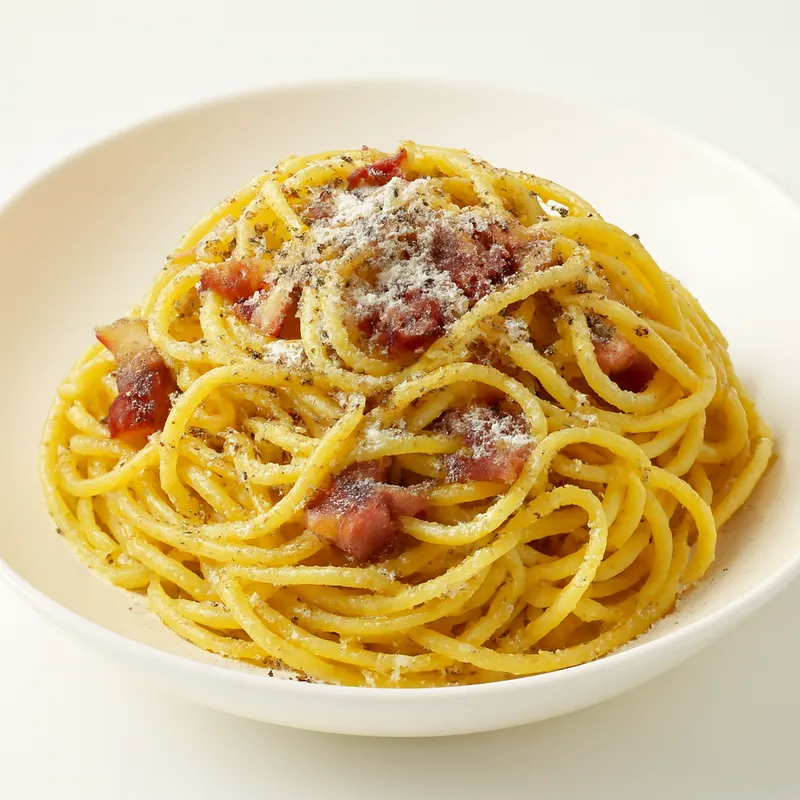
Cacio e pepe, carbonara, amatriciana, gricia — pasta with four ingredients executed to the gram.
Heel-of-Italy olive oil — orecchiette con cime di rapa, focaccia barese, burrata.
Egg pasta, prosciutto, parmigiano, balsamic — the deepest pantry in Italy.
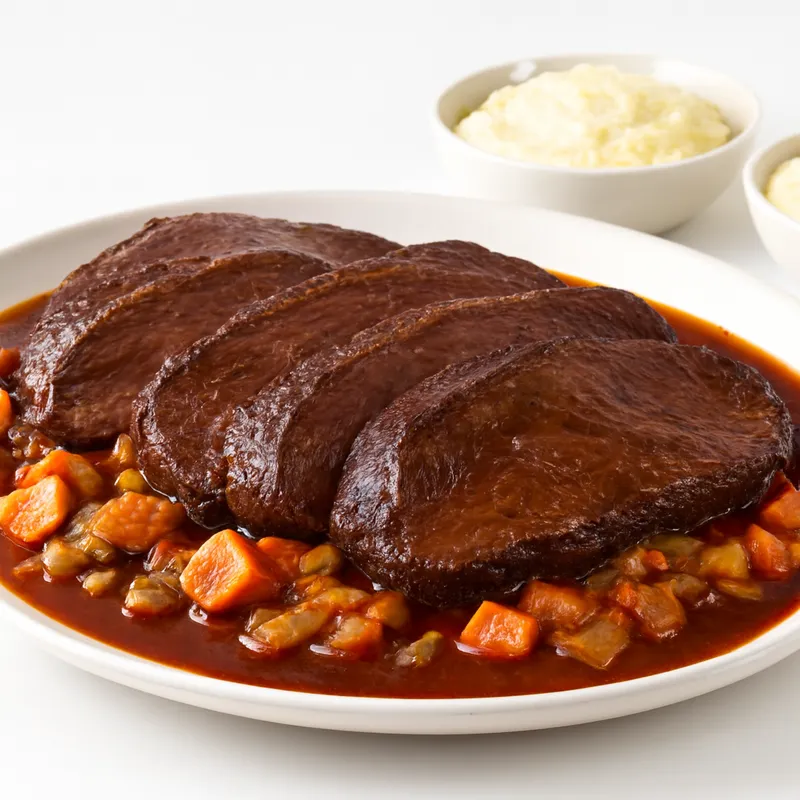
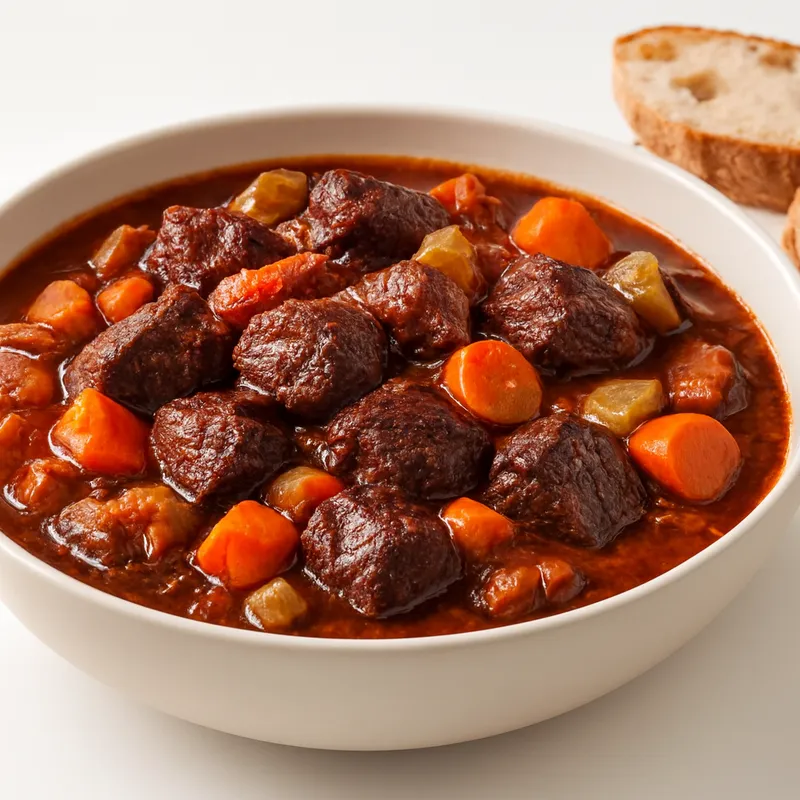
The sub-alpine northwest where French refinement meets peasant roots — white truffles from Alba, hazelnuts, slow-braised Barolo beef, hand-pinched agnolotti, raw veal, and a deep bench of cheeses. Butter and rice rule over olive oil, and the wine (Nebbiolo, Barbera) is never far from the pot.
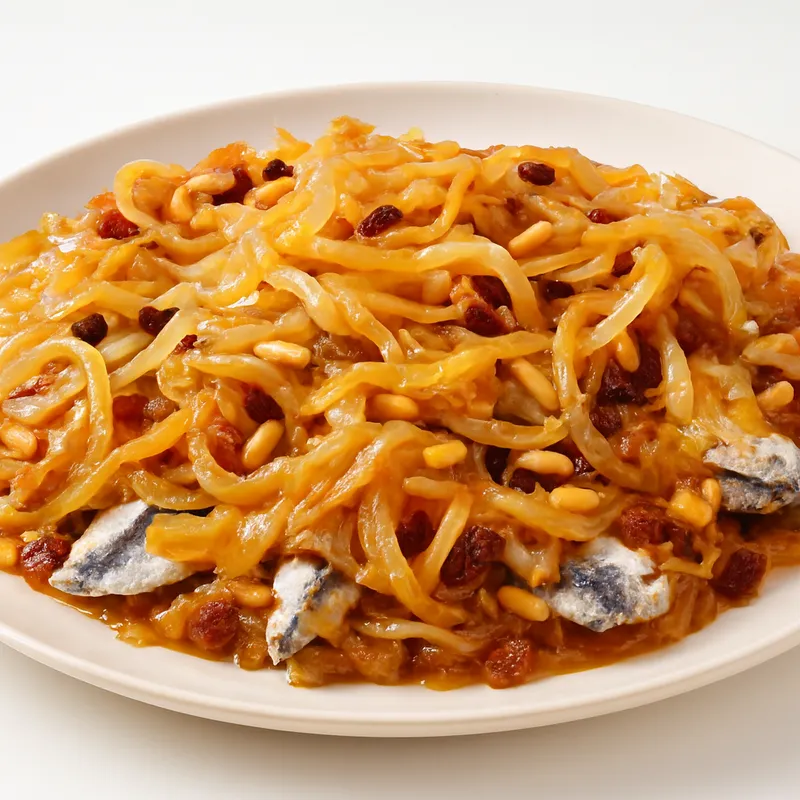
Lagoon cicchetti and trade-winds sweetness — sarde in saor, baccalà mantecato, tiramisu.
Toe-of-Italy fire — 'nduja, peperoncino, pesce spada, pork-and-chili intensity.
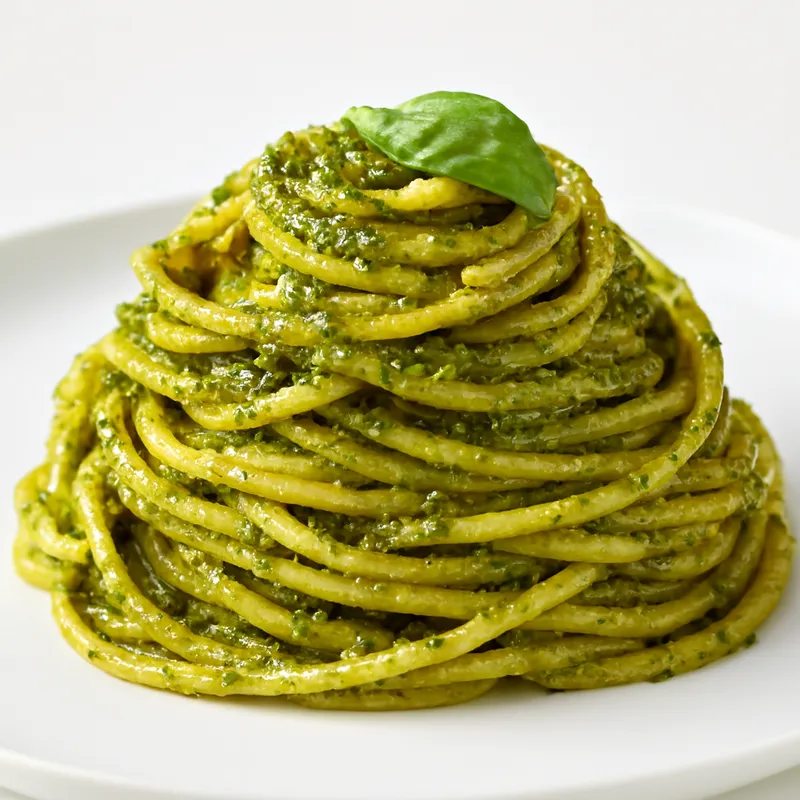
Coastal-Riviera basil-and-oil — pesto Genovese, focaccia di Recco, farinata.
Sheep-island archaic — pane carasau, malloreddus, porceddu, the most-ancient Italian.
Mountain-pastoralist cooking from the Gran Sasso and Maiella massifs, distinguished by castrato (mutton) skewers, square-cut chitarra pasta, fennel-pollen porchetta, L'Aquila saffron, and the calendar-bound May Day soup Le Virtù. The short Adriatic coast contributes the no-stir Vasto brodetto.
Cuisine of the Marche region — coastal Ancona-Pesaro brings 13-species Adriatic brodetto and Norwegian stockfish; inland Macerata-Ascoli brings vincisgrassi (the baroque offal-and-truffle lasagna), olive all'ascolana (three-meat-stuffed fried olives), the spreadable salami ciauscolo, and the yeasted-flatbread crescia. Two halves connected by Acqualagna's prized white truffles.
Italy's far northeast against Austria and Slovenia — a borderland of Montasio cheese, smoked and cured pork, polenta, and sweet-savory frico and cjarsons that carry an Austro-Hungarian accent. Frank, mountain cooking more Central-European than Mediterranean.
The most landlocked, ingredient-first cuisine in central Italy — built around Norcia charcuterie (the global capital of Italian cured pork), Castelluccio IGP lentils, Spoleto-Orvieto black and white truffles, fennel-pollen porchetta, and the Etruscan-era hot-stone bread torta al testo. Restrained, mineral-deep, demanding ingredient quality.
The German-speaking Dolomite north where Italy turns Tyrolean — bread dumplings, speck, rye, apples, and butter-and-rye dishes that read as much Austrian as Italian. Mountain, forest and orchard cooking built for cold altitude.
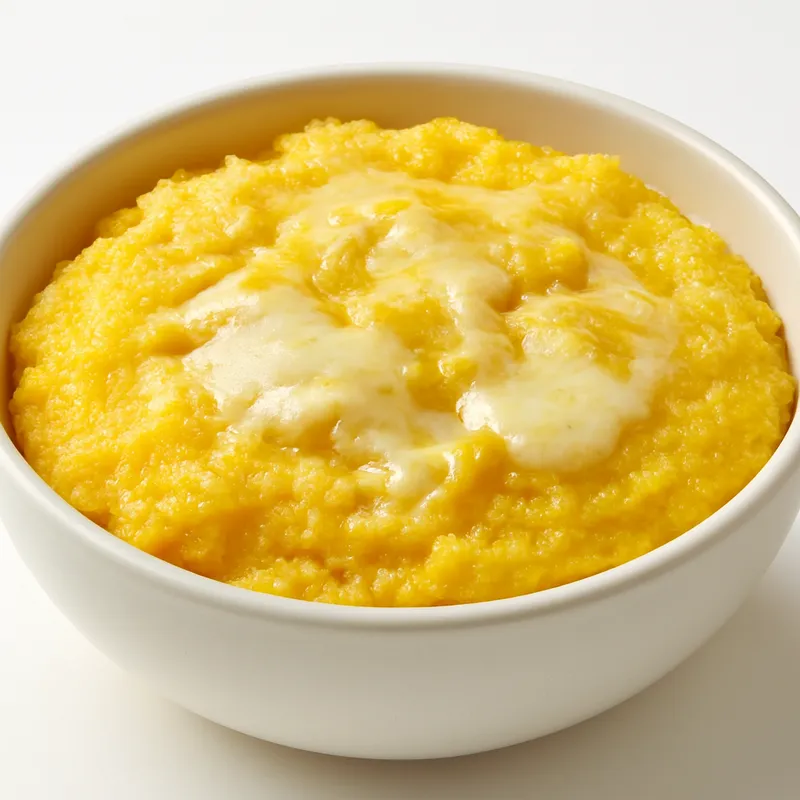
Italy's smallest, highest, French-speaking Alpine region — Fontina cheese above all, melted into fonduta and polenta concia, alongside beef braised in red wine, rye bread, cured meats and chestnuts. Hearty fuel for the high mountains.
Italy's smallest, least-known mainland region — split from Abruzzo only in 1963. A cuisine of sheep transhumance and pork, chili, hand-made cavatelli, and signature dishes like the paprika-roasted pork pampanella; close kin to Abruzzese cooking.
The mountainous, sparsely populated south-central region of Basilicata (ancient Lucania) — a frugal cucina povera of pork and lamb, durum wheat, chili, pecorino, legumes, and above all the prized sun-dried Senise peppers fried crisp as peperoni cruschi.
How They Cook
Techniques that define this cuisine
See 24 more techniques›
Kneading is the foundation of Italian bread and pasta, where texture is paramount.
Italians elevate emulsification in dishes like Cacio e Pepe, where cheese and pasta water transform into a luscious sauce.
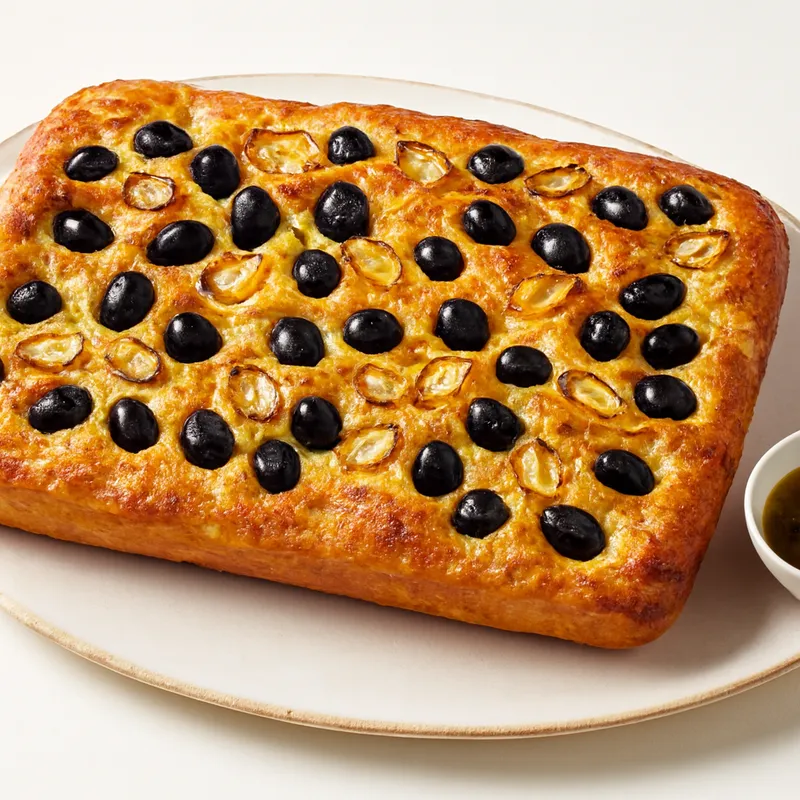
Italian focaccia bakes in a stone oven at high heat, creating a crispy crust with a soft, airy interior, often topped with rosemary and olive oil.
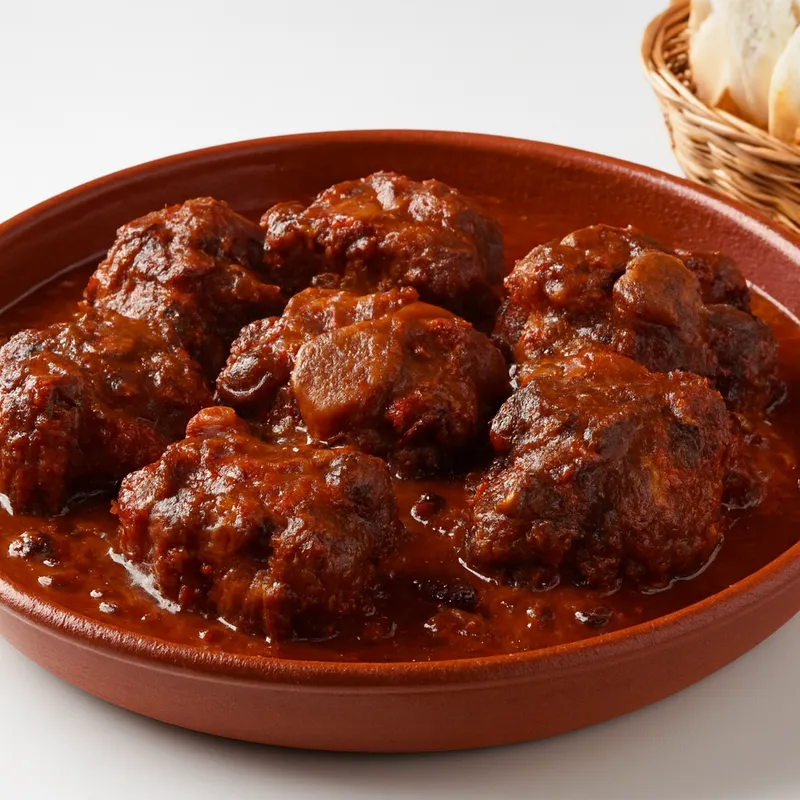
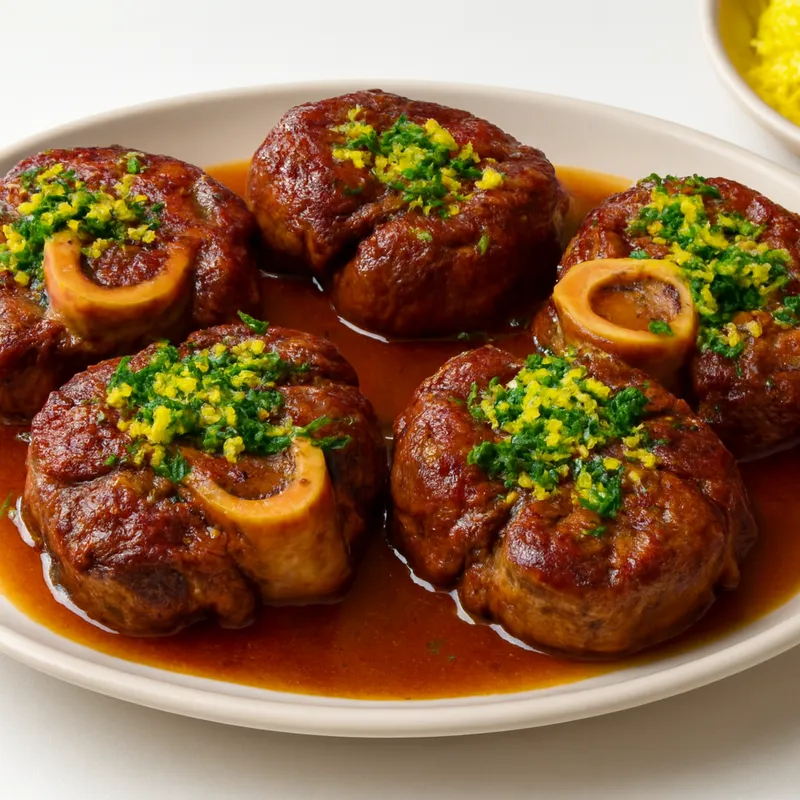
Italy turns simmering into an art form, using it to coax flavor over time, as seen in Osso Buco.
Italian pasta is boiled in generously salted water until al dente, crucial for dishes like Cacio e Pepe where the pasta water emulsifies the sauce.
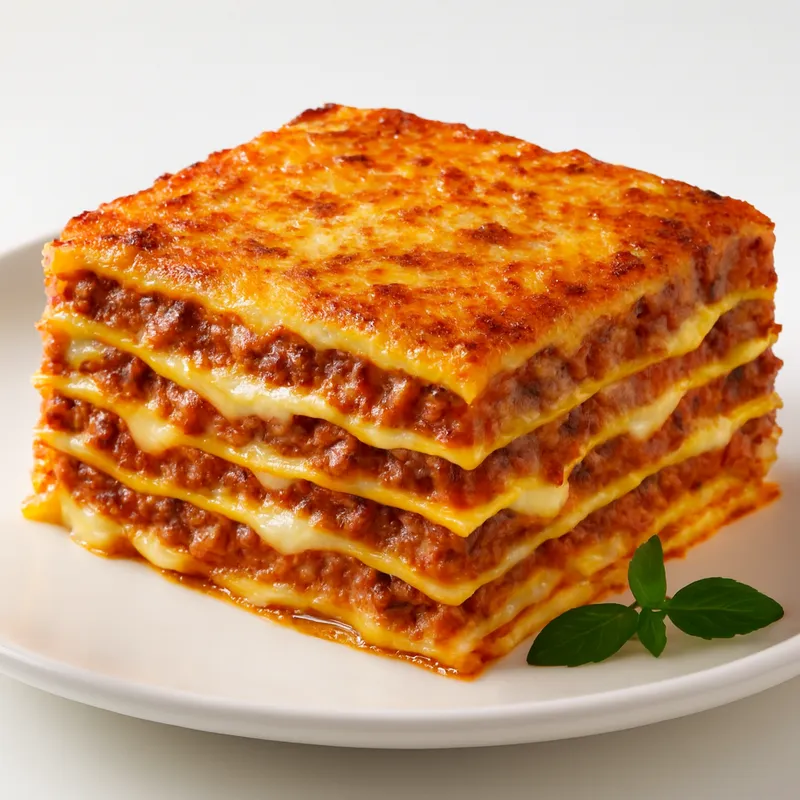
Italian sautéing often begins with soffritto, a mix of onions, carrots, and celery, gently cooked in olive oil until soft, forming the flavor base for dishes like Bolognese.
Italian braising often uses a heavy cast iron pot for dishes like Osso Buco, where veal shanks simmer in white wine and broth until fork-tender.
Kindred Kitchens
Cuisines built on the same signature ingredients
Signature Dishes (819)
Browse all 819 dishes›
Drinks
12


Starters
103


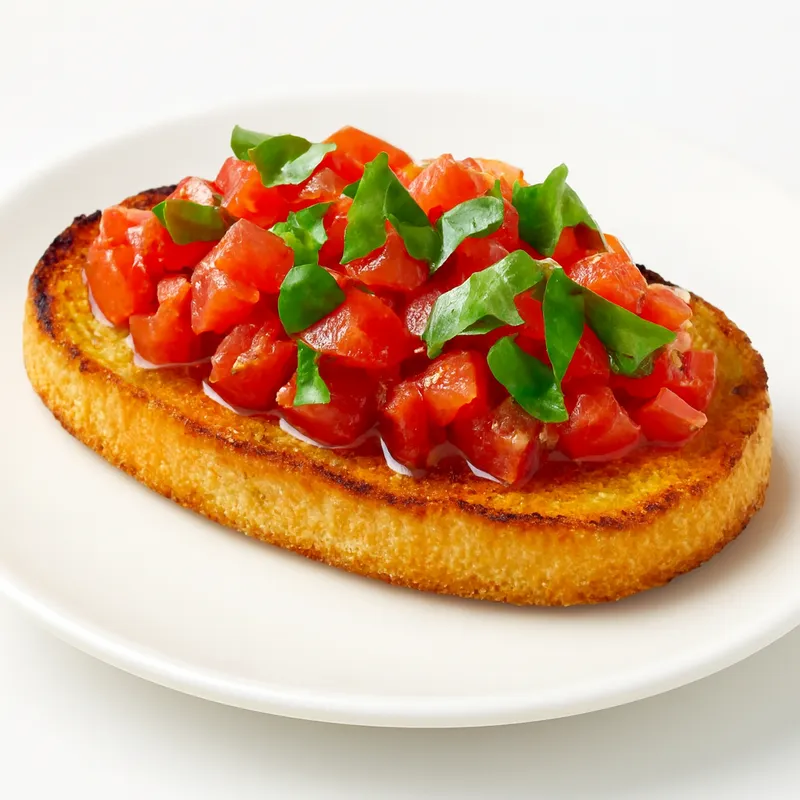


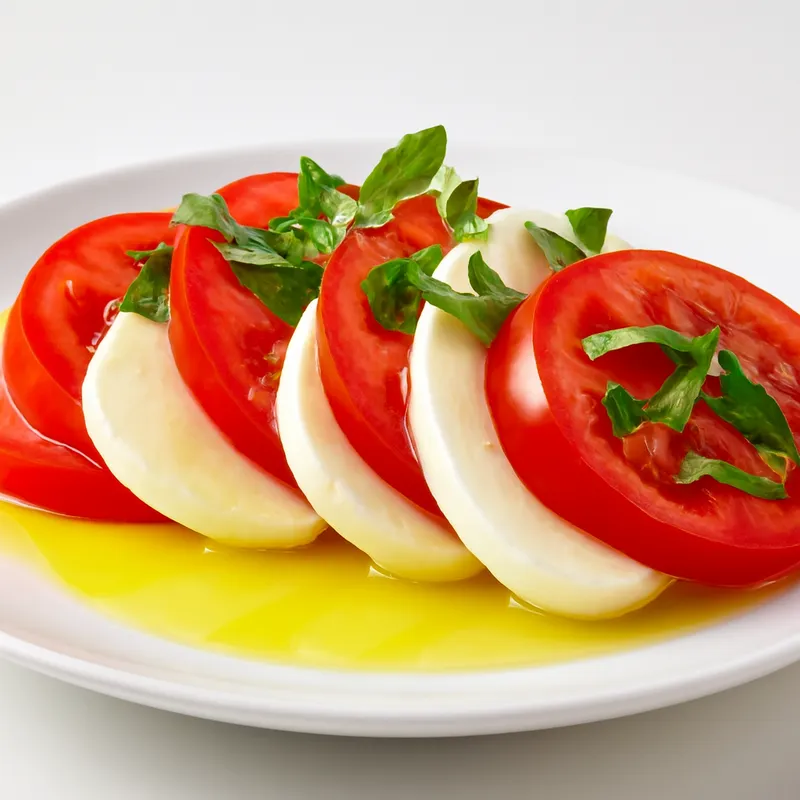


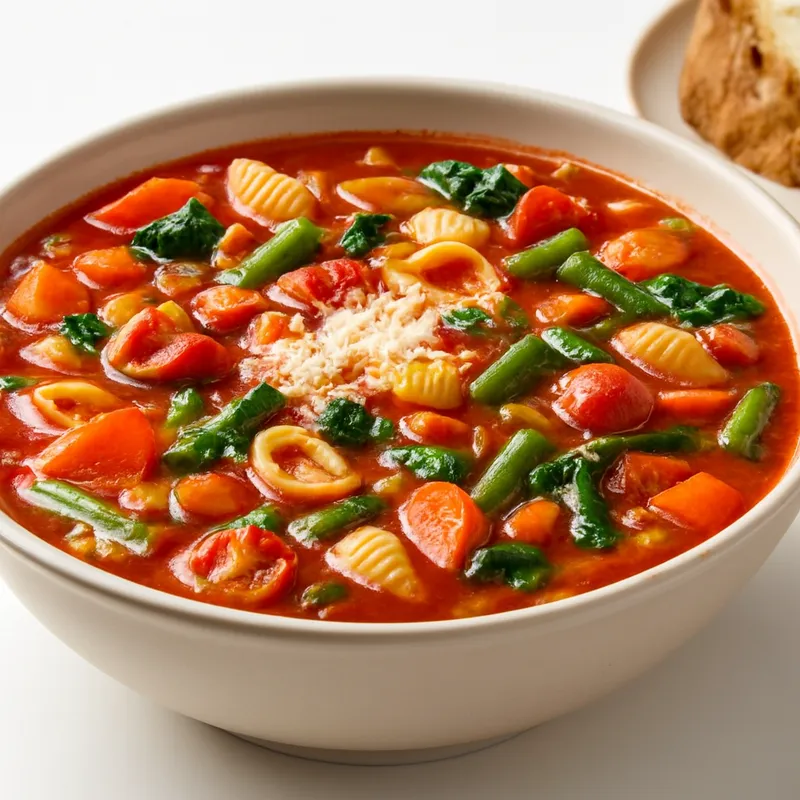
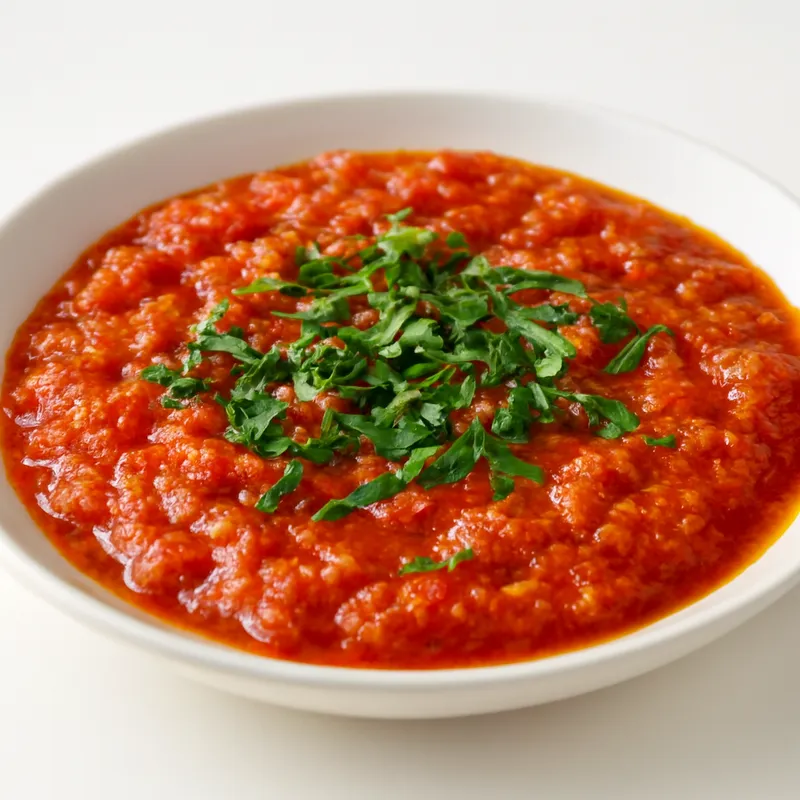
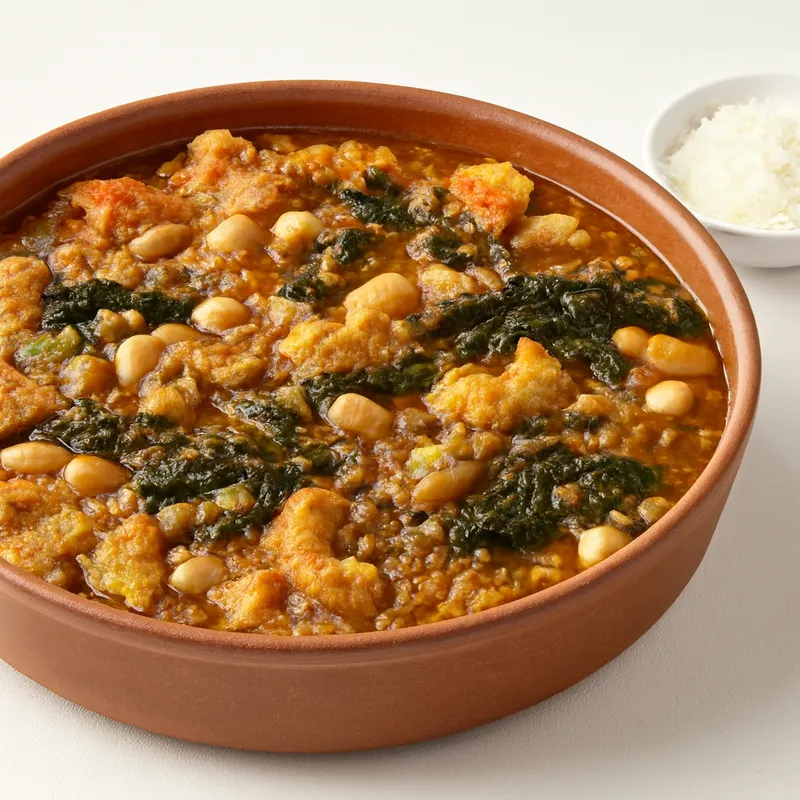
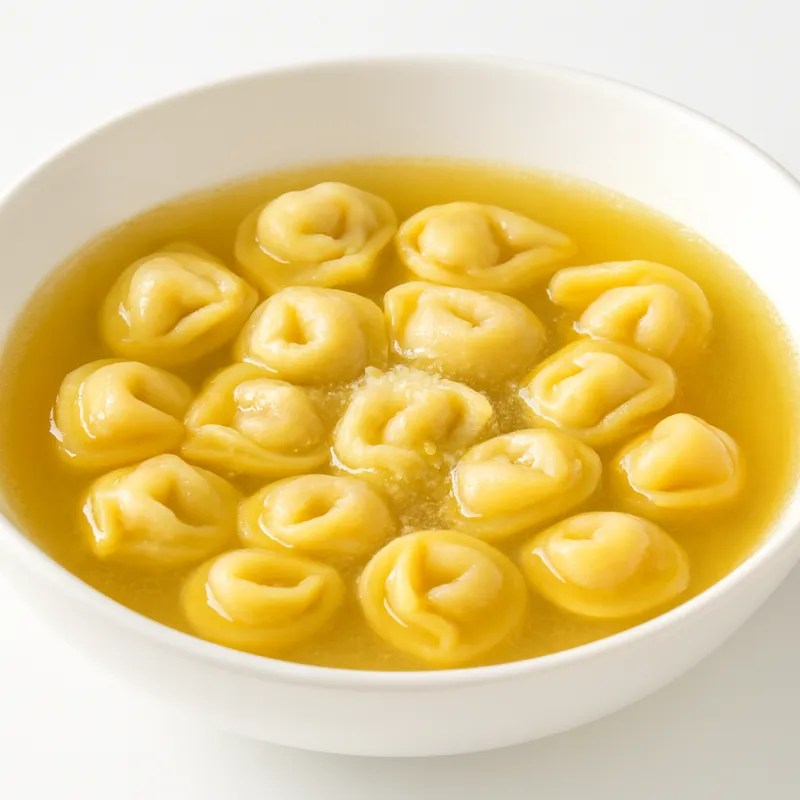
Soups
51









Mains
342
































Sides
41






Sweets
165





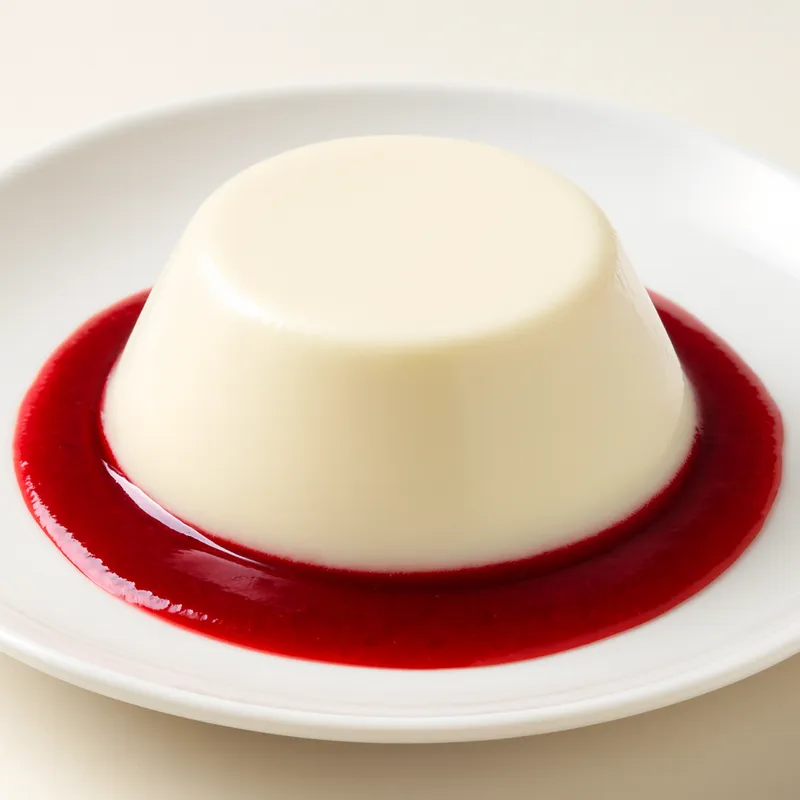


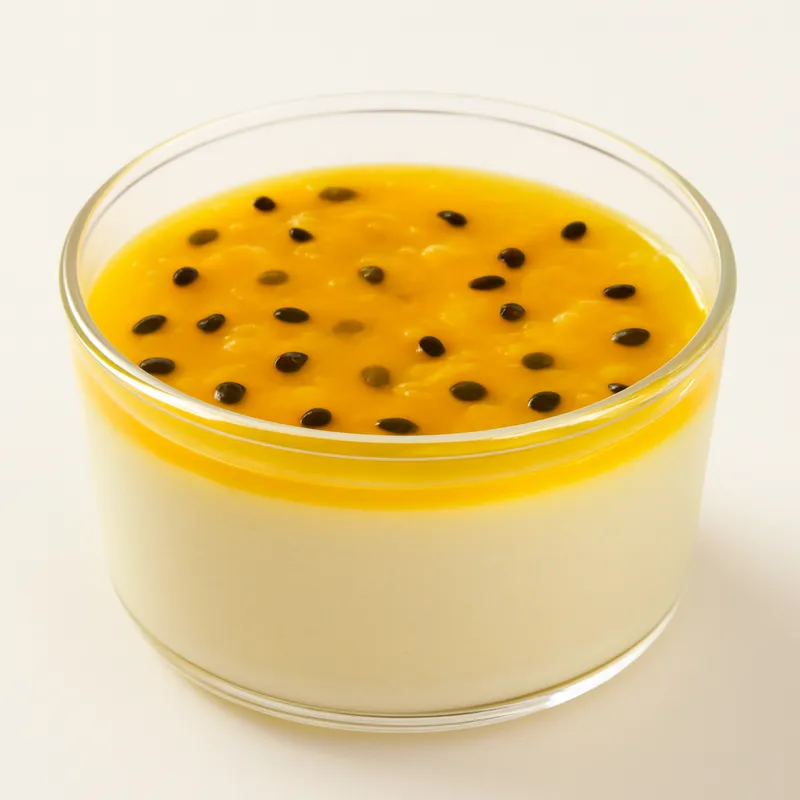


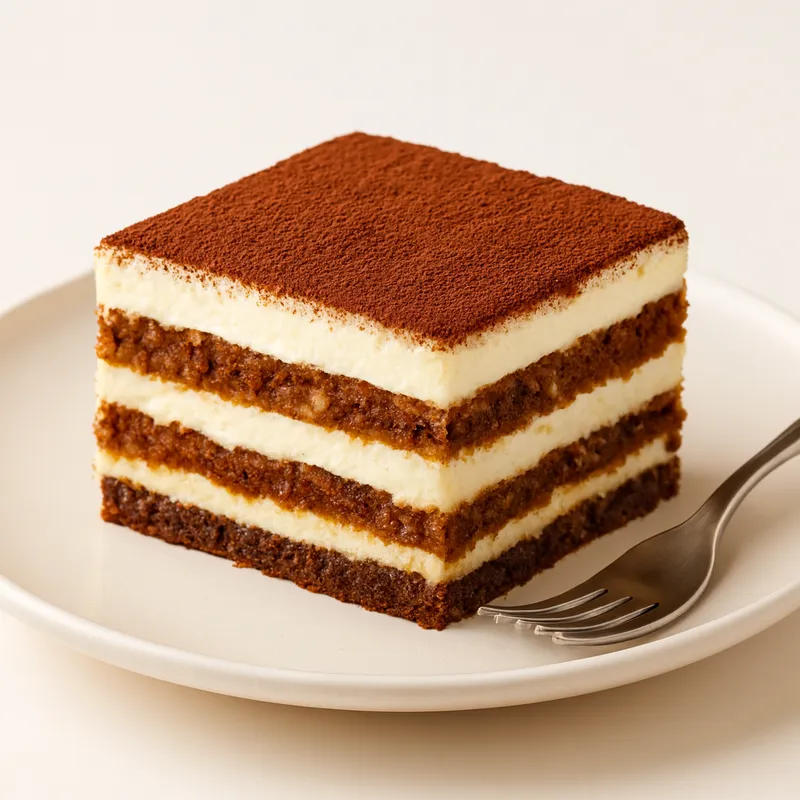


Snacks
48


Breakfast
5


Condiments & Pastes
15


Breads
37


