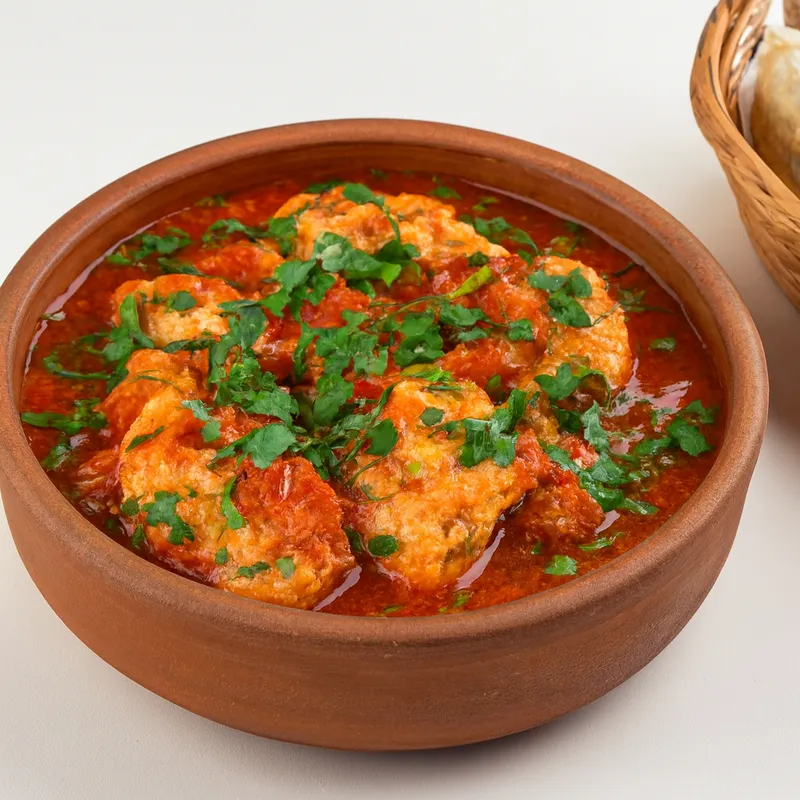
Red wine unfolds with bold tannins and a medley of dark fruits, pepper, and earthy notes. Its complexity creates an inviting experience, perfect for leisurely sipping or pairing with hearty meals.
Where it comes from
Dating back thousands of years, red wine is a staple of Mediterranean cultures, where it has been integral to meals and rituals from ancient Greece to modern-day Italy.
In the kitchen
Red wine is essential in marinades and reductions, contributing depth and richness to stews and braises, while also complementing red meats and robust cheeses.
Across cuisines
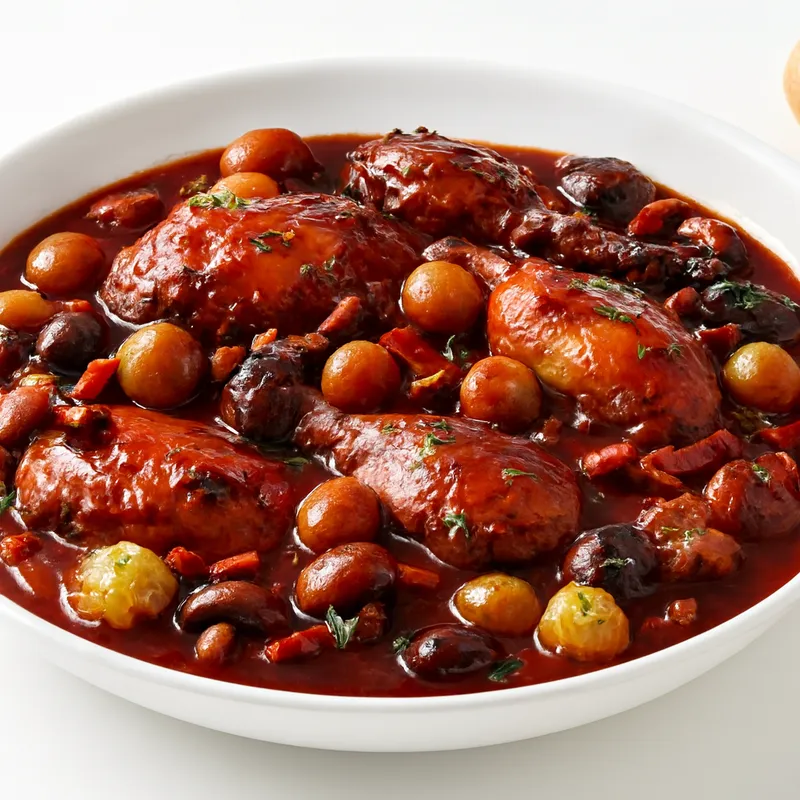
In French cuisine, red wine is primarily used as a braising liquid. Varieties like Burgundy or Bordeaux are chosen for their depth and richness, providing a robust base for slow-cooked dishes like Coq au Vin and Boeuf Bourguignon. The wine is reduced to concentrate flavors before adding meat and aromatics, resulting in a rich, complex sauce.
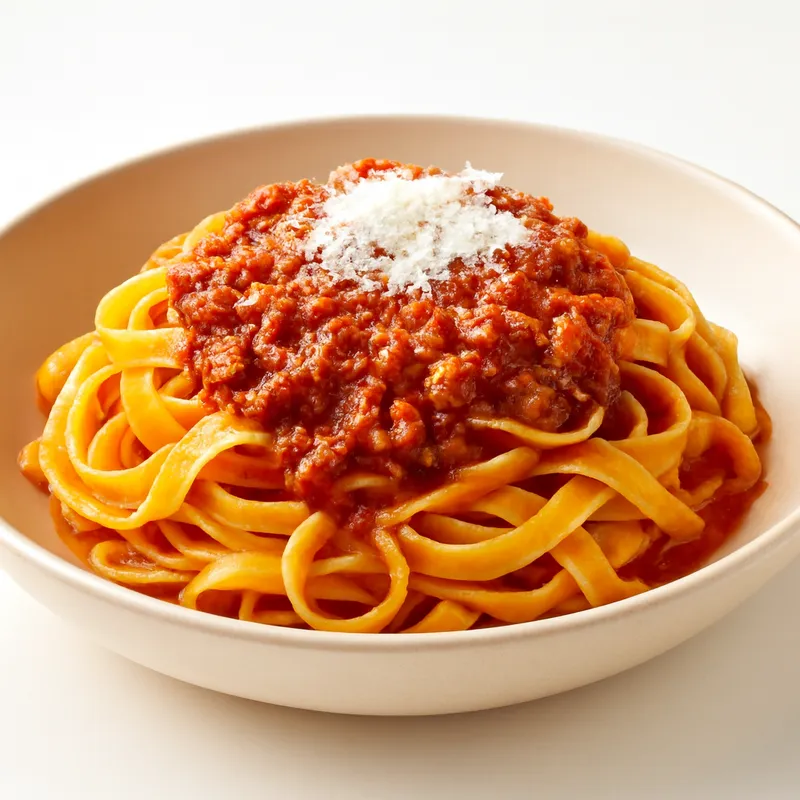
Italian cuisine uses red wine to enhance the depth of flavors in sauces and ragùs. Chianti or Barolo are often incorporated into dishes like Bolognese to add acidity and complexity. The wine is typically added during the simmering process, allowing it to meld with other ingredients and intensify the overall taste.
In Greek cuisine, red wine serves as a stewing liquid in dishes like Stifado and Soutzoukakia. Local Greek wines such as Agiorgitiko are preferred for their fruity and spicy notes, which complement the aromatic spices used in these dishes. The wine is simmered with meat and spices, allowing it to infuse the dish with rich, aromatic flavors.
Nutrition (per 100g)
AI-estimated; model and run unavailable.
Pairs well with