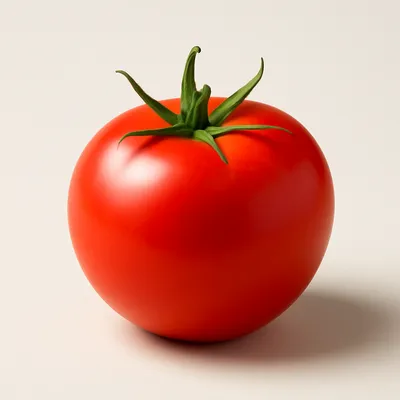


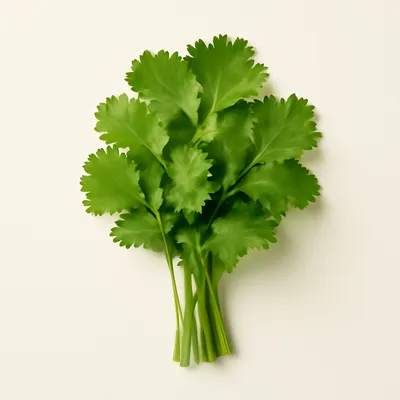
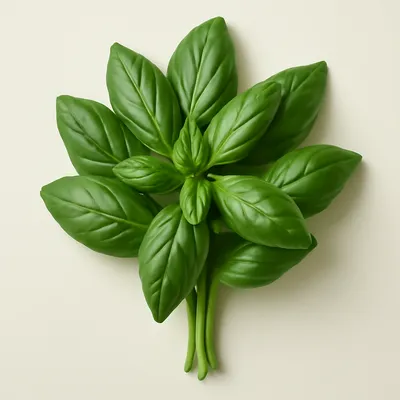
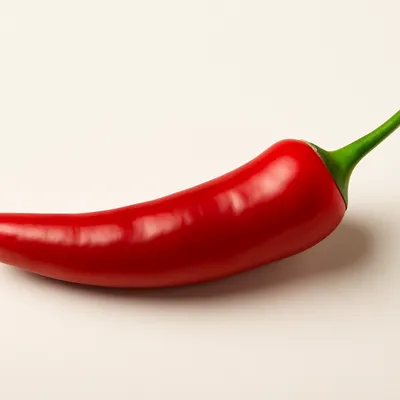
Originally a pheasant dish — the name comes from khokhobi (ხოხობი), Georgian for pheasant — from the wooded hills of Kakheti and Kartli where the bird was hunted into the 19th century. As pheasant became scarce, chicken took over. The technique (no water, herbs at the end) is what survived from the wild-bird original; it works because the bird's own fat carries the herb oils.
The name comes from khokhobi (ხოხობი), Georgian for pheasant — Kakheti and Kartli woods game until the 19th century, then chicken took over. No water added; the bird's own juice and tomato carry the pot.
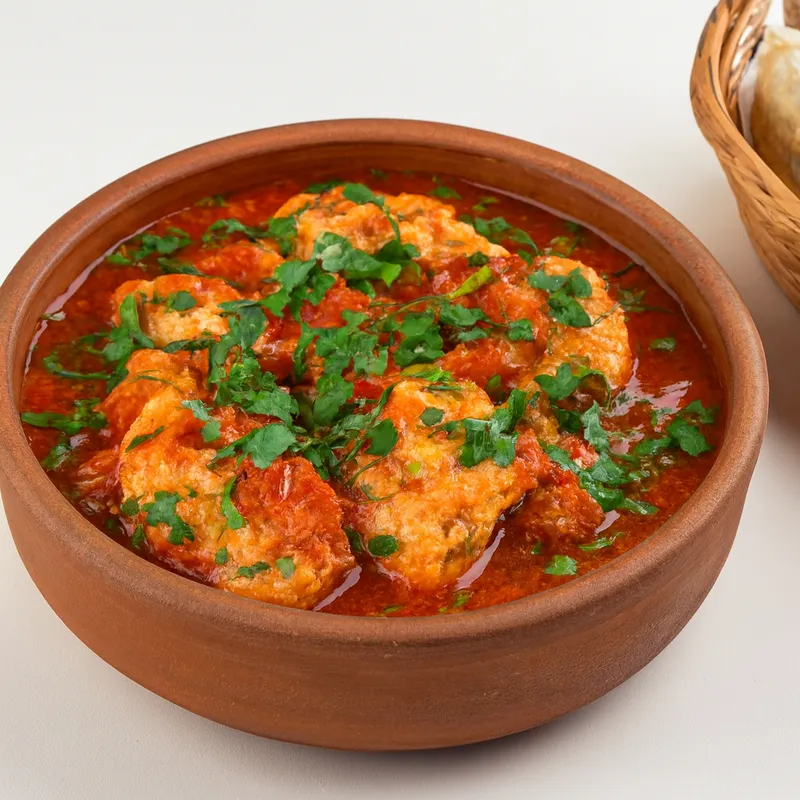
Chicken pulls cleanly off the bone in a tomato-and-onion sauce that's just barely thick enough to coat. Basil and cilantro hit at the end; the dish stays bright, never heavy.
No water is added — onions release their own liquid, tomatoes break down, and the chicken's collagen gradually emulsifies into the sauce. The technique was likely originally a way to cook over a single fire pit without measuring water.
Variations
The dish was originally pheasant (khokhobi means 'pheasant' in Georgian); modern versions use chicken because pheasant became too expensive — but the name kept the old bird.
On the Palate
Where Chakhokhbili sits in the Georgian flavor cloud
Add no water at all — brown the chicken skin-side down in a dry pan to render its own fat, then let the onions sweat out their juice and the tomatoes collapse, so the sauce bodies up from the bird's fat and collagen alone. Splash in water and you wash out the concentrated, herb-carrying richness that defines the dish.
Ingredients




How it's made
5 steps · 48 min
- 113 min
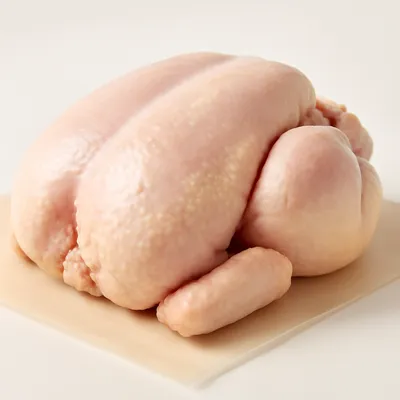
Heat a large, heavy-bottomed pan over medium-high heat. Place the chicken pieces skin-side down without any oil, letting them sizzle and render their fat until golden brown, about 8 minutes. Flip to brown the other side for another 5 minutes.
Watch outLeave the skin untouched in the dry pan until it releases easily and looks deep golden — poke it too soon and it sticks and tears instead of rendering.
- 27 min
Remove the chicken and set aside. In the same pan, add chopped onions and cook in the rendered fat until they are translucent and slightly caramelized, about 7 minutes. Stir occasionally to prevent burning.
Watch outCook the onions down until they turn slippery and glossy with their own juice pooling in the pan — that liquid is your only cooking water, so don't let it burn off.
- 31 min
Add minced garlic and chopped chili pepper to the onions. Stir and cook until the garlic is fragrant, about 1 minute.
Watch outBe careful not to burn the garlic, as it can turn bitter quickly.
- 425 min
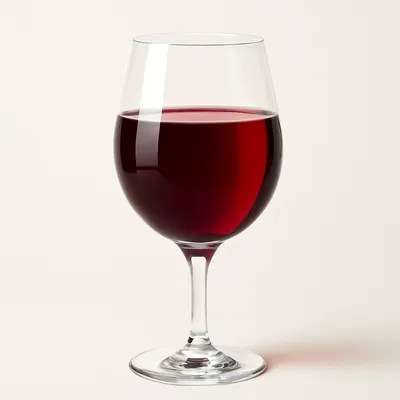
Return the chicken to the pan, adding chopped tomatoes and red wine. Bring to a gentle simmer, ensuring the chicken is mostly submerged in the liquid. Cover and let it stew until the chicken is tender, about 25 minutes.
Watch outKeep it at a lazy simmer with the chicken half-submerged; it should bubble gently, never gallop — a hard boil toughens the meat before the sauce thickens.
- 52 min
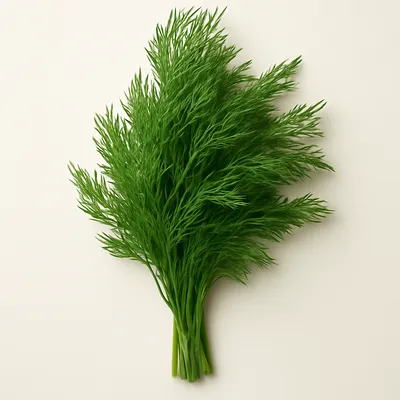
Stir in chopped cilantro, basil, and a knob of butter. Allow the herbs to wilt and the butter to melt into the sauce, about 2 minutes.
Watch outPull the pan off the heat before the herbs go in — you want them just wilted and fragrant, still green, not stewed down grey.
Archive tool suggestions — not reviewed
These legacy suggestions have not been evidence-reviewed and are not presented as required tools.