
Georgian
Walnuts, herbs, and cheese baked into bread. Hospitality as cuisine.
Khachapuri
Khachapuri, a cheese-filled bread, epitomizes the rich dairy and baking traditions of Georgian cuisine.
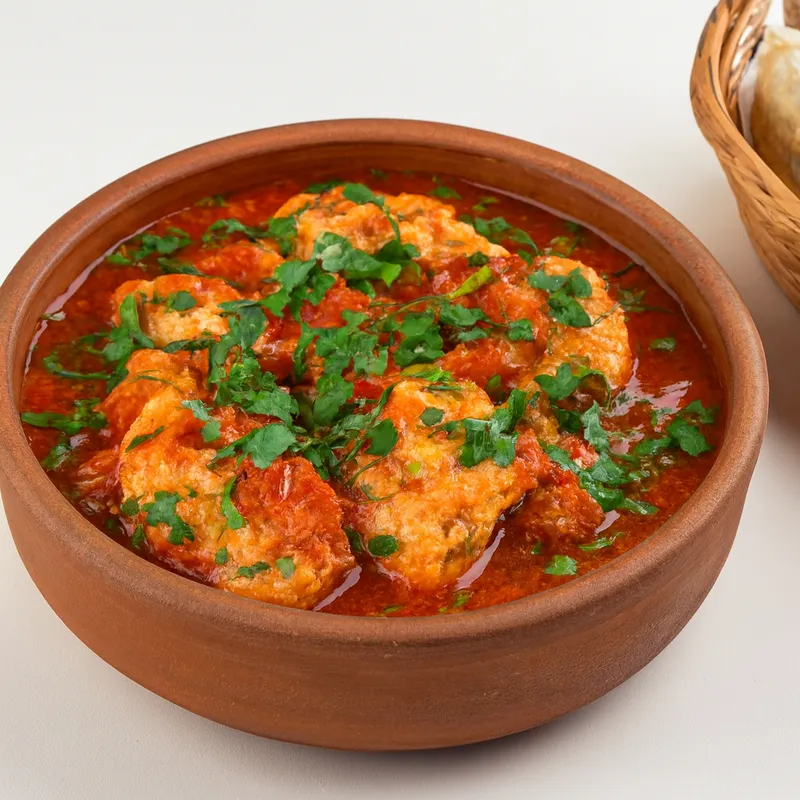
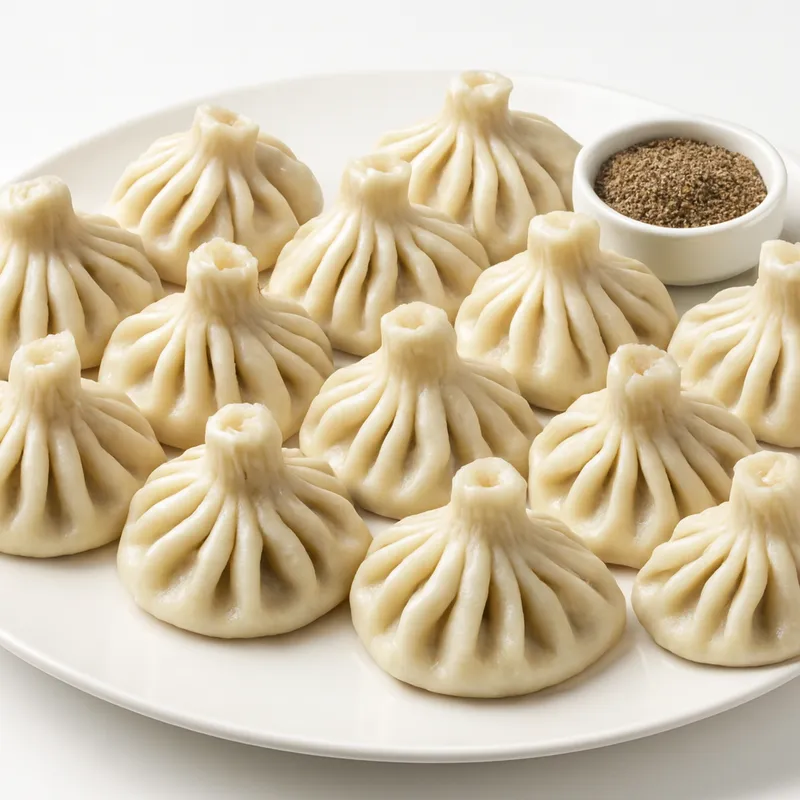
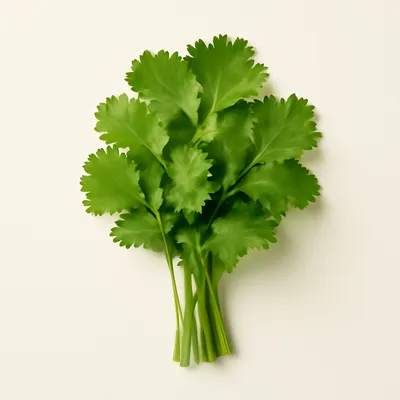
View page →Georgian food is generous, herb-heavy, and made for a long table. The two icons are khachapuri, a boat of bread filled with melted cheese and, in the Adjarian version, finished with a raw egg and butter you stir in at the table, and khinkali, large twisted soup dumplings filled with spiced meat that you eat by hand, biting a hole to drink the broth first. Walnuts run through the cooking — ground into the sauce for satsivi (cold poached chicken) and into pkhali, vegetable-and-walnut pâtés topped with pomegranate seeds. Fresh coriander, blue fenugreek, and the spice blend khmeli suneli season stews like chakhokhbili, chicken cooked down with tomato and herbs. Georgia is also one of the oldest wine cultures on earth, fermenting grapes in buried clay vessels called qvevri, and a meal is run by a toastmaster, the tamada, who steers the toasts.
The Palate
What makes it taste like itself
Start Here
Khachapuri is the quintessential Georgian comfort food, a cheesy bread that captures the soul of the country with its gooey center and crispy crust.
Why start here · Start here to experience the heartwarming simplicity and richness that defines Georgian cuisine.
Khinkali are juicy dumplings that offer a burst of seasoned meat and broth, a staple that showcases the art of Georgian seasoning and communal dining.
Why start here · Begin with Khinkali to understand the communal spirit and flavor complexity of Georgian meals.
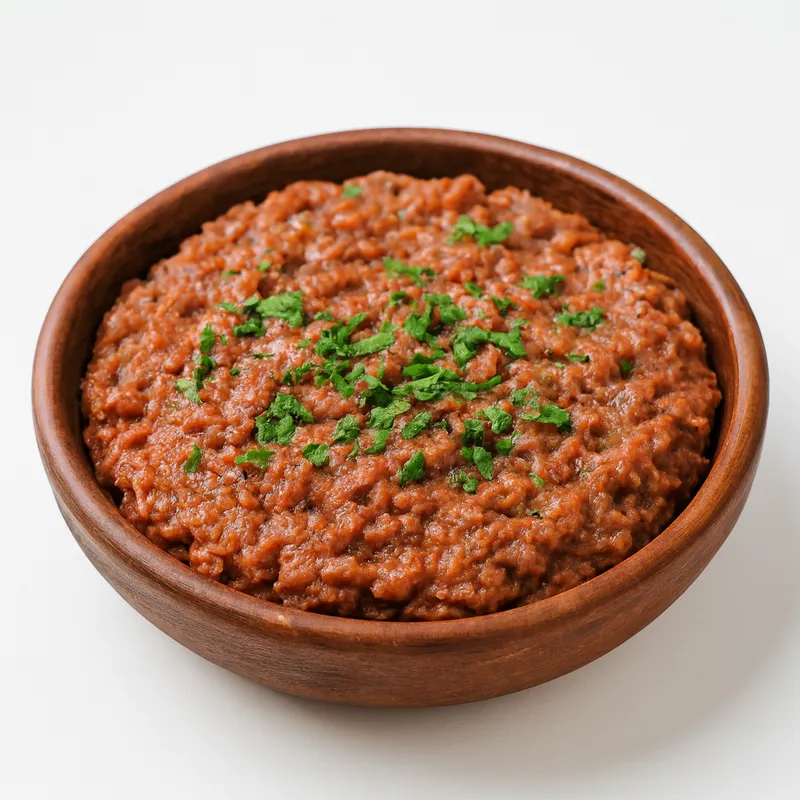
Lobio, a bean stew, is a hearty, filling staple of Georgian cooking, with layers of flavor from onions, walnuts, and herbs.
Why start here · Choose Lobio to experience the earthy, nourishing side of Georgian cooking.
Pkhali dishes are colorful vegetable and walnut spreads, showcasing the bold use of herbs across a range of flavors.
Why start here · Start with Pkhali to appreciate the creativity and diversity of Georgian vegetable dishes.
Cook First
The easiest way in


The Pantry







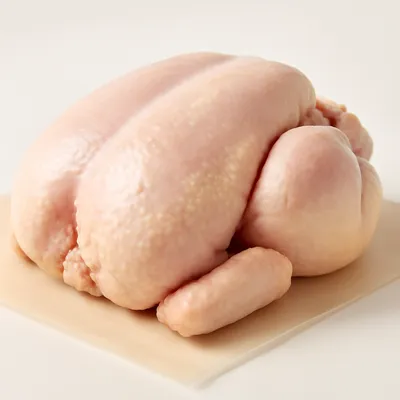
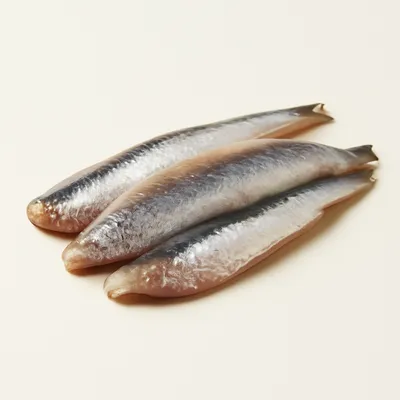
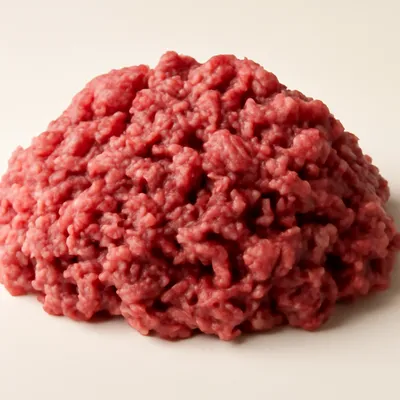
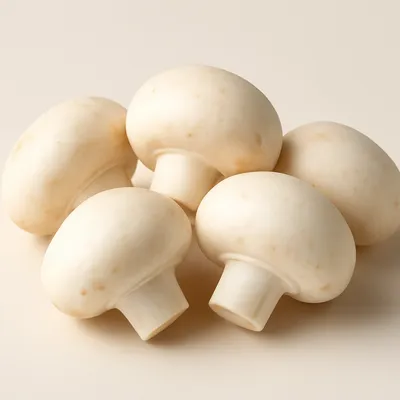
See all 119 ingredients›







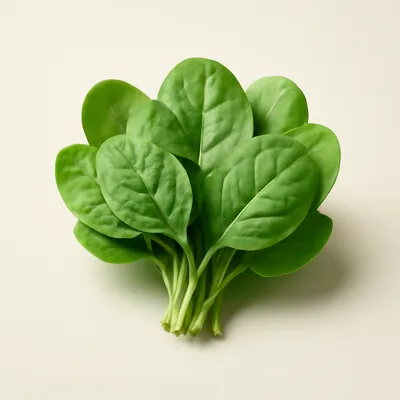



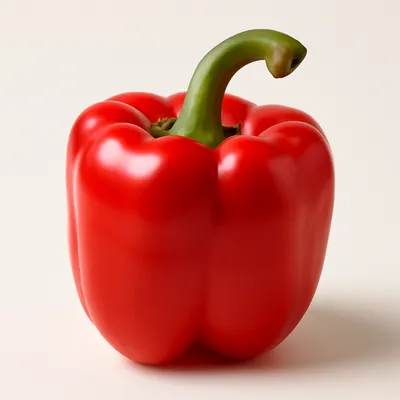

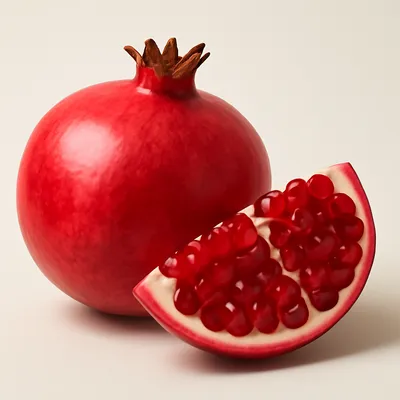



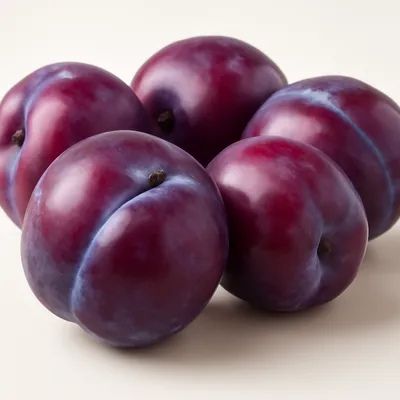




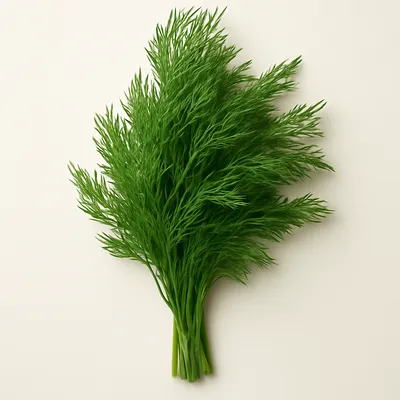
Herbs & Spices




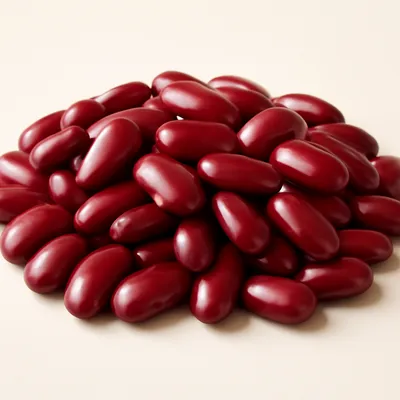
Grains & Staples





Dairy & Fats










Regional Kitchens
Four regional kitchens, from the Black Sea coast to Kakhetian wine country. Tap a region to see its table.
Central canon — round khachapuri, vegetable-heavy pkhali, lobio bean stews. The Georgian table foreigners first meet.
Black Sea coast — boat-shaped khachapuri with egg, achma layered cheese pie, citrus and mackerel from the sea.
Eastern wine country — meat-forward mtsvadi skewers, churchkhela walnut candies from grape must, khinkali dumplings.
Western Georgia, the spiciest sub-cuisine — walnut sauces, ajika chili paste, sulguni cheese, cornmeal everywhere.
How They Cook
Techniques that define this cuisine
Kneading
Kneading is essential in Georgian kitchens for preparing doughs that form the base of many beloved dishes like khachapuri and khinkali.
Baking
In Georgian cuisine, baking turns simple doughs into golden and crispy khachapuri that are a staple at any table.
See 13 more techniques›
Boiling in Georgian cooking often brings out the deep flavors of meats and vegetables, as seen in hearty soups and stews.
Sauteing in Georgian cuisine is used to quickly cook fresh ingredients, locking in flavors and creating vibrant dishes that awaken the senses.
Simmering allows Georgian dishes to develop rich and complex flavors over time, particularly in stews and sauces.
Braising in Georgian cuisine melds robust flavors as meats are slowly cooked with spices, creating tender and aromatic dishes like chakhokhbili.
Kindred Kitchens
Cuisines built on the same signature ingredients
Signature Dishes (70)
Browse all 70 dishes›
Drinks
1
Starters
10


Mains
26