In Practice
Two-zone setup: direct over coals for sear, indirect (cooler side) for through-cook on thick cuts. Lump charcoal or hardwood — never lighter fluid. Grate 3-5 cm above coals for steak, 10-15 cm for slow proteins. Oil the food, not the grate. Probe internal temp; flip once at 60-70% of estimated time. Failure modes: putting cold meat on hot grate causes sticking — proteins won't release until crust forms; flare-ups from dripping fat carbonize the outside, leaving acrid PAHs rather than aromatic phenols.
Background
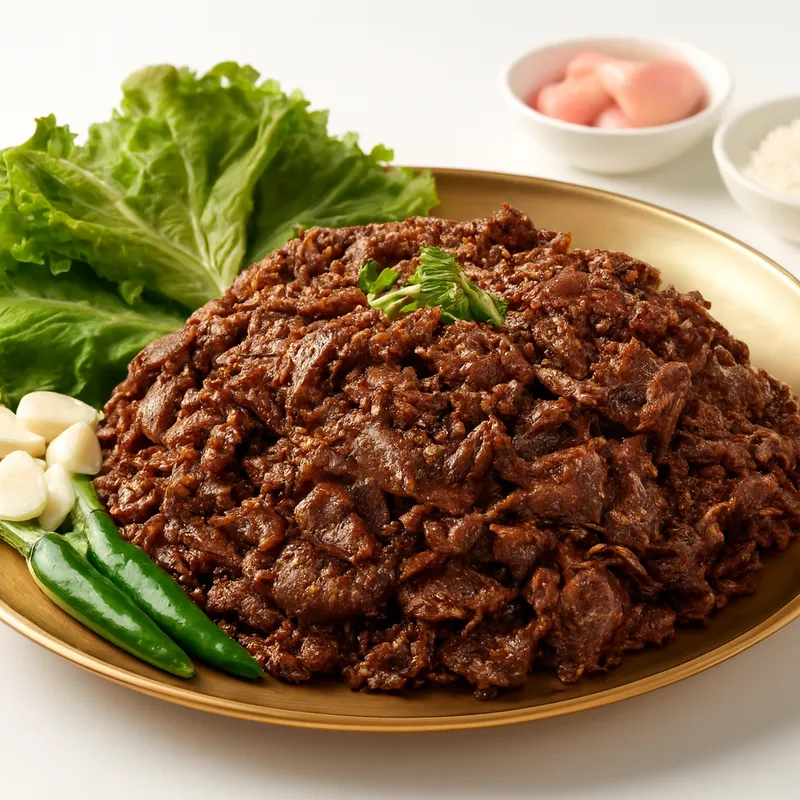
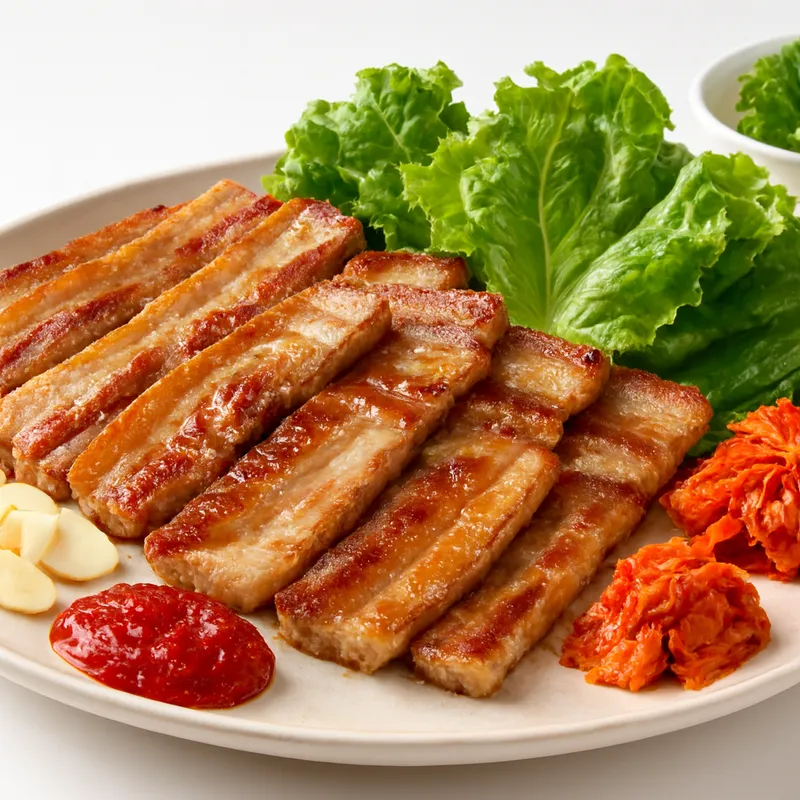
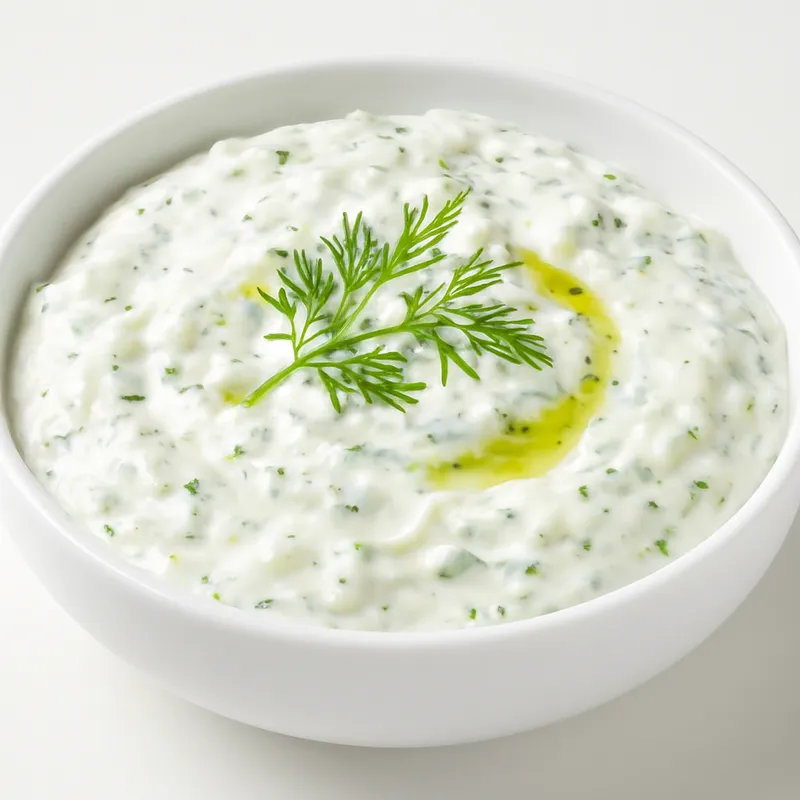
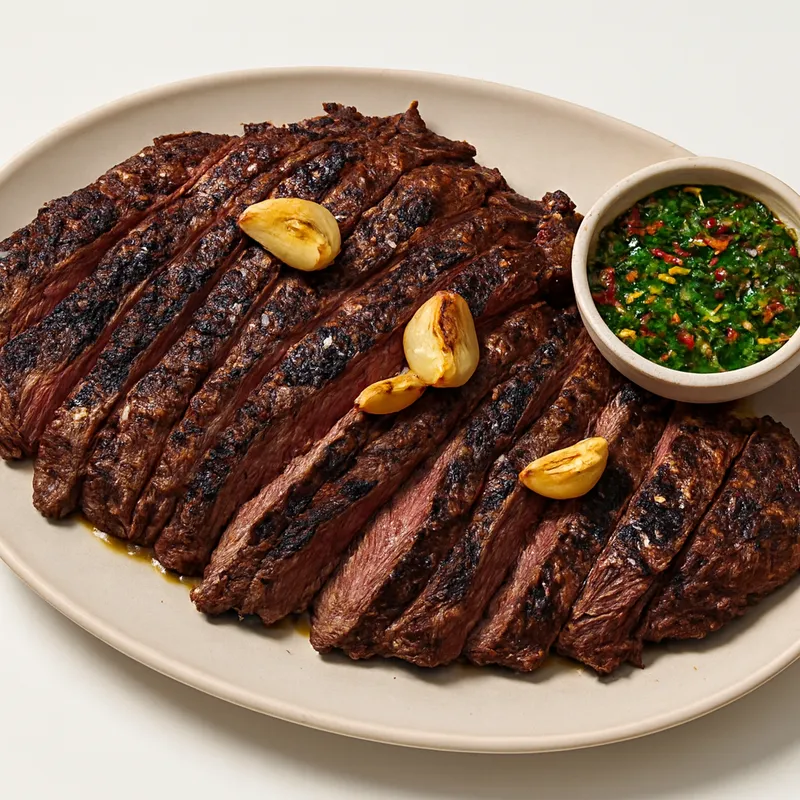
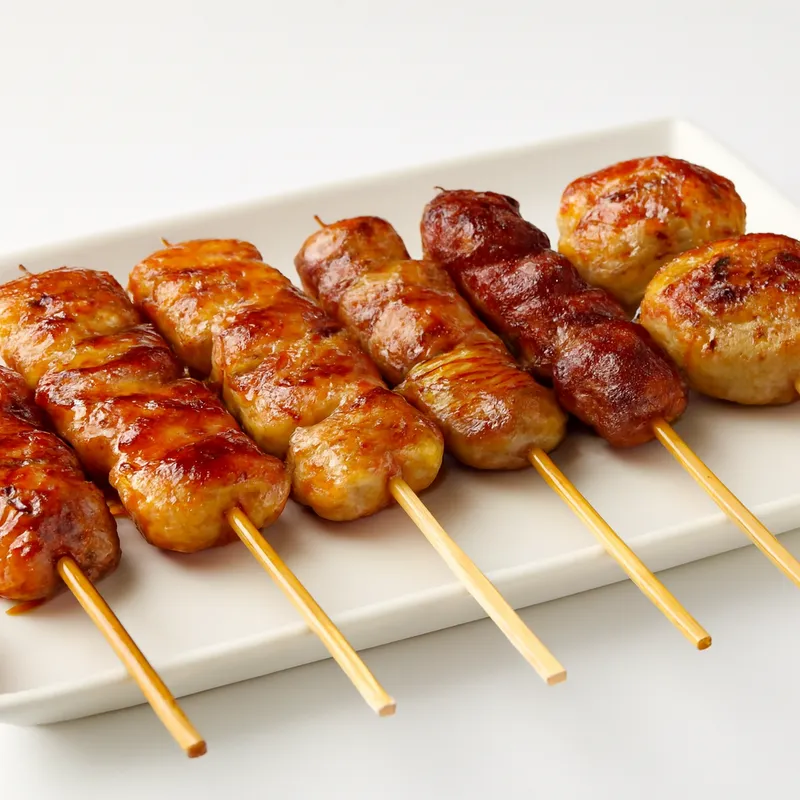
Grilling is a universal cooking technique that has been refined into distinct traditions around the world. In Japan, yakitori involves skewered chicken grilled over binchotan charcoal, which imparts a distinctive aroma and flavor. Argentina's asado is a social event where large cuts of meat are cooked slowly over wood or charcoal embers, emphasizing the natural taste of the meat. In Korea, samgyeopsal features thick slices of pork belly grilled at the table, often wrapped in lettuce with garlic and ssamjang. Each tradition highlights unique cultural preferences and cooking methods.
How It Works
Radiant infrared from glowing fuel (charcoal 600-700°C, wood embers 800°C) plus convective hot air sears protein surfaces within seconds — far above Maillard threshold. Dripping fat pyrolizes on contact with embers, generating polycyclic aromatic compounds (notably guaiacol, syringol) that volatilize back onto the meat as smoke notes. Crust forms before interior reaches doneness.
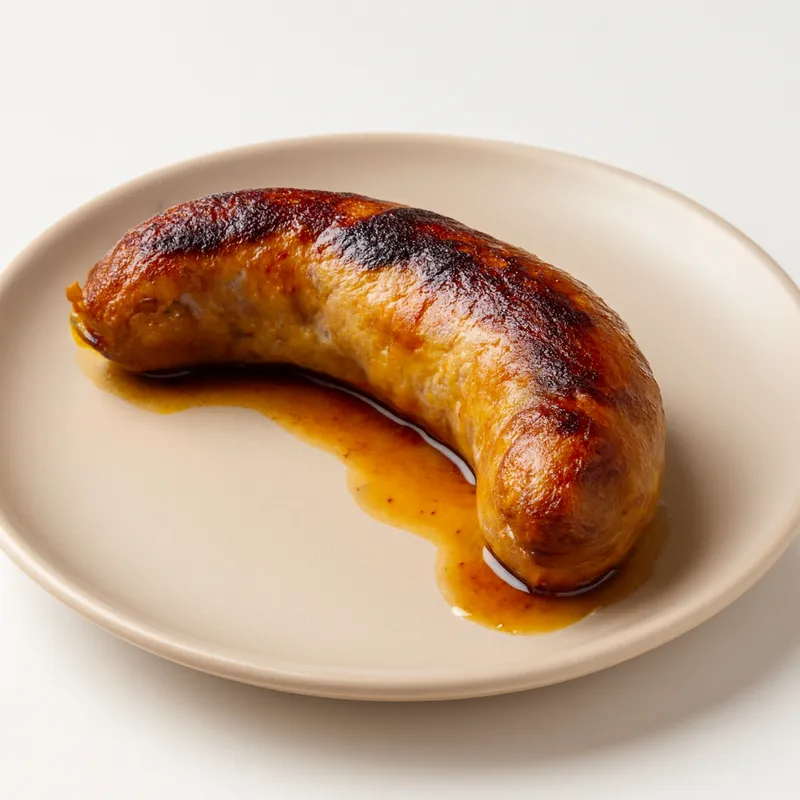
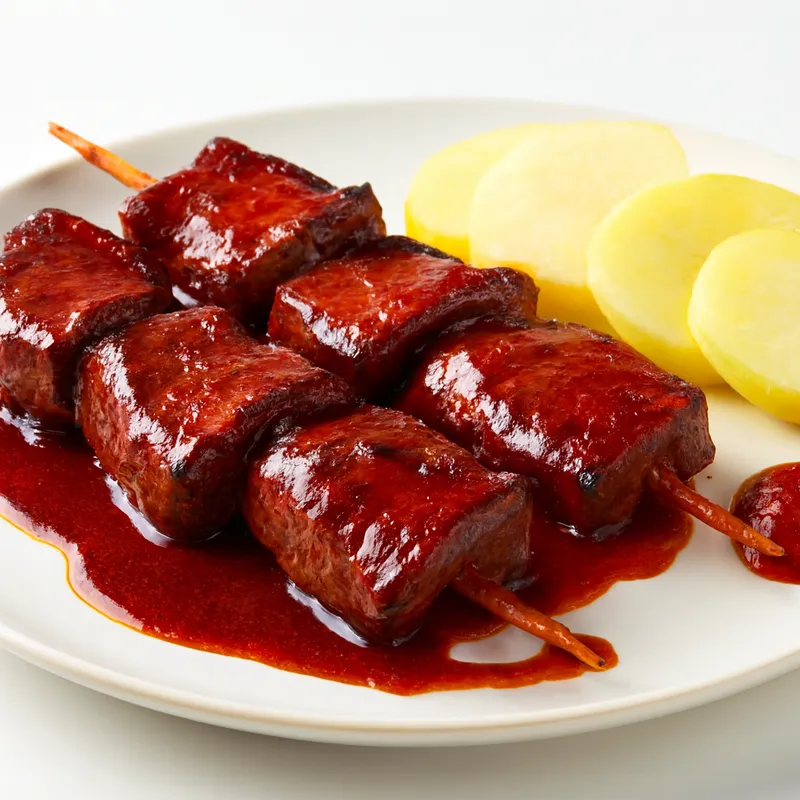
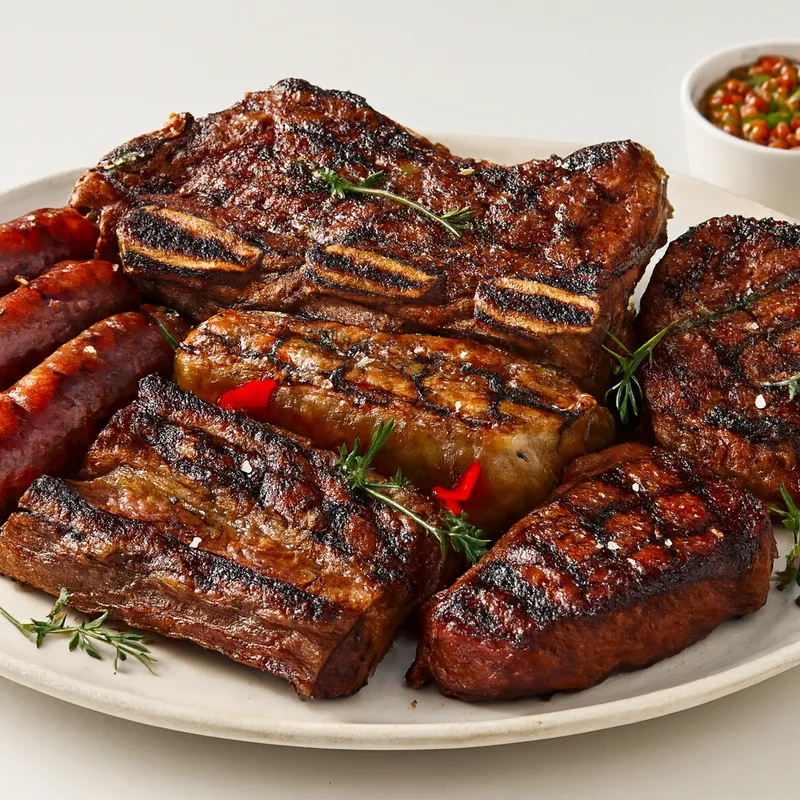
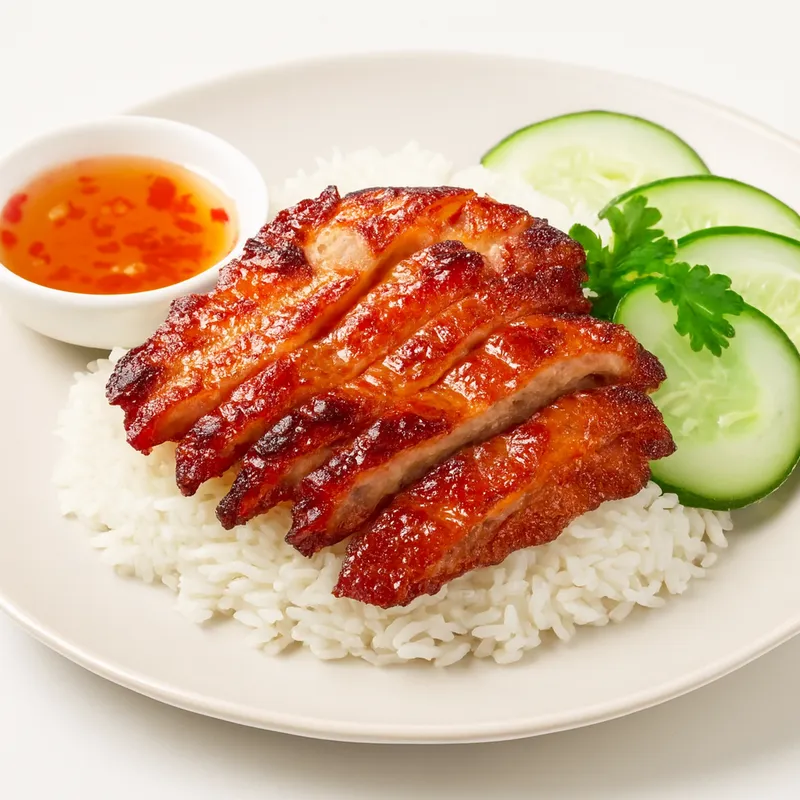
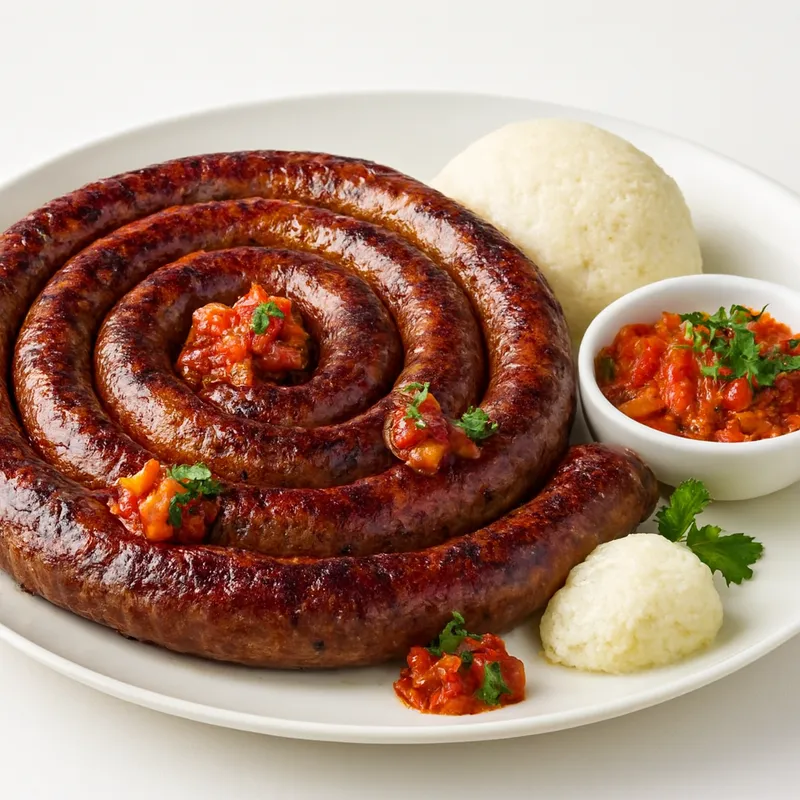
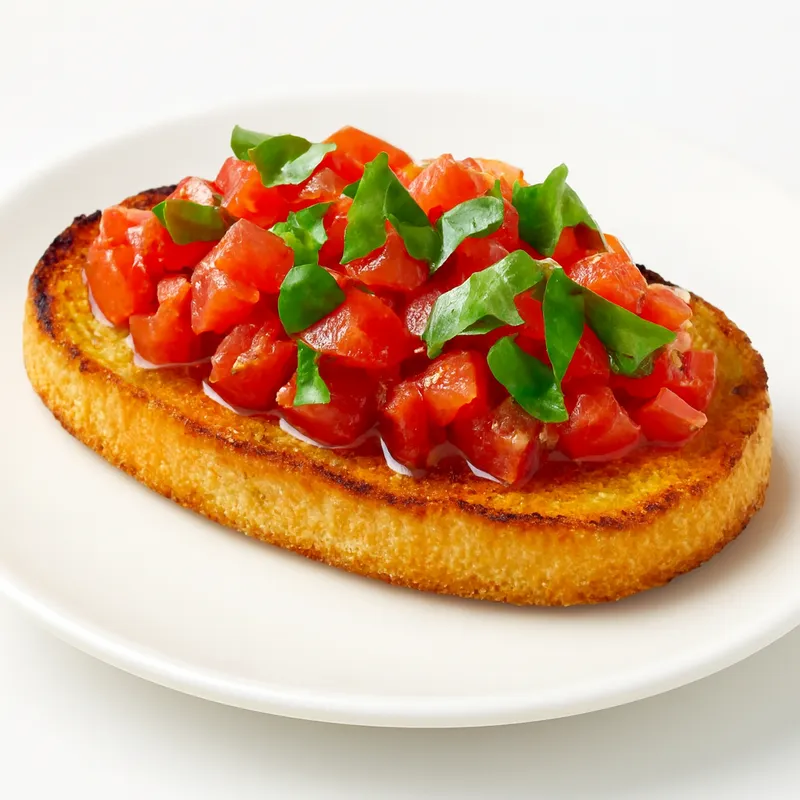
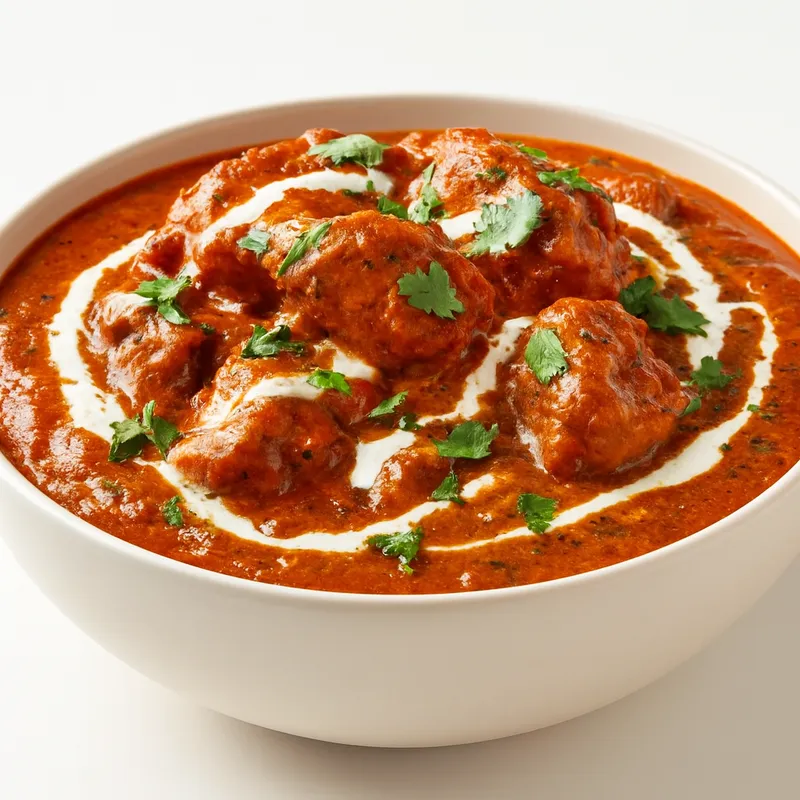
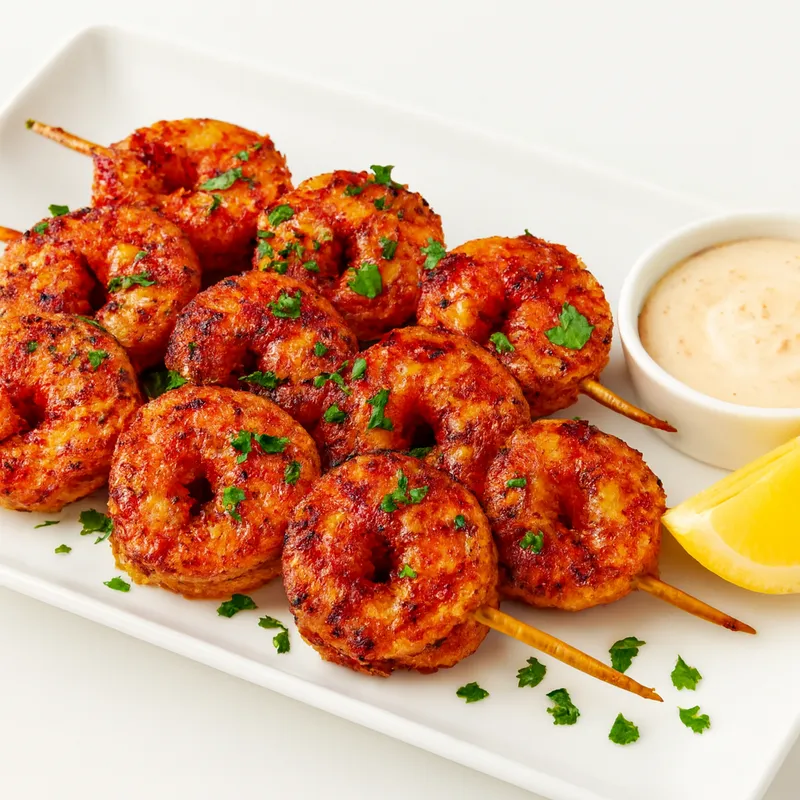
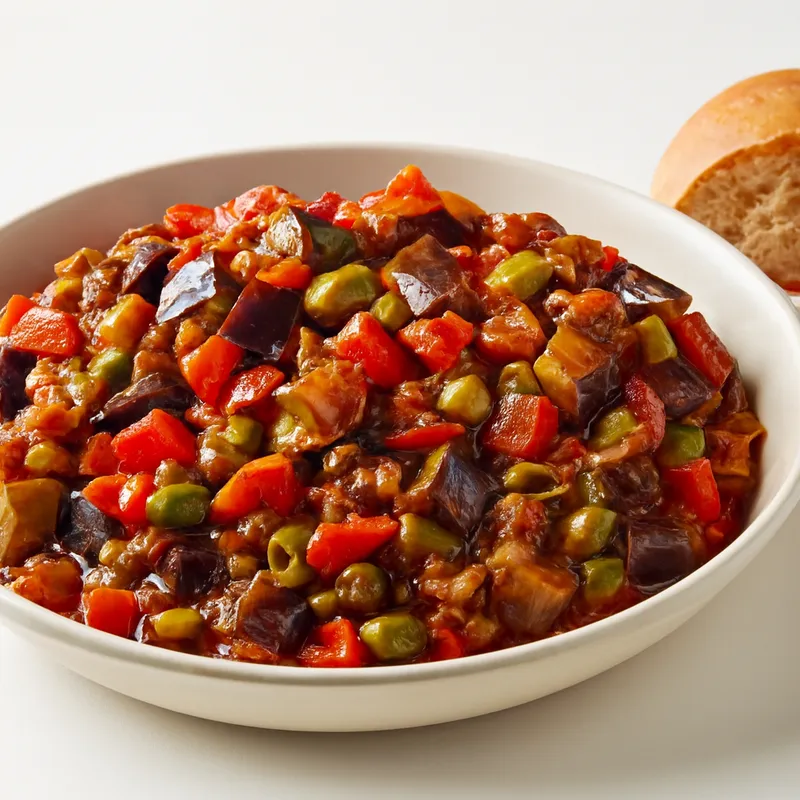
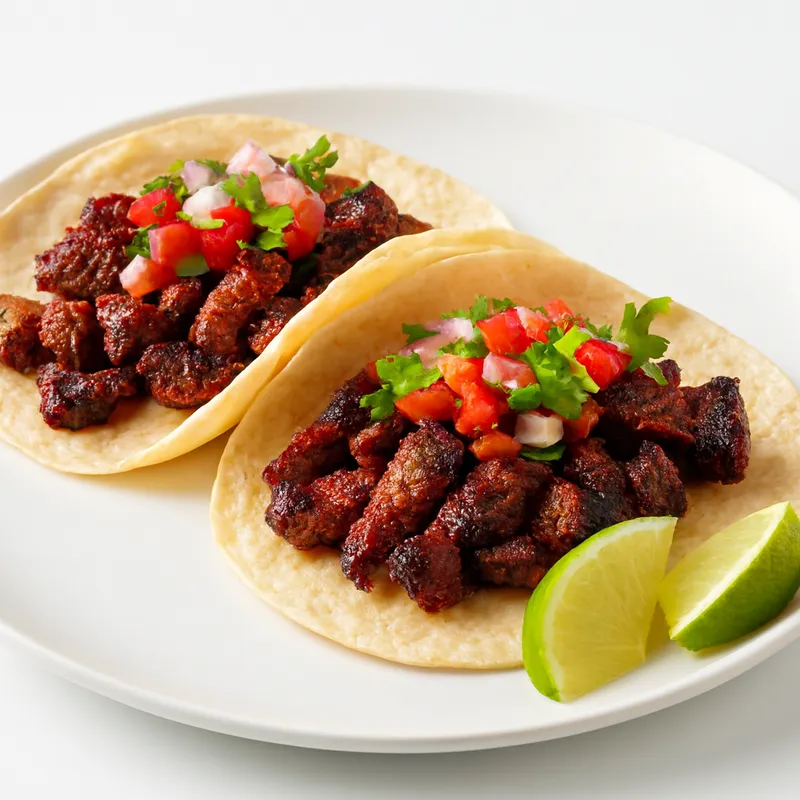
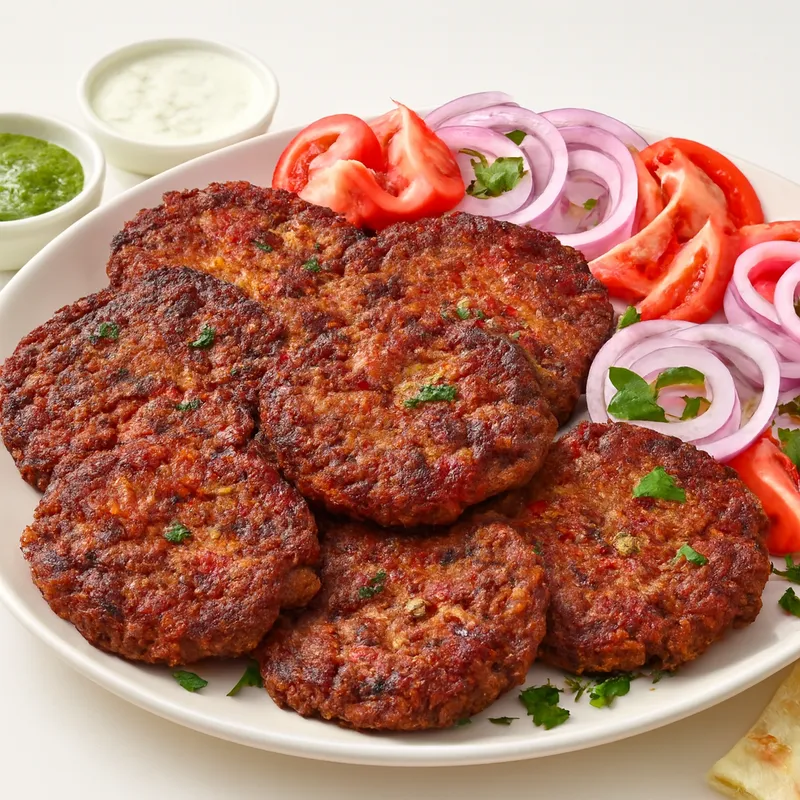
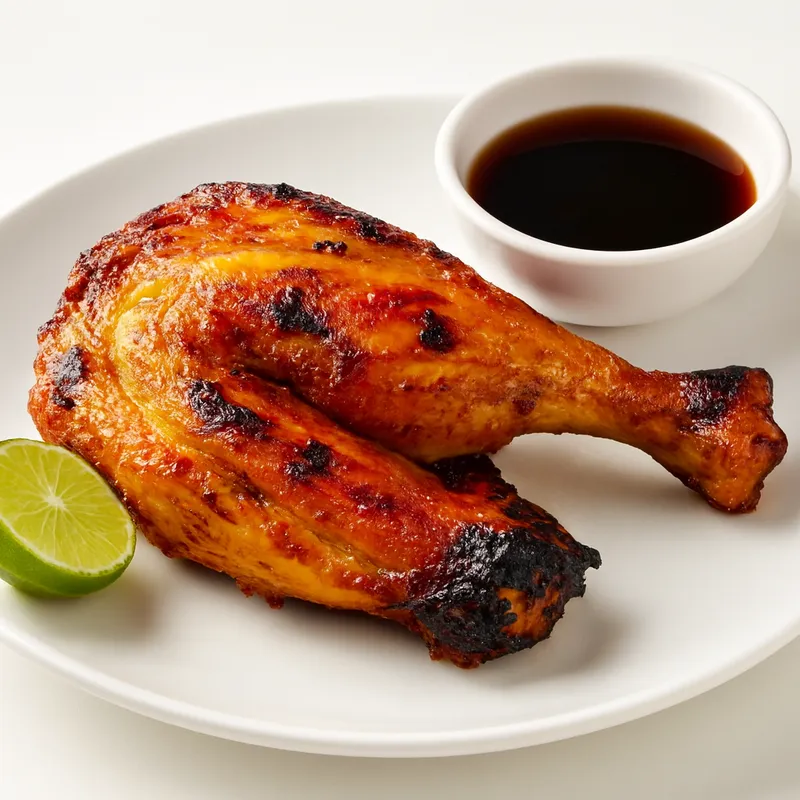
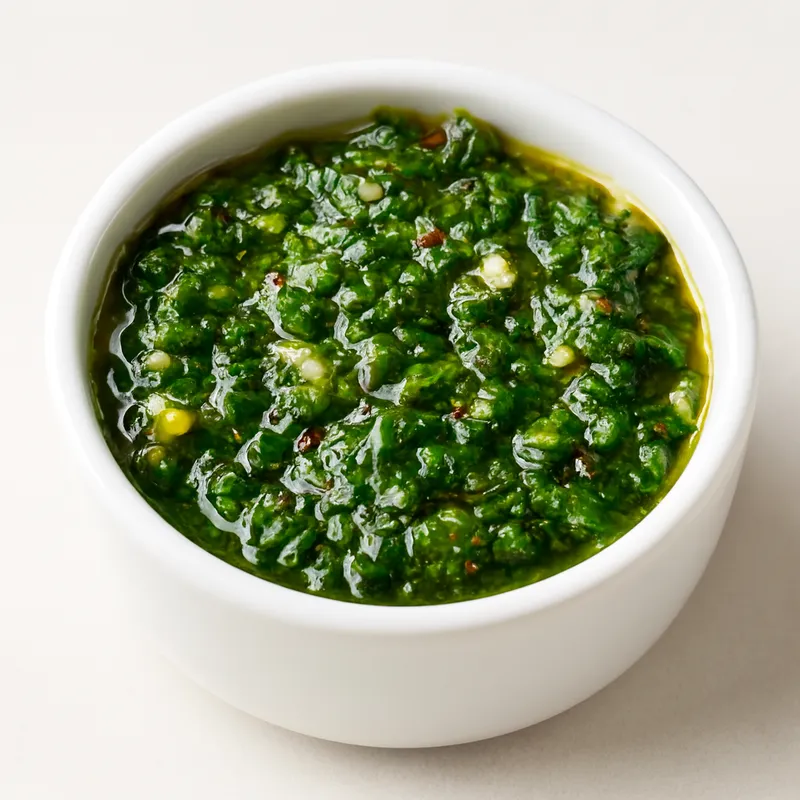
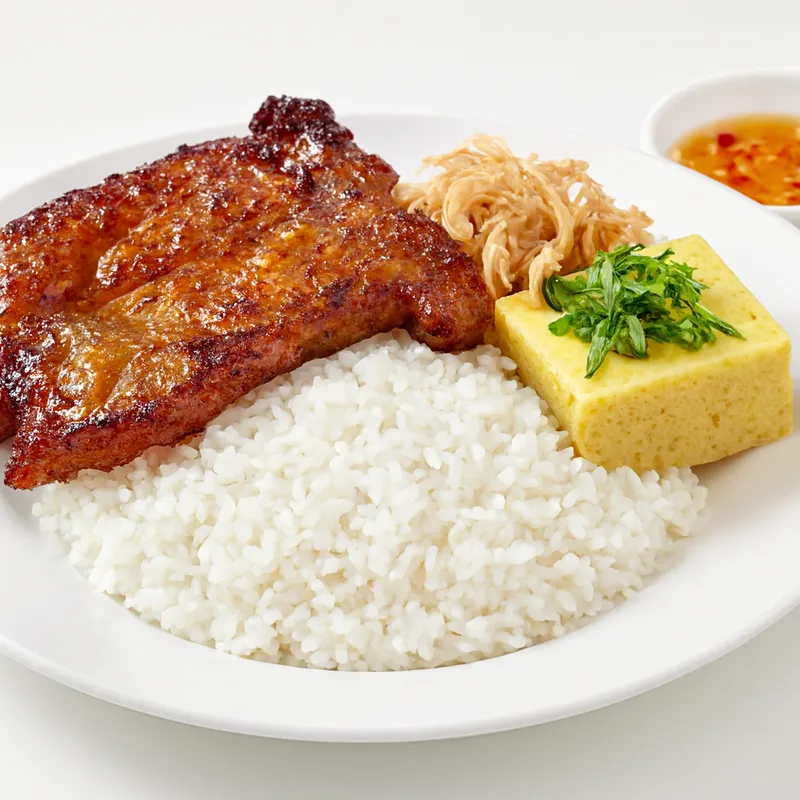
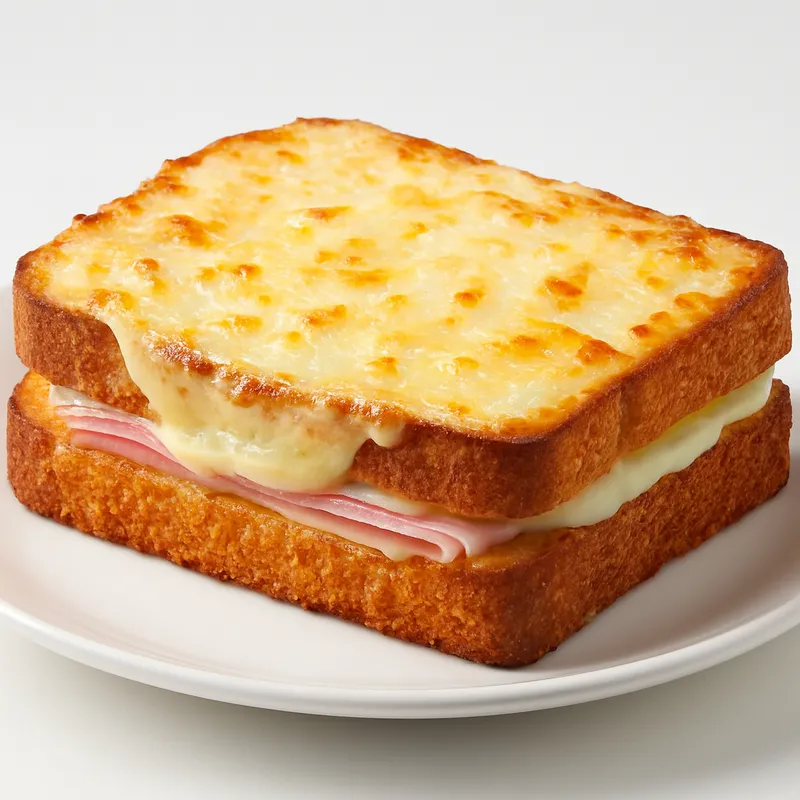
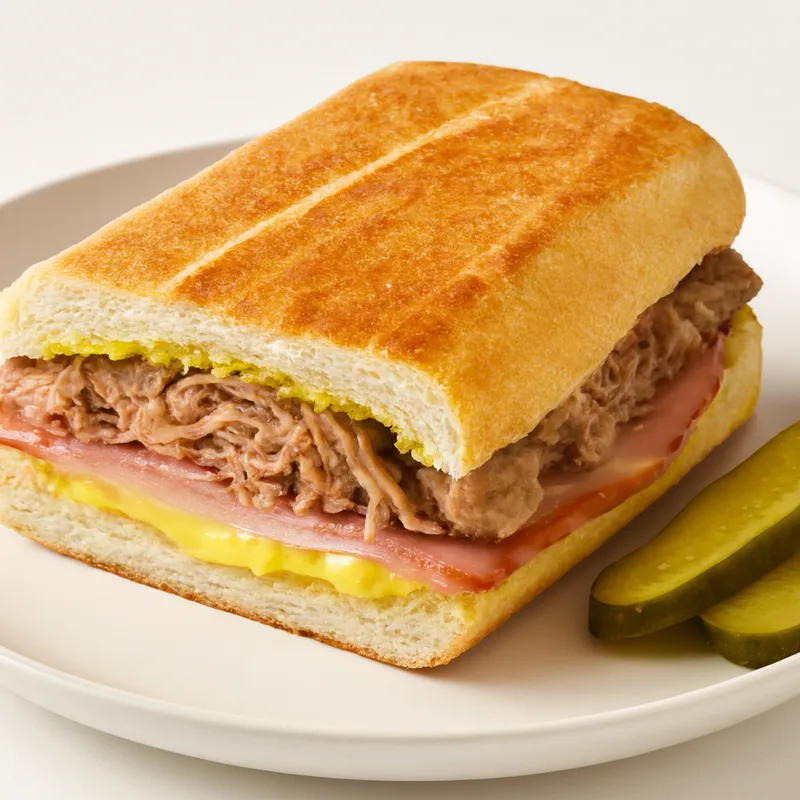
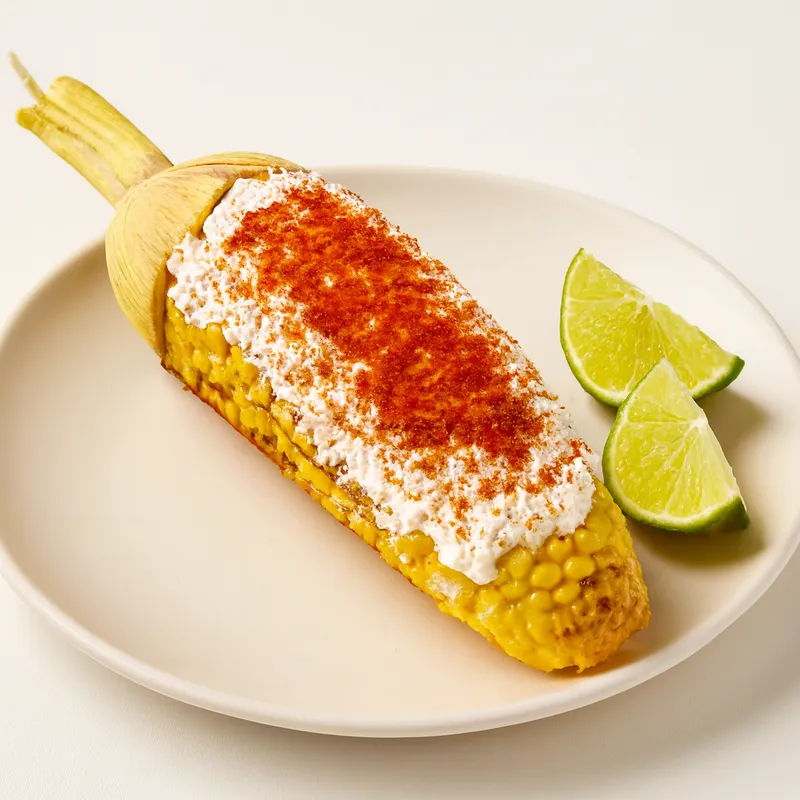
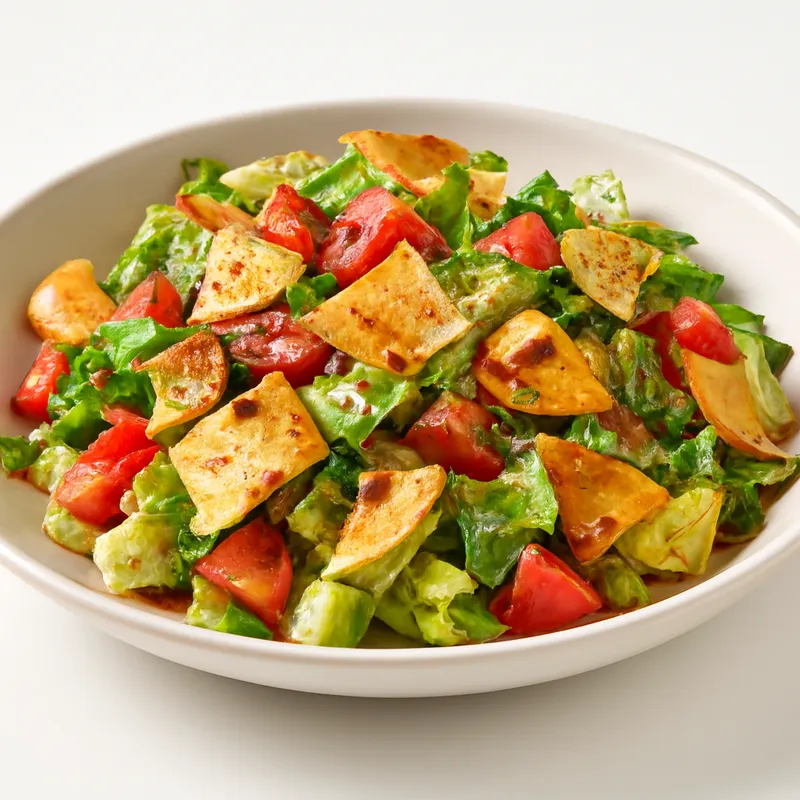
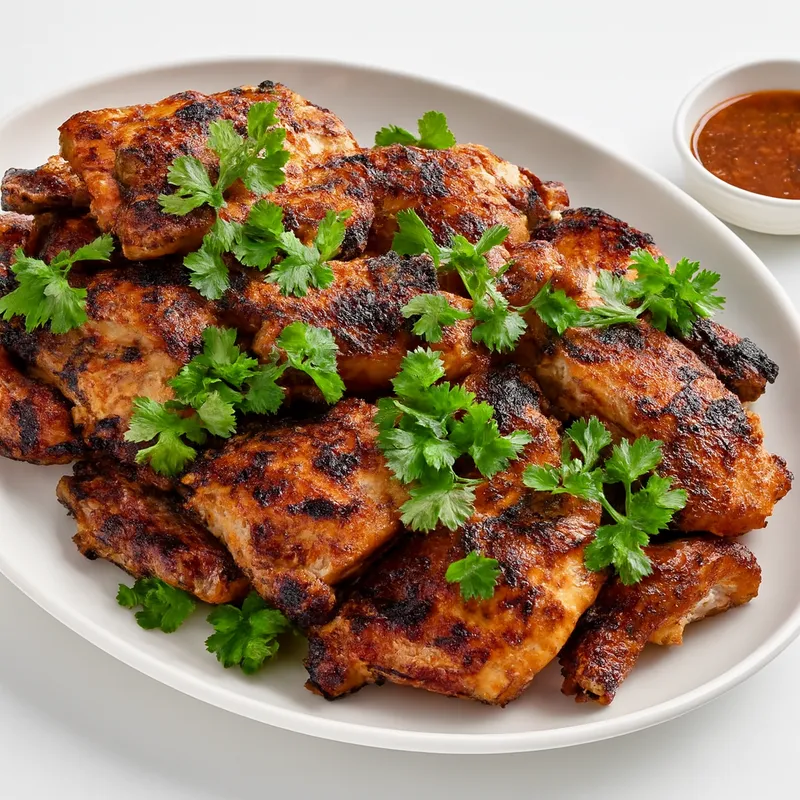
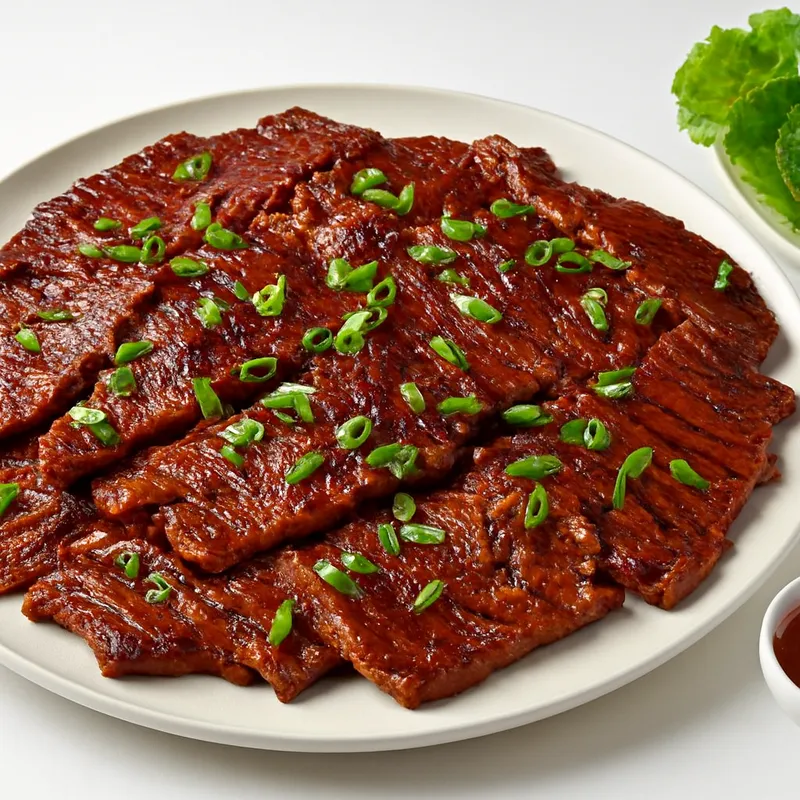
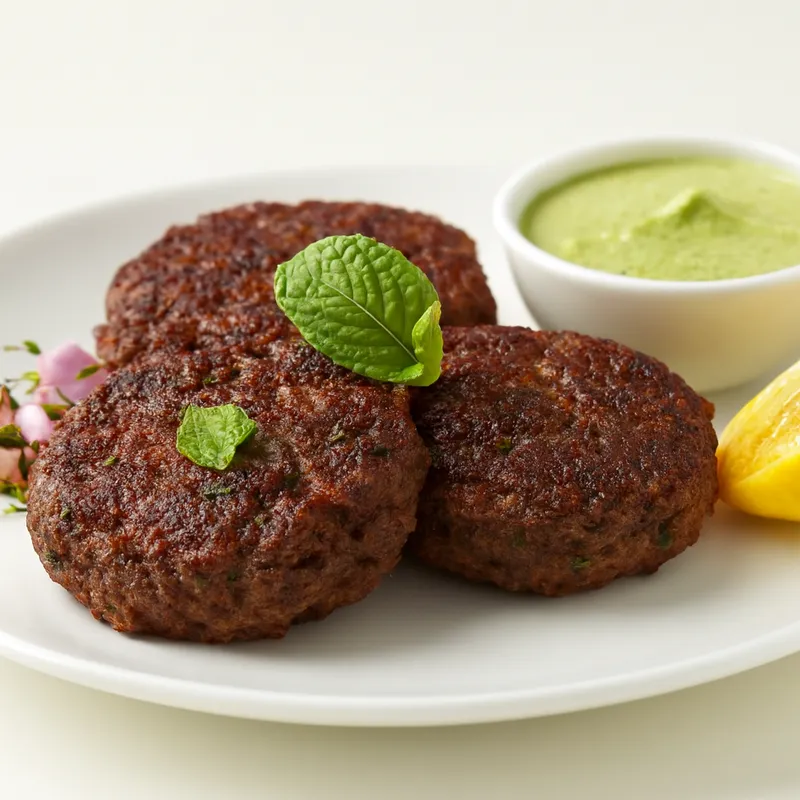
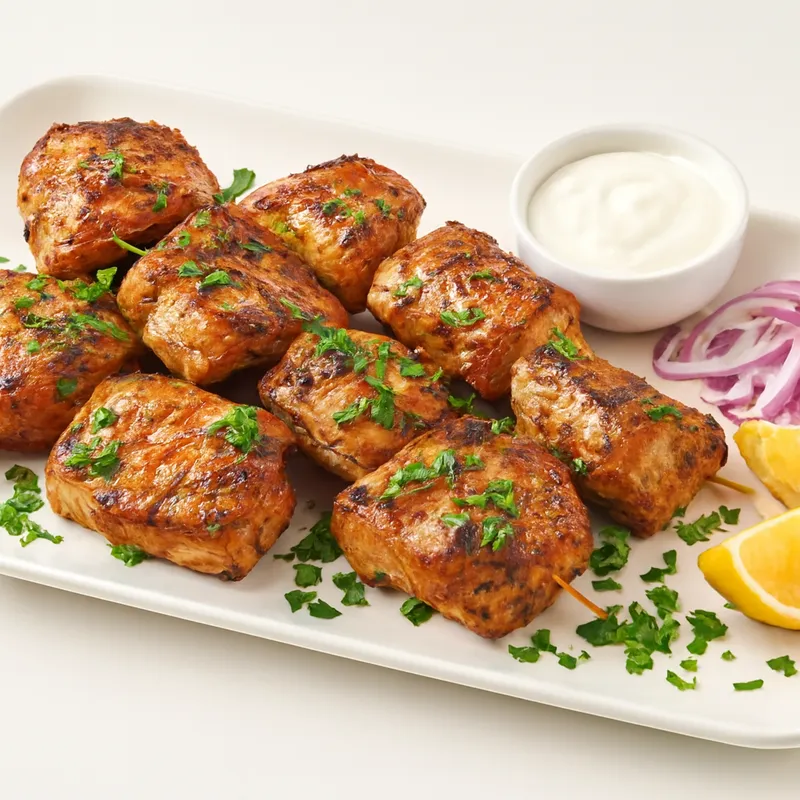
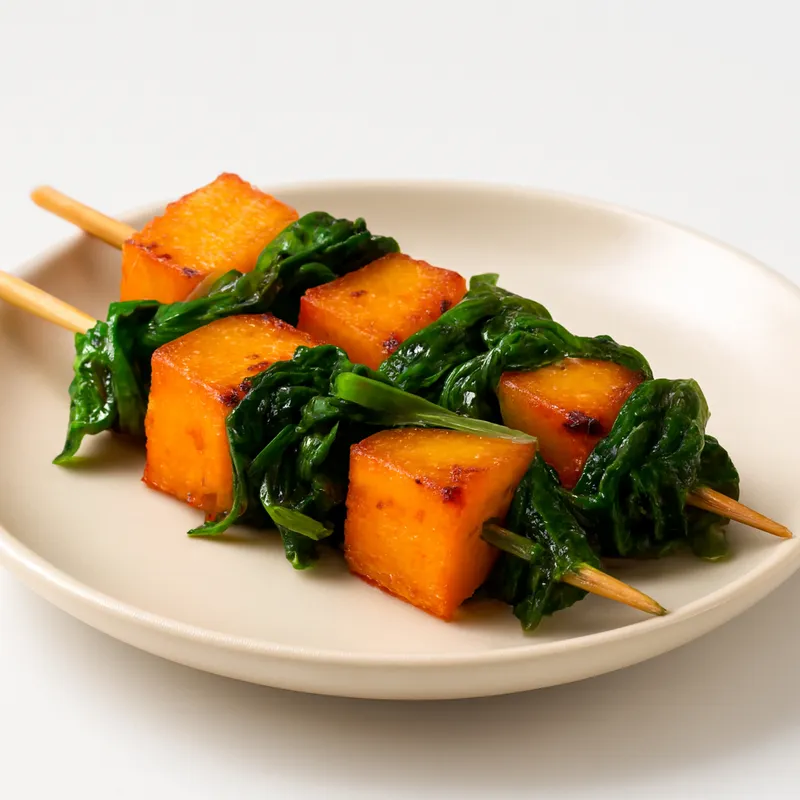
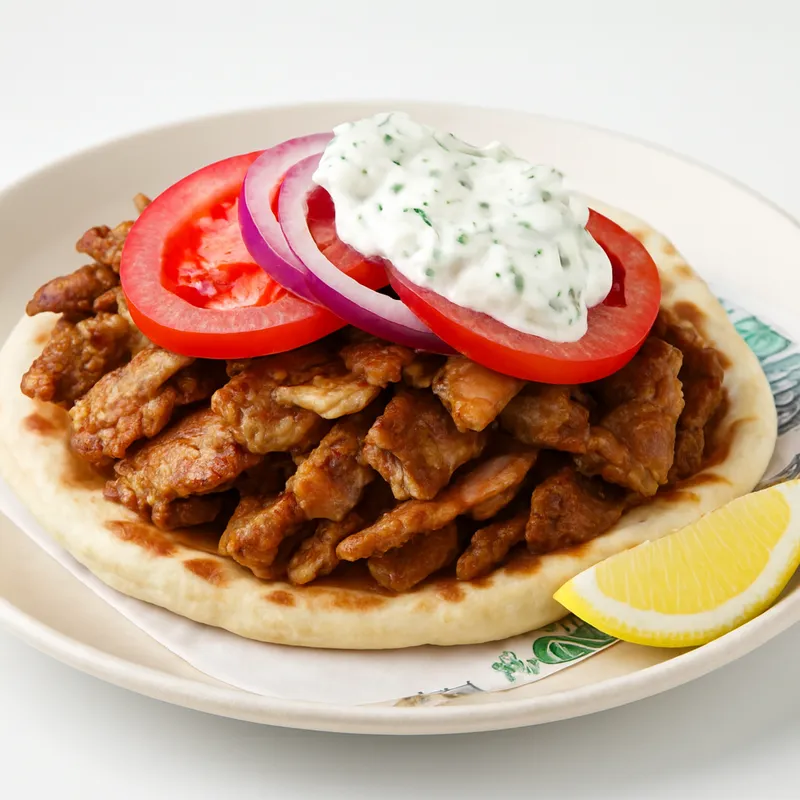
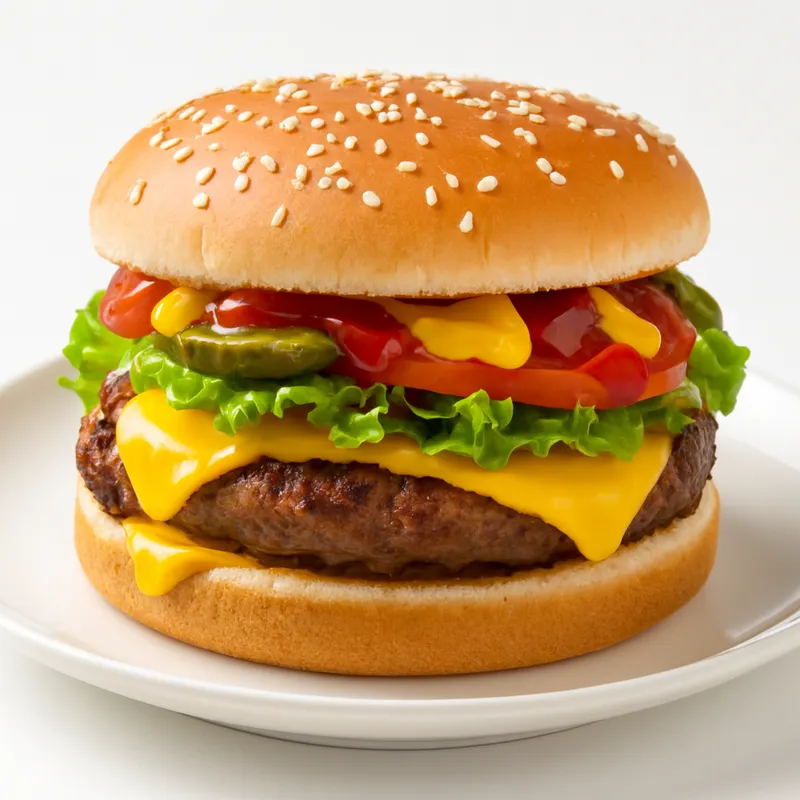
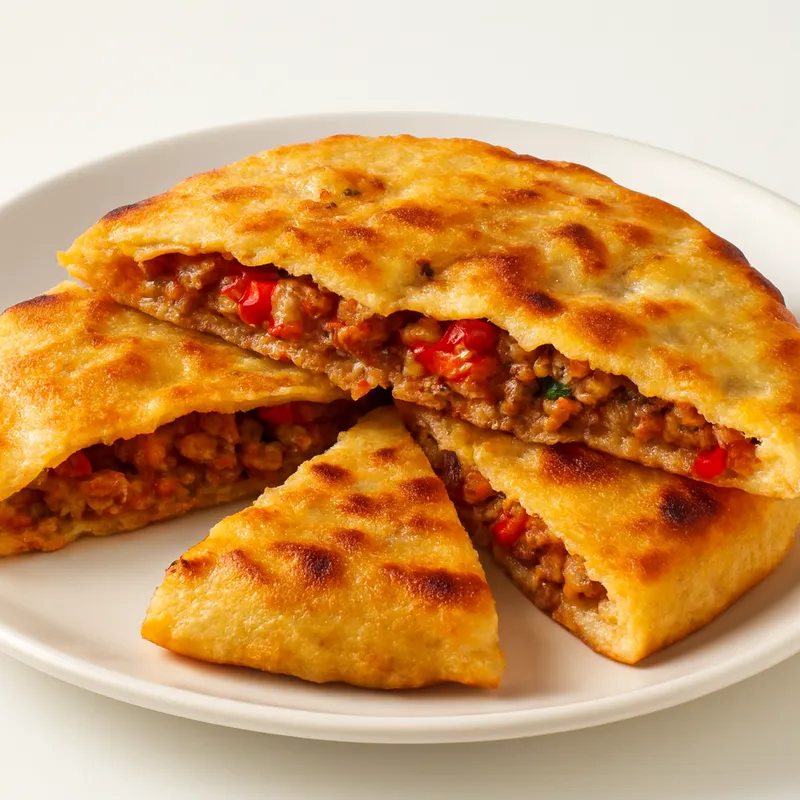
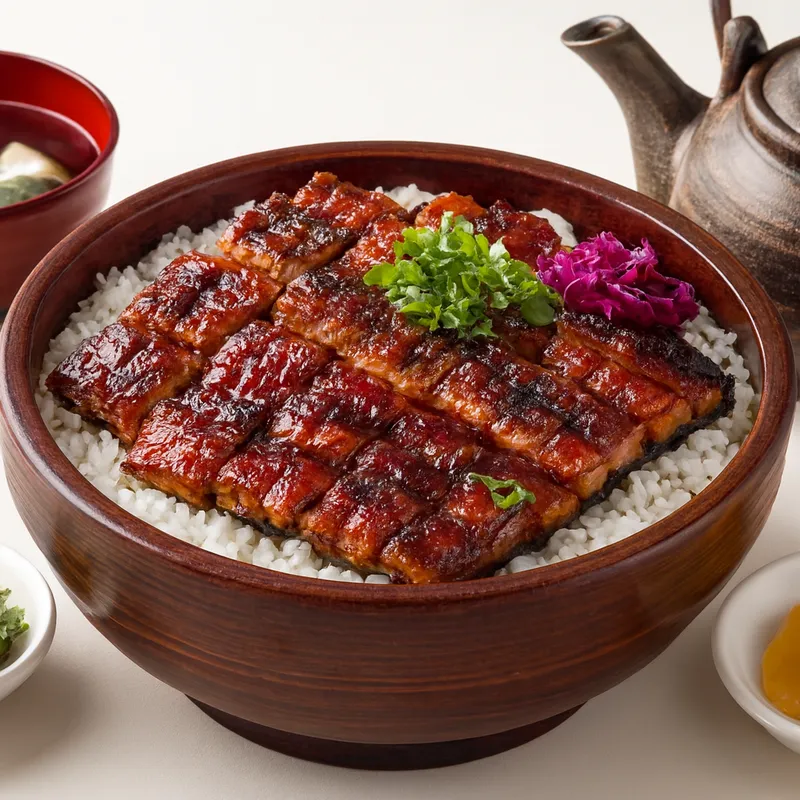
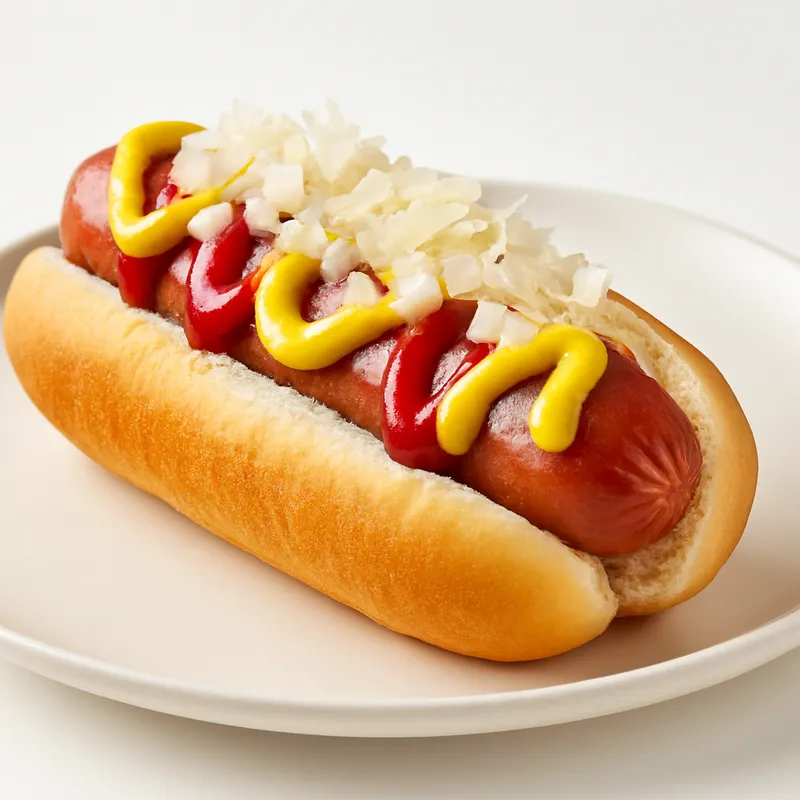
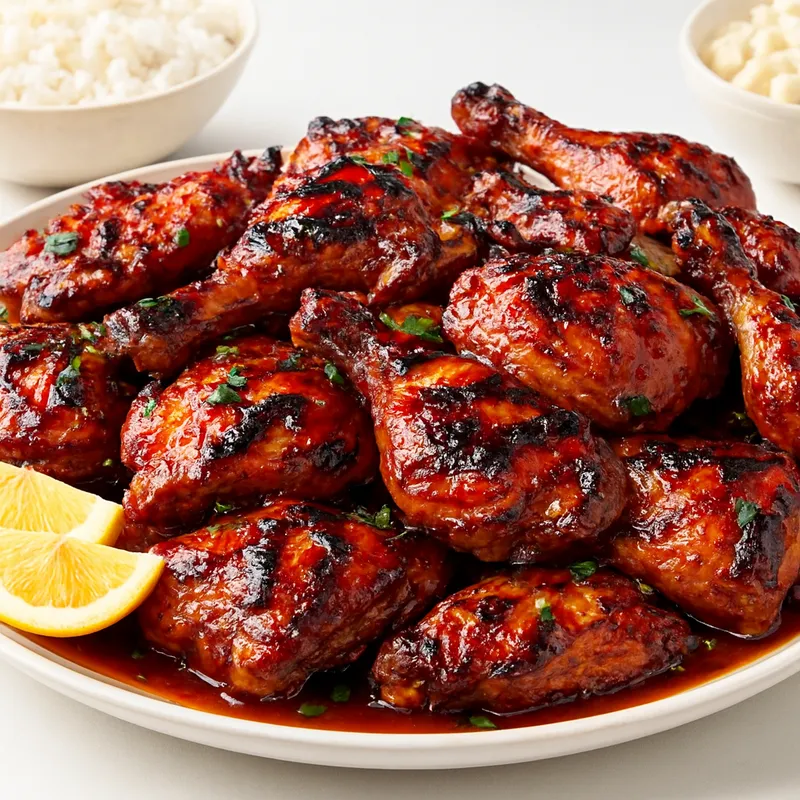
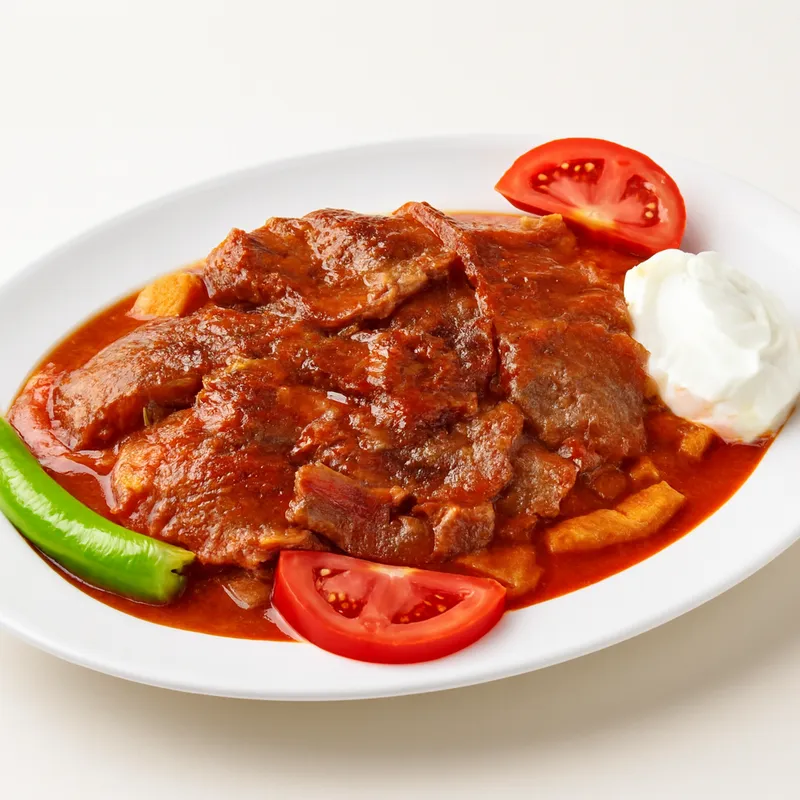
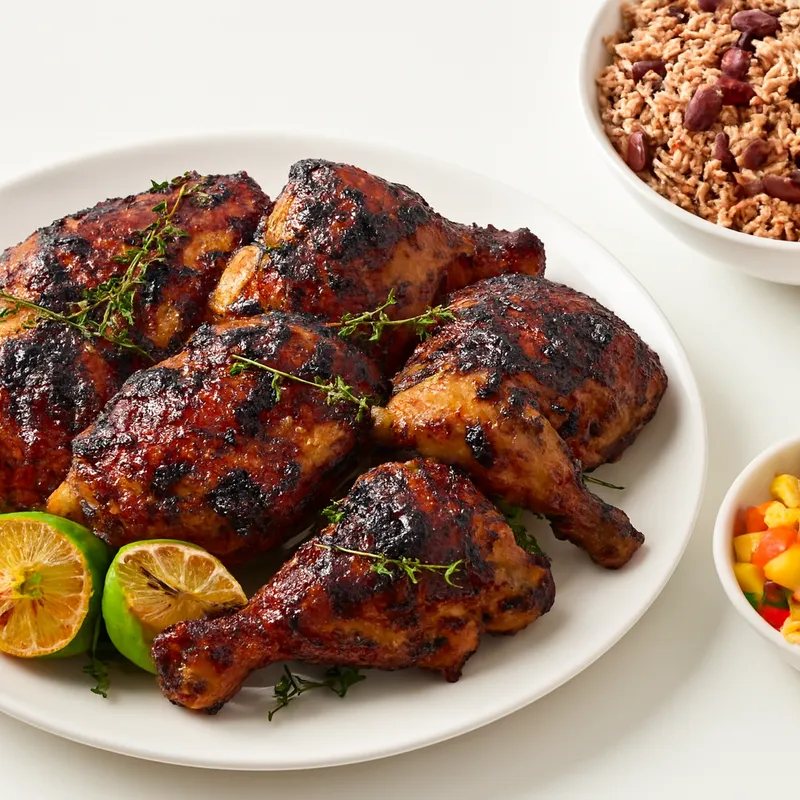
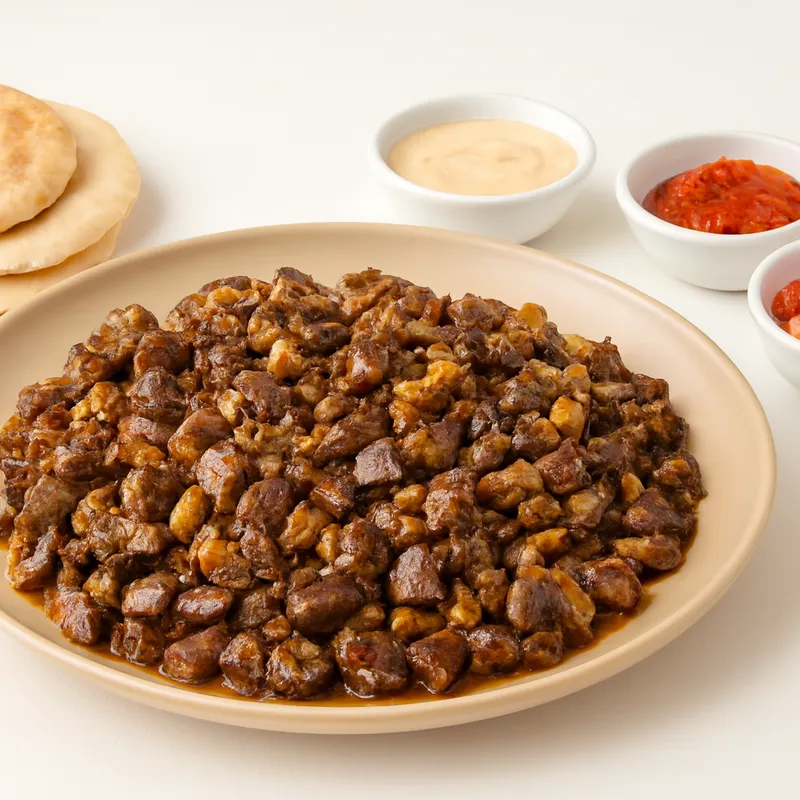
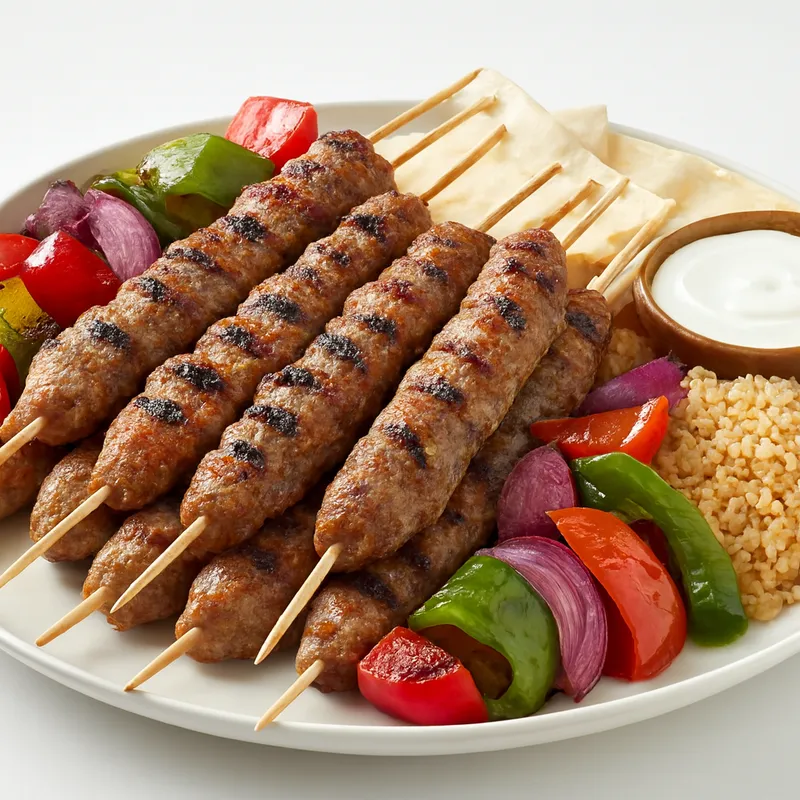
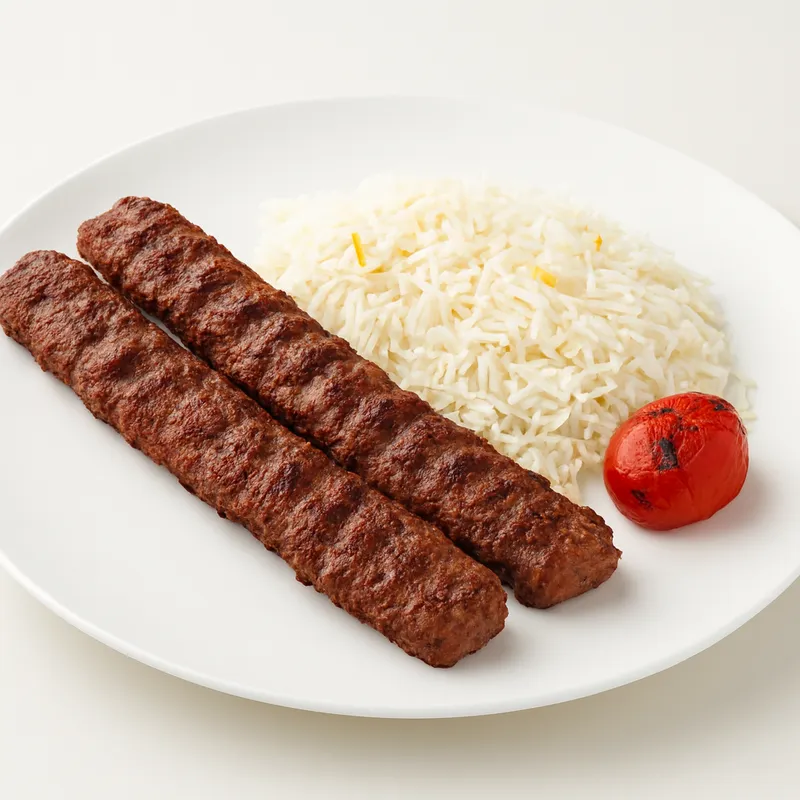
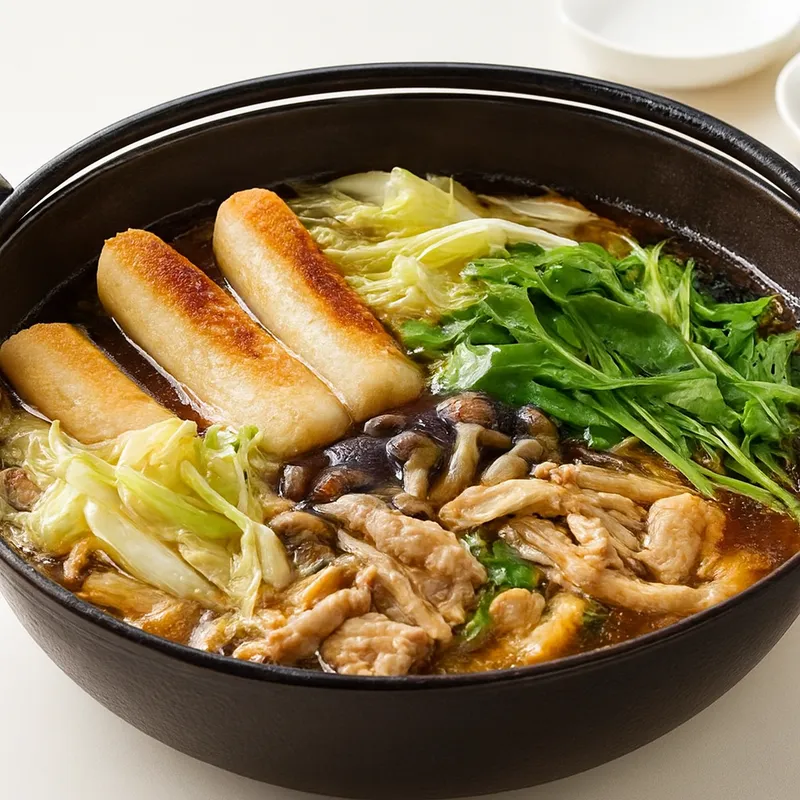
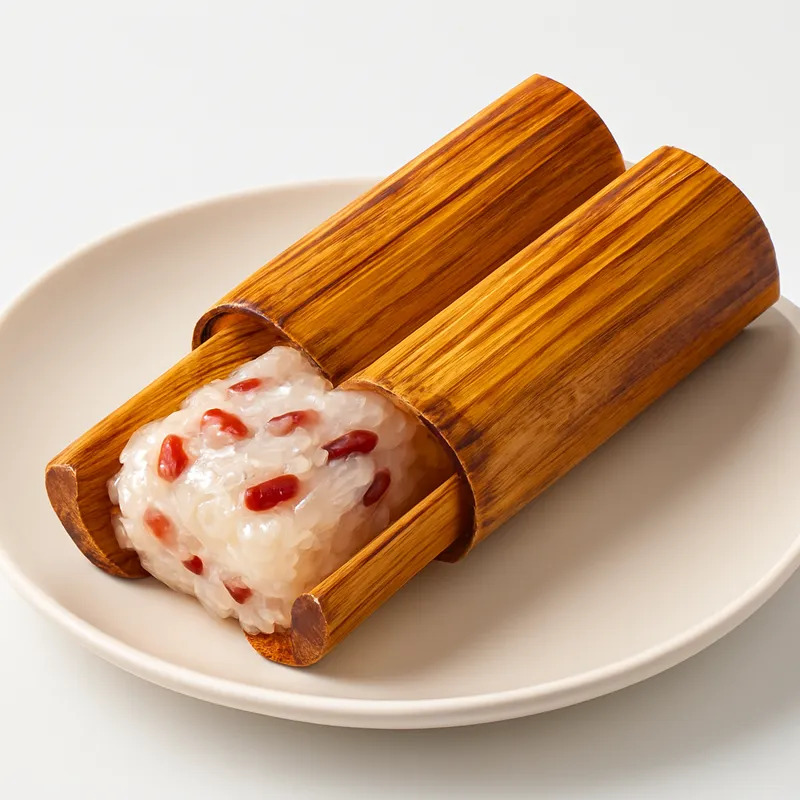
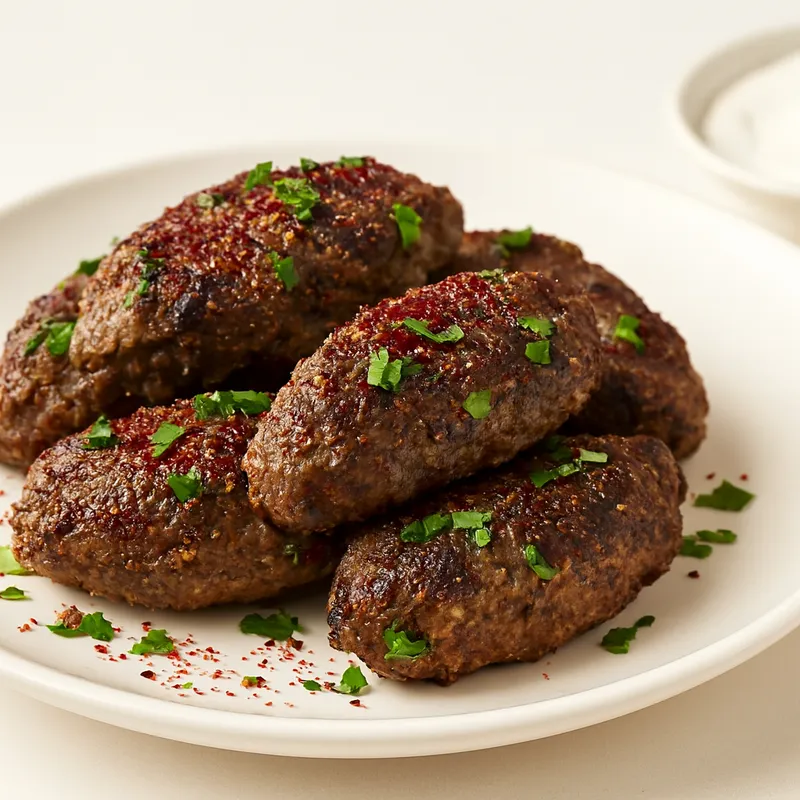
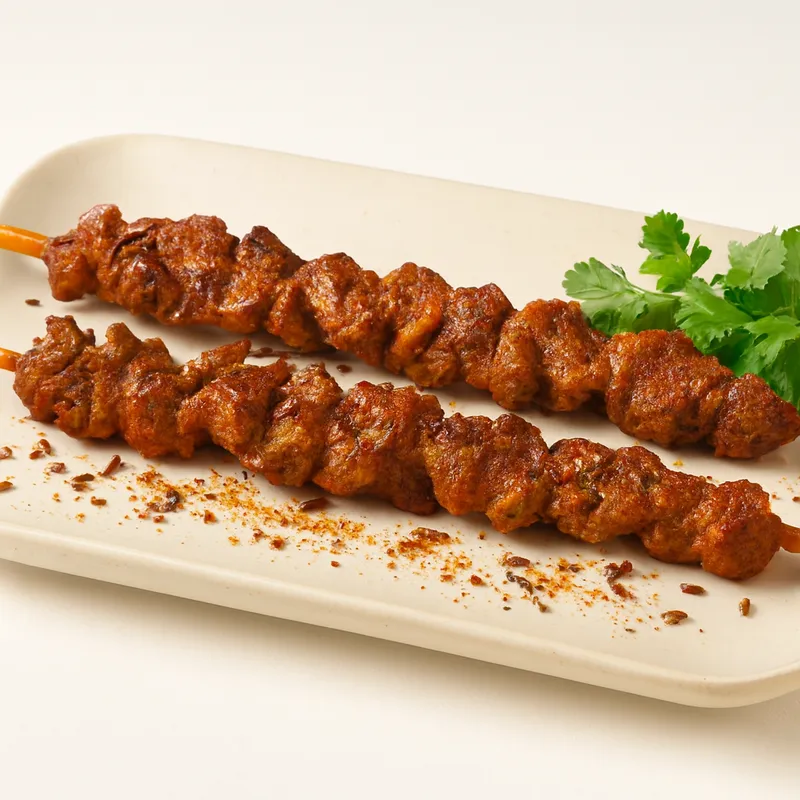
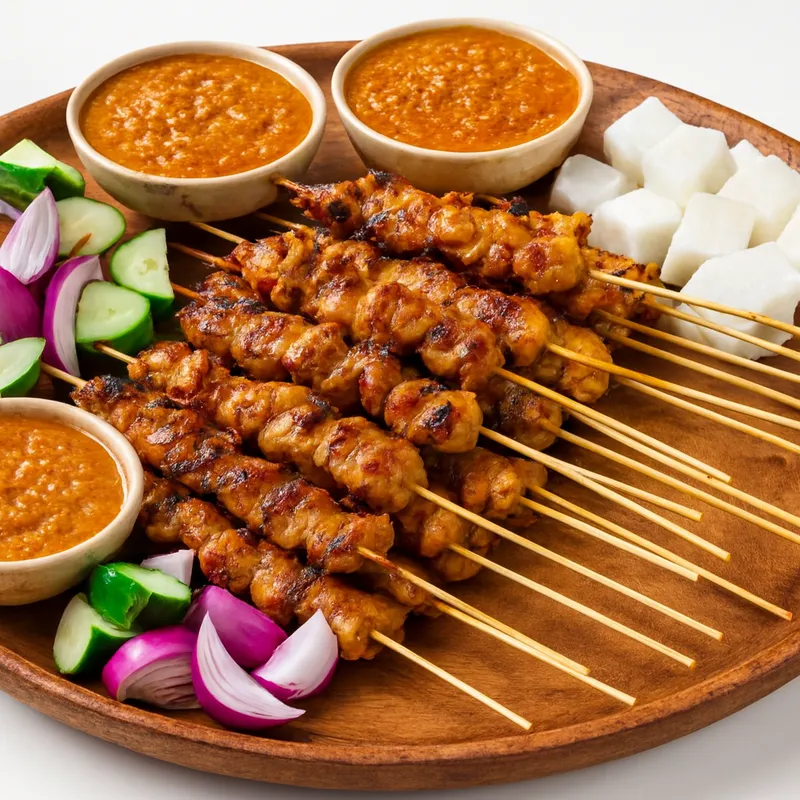
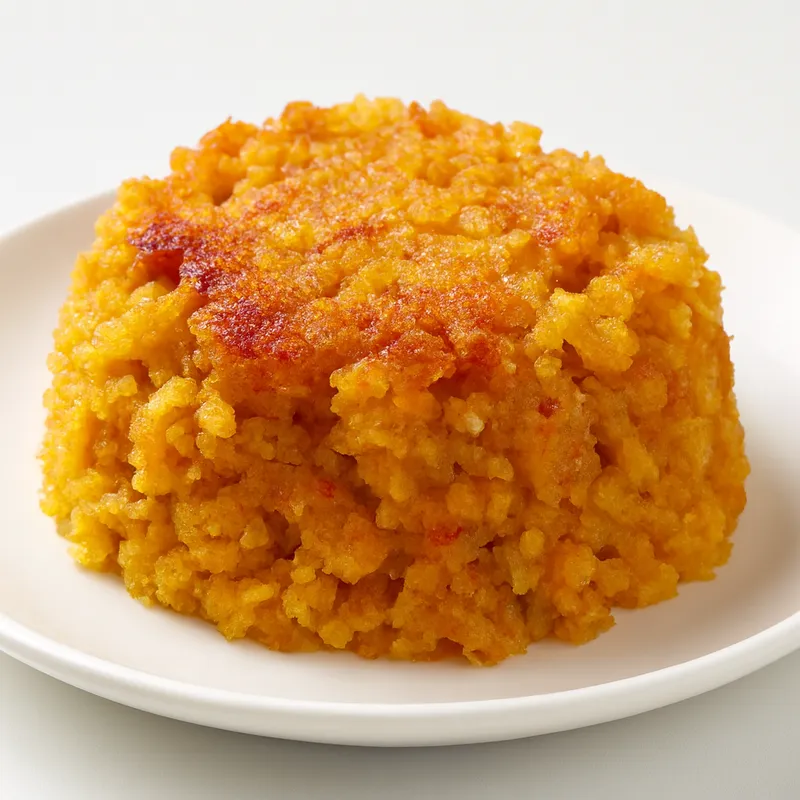
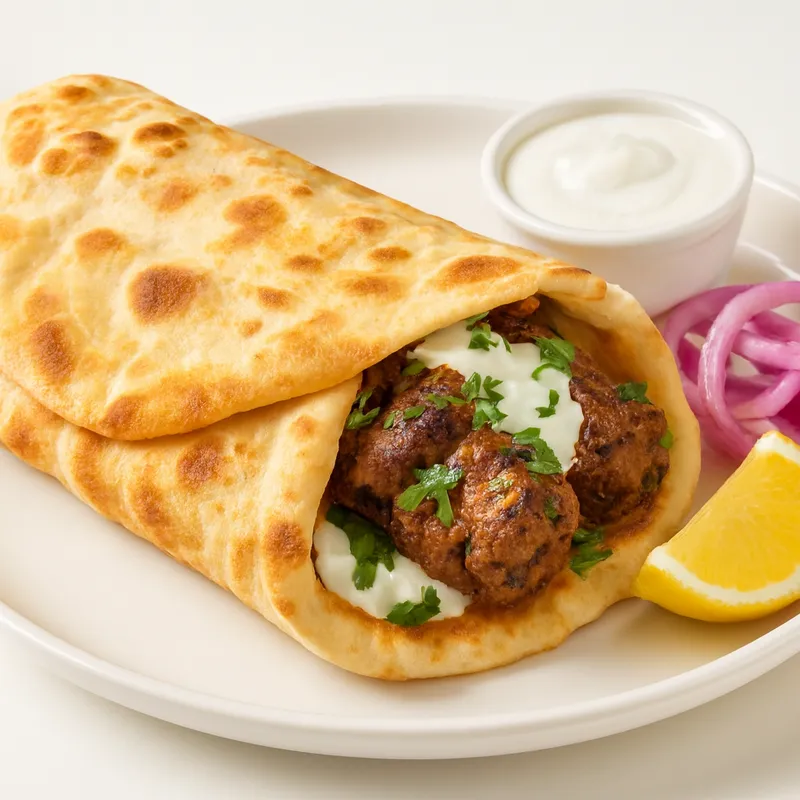
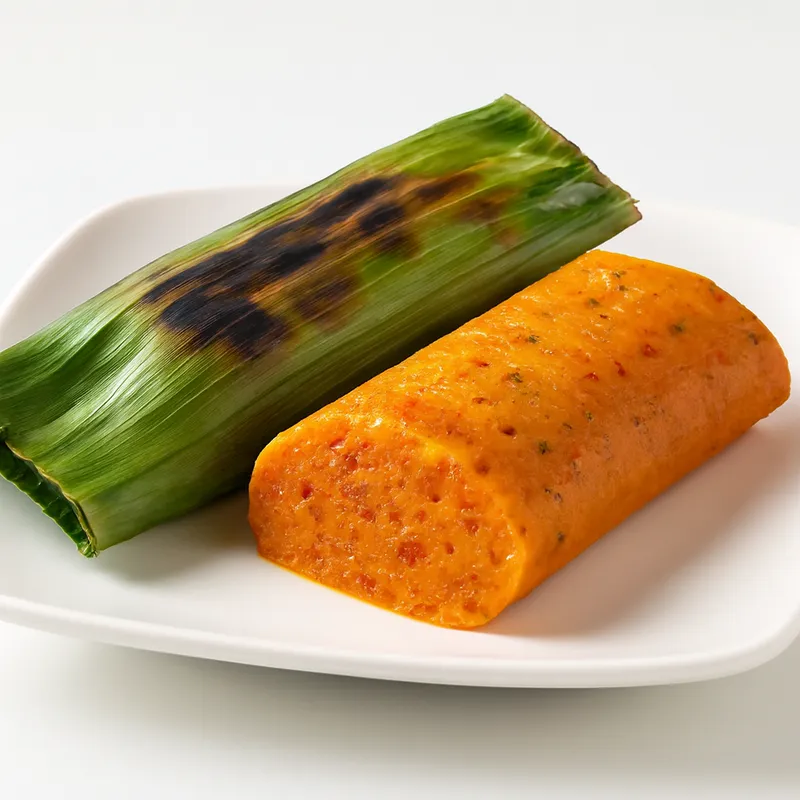
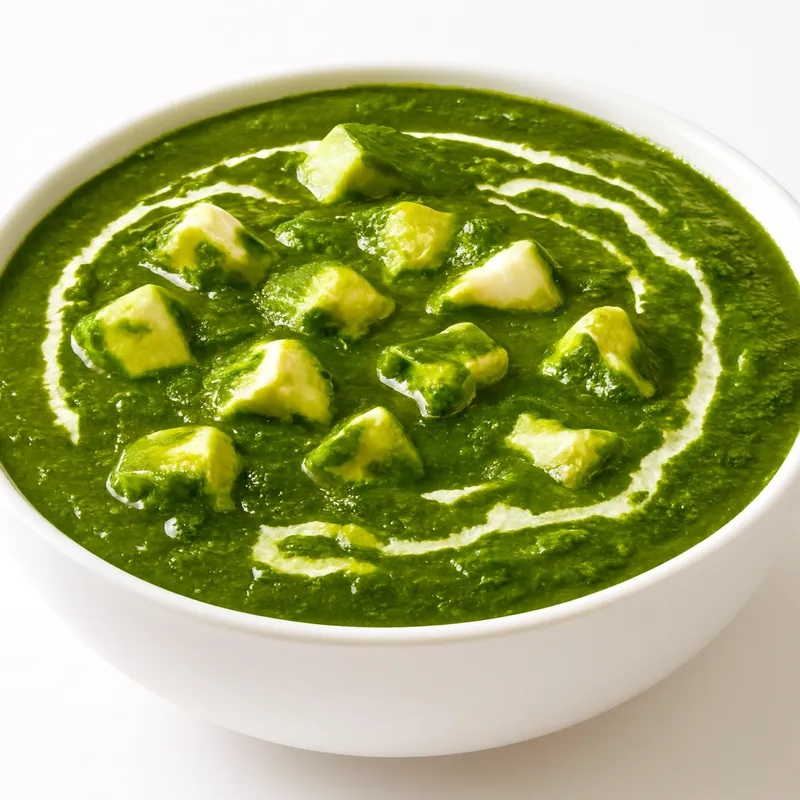
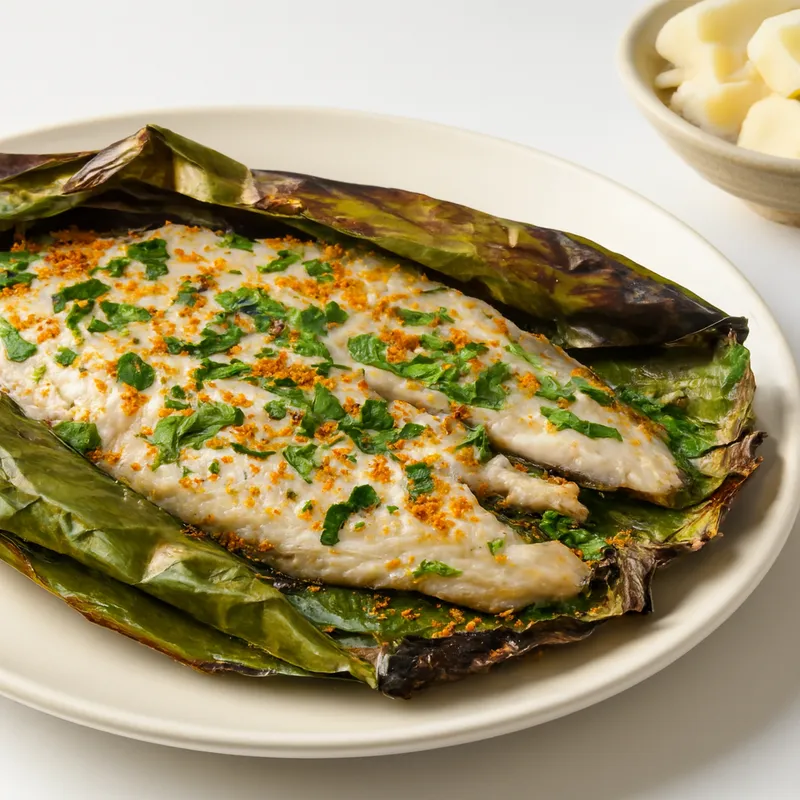
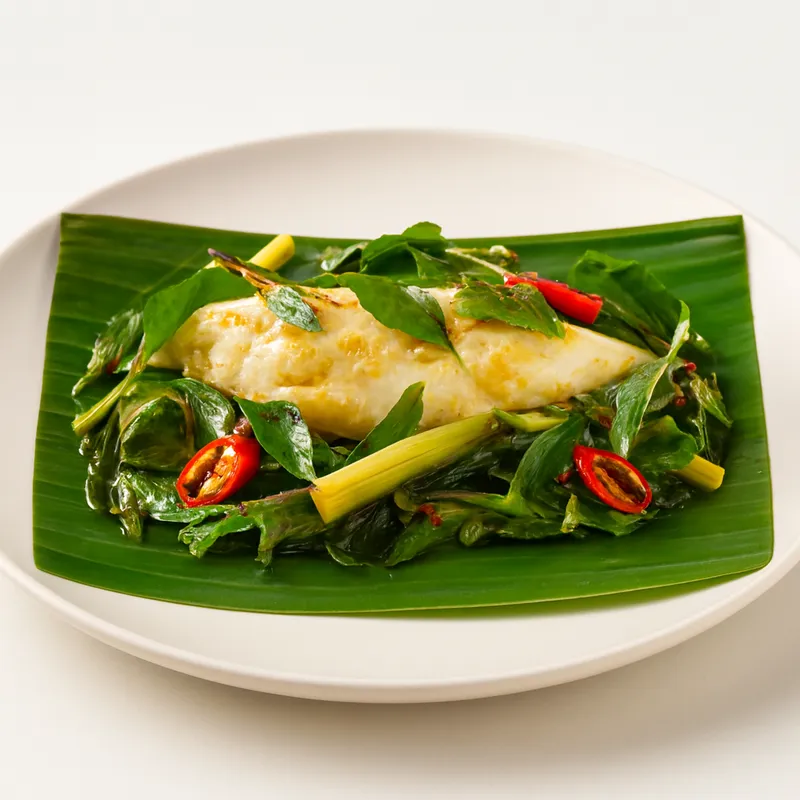
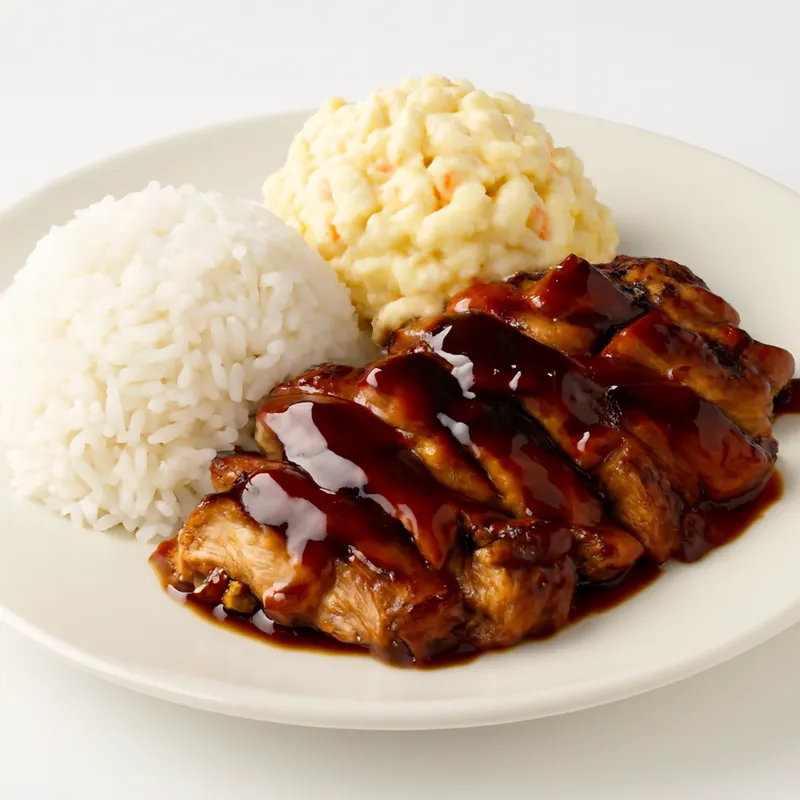
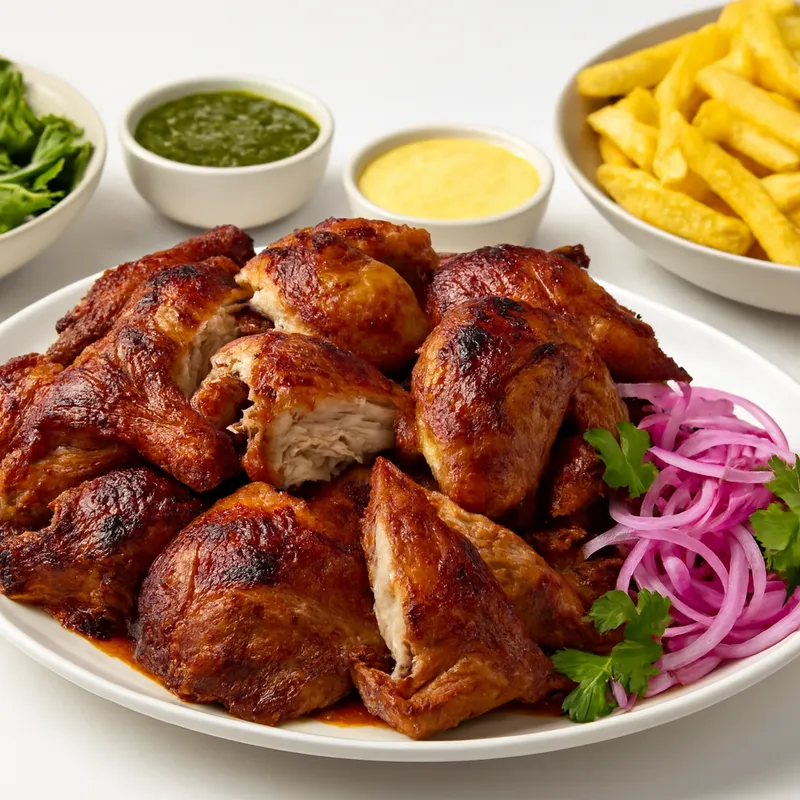
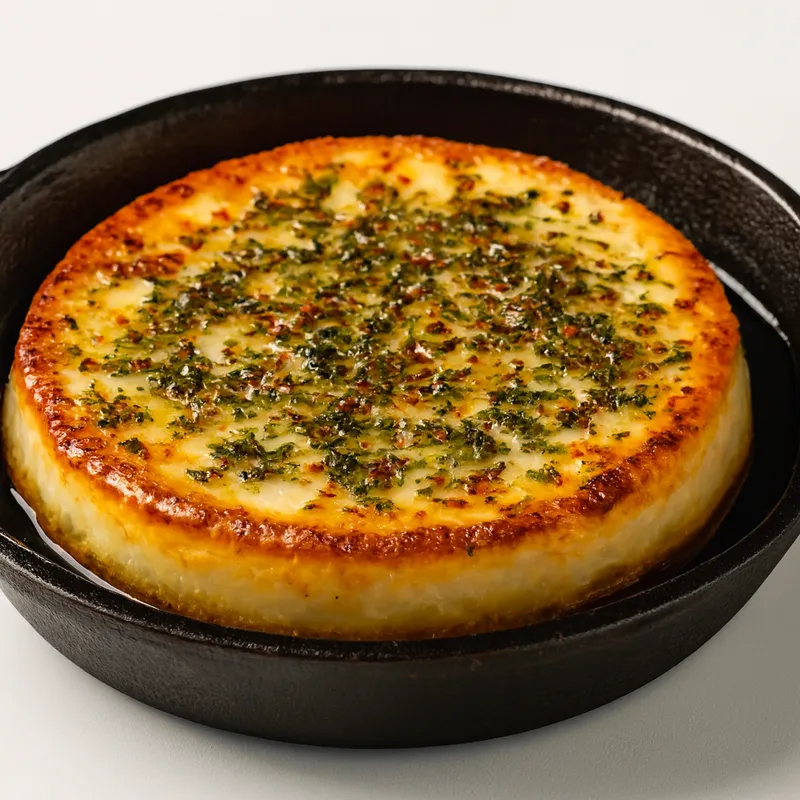
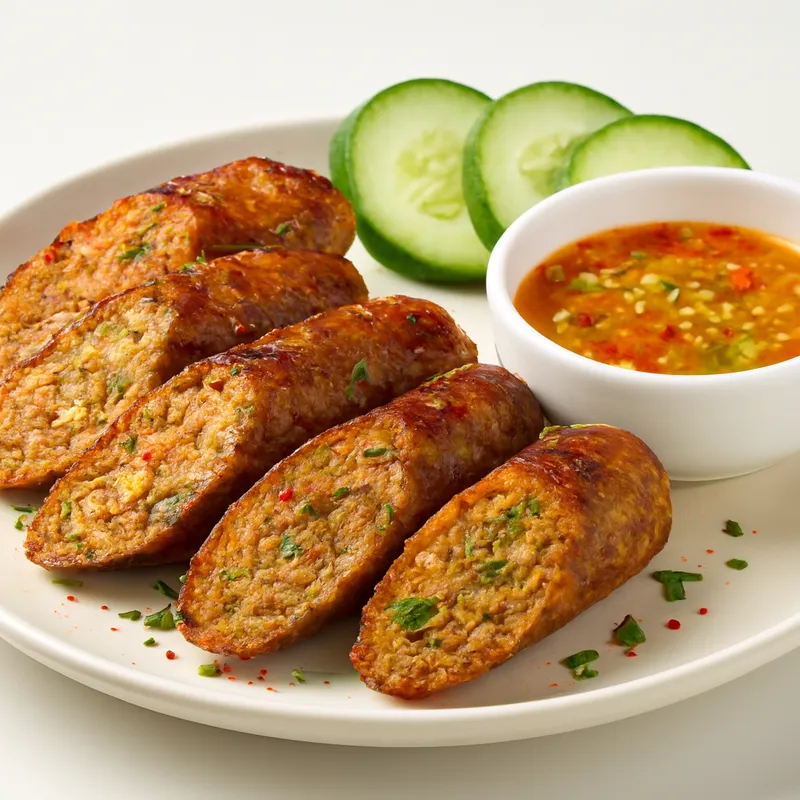
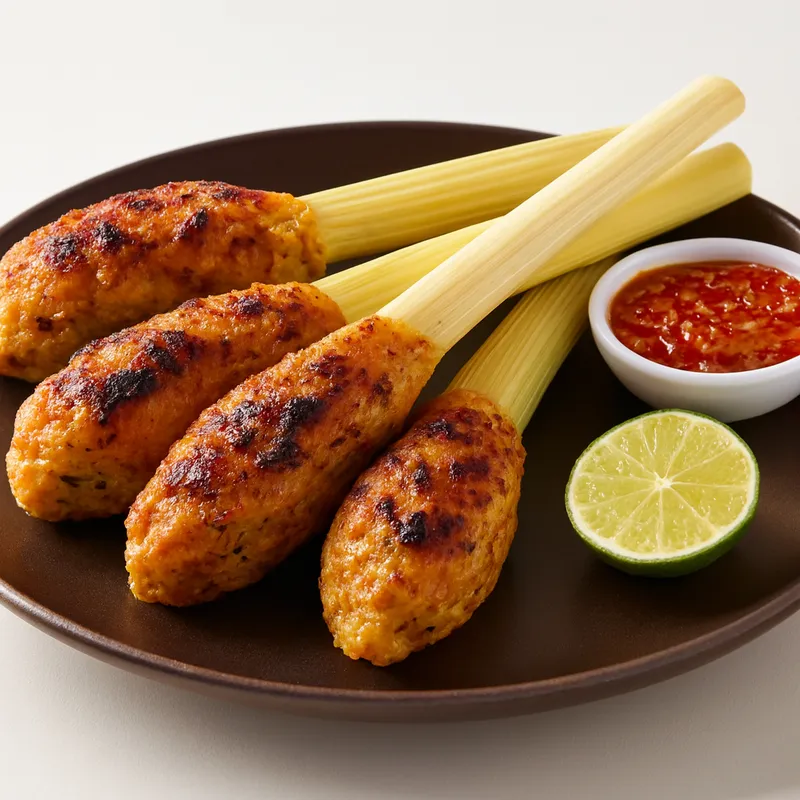
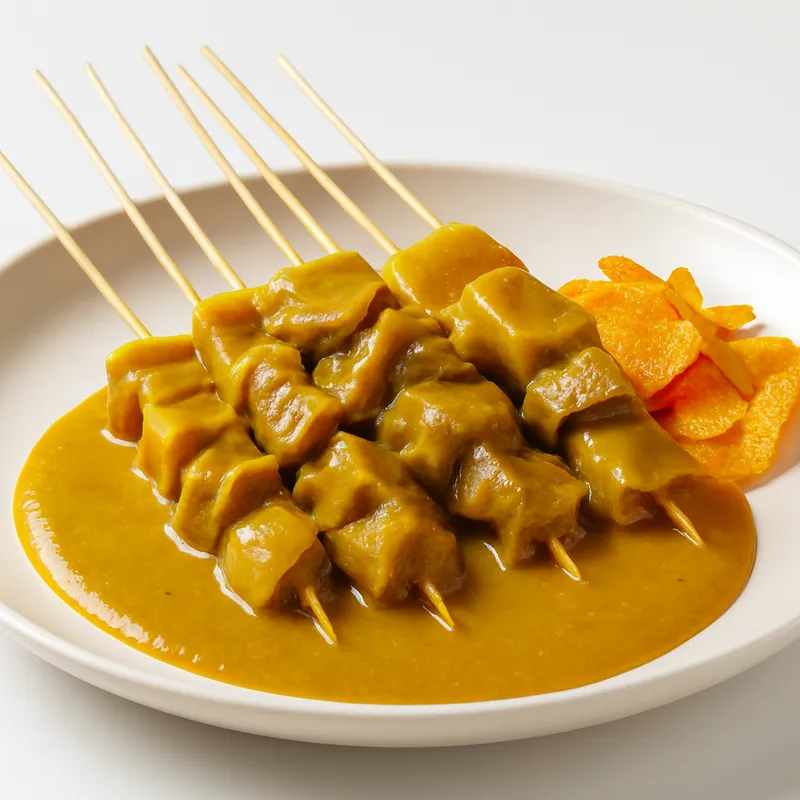
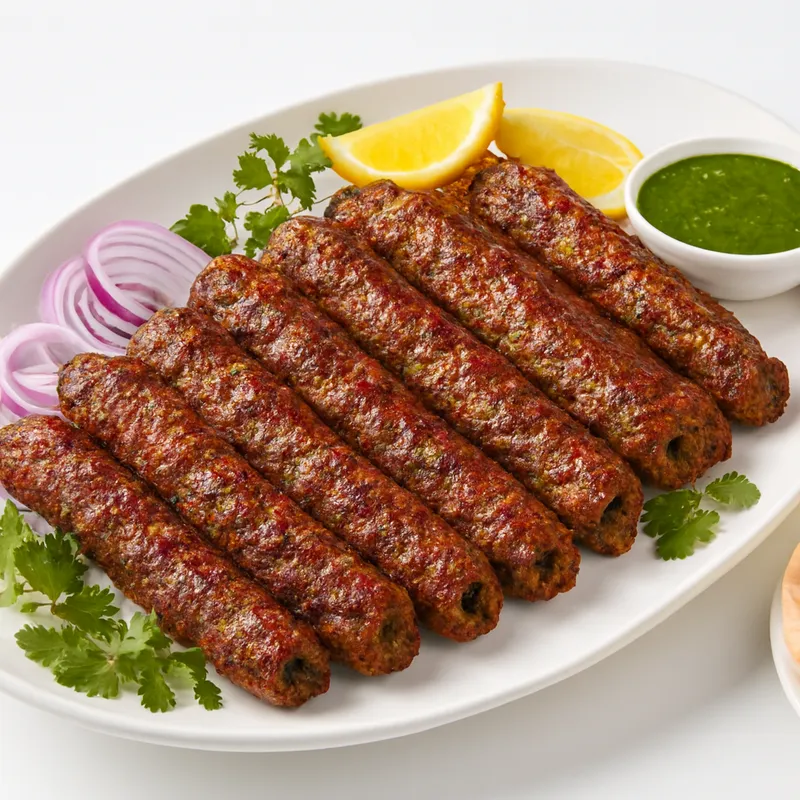
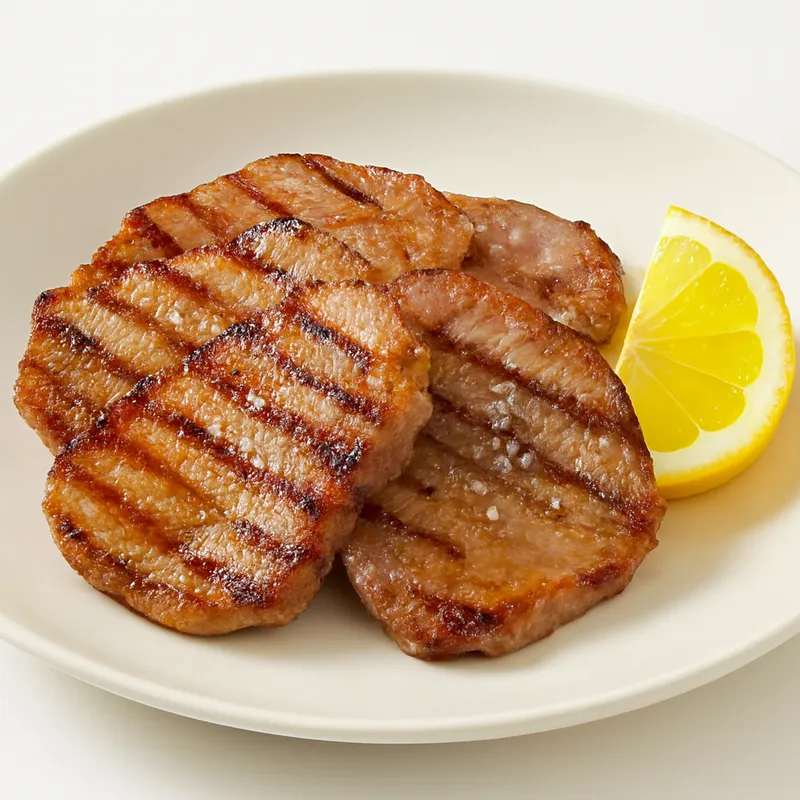
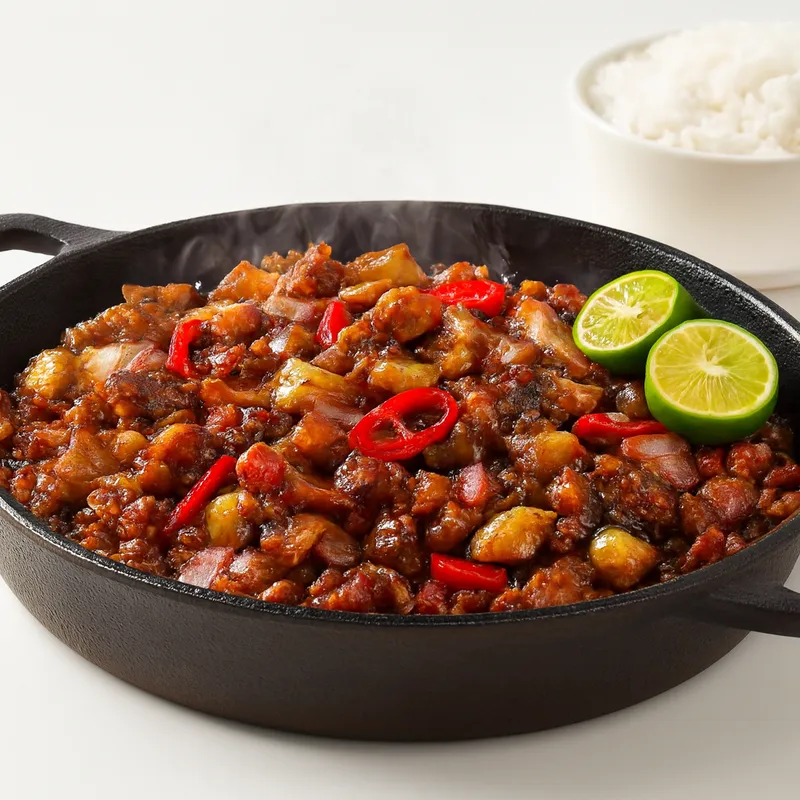
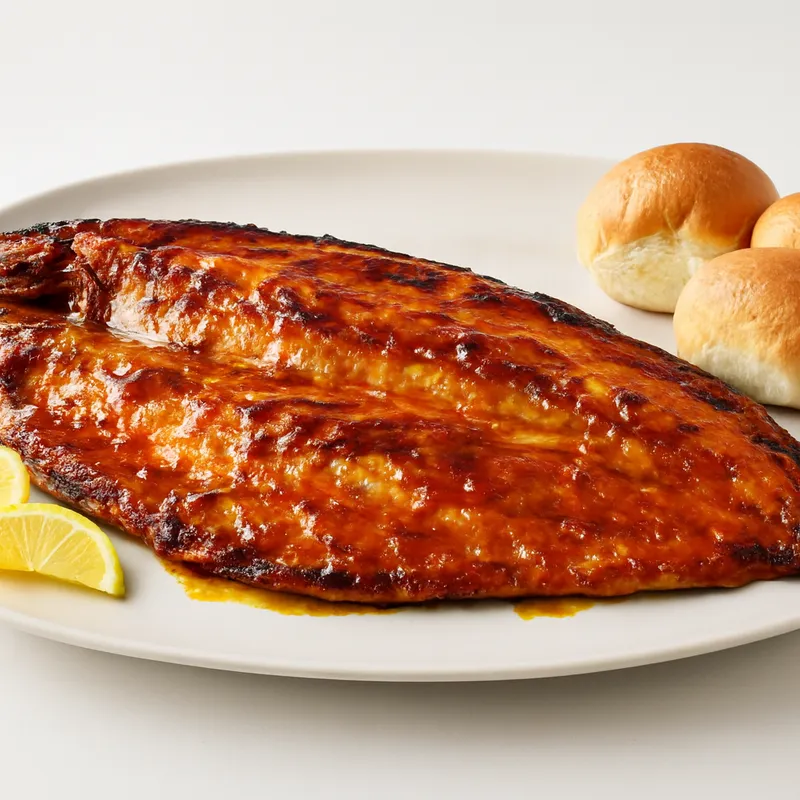
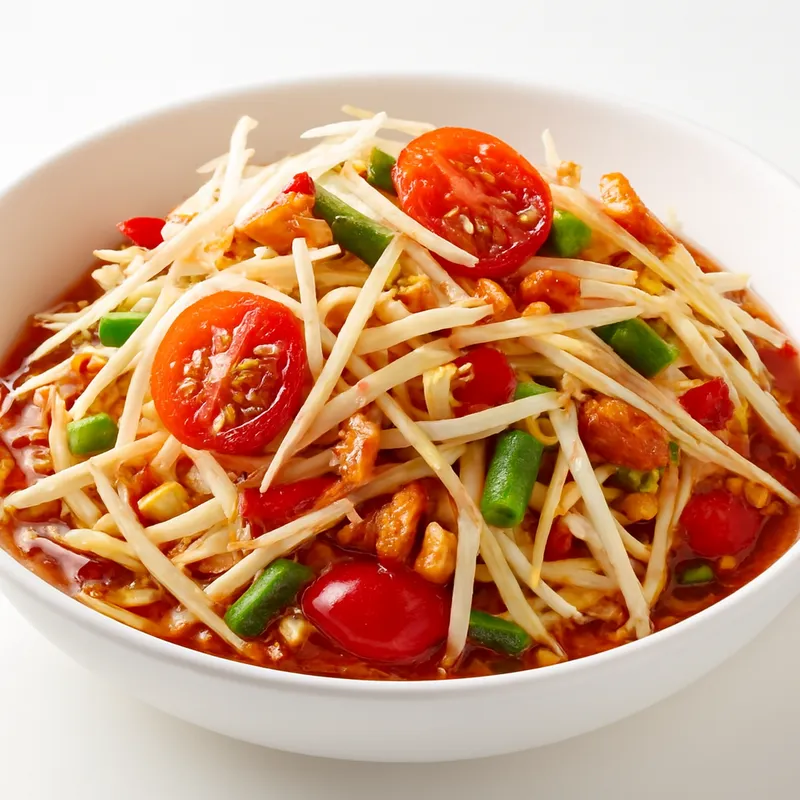
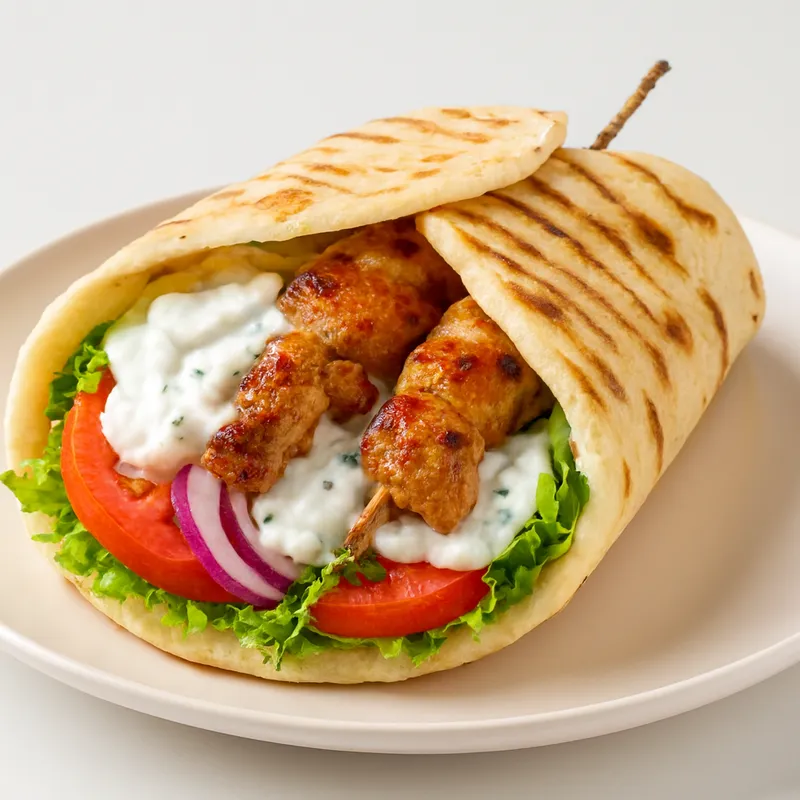
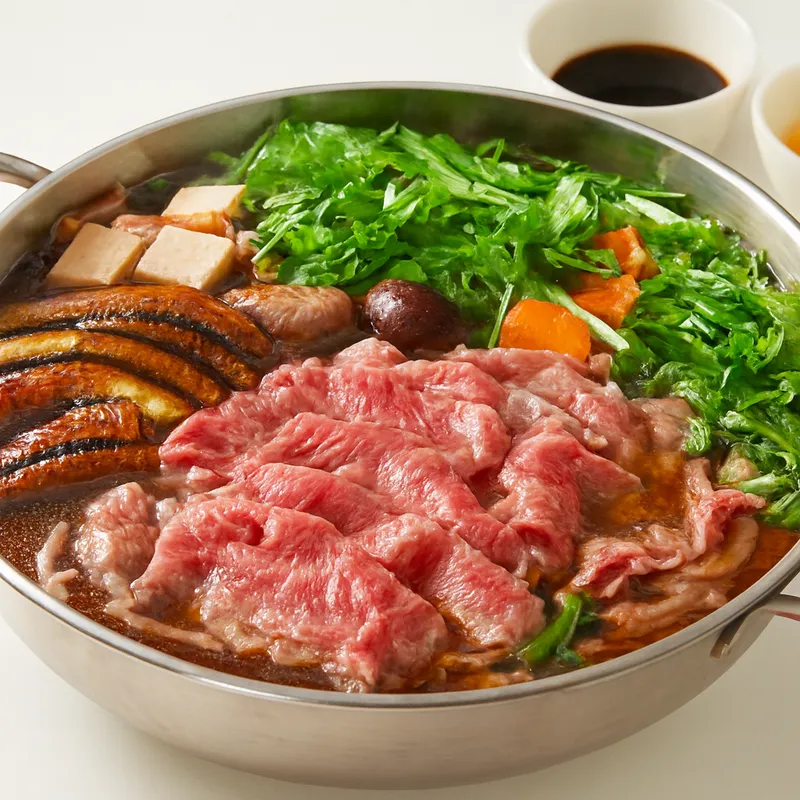
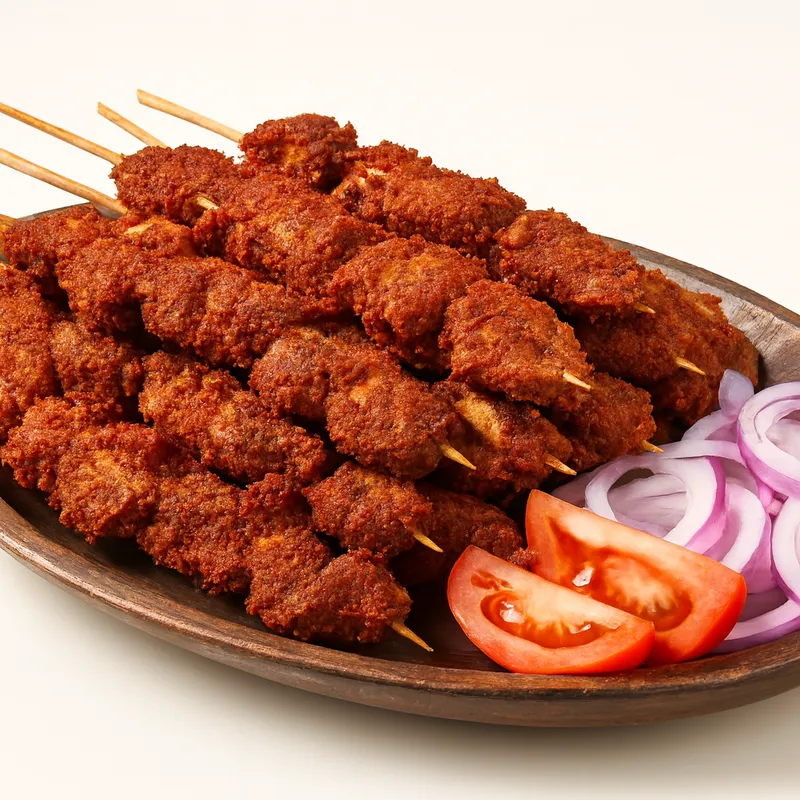
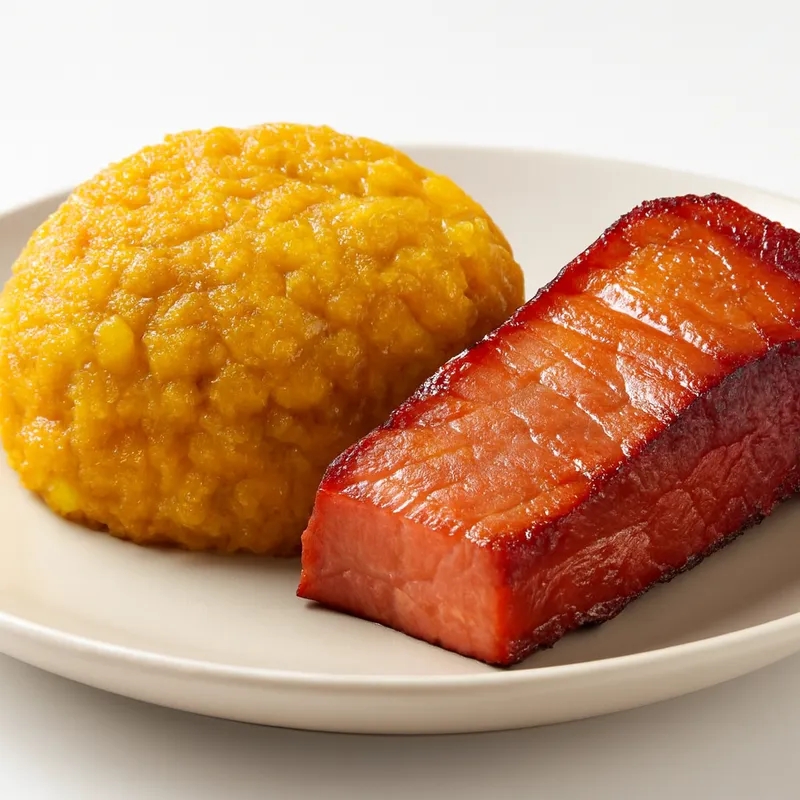
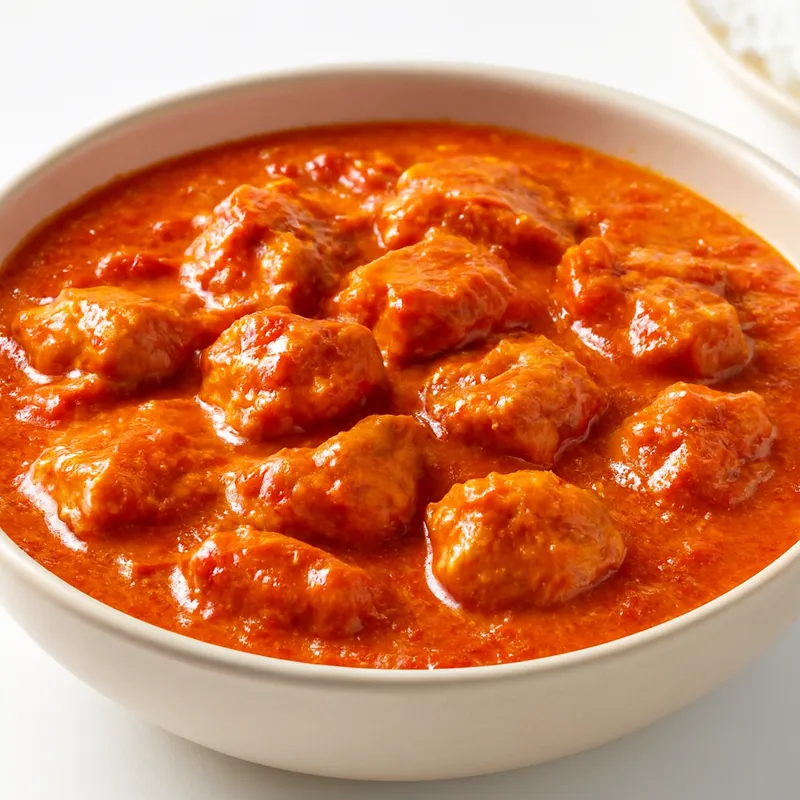
Dish examples
642 dishes · 120 cuisines


Through Time
Hominid open-fire cooking traces to *Homo erectus* c. 800,000 BCE (Wonderwerk Cave). Modern American backyard grilling codified by Weber-Stephen's 1952 kettle grill (George Stephen, Mount Prospect IL). Adam Perry Lang's *Serious Barbecue* (2009) and Meathead Goldwyn's *Meathead* (2016) set today's technical canon.
Related cooking knowledge
Barbecue Smoking is grilling's low-and-slow opposite — indirect heat, hours not minutes. Asado and Carne Asada are South-American wood-fire siblings. Braai shares the social-fire context. Tandoor encloses the same radiant heat in a clay cavity.