
Hawaiian
Kalua pig from an earth oven, ahi poke from the ocean, and Spam musubi from the plantation — one plate, many diasporas.
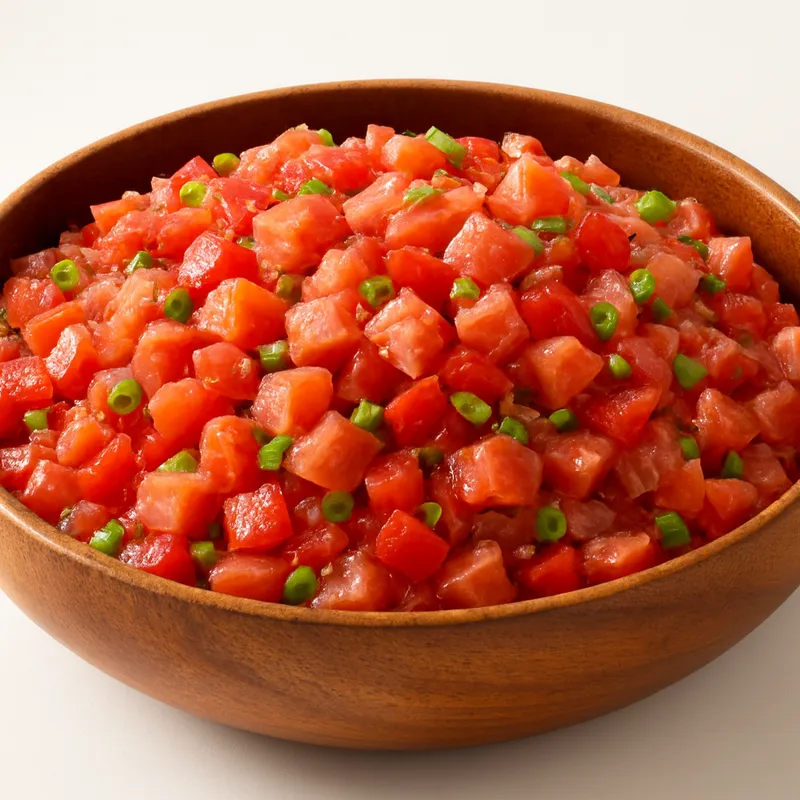
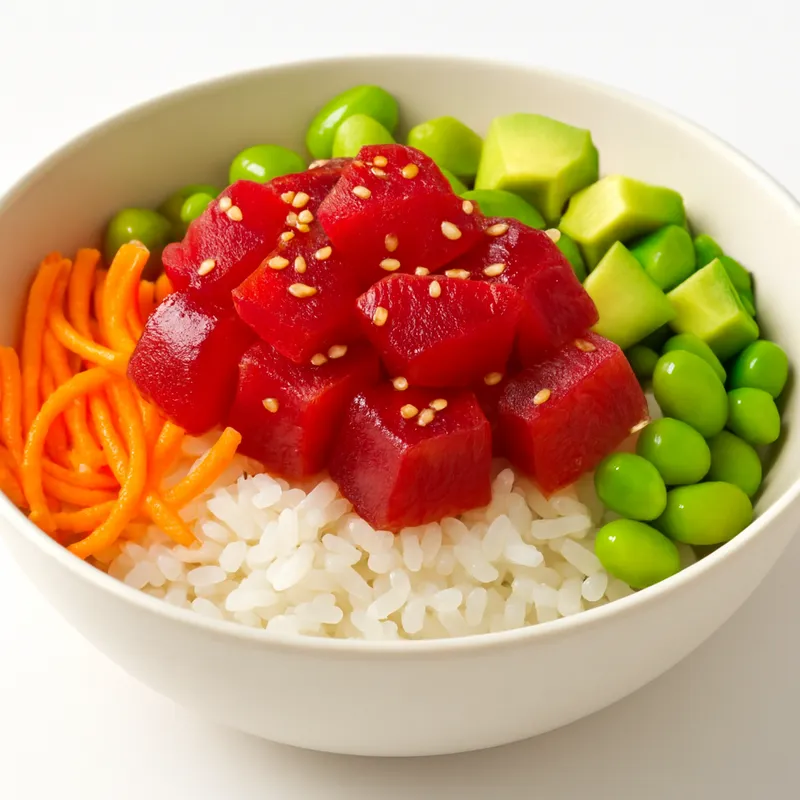
Poke
Poke, a raw fish salad, embodies the fresh, multicultural influences of Hawaiian cuisine.
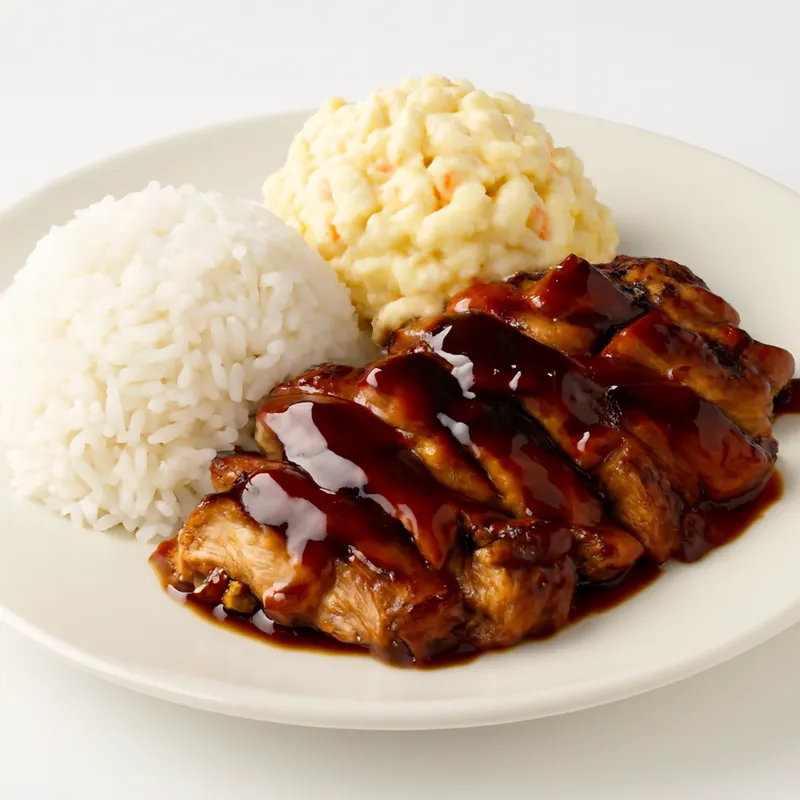
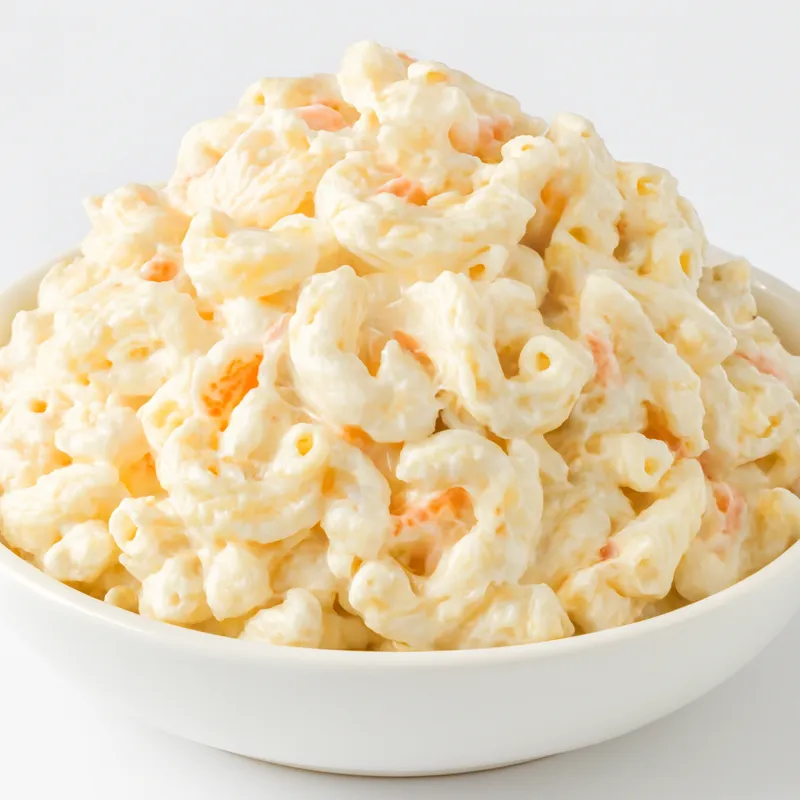
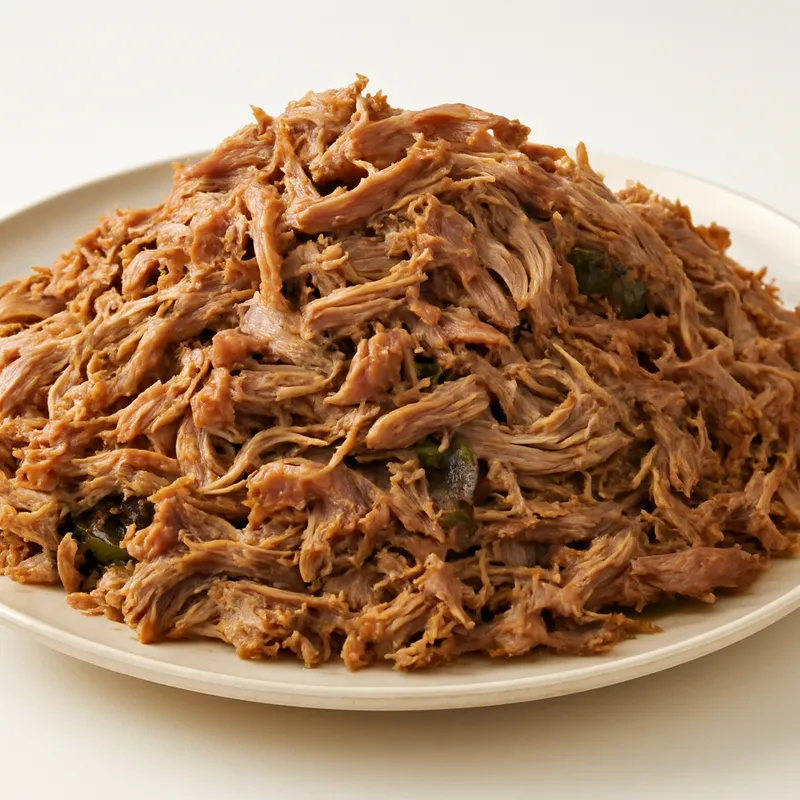
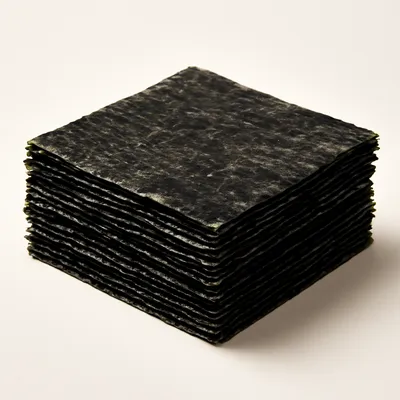
View page →A Hawaiian meal tells you where it's from in the first bite. Smoke from an imu — the underground earth oven, fed with kiawe wood and lined with banana leaves — carries a whole Kalua Pig shredded pink, salty, and melt-tender. A chilled bowl of Poke, cubed that morning from a yellowfin tuna, glistens with shoyu and sesame oil. Next to it, a cylindrical Spam Musubi wrapped in nori, and behind that the unshakably local plate lunch: two scoops of white rice, a scoop of macaroni salad, and whatever protein the cook felt like.
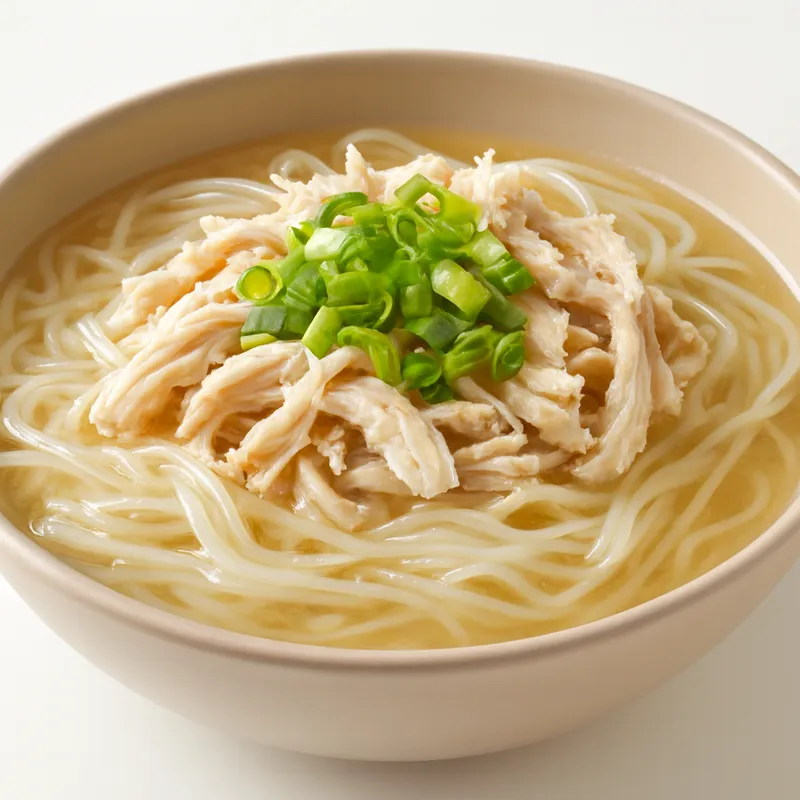
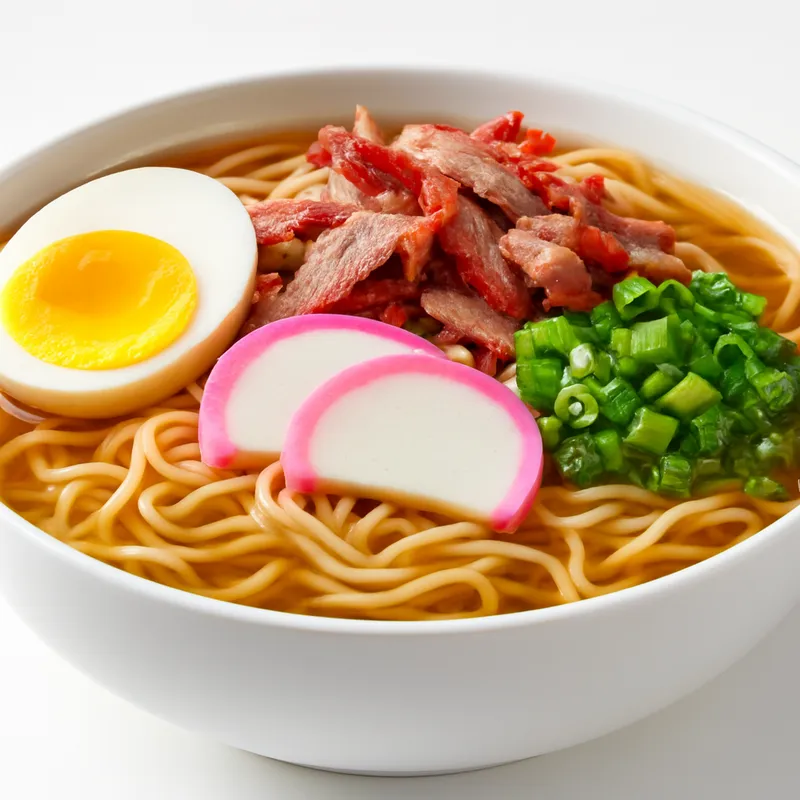
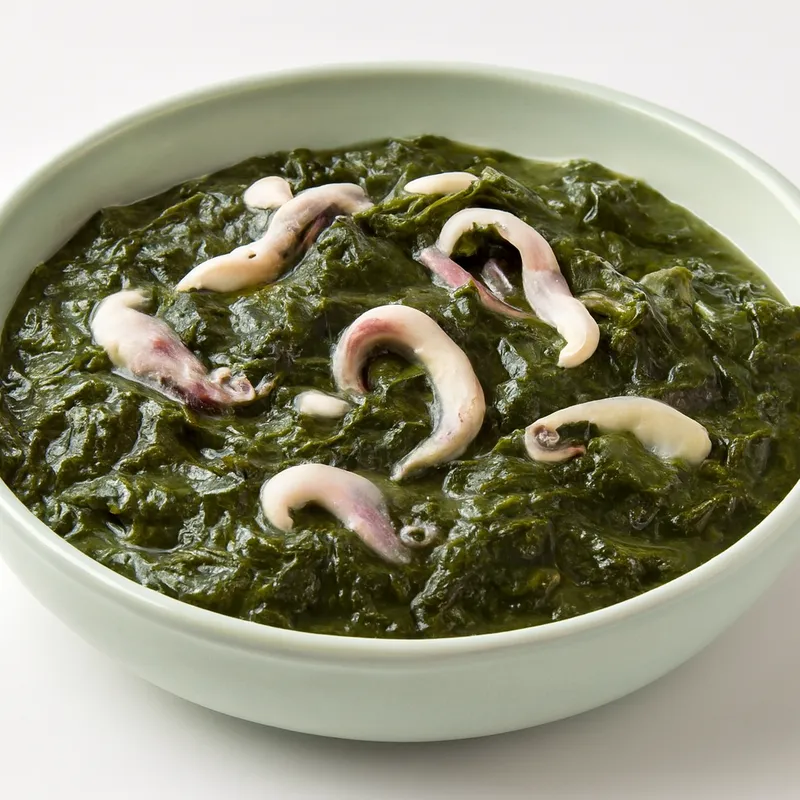
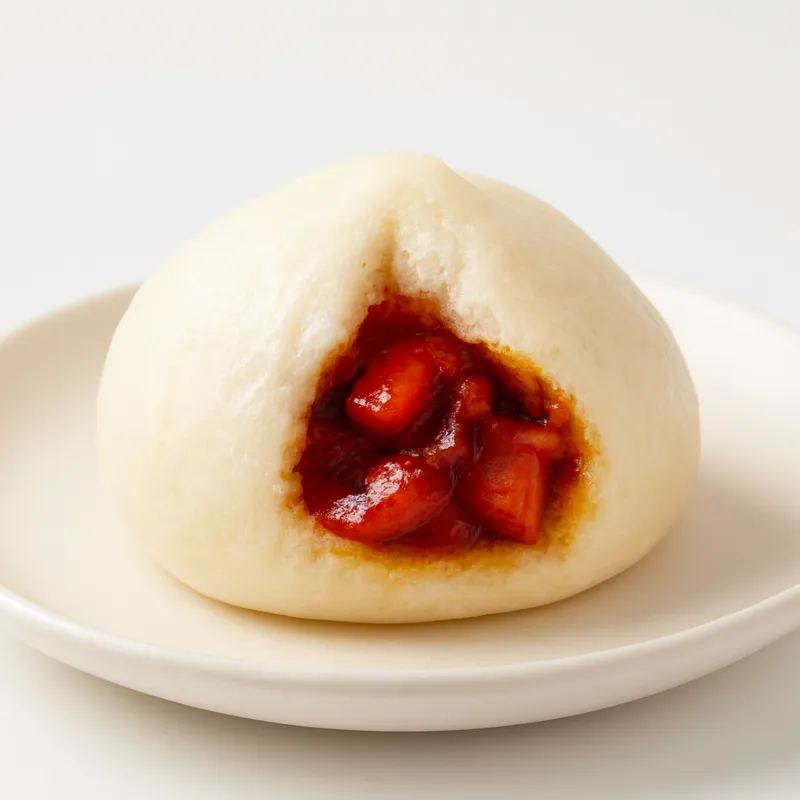
This is cuisine built in layers. At the base is Native Hawaiian — taro pounded into Poi, fish cured in sea water, kalo and ulu and uala from the upland fields. Over that came waves of Japanese, Filipino, Chinese, Portuguese, and Korean plantation workers, each leaving dishes that became Hawaiian over time: Manapua from Cantonese char siu bao, Malasadas from Portuguese bakeries, Saimin from Japanese ramen, Chicken Long Rice from Cantonese noodle soup. What holds it all together is the Pacific — salt, rice, and a plate that's always generous.
The Palate
Start Here
A whole pig rubbed with Hawaiian sea salt, wrapped in ti and banana leaves, and buried with hot kiawe-wood stones in an imu for 8-12 hours. Smoky, salty, fork-tender.
Why start here · The Native Hawaiian dish — teaches the imu underground-oven technique and the slow-smoke-and-salt philosophy at the cuisine's core.
Raw ahi tuna cubed and dressed with shoyu, sesame oil, Hawaiian sea salt, and limu seaweed. Eaten over warm rice or straight with a fork.
Why start here · The cleanest expression of Hawaiian-Japanese-Pacific flavor — fresh-caught ocean, almost no cooking, and soy-sesame seasoning that lets the fish lead.
White rice topped with a hamburger patty, a fried egg, and a flood of brown gravy. A breakfast invented in Hilo in the 1940s.
Why start here · The plate-lunch icon — proves Hawaiian cooking's local comfort-food instinct, and its willingness to stack whatever's on hand until it makes a full meal.
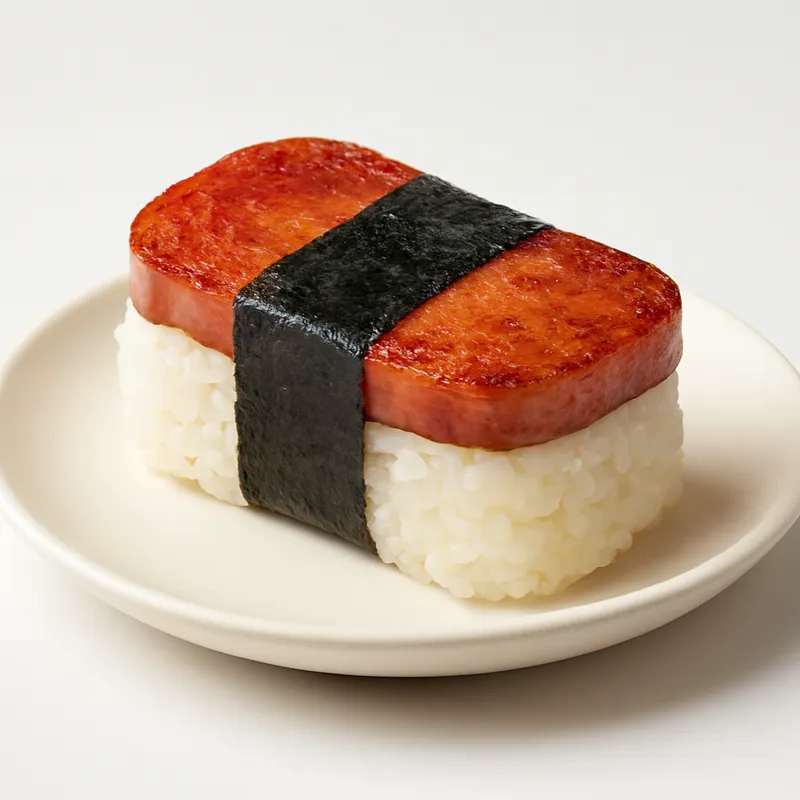
A slab of pan-seared teriyaki Spam on a brick of rice, wrapped in a strip of nori. A plantation-era Japanese-Hawaiian snack still sold in every gas station.
Why start here · The one dish that tells the plantation history in a single bite — canned meat from WWII, Japanese musubi form, Hawaiian humility, and wild affection for all of it.
The Pantry







See all 132 ingredients›












Grains & Staples




Dairy & Fats







On the Map
Where this cuisine is found
Regional Styles
Oahu
Honolulu-centered Oahu is where the plate lunch lives — L&L Drive-Inn, Zippy's, and neighborhood diners run the classics like Loco Moco and Spam Musubi, with Chinatown bakeries still turning out Manapua and Saimin by the thousands.
Maui & Big Island
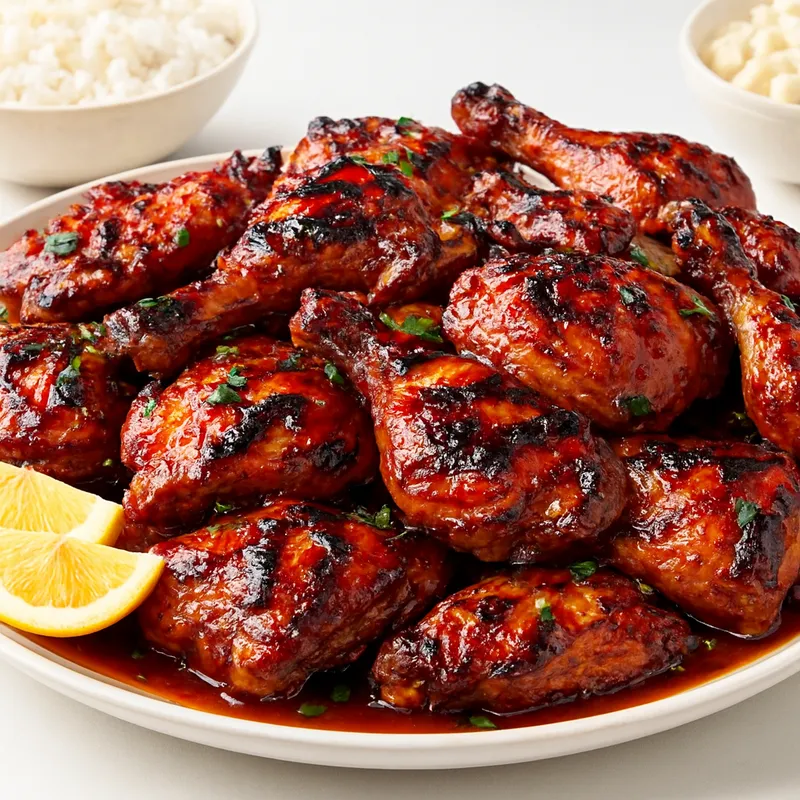
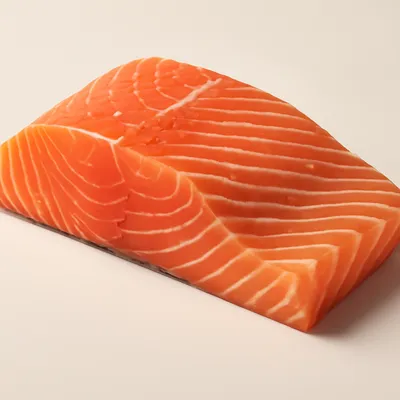
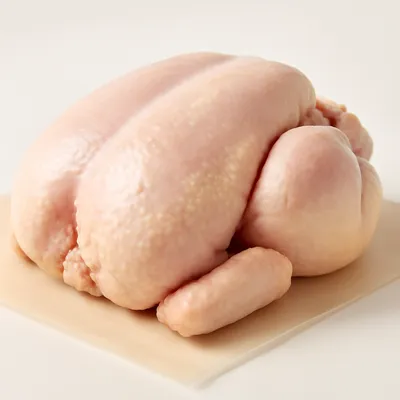
The neighbor islands keep the luau tradition alive — Kalua Pig pulled from an imu, Lomi Lomi Salmon on a bed of crushed ice, and Huli Huli Chicken turning slowly over kiawe coals at Saturday fundraiser cookouts.
How They Cook
Techniques that define this cuisine
Kindred Kitchens
Cuisines built on the same signature ingredients