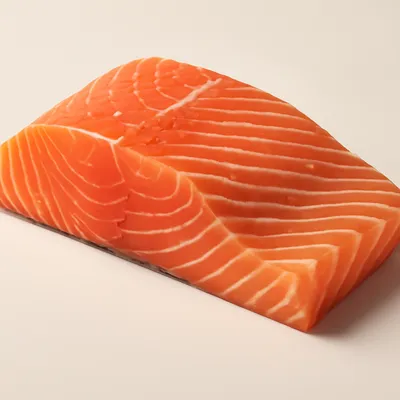
Fatty cold-water fish rich in omega-3s; delicate umami with mild oceanic character.
Where it comes from
Renowned in Norse and Japanese cultures, salmon has been a vital source of sustenance and ritual, with ancient methods of smoking and curing still cherished today.
In the kitchen
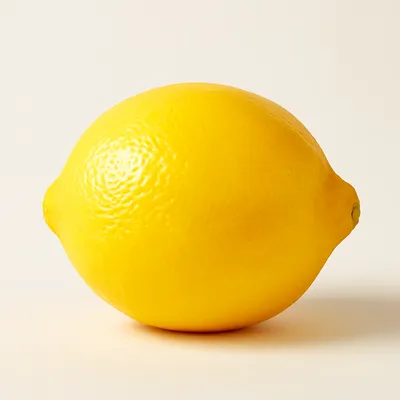
Grilled, poached, or cured, salmon lends a luxurious texture and profound flavor to dishes, often enhanced by herbs, citrus, or a drizzle of olive oil.
Across cuisines
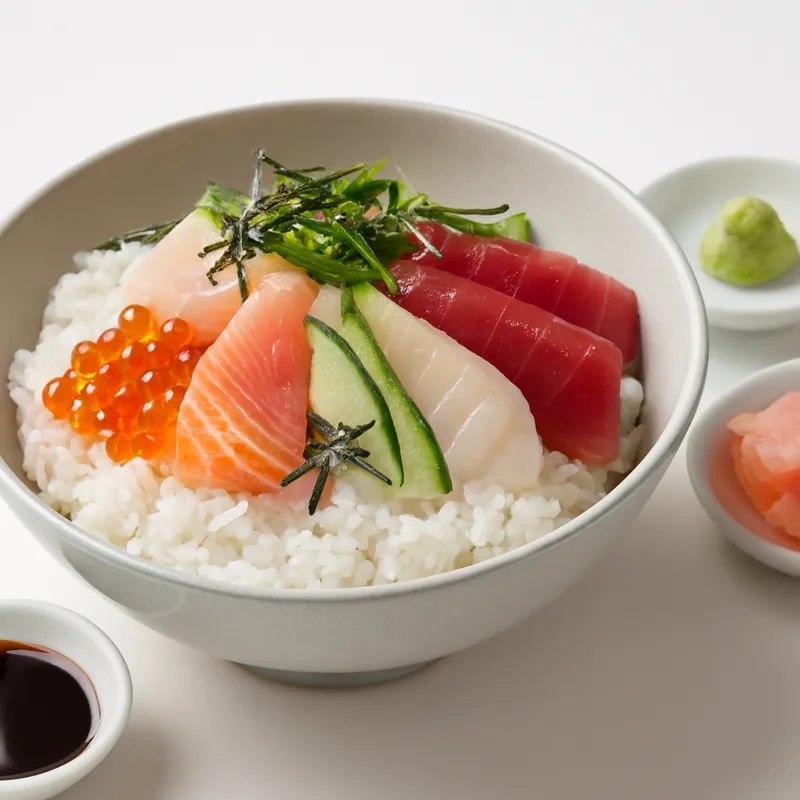
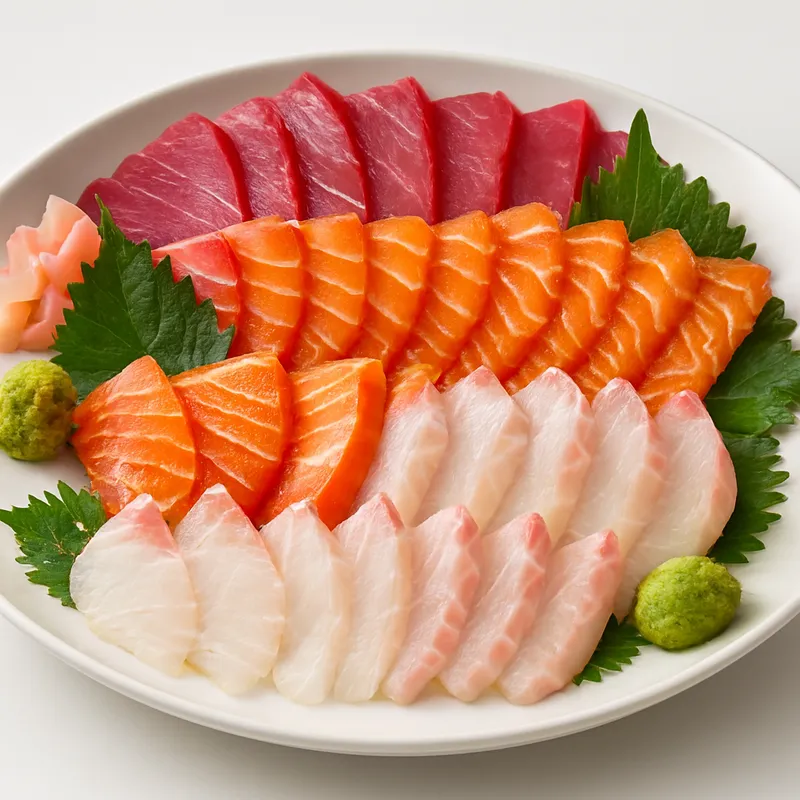
In Japanese cuisine, salmon is often served raw, highlighting its natural flavor and texture. It is commonly used in sushi and sashimi, where the fish is sliced thinly and served with soy sauce and wasabi. The emphasis is on freshness and quality, often sourcing salmon from specific regions known for their pristine waters.
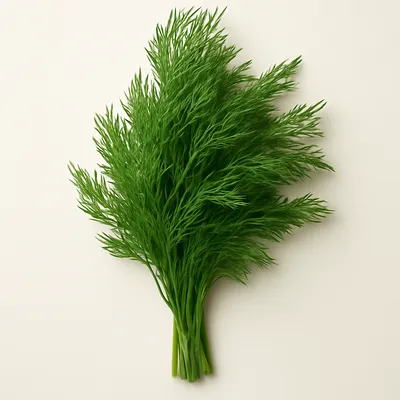
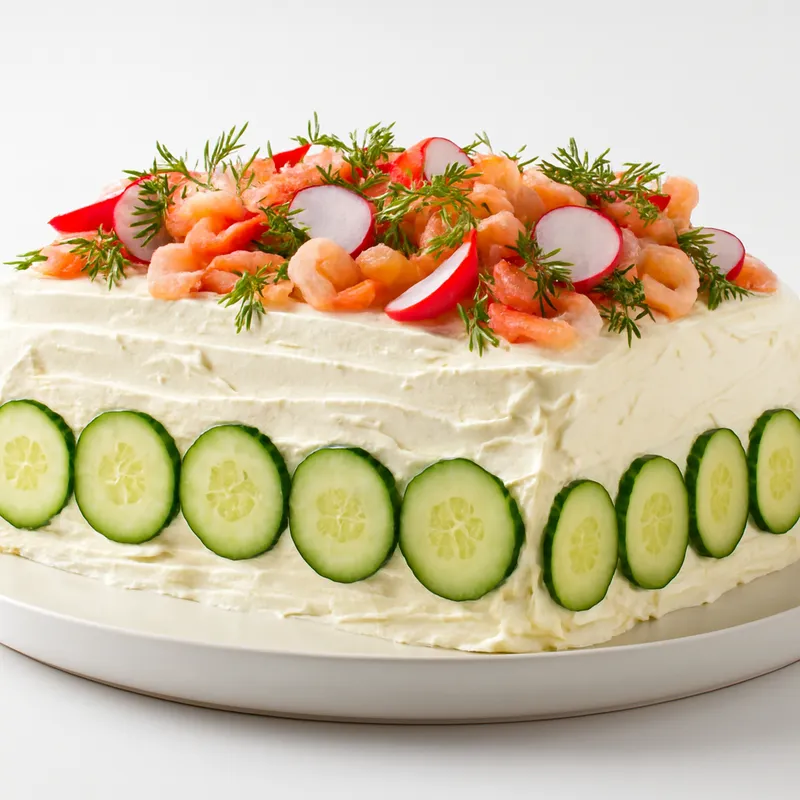
Scandinavian cuisine often features salmon in cured forms, such as gravlax. This involves curing the salmon with a mixture of salt, sugar, and dill, allowing it to develop a unique flavor profile. The curing process not only preserves the fish but also enhances its taste, making it a staple in open sandwiches and festive meals.
Scandinavian cuisine often features salmon in cured forms, such as gravlax. This involves curing the salmon with a mixture of salt, sugar, and dill, allowing it to develop a unique flavor profile. The curing process not only preserves the fish but also enhances its taste, making it a staple in open sandwiches and festive meals.
Nutrition (per 100g)
AI-estimated; model and run unavailable.
Pairs well with