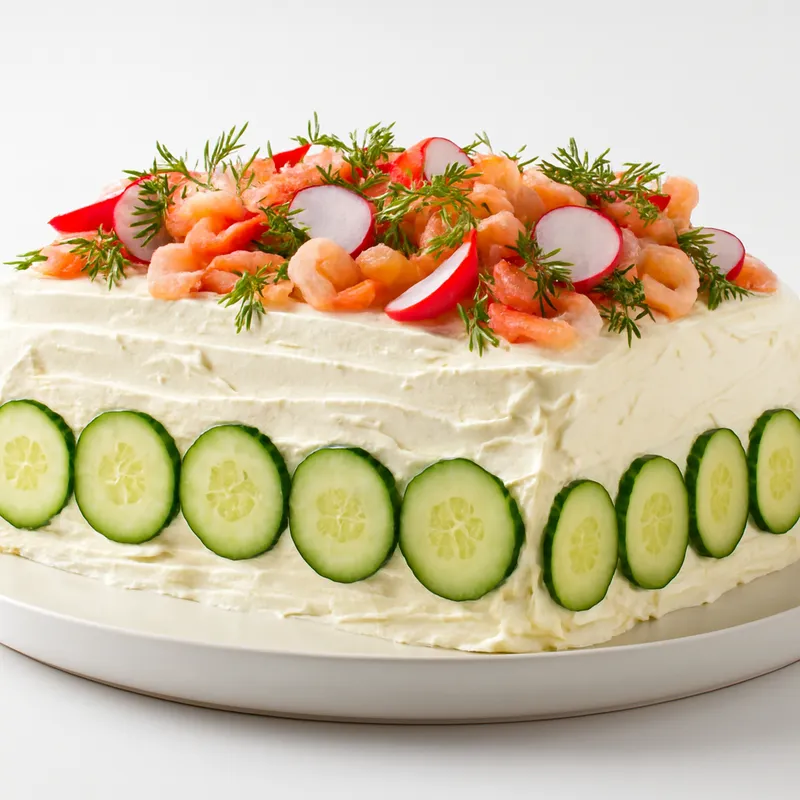
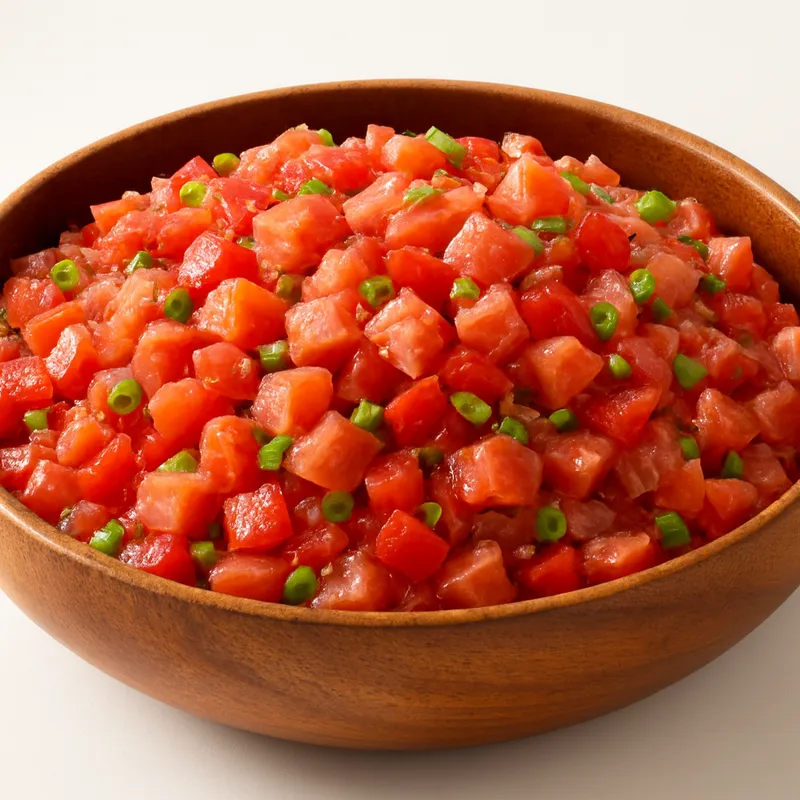
Scandinavian cured salmon prepared with salt, sugar, and dill, sliced thin and served with mustard-dill sauce.



The name is medieval Scandinavian: "grav" derives from the Old Norse verb grafa / gräva, "to dig or bury" (sharing the Proto-Germanic root that also gives "grave"), with the sense later shifting to "to cure fish"; "lax" means salmon — so the word means "buried/cured salmon." Fishermen on the northern Swedish and Norwegian coasts buried lightly salted salmon in sand or earth above the tide line, covered with birch bark, to ferment and preserve it during the summer fishing seasons, a practice going back at least to the 14th century. The modern version dropped the fermentation in the 19th century and became a dry salt-sugar-dill cure ready in a few days; the dill-and-sugar profile dates to that shift.
「Grav」is grave, 「lax」is salmon — fishermen on Swedish and Norwegian coasts buried salted salmon in tideline sand to ferment lightly, going back to the 14th century. The fermentation step dropped in the 19th c.; today it's salt and sugar at roughly 1:1, pressed under weight 24-48 hours.
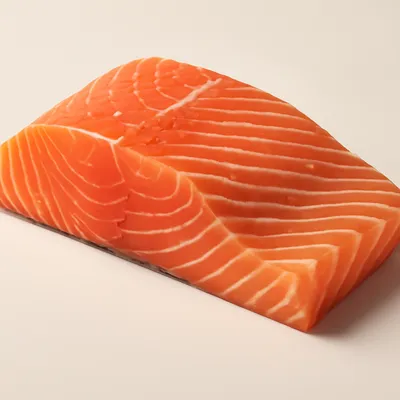
Salmon cured raw with salt, sugar, and a heavy crust of fresh dill — never smoked, never cooked. Sliced paper-thin against the grain, the flesh shows translucent at the edges. Served with mustard-dill sauce (hovmastarsas) on rye crispbread. Texture is silkier than smoked salmon; flavor is cleaner — fish, salt, dill, no smoke.
Sugar is doing more work than people think. Salt alone makes the salmon stiff and one-dimensionally salty; sugar moderates the cure, draws moisture more slowly, and gives the slice its silken texture. Standard ratio is roughly 1:1 salt to sugar by weight. Pressing under a weight for 24-48 hours is what separates restaurant gravlax from quick-cured salmon — the press firms the flesh evenly without cooking it.
Variations
Classic dill-and-pepper Swedish; Norwegian gravetørrfisk uses cod with juniper; Finnish graavilohi runs heavier on white pepper; restaurant beet-cured (rödbetsgravad) stains the salmon magenta and adds an earthy note.
On the Palate
Where Gravlax sits in the Swedish flavor cloud
This is a cure, not cooking — pack the salmon in a roughly 1:1 salt-to-sugar mix and press it under a weight for 24-48 hours; the sugar is what keeps the flesh silky instead of stiff and harshly salty.
Ingredients
How it's made
5 steps · 30 min active + 1 day waiting
- 110 min
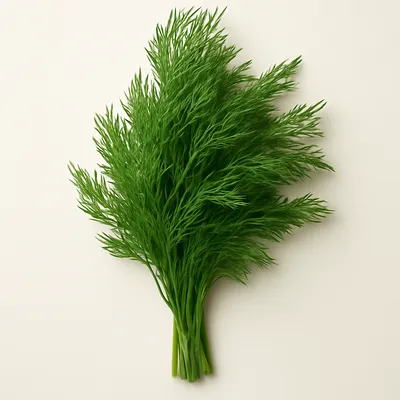
Combine salt, sugar, and a handful of fresh dill in a bowl. Rub this mixture generously over both sides of the salmon fillet, ensuring complete coverage.
Watch outRub the salt-sugar mix into every surface so no bare spot cures unevenly.
- 25 min
Place the seasoned salmon in a shallow dish, skin side down. Cover it tightly with plastic wrap, then weigh it down with a small plate to encourage the cure.
Watch outMake sure the salmon is completely covered to prevent exposure to air.
- 30 min
Refrigerate the salmon for 24 to 48 hours, turning it every 12 hours to ensure even curing. The fish should become firm and slightly translucent.
Watch outBy the end the flesh should feel firm and look slightly translucent — that's fully cured.
- 45 min
Once cured, rinse the salmon under cold water to remove excess salt and sugar. Pat dry with paper towels.
Watch outRinse thoroughly to avoid overly salty flavor in the final dish.
- 510 min
Slice the salmon thinly on the diagonal. Serve with a dill and mustard sauce, either on slices of bread or alongside boiled potatoes.
Watch outSlice thin on a shallow diagonal off the skin for wide, silky pieces.
Archive tool suggestions — not reviewed
These legacy suggestions have not been evidence-reviewed and are not presented as required tools.