




From the Karelia region (now split between Finland and Russia), the pie's roots go back to at least the 17th century — the first written mention dates to 1686. After Finland ceded most of Karelia to the Soviet Union following the wars, displaced Karelians carried the recipe across the country and it spread nationwide, becoming widely regarded as Finland's national food. Karjalanpiirakka received EU Traditional Specialty Guaranteed status in 2003; under that protection the name is reserved for pies made the traditional way, with rye making up at least half the flour.
From Karelia, with roots before the 16th century. After 1944, displaced Karelian Finns brought it across Finland and it spread nationwide. Got EU Traditional Specialty Guaranteed status in 2003. Munavoi (chopped boiled egg + butter) on top isn't optional — the plain pie is dry.
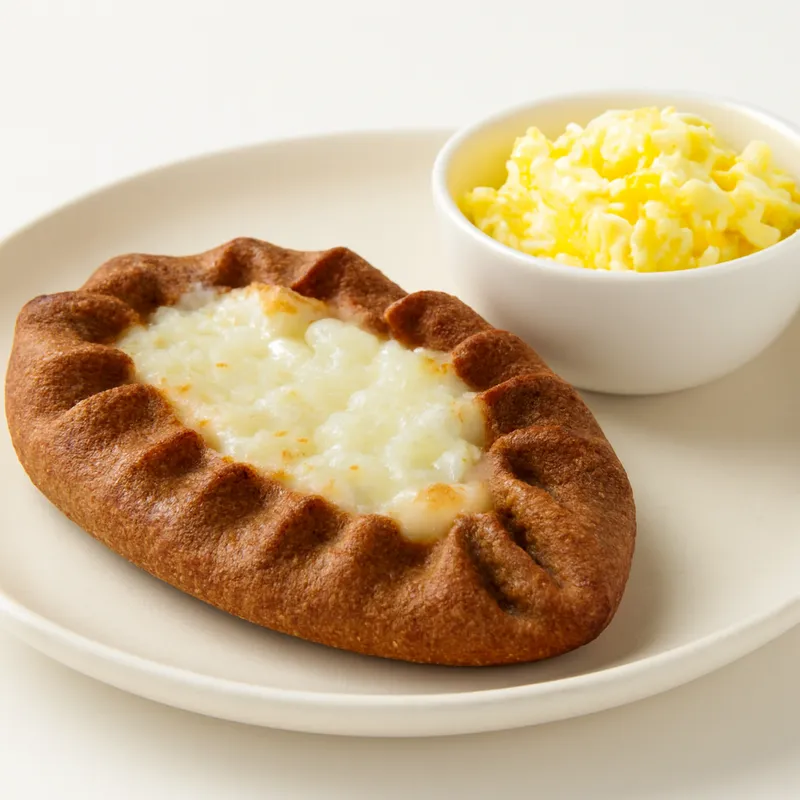
A small oval pie, thin rye-and-wheat crust crimped into a boat shape around a center of soft rice porridge. Brushed with melted butter as it comes out of the oven so the crust softens slightly. Eaten with munavoi — chopped boiled egg mashed with butter — spread thick on top. Mild, starchy, gently rye-bitter; comfort food, not a punch.
The crust is rye-flour-heavy, rolled almost paper-thin, and crimped wet so the edges seal to the wet rice filling — dry crust pulls away in the oven. Older versions used a barley or buckwheat porridge filling; rice came in the 19th century when Finnish trade with Russia made it affordable. Munavoi isn't optional — the plain pie is dry; the egg-butter is the moisture and salt.
Variations
Rice-porridge filling (modern standard, 19th c. onward); barley-porridge filling (older, still in eastern Finland); potato-mash filling (some Savo bakeries); Russian-side Karelian кaлитки use a buckwheat or potato fill and skip the butter wash.
On the Palate
Where Karjalanpiirakka sits in the Finnish flavor cloud
Roll the rye crust down to about 2 mm and crimp the edges while the dough is still damp — a paper-thin, wet-sealed shell is what hugs the rice filling instead of splitting open and drying out in the hot oven.
Ingredients


How it's made
6 steps · 1 hour 20 min
- 120 min
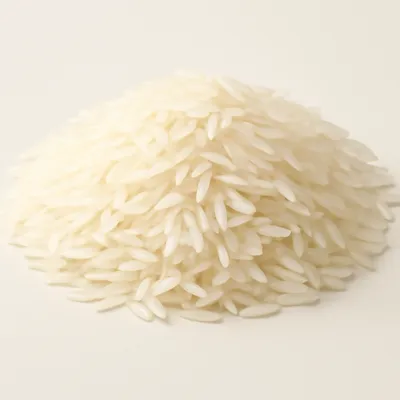
Preheat your oven to 225°C (437°F). In a large pot, bring 1 liter of water to a boil, then add a pinch of salt and the rice. Cook until the rice is tender and absorbs the water, about 10 minutes. Stir in the milk and simmer gently until the mixture thickens to a creamy consistency.
Watch outStop when the rice-and-milk thickens to a creamy, spoon-coating porridge — still soft but no longer soupy.
- 215 min
While the rice is cooking, mix rye flour with a pinch of salt in a large bowl. Gradually add water, kneading until you have a firm, smooth dough. Roll the dough into a log and cut into equal pieces.
- 310 min
Roll each piece of dough into a thin oval shape on a floured surface. Aim for a thickness of about 2 millimeters, so the dough is almost translucent.
Watch outThe oval is thin enough when you can nearly see the counter through it — that's the ~2 mm you want.
- 415 min
Place a spoonful of the rice filling in the center of each dough oval. Fold the edges over the filling, pinching them together to create a crimped edge that holds the filling in place.
Watch outPinch the damp edge firmly into pleats so it grips — dry dough won't hold and will spring open.
- 515 min
Lay the pasties on a baking tray lined with parchment paper. Bake in the preheated oven until the edges are crisp and the tops are slightly golden, about 15 minutes.
Watch outAvoid over-baking; the pasties should be firm but not hard.
- 65 min
As soon as the pasties come out of the oven, brush them generously with melted butter. This softens the crust and adds a rich flavor.
Watch outBrush while the pies are piping hot so the crust soaks the butter in and softens.
Archive tool suggestions — not reviewed
These legacy suggestions have not been evidence-reviewed and are not presented as required tools.