Documented in Ottoman-era Black Sea kitchens, with the modern boat shape associated with Trabzon and Samsun by the late 19th century, where wood-fired bakeries made it the workers' breakfast and Ramadan iftar staple. Each region carries its filling: Karadeniz (Black Sea) leans cheese-and-egg, Konya goes ground meat, the southeast adds peppers.
Black Sea boat-shape codified in Trabzon and Samsun by the late 19th century. Dough hydration around 60-65% — lower than pizza — so the base stays chewy under cheese and yolk instead of sogging out.
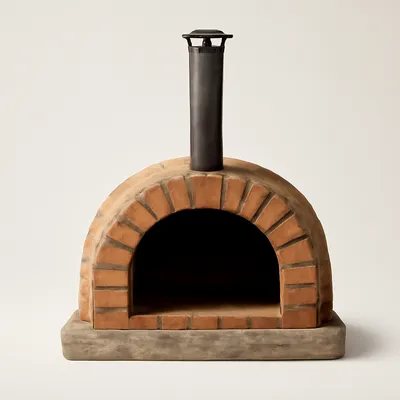
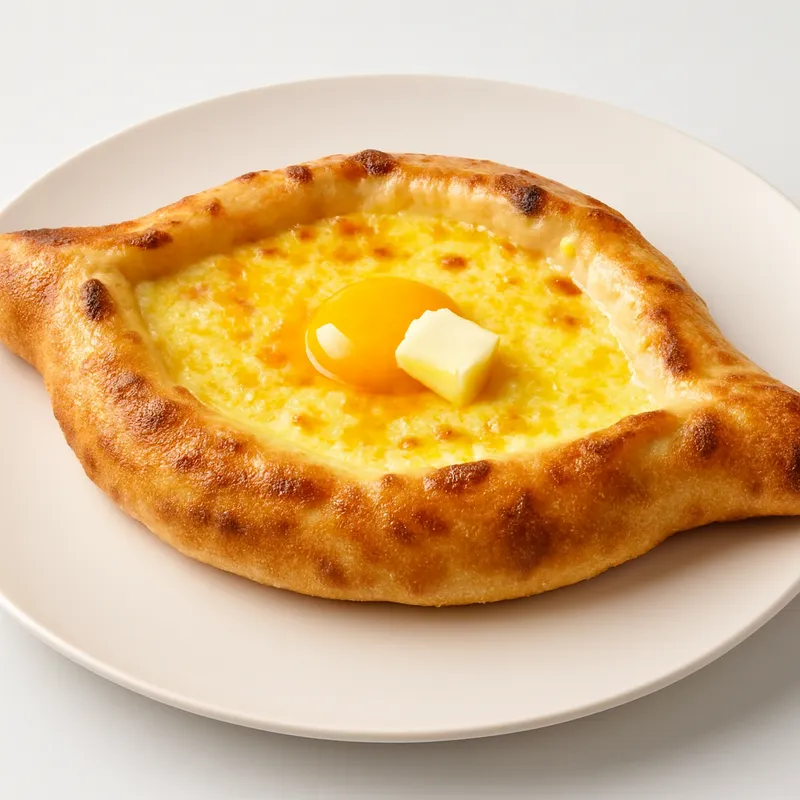
A long boat of dough with the ends pinched up like a canoe, the middle filled with kaşar cheese, sucuk, spiced ground lamb, or a whole egg cracked in the last minute. Wood-fired oven gives the rim a blistered char while the base stays chewy. Cut crosswise into ribbons and eat hot — once the cheese sets, the texture goes rubbery.
The pinched-up rim isn't decorative — it walls in molten cheese and runny yolk so the filling steams rather than spilling onto the oven floor. Dough hydration runs around 60-65%, lower than pizza, which is why the base stays chewy under wet fillings instead of going soggy. The egg goes in 60 seconds before pulling so the white sets but the yolk runs when cut.
Variations
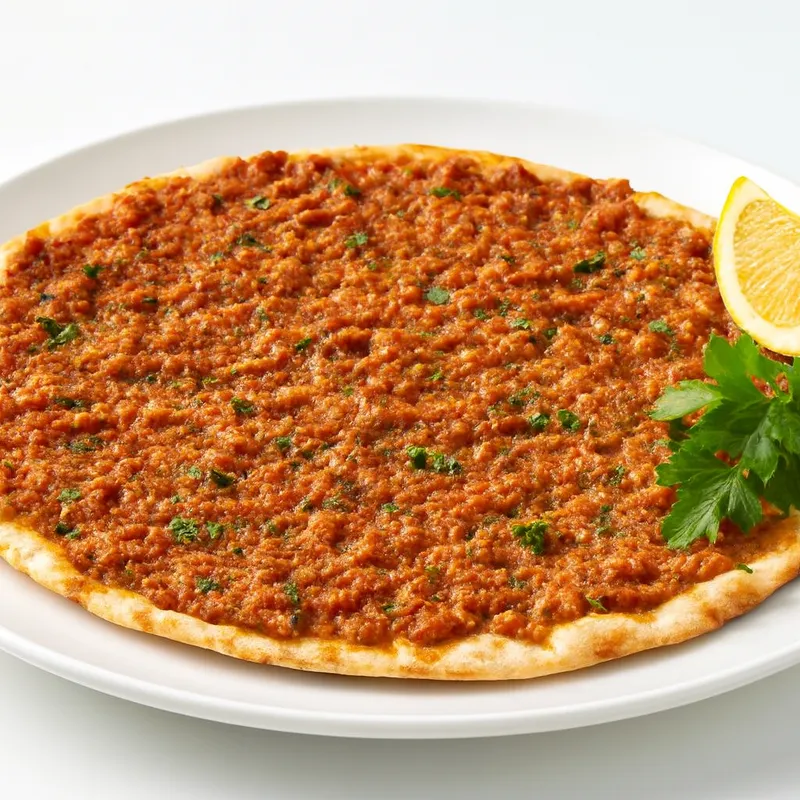
Karadeniz pide leans kaşar-and-egg; Konya etli ekmek goes ground meat thin and very long (stretched to ~1.65-1.8m), not wide; southeastern lahmacunlu pide adds peppers and a closer-to-Antep meat smear.
On the Palate
Where Pide sits in the Turkish flavor cloud
Ingredients

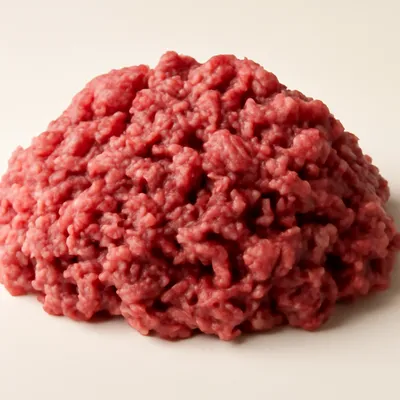

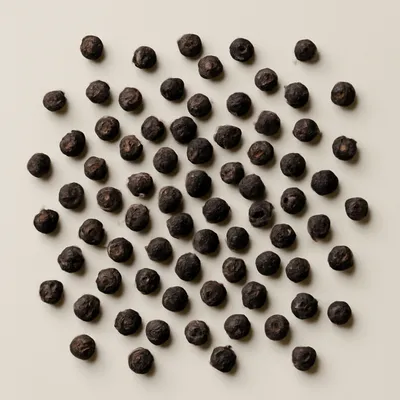

How it's made
5 steps · 45 min active + 30 min waiting
- 110 min
In a large bowl, combine flour with a pinch of salt and gradually add water until a soft dough forms. Knead the dough on a floured surface until smooth and elastic, about 10 minutes. Cover the dough with a damp cloth and let it rest for 30 minutes.
Watch outKnead until the dough turns smooth and springs back when poked; that elasticity holds the boat shape.
- 210 min
Preheat your oven to 220°C (428°F). Meanwhile, finely chop the onion and mix it with the ground lamb, a pinch of salt, and pepper. Roll out the dough into an oval shape about 1 cm thick.
Watch outRoll to about 1 cm — thinner and juices soak through, thicker and the middle stays doughy.
- 35 min
Spread the lamb mixture evenly over the dough, leaving a small border. Top with slices of tomato and sprinkle with cheese. Fold the edges of the dough over slightly to form a crust.
Watch outFold and pinch the edges into a raised rim that will hold the melting filling in.
- 415 min
Place the pide on a baking sheet and bake in the preheated oven for about 15 minutes, or until the crust is golden and the cheese is bubbly.
Watch outDone when the rim is deep golden and the cheese is bubbling in the center.
- 55 min
Melt butter in a small pan and brush it over the hot pide as soon as it comes out of the oven. Serve immediately, garnished with fresh parsley if desired.
Archive tool suggestions — not reviewed
These legacy suggestions have not been evidence-reviewed and are not presented as required tools.