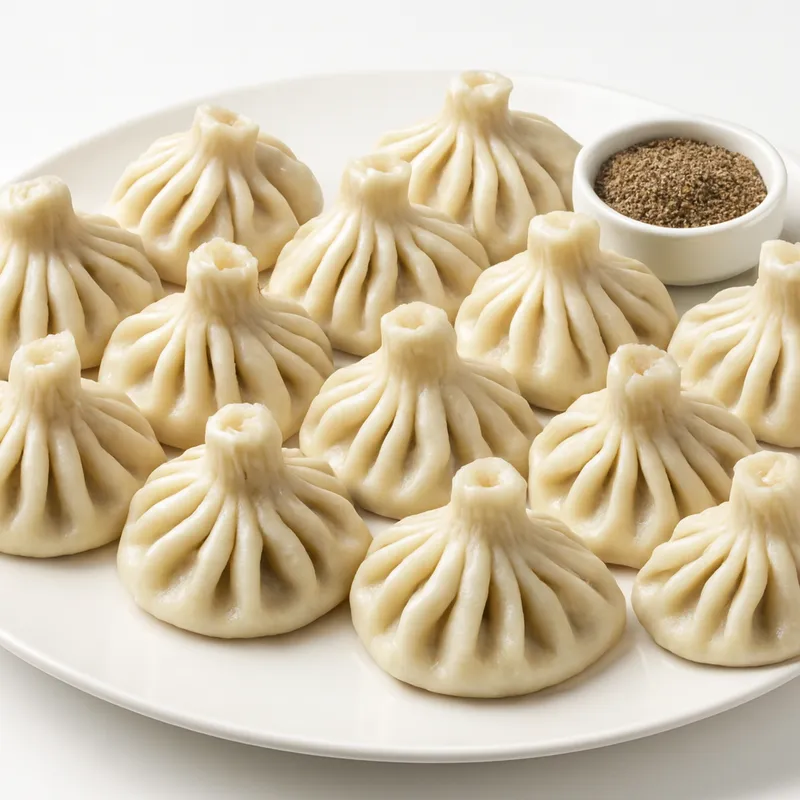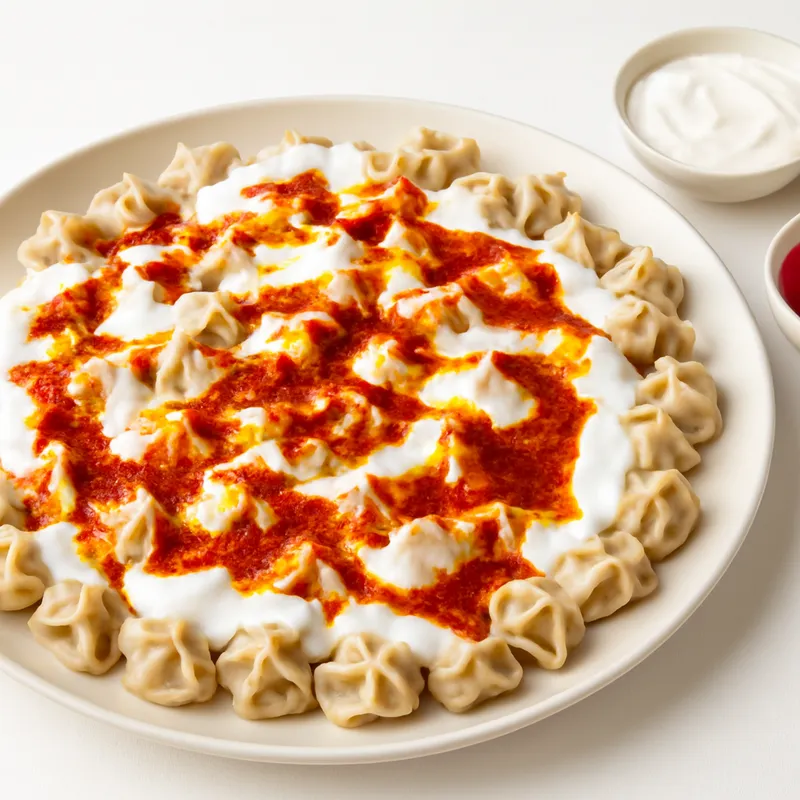





The dumpling itself traces back along the Silk Road from Central Asia (Uyghur and Turkic mantı), reaching Anatolia with Seljuk migration in the 11th century. The Kayseri tradition of miniature size and yogurt sauce was settled by the Ottoman period, mentioned in 15th-century palace cookbooks. Larger Uyghur and Afghan manti remain steamed and unsauced; the Anatolian shrinking is local.
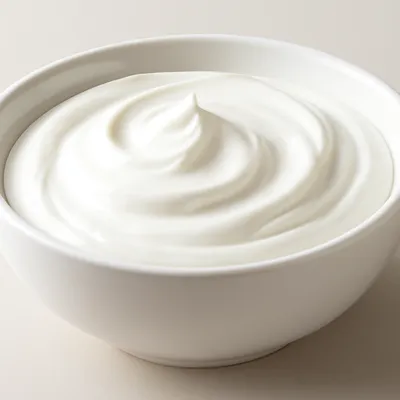
Kayseri tradition: forty dumplings on a single spoon is the pinch test. Garlic is grated raw into cold yogurt — heat would dull the bite — then chili-bloomed butter goes on at the last second.
Forty-plus tiny dumplings in a shallow bowl — the pinch test in Kayseri is whether forty fit on a single spoon. Filled with seasoned raw lamb, boiled, then drowned in cold garlic yogurt and topped with chili-bloomed butter and dried mint. Eat fast: the yogurt cools the dumplings, the butter must still be warm, and once the dough sits too long it goes gummy.
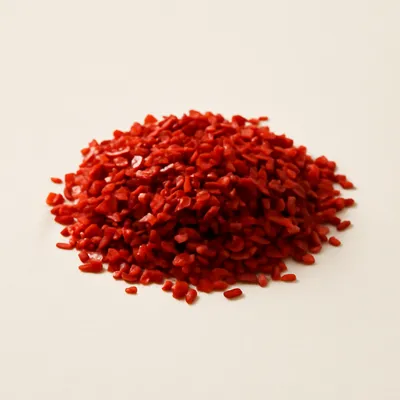
The dumplings are deliberately undersized so surface area dominates: yogurt clings to every wrap, chili butter coats every fold, no bite is plain dough. Garlic is grated raw into cold yogurt — heat would dull the bite. The butter is bloomed with Aleppo pepper or paprika until red, then poured over to release fat-soluble color and aroma the yogurt alone can't carry.
Variations
Kayseri (the smallest, sauced); Sinop manti (slightly larger, walnut sometimes added); Uyghur and Afghan manti stay big, steamed and unsauced — the Anatolian shrinking is local.
On the Palate
Where Manti sits in the Turkish flavor cloud
Ingredients



How it's made
5 steps · 50 min active + 30 min waiting
- 110 min
In a large bowl, mix flour, egg, and a pinch of salt, adding water gradually until a firm dough forms. Knead on a floured surface until smooth, about 10 minutes. Let rest under a damp cloth for 30 minutes.
Watch outThe dough should feel firm and no longer sticky after kneading — press a finger in and it springs back slowly; then let it rest so it rolls thin without tearing.
- 210 min
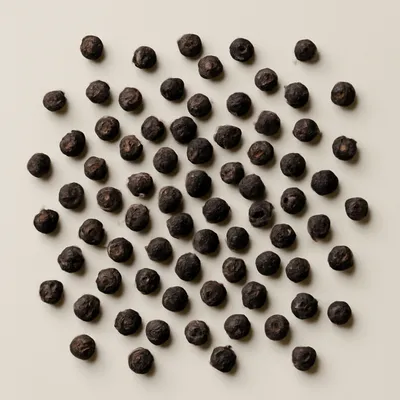
For the filling, finely chop the onion and mix it with the ground meat, salt, and pepper. Roll out the dough very thinly and cut into small squares, about 4 cm each.
Watch outRoll until the sheet is nearly translucent before cutting; if it's thick the little squares turn doughy once boiled.
- 315 min
Place a small spoonful of meat mixture in the center of each square. Fold the corners over the filling and pinch to seal tightly.
Watch outEnsure all edges are sealed well to prevent the filling from leaking during cooking.
- 410 min
Bring a large pot of salted water to a boil. Gently drop the manti into the water and cook until they float to the surface and are tender, about 10 minutes.
Watch outThey're done a moment after they bob to the surface and the wrappers look glossy; drain them promptly so they don't waterlog.
- 55 min
Melt butter in a small pan until it turns a golden brown. Pour over the cooked manti, then top with a mixture of yogurt and crushed garlic. Sprinkle with dried mint before serving.
Watch outCook the butter until it just turns golden and smells nutty, and the pepper stains it red — pull it before it browns past that or it goes bitter.
Archive tool suggestions — not reviewed
These legacy suggestions have not been evidence-reviewed and are not presented as required tools.