

Documented in Ottoman court records from 1525 (Topkapı Palace ledgers list simit purchases), making it one of the longest continuously produced street breads in the world. Originally a guild product baked in dedicated simitçi ovens, it became Istanbul's defining street food in the 19th century when Galata Bridge vendors set the template — red cart, glass case, balanced tray on the head — that still operates today.
Topkapı ledgers list simit purchases from 1525 — one of the longest continuously produced street breads anywhere. Galata Bridge vendors set the 19th-century template (red cart, glass case, head-balanced tray) still operating today. The pekmez dip caramelizes the crust hot enough to deep-toast the sesame on contact.
A ring of bread the size of a small frisbee, dipped in grape molasses and rolled in sesame seeds before baking, so the crust is dark mahogany and toasted-nutty while the inside stays open and chewy. Eaten standing, from a red cart, often with a wedge of feta and black tea. Stale by lunchtime — it's a morning bread, period.
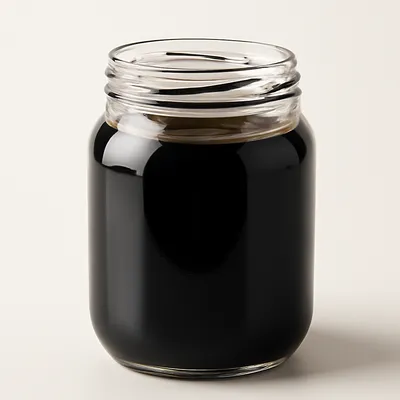
The grape-molasses dip (pekmez or sometimes diluted molasses water) is the unsung step — it adds color, a faint earthy sweetness, and helps the sesame adhere, but above all it's a sugar bath that caramelizes the crust hot enough to deep-toast the sesame on contact, giving the bread its specific brown-and-nutty signature. Substituting plain water leaves the sesame pale and tasteless; that's the tell of a tourist-grade simit.
Variations
Istanbul simit (slim, very dark sesame); Ankara simit (thicker, paler crust); Izmir gevrek (thinner, drier); Selanik simit is the Thessaloniki cousin Greek refugees brought back in 1923, still sold as koulouri.
On the Palate
Where Simit sits in the Turkish flavor cloud
The dip before the sesame is the make-or-break: coat the rings in grape molasses (or diluted molasses water), not plain water, because that sugar bath caramelizes the crust hot enough to deep-toast the sesame on contact — plain water leaves the seeds pale and tasteless, the tell of a tourist-grade simit.
Ingredients

How it's made
5 steps · 50 min active + 1 hour waiting
- 110 min
In a large bowl, combine flour, sugar, and yeast. Gradually add warm water, mixing until a rough dough forms. Knead on a floured surface until smooth and elastic, about 10 minutes.
Watch outEnsure the dough is kneaded until it is smooth and elastic to develop gluten properly.
- 20 min
Cover the dough with a damp cloth and let it proof in a warm place until doubled in size, about 1 hour.
Watch outThe dough is proved when it's doubled and a poke leaves a dent that fills back slowly — spring straight back and it needs longer.
- 315 min
Divide the dough into equal portions. Roll each portion into a long rope, then twist and shape into a circular ring. Dip each ring into water, then coat generously with sesame seeds.
Watch outRoll the rope out long and even before twisting, and press each ring firmly into the sesame so the seeds actually stick.
- 420 min
Place the rings on a baking sheet lined with parchment paper. Bake in a preheated oven at 200°C (390°F) for 15-20 minutes until golden brown and crisp.
Watch outPull them at a true golden-brown with the sesame gone deep and nutty — pale seeds mean they came out too soon.
- 55 min
Allow the simit to cool slightly on a wire rack before serving. They should be crisp on the outside and chewy on the inside.
Archive tool suggestions — not reviewed
These legacy suggestions have not been evidence-reviewed and are not presented as required tools.