Anatolian Turkish
Heartland of wheat, mutton, yogurt — Central and Eastern Anatolian plateau.
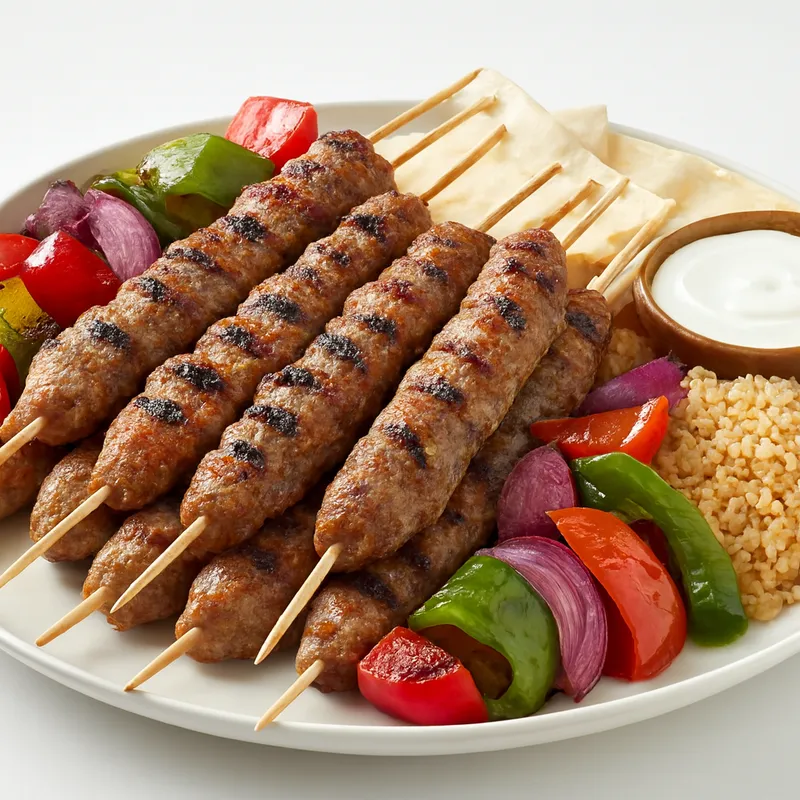
Kebab
Turkish grilled seasoned meat on skewers or rotisserie, the iconic dish of Anatolian cuisine
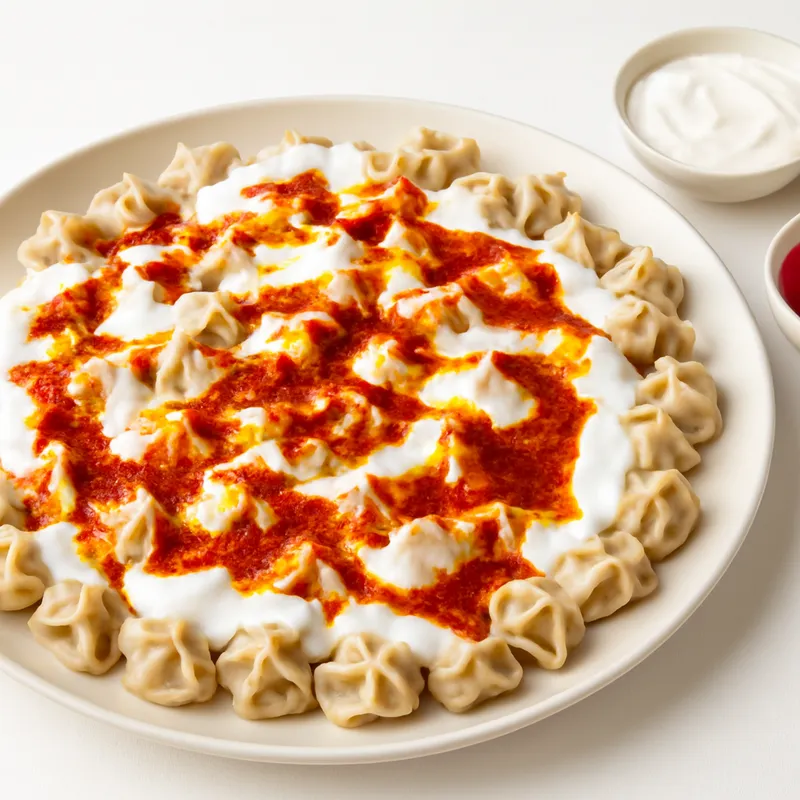
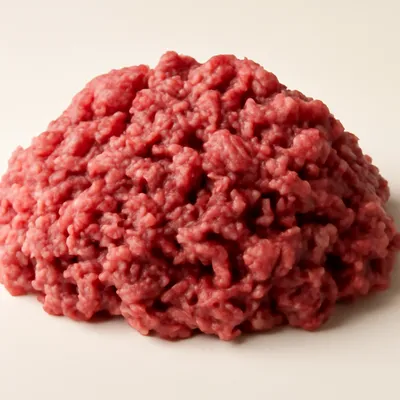
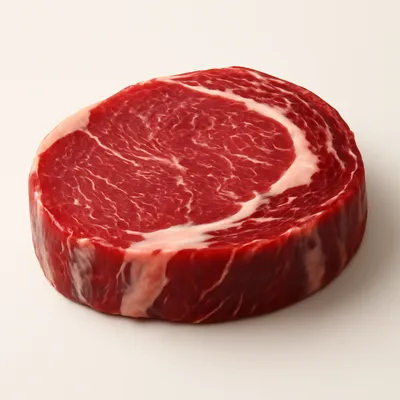
View page →Anatolian Turkish cuisine covers the vast geographic heart of Turkey — from Ankara's central plateau through Konya's Mevlevi heritage, north to Sivas-Erzurum mountains, east to Van Lake. The cuisine reflects pastoral and agricultural traditions: wheat (in bread, bulgur, mantı dumplings, and pastırma-wrapped beyaz peynir kayseri pide), mutton and lamb (in slow-cooked stews, kebabs, and tandır-roasted whole-lamb), and yogurt (in yayla soup, kebabs, sauces, and the cooling cup of ayran that accompanies every meal).
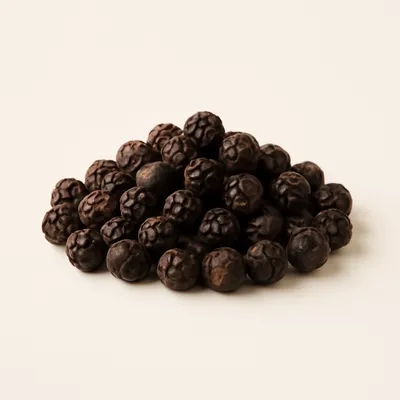
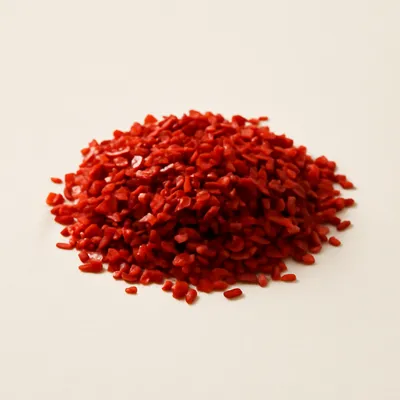
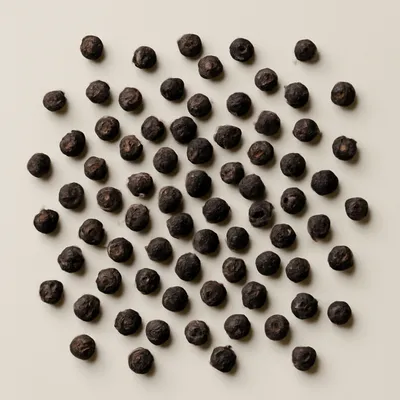
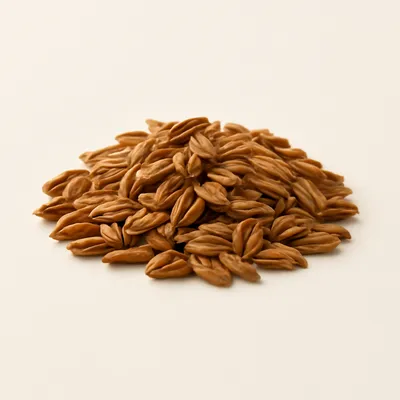
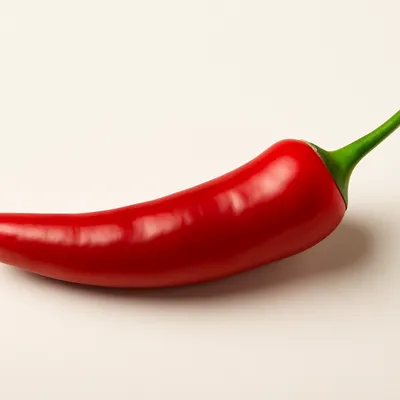
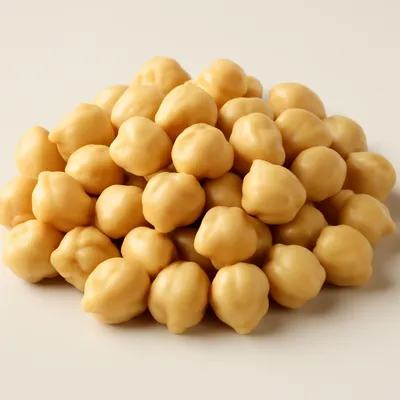
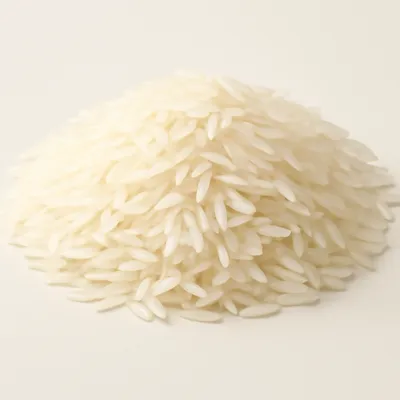
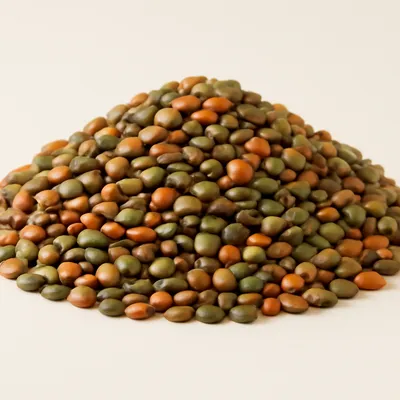
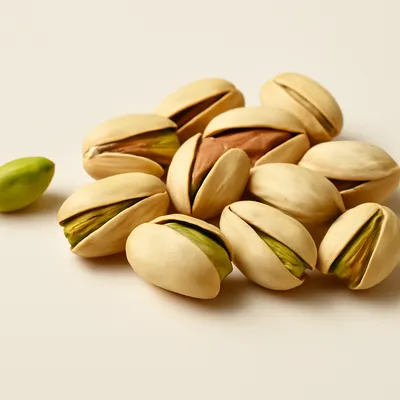
Anatolian winters are long and cold, so the cuisine emphasizes warming, filling, calorie-dense food: thick lentil and bulgur soups (mercimek, ezogelin, yayla, işkembe), buttered rice pilavs with chickpeas and pine nuts (nohutlu pilav, iç pilavı), and rich dairy desserts (sütlaç rice pudding, kaymak with honey). The signature spices are restrained: cumin, black pepper, dried mint, pul biber chili flakes, with allspice and cinnamon appearing in sweet-savory dishes inherited from the Ottoman court. Kayseri pastırma (cured beef coated in fenugreek-garlic çemen) is Anatolia's most exported product.
Start Here
Always finish with a generous lemon squeeze — citric acid wakes the lentil flavor.
Why start here · Mercimek Çorbası is Turkey's most-eaten soup — eaten daily from breakfast to dinner.
The çemen (fenugreek-garlic-paprika paste) coating defines pastırma — without it, it's just dried beef.
Why start here · Pastırma is Anatolia's most-exported cured product — Kayseri is the world capital.
The broiled top is non-negotiable — without it, it's rice pudding, not Turkish sütlaç.
Why start here · Sütlaç is Turkey's most popular traditional dessert — at every restaurant and every grandmother's house.
The Pantry






See all 77 ingredients›









Fruits


















How They Cook
Techniques that define this cuisine
Kindred Kitchens
Cuisines built on the same signature ingredients
Other regions
Siblings within Turkish — each its own tradition.