The earthy anchor that transforms ordinary into exotic.
Earthy, warming spice from dried seeds; central to Indian, Mexican, and Middle Eastern cuisines.
Where it comes from
Cumin has roots in the ancient Middle East, where it was prized for its flavor and medicinal properties, becoming a staple in cuisines from India to Mexico.
In the kitchen
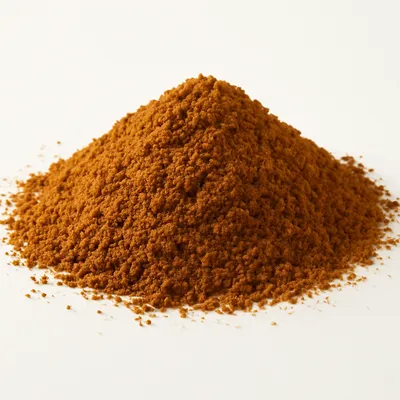
Cumin is commonly used in whole or ground form, enhancing curries, stews, and roasted vegetables with its warm, aromatic qualities.
Across cuisines
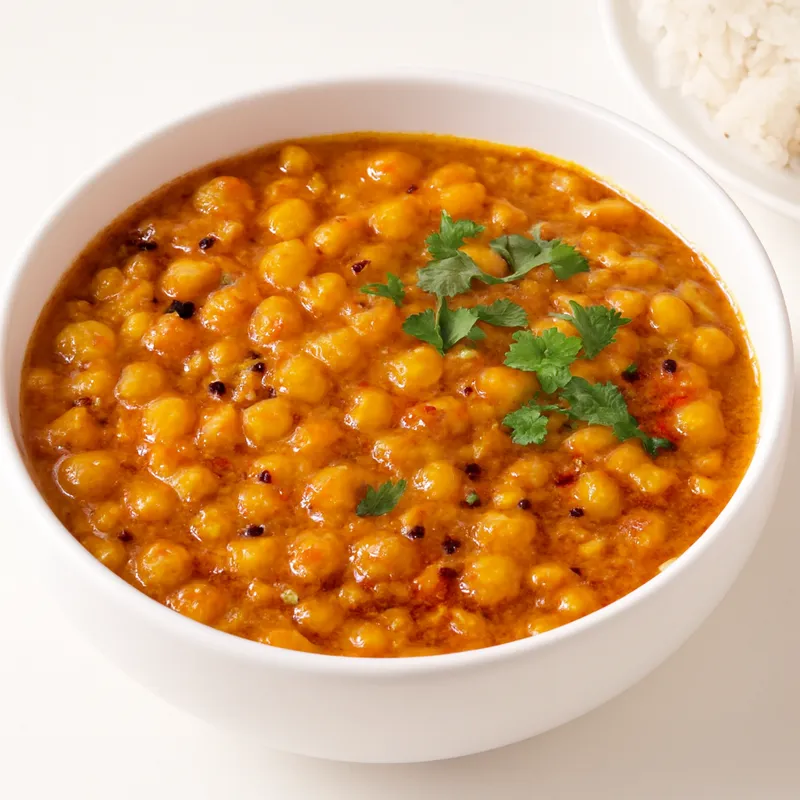
Cumin (jeera) functions in two modes in Indian cooking: whole seeds bloomed in hot ghee or oil for tempering (tadka) — standard opening for Chana Dal Curry, Dal Makhani, and Chana Masala — and ground in masala blends as a mid-note between coriander and chili. Cumin water (jeera pani) is also a digestive drink across North India.
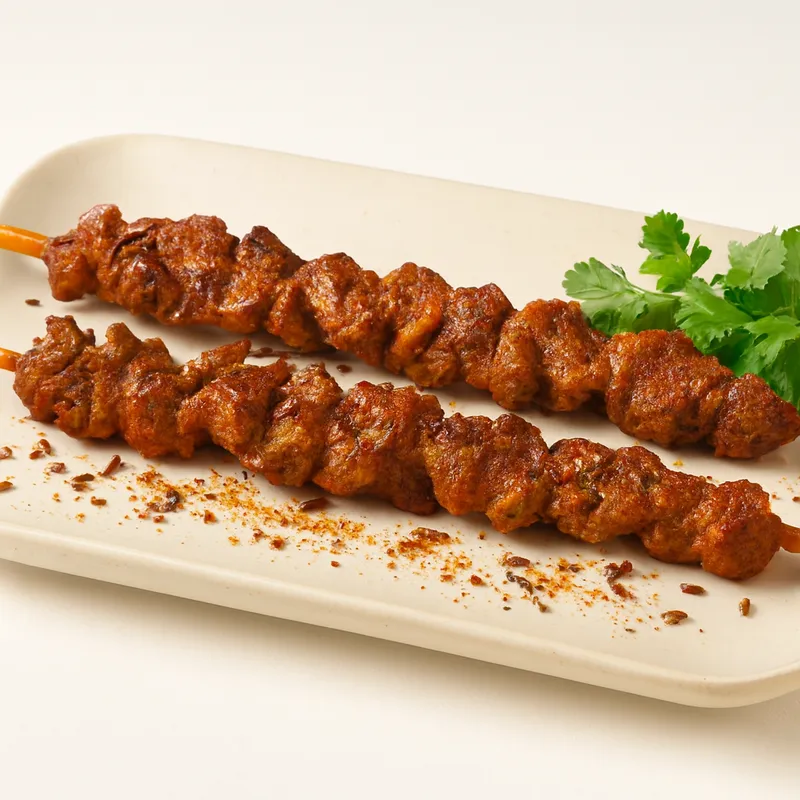
Tex-Mex and Californian cuisines build on cumin as the dominant savory note. Carne Asada Tacos rely on a cumin-heavy rub; Chili Con Carne uses it ground in large quantities (1–2 tbsp per batch); Fajitas, Tex-Mex Enchiladas, and Mission Burritos all treat cumin as a background anchor alongside garlic and chili powder. Cincinnati Chili is an outlier — its Middle Eastern immigrant origin produces a cumin-cinnamon-allspice profile unique in the American context.
Cuban cuisine uses cumin in mojo marinades (Cuban Mojo), sofrito (Cuban Sofrito), and slow-cooked dishes like Ropa Vieja and Lechón Asado. The spice arrived via Spanish colonialism and Canary Island migration, producing a lighter cumin hand than Indian or Mexican cooking — typically 1/2 tsp ground versus 2+ tsp. Jamaican Curry Chicken and Curried Goat follow the curry powder tradition where cumin is one of several seeds.
Notable varieties
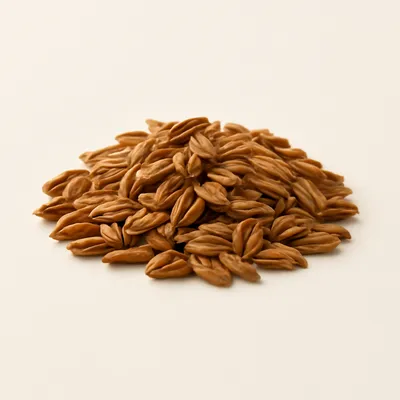
Standard dried cumin seed (Cuminum cyminum). Warm, earthy, slightly bitter. Toasted before grinding intensifies aroma 2–3x. Dominant form across Indian, Middle Eastern, and Mexican cooking.
Bunium persicum — thinner, darker, more delicate than white cumin. Sweeter and less sharp. Used in Kashmiri biryanis and royal Mughlai dishes like Korma; never used in tempering, only ground and stirred in.
Nutrition (per 100g)
AI-estimated; model and run unavailable.
Pairs well with