Sephardic Jewish in origin: among the Jews of medieval Iberia it began as a Sabbath stew — meat and beans slow-cooked overnight (no fire could be lit on the Sabbath), a dish the Sephardim called handrajos, meaning 'rags,' already hinting at the eventual name. As the Sephardim dispersed it spread across the Mediterranean, taking root in Andalusia and Moorish-influenced southern Spain; the older Castilian version often used lamb or goat, and a related lamb stew survived among the Sephardim of Salonika. Spanish colonization carried it further: Canary Islanders brought it to Cuba in the 16th–17th centuries. In the Canaries ropa vieja was a thrift dish — the leftover boiled beef and chicken from the previous day's puchero stew, shredded back into the pot with chickpeas. In Cuba, once the colony's cattle economy made beef plentiful, it turned from a leftovers dish into a from-scratch flank-steak braise built on the ubiquitous sofrito, and became the national dish. The name's origin is genuinely contested: some trace it to the tattered, old-clothes look of the shredded beef, others to its having been assembled from other meals' leftovers.
Sephardic-Iberian thrift dish carried to Cuba by Canary Islanders in the 16th–17th centuries, then rebuilt around plentiful colonial beef. Hand-pull the flank along the grain — knife-shred severs the long fibers and you lose the rag-cloth look the name describes.
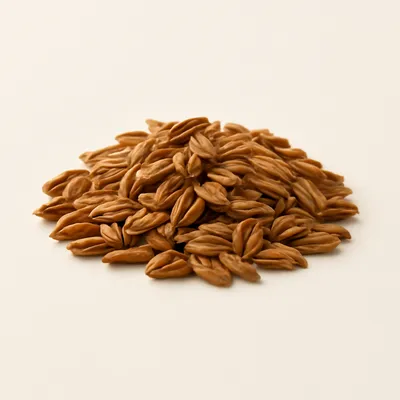
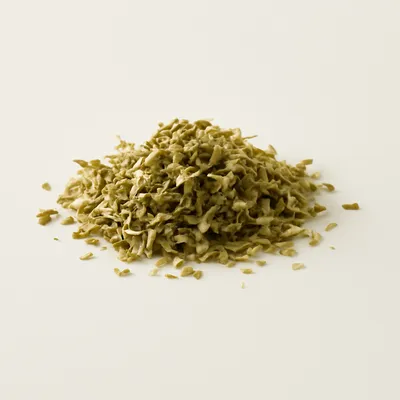
Long, frayed strands of beef — flank or skirt, cooked until they pull apart into thread — in a tomato-bell-pepper-onion sofrito stained orange-red. Cumin and oregano in the back. Soft strands, no chew left, served over white rice with sweet plantains alongside. The name means "old clothes" — the shredded beef is meant to look like ragged laundry.
The shred is mechanical, not magical — flank or skirt has long parallel muscle fibers (unlike chuck's web), so collagen-melt at 90°C+ for 2–3 hours releases the strands cleanly along the grain. Hand-pull, never knife-shred — knives sever the fibers and you lose the rag-cloth look. The sofrito is built first and reduced hard before the beef returns; watery sofrito means watery final dish.
Variations
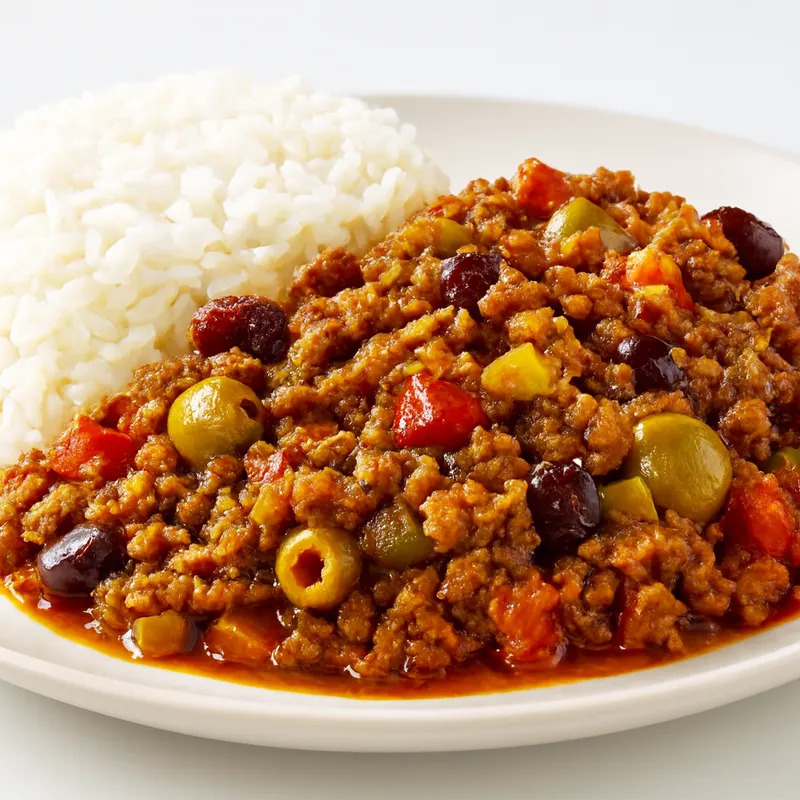
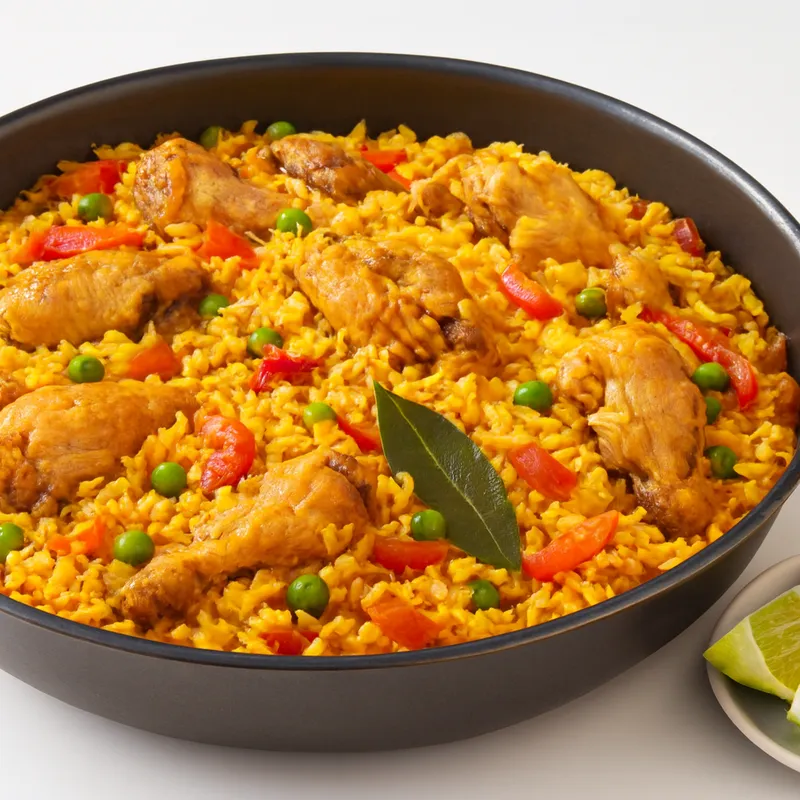
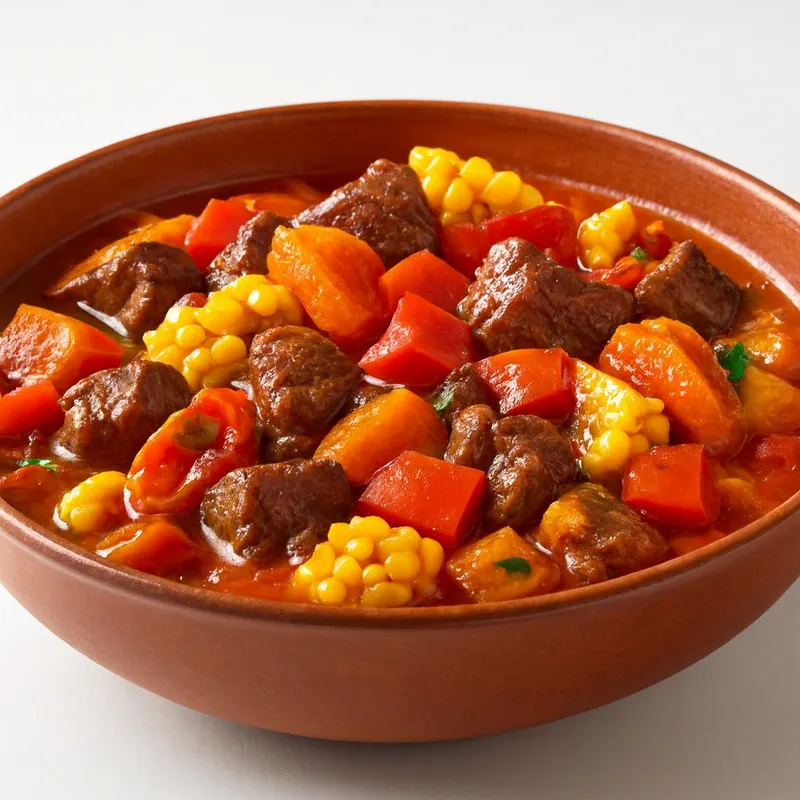
Canarian original uses leftover cocido boiled meat; Puerto Rican ropa vieja runs sweeter with more bell pepper; Sephardic Salonika version is lamb, not beef; Mexican machaca is the dry-fried cousin of the same shred logic.
On the Palate
Where Ropa Vieja sits in the Cuban flavor cloud
Ingredients


How it's made
5 steps · 24 min active + 1 hour 30 min waiting
- 18 min
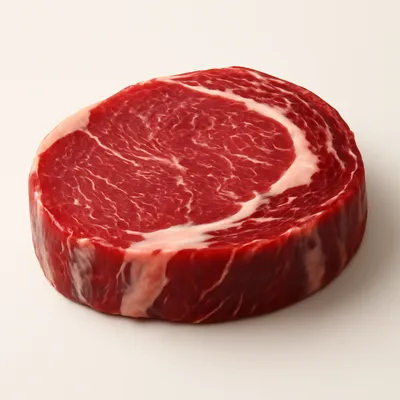
In a heavy pot, heat a splash of oil over medium-high heat until shimmering. Add beef flank, searing each side until a deep brown crust forms, about 4 minutes per side.
Watch outDon't move the beef until a deep brown crust forms and it lifts off the pan freely — that seared fond is the backbone of the sauce's flavor.
- 25 min
Lower the heat to medium and add diced onions, bell peppers, and minced garlic. Stir frequently until the vegetables are softened and the onions are translucent, about 5 minutes.
Watch outSweat the aromatics until the onions turn translucent and smell sweet, not raw — this soft base is what carries the whole dish.
- 31 min
Add cumin and continue to cook, stirring, until the spices are fragrant, about 1 minute.
- 40 min
Pour in crushed tomatoes, stirring to combine. Cover the pot and let the mixture simmer gently until the beef is tender and easily shredded, about 1.5 hours.
Watch outCheck occasionally to ensure the pot doesn't dry out; add a splash of water if necessary.
- 510 min
Once the beef is tender, remove it from the pot and shred with two forks. Return the shredded beef to the pot, stirring to coat with the rich sauce. Simmer for another 10 minutes to meld flavors.
Watch outAfter the shredded beef goes back in, simmer just ten minutes so it drinks up the sauce and everything melds — longer and the strands go dry.
Archive tool suggestions — not reviewed
These legacy suggestions have not been evidence-reviewed and are not presented as required tools.