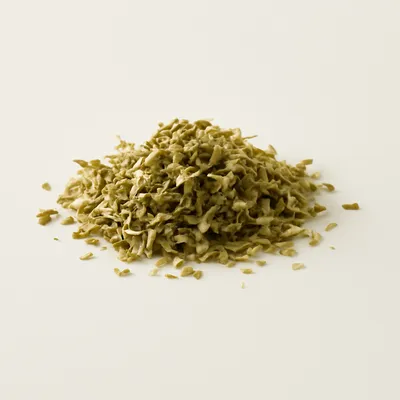
Oregano is the sun-soaked herb that brings the Mediterranean directly to your plate.
Earthy and slightly bitter with a hint of sweetness, oregano has a robust flavor that is reminiscent of the Mediterranean sun. Its pungent aroma and vibrant green leaves are essential in Italian and Greek cuisines.
Where it comes from
Oregano is native to Europe and Asia, revered since ancient times for both its culinary and medicinal properties, often associated with joy and happiness.
In the kitchen
Oregano enhances sauces, marinades, and roasted vegetables, providing a bright, herbal kick that complements tomato-based dishes and grilled meats.
Across cuisines
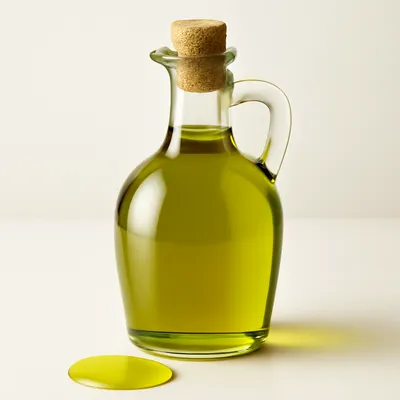
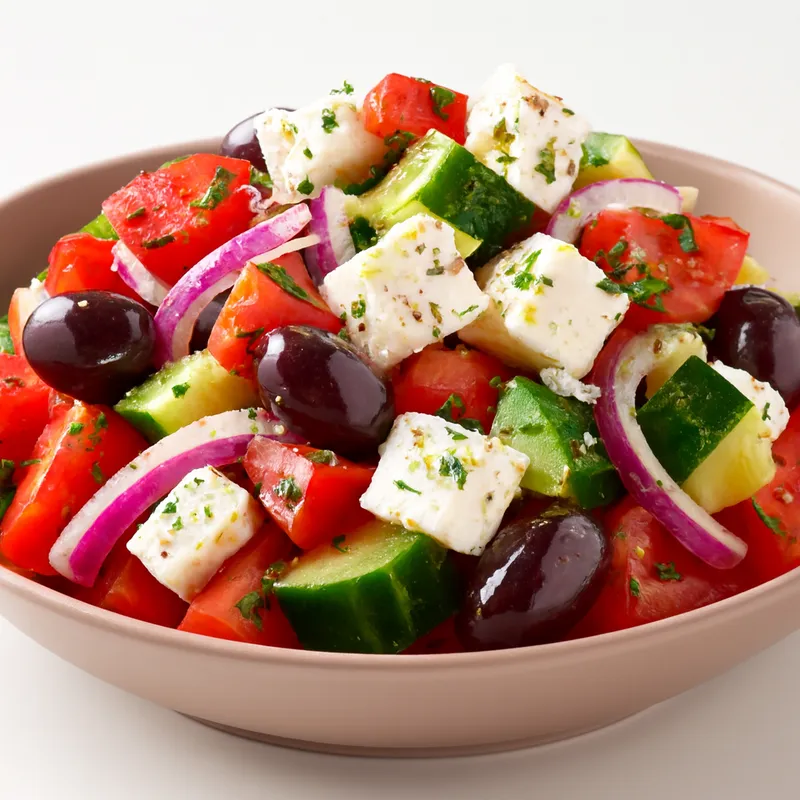
Greek cuisine uses oregano as a foundational herb, often dried and crumbled for its concentrated flavor. It is a key component in seasoning blends for grilled meats like souvlaki and gyros, and also enhances the taste of Greek salad. Oregano's robust profile complements the olive oil and lemon often found in Greek dishes.
In Argentinian cuisine, oregano is a critical ingredient in chimichurri, a vibrant sauce used for grilled meats. Fresh oregano is often combined with parsley, garlic, vinegar, and oil to create this tangy and herbaceous condiment. The fresh herb adds a distinct earthiness that balances the acidity of the vinegar.
In Caribbean cuisine, oregano is often used in marinades for meats, contributing to the complex flavor profiles typical of the region. It is commonly paired with allspice, garlic, and citrus juices to marinate pork and chicken. Oregano imparts a subtle herbal note that complements the sweetness and acidity of tropical fruits.
Nutrition (per 100g)
AI-estimated; model and run unavailable.