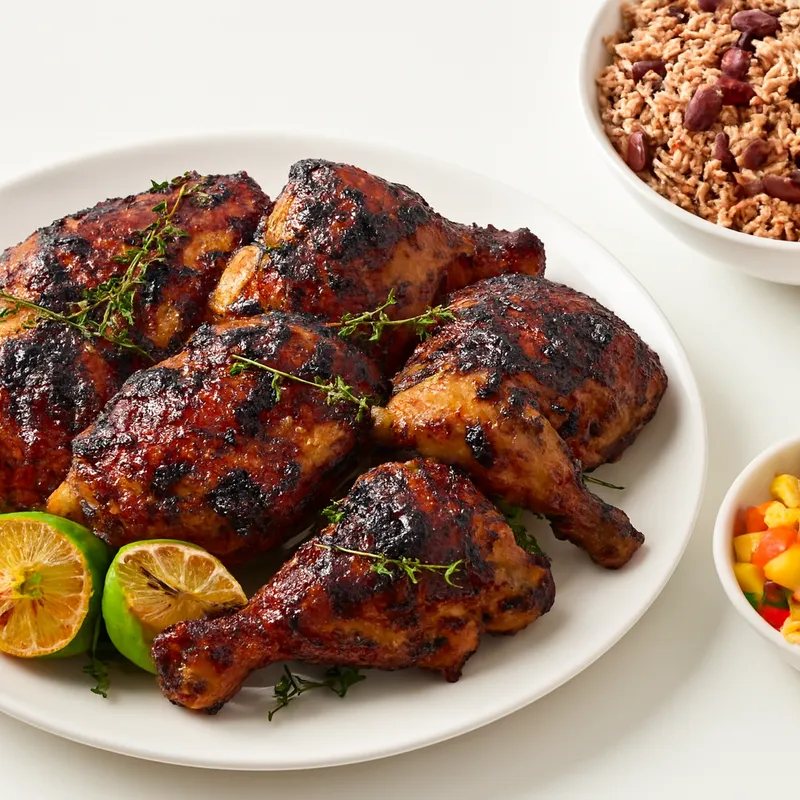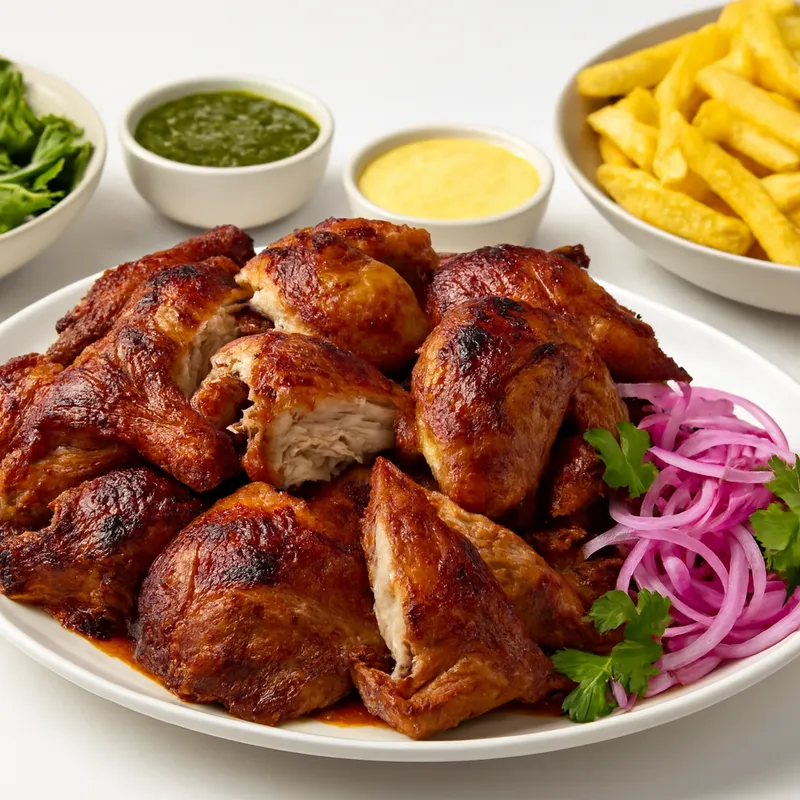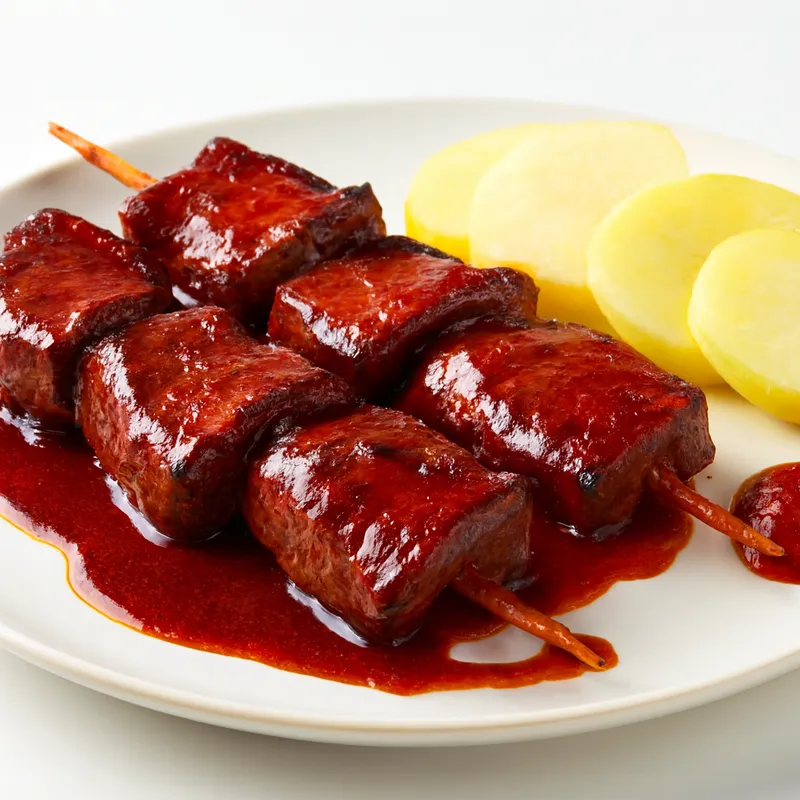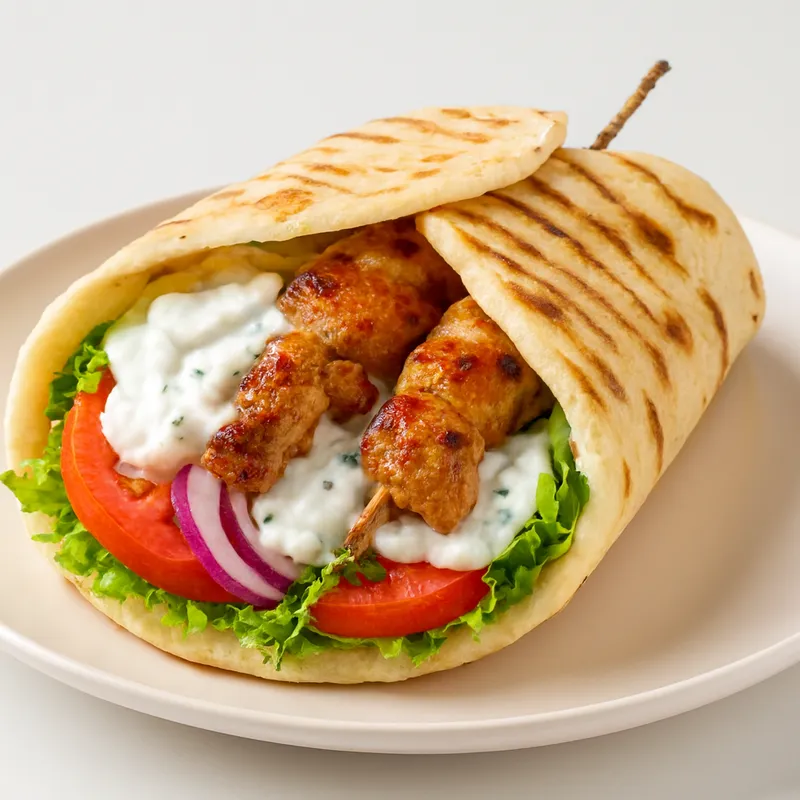




Born on the pampas of Rio Grande do Sul in the 18th–19th century, where gaucho cattle herders butchered beef on the open range and grilled it on iron spits driven into the ground around an open fire. Coarse rock salt was the only preservative they carried. The rodízio (all-you-can-eat carving service) is a 1970s São Paulo restaurant invention, not the original gaucho practice.
Born on the Rio Grande do Sul pampas, where 18th-19th-century gauchos drove iron spits into the dirt around an open fire and salted with coarse rock salt. The all-you-can-eat rodízio is a 1970s São Paulo restaurant invention, not a ranch tradition.
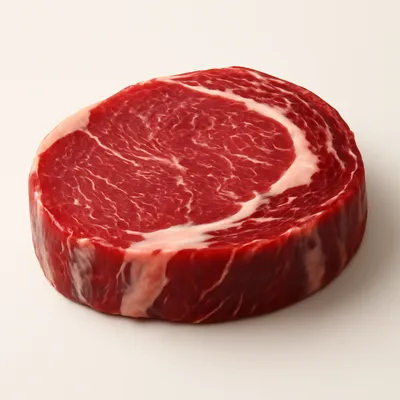
Skewers of beef, pork, lamb, sausage, even chicken hearts, slow-rotated over charcoal until the outside is dark and salt-crusted. The waiter (passador) arrives at your table with a meter-long spit, slices a strip directly onto your plate, moves to the next table. You eat in rounds — picanha, alcatra, fraldinha — until you flip the table card from green to red. Salt is the only seasoning that matters.
Cooking is by distance, not time — the passador raises or lowers the spit over the coals to manage doneness across a 40-minute roast, and the salt crust draws moisture out then re-absorbs it as the meat rests on the spit between slices. That's why the outer cut is salty-crusted but the next layer down is barely seasoned: each customer gets a fresh edge.
Variations
Picanha-only purist (gaucho ranch style); rodízio (SP/Rio carving service, 1970s); Fogo de Chão's chain template; Porto Alegre's Galpão Crioulo runs the older spit-in-coals method.
On the Palate
Where Churrasco sits in the Brazilian flavor cloud
Ingredients


How it's made
5 steps · 1 hour 10 min
- 120 min
Prepare your grill by lighting the coals until they are covered with white ash, creating an even bed of glowing embers. This should take about 20 minutes, and you should be able to feel a strong heat when you hold your hand about 6 inches above the grill.
Watch outThe coals are ready when they're all glowing under a coat of white ash and a hand held a palm's width up can only bear the heat a couple of seconds.
- 210 min
Season the meats generously with salt, allowing the crystals to adhere to the surface. Thread the meats onto skewers, ensuring they are evenly spaced for consistent cooking. Use a mix of beef, pork, chicken, and sausage for a traditional churrasco experience.
Watch outPress the coarse salt on hard enough that the crystals stick and stay put — loose salt just falls into the fire and never crusts.
- 330 min
Place the skewers over the grill, turning them occasionally. Listen for the sizzle as the fat drips onto the coals, and watch for the meat to develop a deep caramelized crust. This should take about 15 minutes for smaller cuts and up to 30 minutes for larger pieces.
Watch outListen and look, not the timer: a steady sizzle as fat drips and a deep mahogany crust means it's ready to slice; flare-ups mean lift it higher.
- 45 min
While the meat is cooking, prepare the garlic-lime marinade by combining crushed garlic, lime juice, chopped parsley, and oregano in a bowl. Let it sit to meld the flavors.
- 55 min
Once the meats are cooked to your liking, remove them from the grill and brush with the garlic-lime marinade. Allow them to rest for a few minutes to absorb the flavors before serving.
Archive tool suggestions — not reviewed
These legacy suggestions have not been evidence-reviewed and are not presented as required tools.
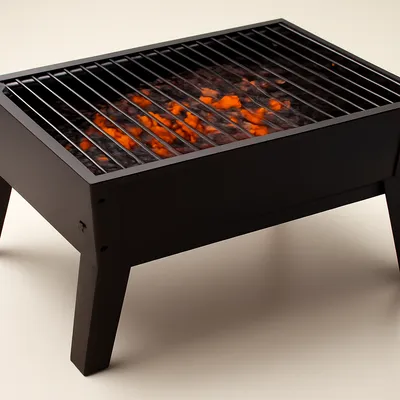
An open or hooded metal frame holding a bed of glowing charcoal embers, with a grate above. Charcoal burns at 700°C+ on the surface and emits short-wave infrared, which cooks proteins faster and with deeper Maillard browning than gas. Hardwood lump charcoal (oak, mesquite, fruitwood) lends its own smoke; cheap briquettes do not. Mastery is mostly heat zoning — direct over coals for searing, indirect off-coals for slow-roasting.

A long stainless-steel skewer, 60-90 cm, used in Brazilian churrascarias to pierce whole cuts of beef (picanha, fraldinha, costela), lamb, and chicken hearts. The skewers rotate over open charcoal fires; servers walk between tables and slice meat directly off the skewer onto diners' plates (the rodízio model). The shaft must be heavy-gauge stainless to support 2-3 kg cuts that hang and rotate without bowing.