Gaucho Brazilian
Churrasco: espeto-grilled meat.
Churrasco
Brazilian fire-roasted meat tradition where various cuts are skewered and slow-grilled over charcoal, carved tableside
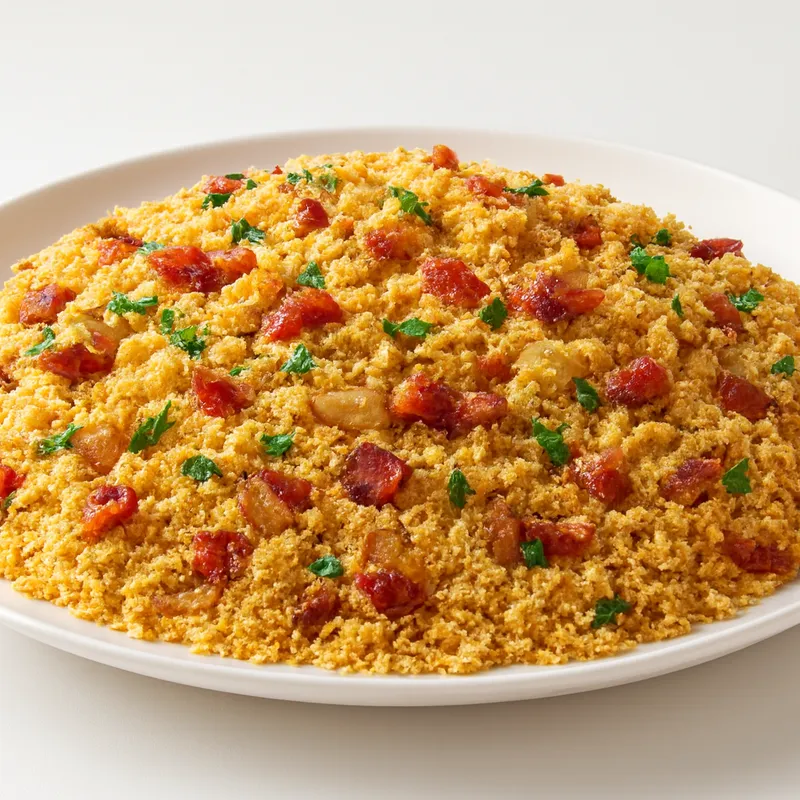
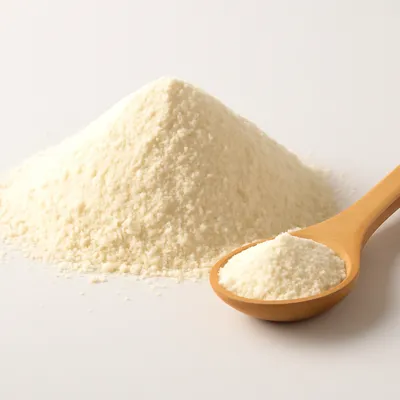
View page →Gaucho cooking comes from the southern Brazilian states (Rio Grande do Sul, Santa Catarina, Paraná) and the borderlands with Uruguay and Argentina — flat grasslands, cattle ranches, and the cowboy (gaucho) tradition that runs across all three countries. Churrasco is the dish-as-event: large cuts of beef (especially picanha, the rump cap) and pork salted heavily and skewered on long iron skewers (espetos), cooked vertically beside a wood-and-charcoal fire, sliced thin onto plates. Farofa — toasted cassava flour mixed with bacon, onion, banana — is the universal side. Mate (chimarrão) is the herbal-tea drink shared from a single gourd, passed around. The southern German-Italian immigrant population added barreado (Paraná beef stew), polenta, and brewing culture. The cuisine is beef-and-fire centric, communal, and the most-distinctly-Latin-American Brazilian regional kitchen.
Start Here
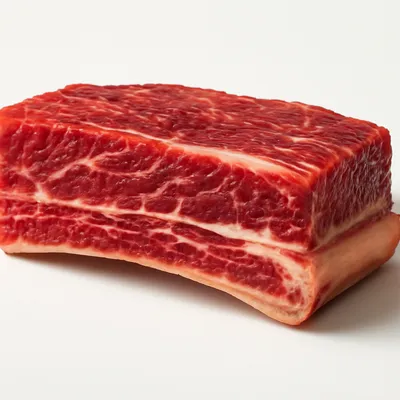
Large cuts of beef (picanha, costela, alcatra) heavily salted and skewered on espetos, cooked vertically beside a wood-charcoal fire, sliced thin to order onto plates with farofa and chimichurri.
Why start here · Churrasco is what every Brazilian gaucho lives for — Sunday afternoon, family around the fire, espetos turning. The picanha cap is the prized cut.
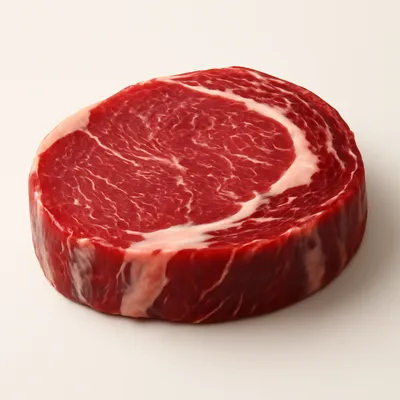
Top sirloin cap (a triangular cut with fat cap on top), salted with rock salt, skewered fat-side-up, grilled over wood-charcoal until the fat renders and the meat is medium-rare. Sliced against the grain.
Why start here · Picanha is Brazil's claim to the world's best steak cut. The fat cap is the secret — renders into the meat during grilling, basting from above.
The Pantry





See all 62 ingredients›







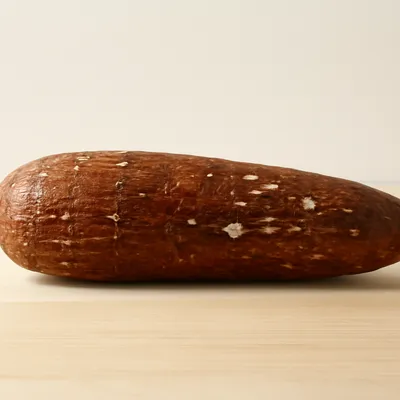
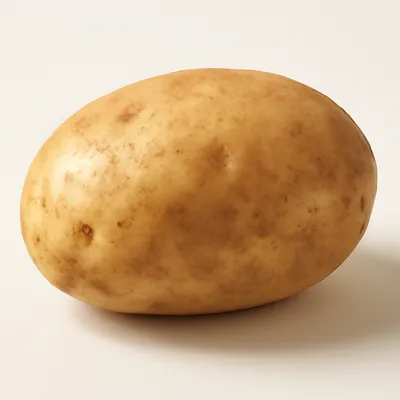
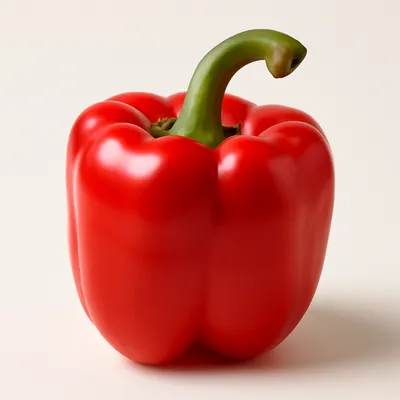

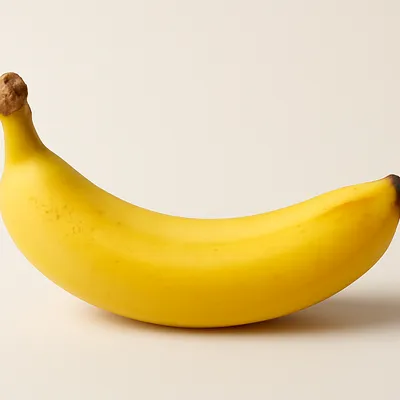



Grains & Staples









Sauces & Condiments





How They Cook
Techniques that define this cuisine
See 5 more techniques›
Kindred Kitchens
Cuisines built on the same signature ingredients
Other regions
Siblings within Brazilian — each its own tradition.