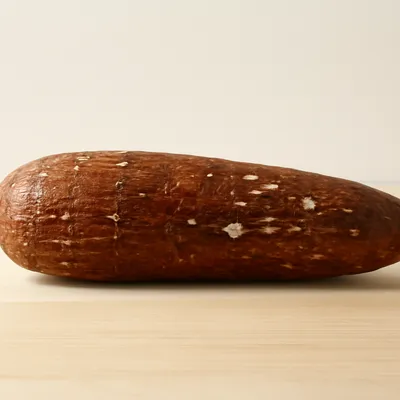





Indigenous Tupi peoples of Brazil were toasting manioc (cassava) flour for travel rations long before Portuguese contact in 1500 — dry, durable, calorie-dense. Colonists adopted it for the same reasons (slave-trade voyages, bandeirante expeditions inland), then fattened it with butter and meat scraps. The version on a Sunday feijoada plate is colonial-era home cooking, not pre-Columbian.
Tupi peoples were toasting cassava flour for travel rations long before 1500; colonists fattened it with bacon and onion for the bandeirante trail. Each grain has to be coated in fat without softening — clumpy or damp farofa means the pan was crowded.
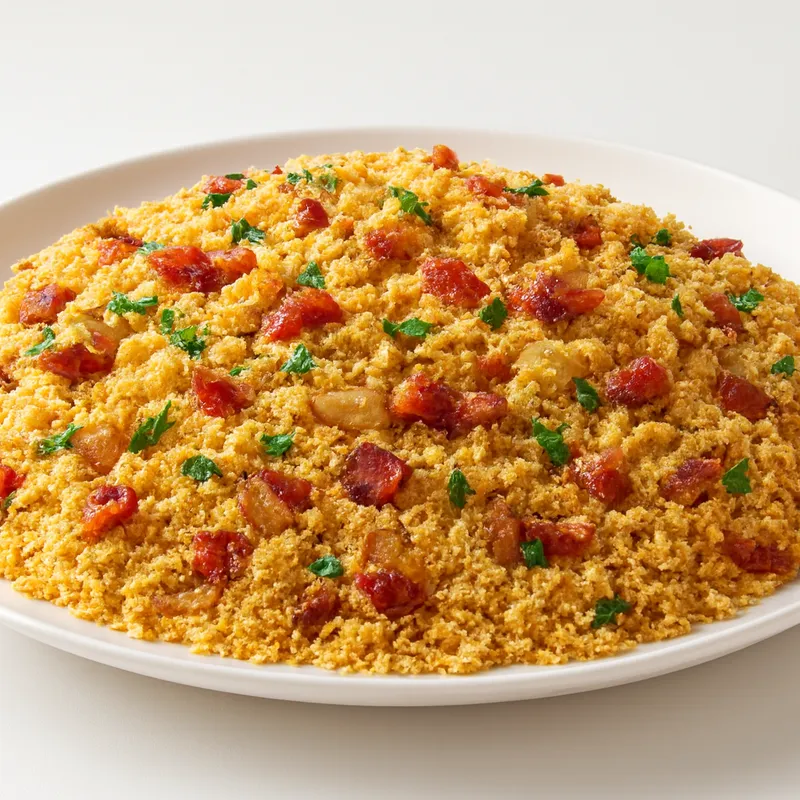
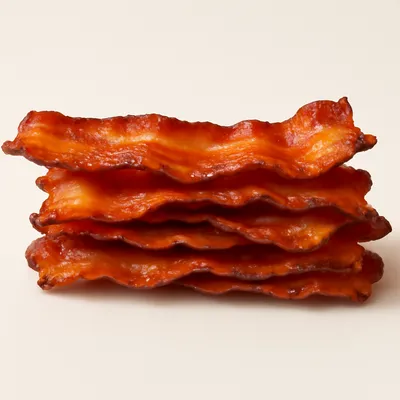
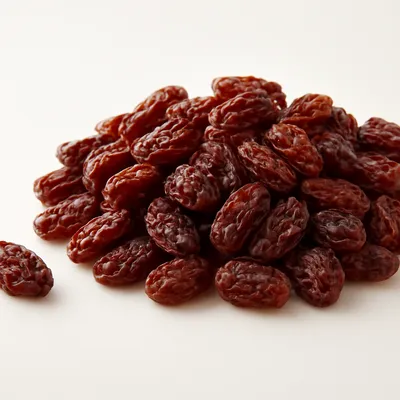
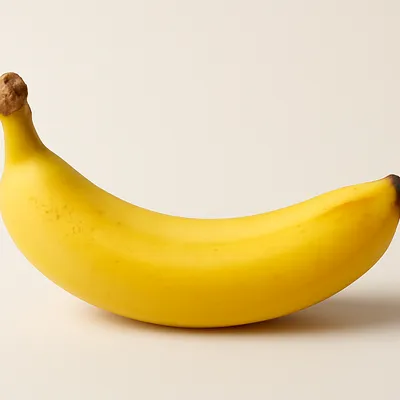
Toasted cassava flour, sand-yellow, scattered like coarse breadcrumbs across the rim of a plate of rice and beans. Each grain is dry, nutty, slightly smoky from butter or bacon fat; bits of fried onion, bacon, sometimes raisin or banana hide in it. You don't eat it alone — you scoop it onto a forkful of stewed beef or feijoada to soak up the sauce. Crunch is the entire point.
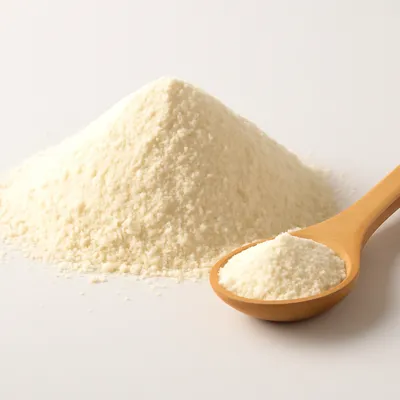
Cassava flour is already toasted at the mill (farinha de mandioca torrada) — the home cook is re-toasting it in fat, not cooking raw flour. Heat too high or too long and it burns bitter; pull it the moment it goes from pale to golden and smells nutty. The job is to coat each grain in fat without softening it; if the farofa clumps or feels damp, the pan was crowded.
Variations
Farofa de bacon (Sunday feijoada default); farofa de banana (Bahia, with fried plantain); farofa-pronta from brand Yoki (the supermarket shortcut Brazilians admit they use); farofa rica with raisin, egg, and cashew at churrascarias.
On the Palate
Where Farofa sits in the Brazilian flavor cloud
You are re-toasting already-toasted cassava flour in fat, not cooking it through — pull it the second it goes pale-to-golden and smells nutty, because a moment longer turns it bitter.
Ingredients



How it's made
4 steps · 20 min
- 15 min
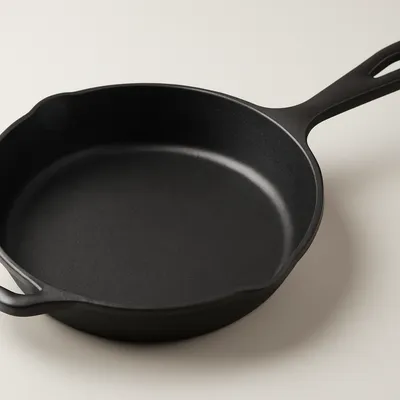
Melt butter in a large skillet over medium heat until it begins to foam. Add finely chopped onions and garlic, stirring until they become fragrant and translucent, about 5 minutes.
Watch outButter should foam before the onions go in; that's the sign it's hot enough to soften them without browning.
- 22 min
Crack the eggs directly into the skillet, scrambling them gently with a wooden spoon. Cook until just set, about 2 minutes, ensuring they remain soft and tender.
Watch outPull the eggs while still soft and just set; they'll firm up more once the flour goes in.
- 310 min
Stir in the cassava flour gradually, allowing it to absorb the butter and egg mixture. Continue to toast the flour, stirring frequently, until it turns golden brown and releases a nutty aroma, around 10 minutes.
Watch outStop the moment it smells nutty and turns golden; darker means bitter.
- 43 min
Fold in chopped parsley, mixing well to distribute evenly throughout the farofa. Taste and adjust the seasoning with salt as needed before serving.
Archive tool suggestions — not reviewed
These legacy suggestions have not been evidence-reviewed and are not presented as required tools.