A thick Minas Gerais bean purée — cooked beans, often part-mashed, stirred with cassava flour until they set into a soft, spoonable paste rather than a soupy stew. The Mineiro table almost always serves it alongside couve (collard greens) sautéed in garlic, crisp fried pork or sausage, and a sliced hard-boiled egg. Unlike Feijão Tropeiro, where the beans stay whole and farofa is tossed in loose and dry, in tutu the cassava flour is cooked into the bean liquid itself, thickening it into a smooth, almost gravy-like body. It is everyday home food, the kind that anchors a weekday lunch.





Tutu belongs to the colonial kitchens of inland Minas Gerais, where the 18th-century gold rush drew a large population but left wheat scarce and expensive to haul over the mountains. Cooks leaned on what the land gave — beans, corn, and abundant cassava flour — and used the flour to stretch and thicken a pot of beans into a filling meal without costly imports. The word 'tutu' comes from Kimbundu, a Bantu language of Angola brought by enslaved Africans; in Brazilian Portuguese it long carried the sense of a bogey or scary apparition (papão) used to frighten children, and how it attached to the bean dish is not settled. What is clear is that the technique — thickening beans with cassava flour — is Afro-Brazilian, and the dish became so identified with the region that it is also simply called tutu à mineira.
A bowl of pale-brown bean paste, thick enough to hold the shape of the spoon. The texture is its signature — smooth and dense from the cassava flour cooked in, somewhere between a refried-bean spread and a soft polenta, with the odd whole bean left for bite. The flavour is deeply savoury: bacon and garlic up front, the earthy beans underneath, salt pulling it together. Spooned over rice, crowned with the egg and the bright bitterness of the garlicky couve, it eats rich and grounding rather than light.
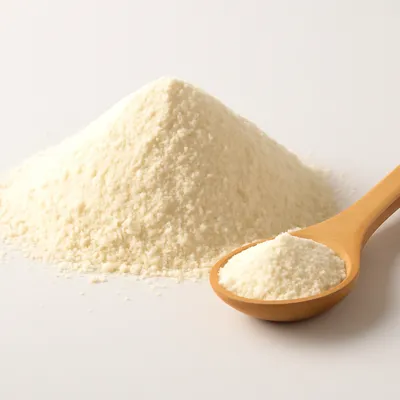
The body comes from cassava flour (farinha de mandioca) hydrating and swelling in the hot bean liquid. Unlike farofa — flour toasted dry in fat and kept loose — here the flour is rained into the simmering beans and stirred constantly, where its starch absorbs the liquid and gelatinises into a cohesive paste. Add it too fast or stop stirring and it clumps into lumps; add it gradually off a gentle simmer and it thickens evenly to a creamy set. Part-mashing some of the beans first releases their own starch and helps the purée bind. Bacon or pork fat renders in at the start, both seasoning the base and carrying flavour through the starch.
Variations
The Mineiro standard uses brown or carioca beans, though black beans make a darker tutu (tutu à mineira de feijão preto). Some cooks blend the beans fully smooth; others leave them coarse and rustic. The near-universal accompaniments are couve, fried pork (lombo or bacon), linguiça sausage, and hard-boiled egg, often with rice and torresmo (pork crackling) — a plate that overlaps with the classic Minas spread around Frango com Quiabo and Feijão Tropeiro. Beyond Minas the same flour-thickened bean technique appears across central Brazil under the tutu name.
On the Palate
Where Tutu de Feijão sits in the Brazilian flavor cloud
Ingredients
Serves 6

How it's made
6 steps · 30 min active + 10 min waiting
- 190 min
Soak dried beans overnight, then simmer with a bay leaf until very soft, 1 to 2 hours; keep the cooking liquid.
- 210 min
Take out about half the beans with some liquid and mash or blend to a coarse purée, then return them to the pot.
Watch outMash about half the beans first; releasing their starch is what lets the purée bind into a creamy set instead of staying loose and watery.
- 38 min
In a separate pan, fry chopped bacon until the fat renders, add chopped onion and garlic, and cook until golden.
- 45 min
Stir the bacon, onion, and garlic into the beans and season with salt and pepper; bring back to a gentle simmer.
- 56 min
Rain the cassava flour in slowly while stirring constantly, until the beans thicken into a smooth, spoonable paste.
Watch outRain the cassava flour in slowly while stirring nonstop; dump it in or stop stirring and it seizes into hard lumps instead of thickening smoothly.
- 63 min
Serve hot topped with sliced hard-boiled egg, alongside garlicky sautéed couve, fried pork or sausage, and rice.
Archive tool suggestions — not reviewed
These legacy suggestions have not been evidence-reviewed and are not presented as required tools.



