A creamy one-pot from Paraíba: fresh cowpeas (feijão verde) and rice cooked down with carne de sol, then enriched with cubes of grilled coalho cheese and a spoonful of nata, the regions thick clotted cream. It plays as a richer, soupier cousin of baião de dois, the cream and cheese setting it apart. Thick, savory and substantial, it is a flagship dish of the Paraíba table.




Rubacão is a typical dish of Paraíba, also popular across Ceará, Pernambuco and Rio Grande do Norte. Its name traces to the avoante (Zenaida auriculata), a small migratory dove once hunted in the sertão and called arribação, whose meat originally went into the pot; with the bird now protected from hunting by IBAMA, carne de sol or charque took its place. The dish evolved as a creamier sibling of baião de dois, distinguished by the addition of nata and milk that give it its signature richness.
A thick, glossy spoonful of soft beans and rice bound in a creamy, faintly tangy sauce, studded with chewy strands of cured beef and soft cubes of grilled coalho cheese that hold their shape. The nata lends a rich, almost buttery roundness; the carne de sol brings the salt and depth. It eats like a hearty stew rather than a dry rice, warm and filling and meant to be the whole meal.
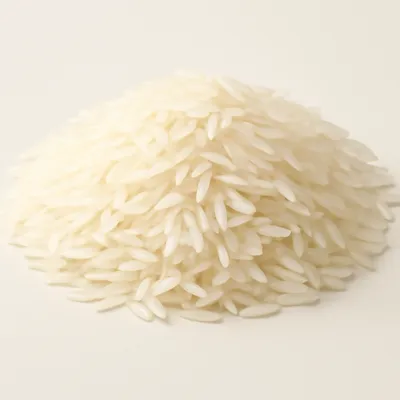
The beans and rice are cooked together in the bean liquor and the salty fat from the fried carne de sol, so the starch from both thickens the pot into a loose, creamy mass rather than separate dry grains. Nata, a high-fat clotted cream, is stirred in near the end off strong heat so its fat enriches the dish without splitting. The coalho cheese is added late as well, since its firm, low-melt curd softens and warms through but keeps its cubes intact rather than dissolving.
Variations
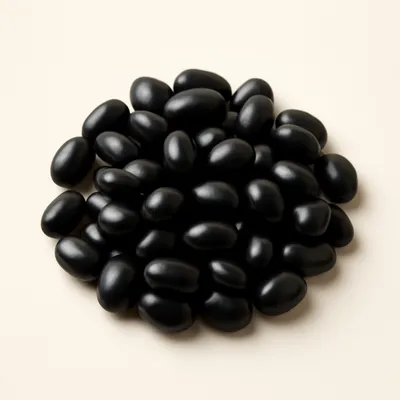
Beyond carne de sol, cooks use charque, bacon, calabresa sausage or paio, and many add queijo-manteiga alongside the coalho. The pulse is classically feijão verde or feijão macassar; some finish with a final pat of butter or extra nata for added richness. It is typically served on its own as a complete dish, sometimes with a fresh vinaigrette to cut the cream.
On the Palate
Where Rubacão sits in the Brazilian flavor cloud
Ingredients
Serves 5
How it's made
6 steps · 30 min active + 40 min waiting
- 130 min
Cook fresh cowpeas (feijao verde) in water until just tender, reserving the cooking liquid.
- 210 min
Cut carne de sol into small cubes (soak briefly first if very salty) and fry in a pot until browned and the fat renders.
- 34 min
Add chopped onion and garlic to the meat and saute until soft and fragrant.
- 418 min
Stir in the rinsed rice and the drained cowpeas, then pour in the reserved bean liquor to cover and simmer, covered, until the rice is tender.
Watch outCook rice and cowpeas together in the bean liquor — the released starch is what thickens the pot into a loose, creamy mass rather than dry separate grains.
- 54 min
Off strong heat, stir in the nata and fold through cubes of grilled coalho cheese, letting them warm through.
Watch outStir the nata and coalho cheese in off strong heat — high heat splits the cream and dissolves the cheese, so let them just warm through and keep their cubes.
- 62 min
Check seasoning (the meat is salty), scatter with chopped cheiro-verde, and serve thick and creamy.
Archive tool suggestions — not reviewed
These legacy suggestions have not been evidence-reviewed and are not presented as required tools.



