


Nordestino Brazilian
Carne de sol, corn cuscuz, and a sertão sweet tooth.
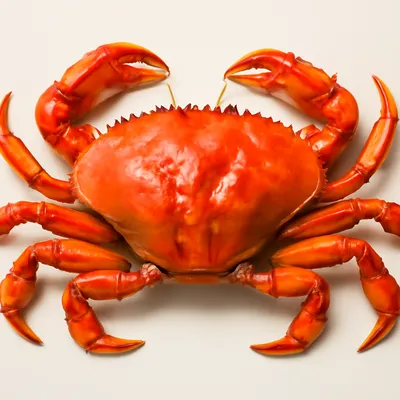
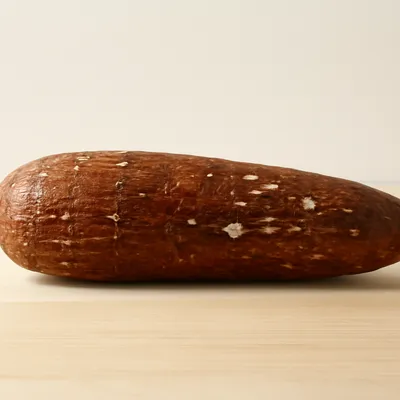
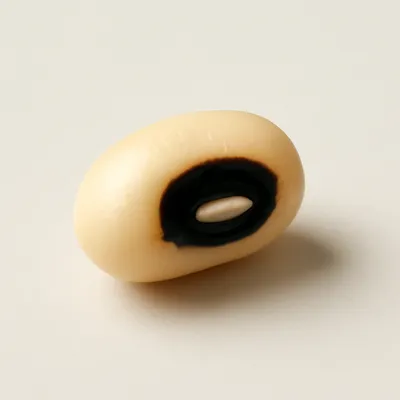
The Northeast minus Bahia is two tables sharing one identity: the dry sertão of the backlands and the green sugar coast. Inland, where the cattle drives of the cangaço cowboys met Portuguese settlers and the older indigenous cassava cultures, the kitchen runs on what keeps without a fridge — carne de sol, a lean beef given a fast, light salt-cure in ventilated shade (lighter and moister than the heavily salted charque of the far south), eaten with boiled macaxeira and bottle butter; cuscuz nordestino, flaked corn steamed into a tender breakfast cake; squeaky queijo coalho grilled on a skewer; and cowpeas, which marry rice and carne de sol into baião de dois, the one-pot heart of the region born of Ceará's droughts. The coast turns to crab and lagoon shellfish — casquinha de siri, sururu and aratu pulled from the mangroves. And everywhere there is the famous Northeastern sweet tooth, an inheritance of the colonial sugar engenhos: bolo de rolo wound paper-thin around guava, cocada in white and burnt-amber, cartola of fried banana and melted coalho, and blocks of raw rapadura cane sugar. It is a cuisine of cane, corn, cattle, and cassava — and pointedly not the Afro-dendê cooking of neighboring Bahia, which keeps its own table.
Start Here
The one-pot soul of the Northeastern interior: rice and cowpeas (feijão de corda) cooked down together, folded with shredded carne de sol and cubes of grilled coalho cheese. Born in Ceará in times of drought, it stretches a little meat and a few beans into a full, savory meal.
Why start here · Baião de dois is the everyday plate that tells you what the sertão eats — beans, rice, cured beef, and coalho cheese, the four pillars of the backland pantry in a single pot. Master it and the whole region's grammar makes sense.
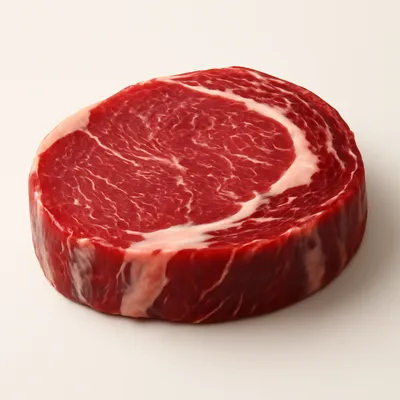
The defining beef of the sertão: a lean cut given a quick, light salt and cured a day or two in dry, ventilated shade — moister and far less salty than the south's charque — then grilled or pan-fried and served with boiled macaxeira and a pour of manteiga de garrafa, the region's clarified bottle butter.
Why start here · Despite the name 'sun meat,' the trick is shade, not sun — a fast cure that crusts the outside while keeping the center tender. It is the protein under countless Northeastern dishes; learn it and you unlock baião de dois, escondidinho, and the rest.
Pernambuco's pride: a buttery sponge baked in successive wafer-thin sheets, each painted with goiabada (guava paste) and wound into a tight spiral, so a cut slice shows dozens of fine concentric rings. It descends from the Portuguese colchão de noiva, with scarce almonds swapped for the Northeast's abundant guava.
Why start here · Registered as intangible cultural heritage of Pernambuco since 2008, bolo de rolo is the showpiece of the Northeast's sugar-coast sweet tooth — proof that the region's deepest craft went into its desserts. Rolling the sponge thin enough is the whole challenge.
The Pantry


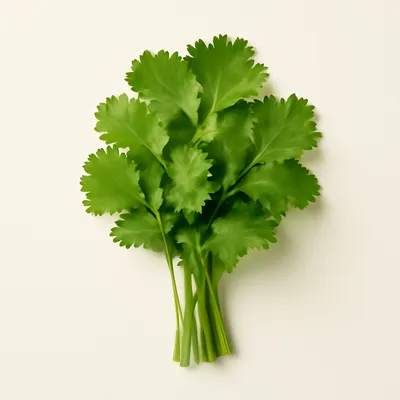
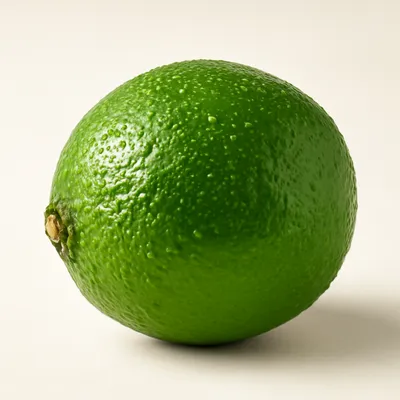
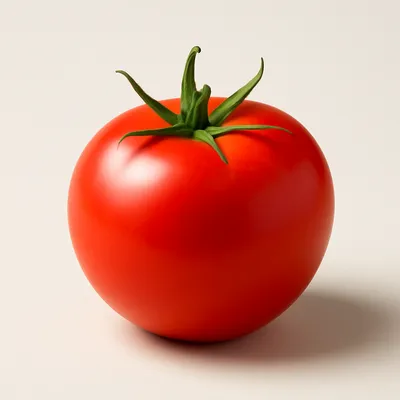
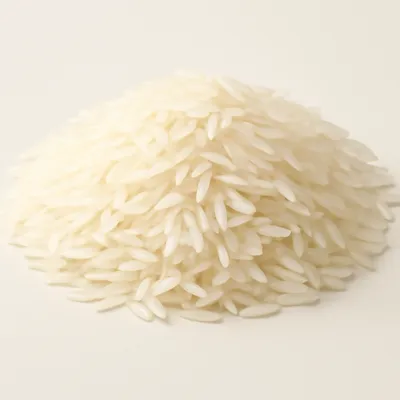

See all 64 ingredients›



Vegetables





Grains & Staples












Sauces & Condiments





How They Cook
Techniques that define this cuisine
Kindred Kitchens
Cuisines built on the same signature ingredients
Other regions
Siblings within Brazilian — each its own tradition.


