
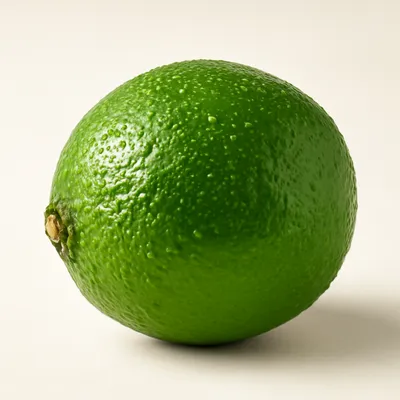
Beach street food from Natal: a handful of tiny whole fish called ginga, fried crisp, folded inside a warm tapioca crepe. The crepe is made by pressing dampened cassava starch onto a hot griddle until the grains fuse into a soft, foldable disc, then the little fish go in head, tail, and all. It is eaten by hand at the kiosks of Redinha Beach with lime and hot sauce, and is a symbol of Rio Grande do Norte.

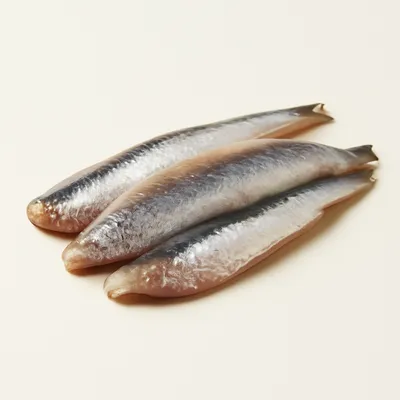


Ginga is the local name for the manjubinha, a small silvery fish about ten centimeters long that comes up in shoals in the Potengi River and the waters off Natal. Once treated as a bycatch and discarded from the fishermen's drag nets, the little fish were taken up by riverside cooks and paired with tapioca, the cassava-starch crepe long made in the region. Redinha Beach in the north of Natal is remembered as its birthplace, where it has been sold for more than fifty years. Ginga com tapioca was recognized as intangible cultural heritage of the city of Natal in 2016 and of the state of Rio Grande do Norte in 2019.
The whole fish are eaten bones and all — fried hard enough that the tiny skeletons crunch and disappear — salty, faintly bitter, intensely of the sea. Around them the tapioca crepe is mild, slightly chewy, and a little starchy-sweet, a soft wrapper that calms the fish. A squeeze of lime cuts through, and the heat comes from whatever chili sauce the kiosk keeps on the counter.
The tapioca crepe is not a batter: dry cassava starch is hydrated, sieved into fine crumbs, and scattered onto a hot dry griddle, where the heat gelatinizes the starch granules and welds them into a single pliable round with no oil and no flour. The ginga are deep-fried at a high heat so the thin bones crisp completely and become edible, the whole point of using fish this small. Assembly is immediate while the crepe is still warm and foldable; left to cool it stiffens and cracks.
Variations
The classic is plain, with only lime and hot sauce, but kiosks now offer it with grated coconut, cheese, or butter worked into the crepe. Where ginga is out of season, the same wrap is filled with small fried shrimp or other tiny fish under different names. The savory ginga version stands apart from the many sweet tapioca crepes (with coconut and condensed milk) sold at the same stalls.
On the Palate
Where Ginga com Tapioca sits in the Brazilian flavor cloud
Ingredients
Serves 4How it's made
5 steps · 25 min active + 5 min waiting
- 15 min
Rinse and drain the tiny ginga (or other very small whole fish), pat dry, and toss with salt.
- 28 min
Deep-fry the fish in hot oil until rigid and deep golden so the bones are fully crisp, then drain on paper.
Watch outFry the tiny fish until rigid and deep gold so the thin bones crisp right through — that's the whole point; underdone, the bones stay sharp and inedible.
- 35 min
Hydrate the cassava starch with a little water, rub through a sieve into fine even crumbs, and let stand briefly.
- 45 min
Scatter a thin, even layer of the starch onto a hot dry griddle and cook until the grains fuse into a soft round, then flip briefly to set.
Watch outCook the starch on a dry griddle until the grains fuse into one pliable round — no oil, no flour; pull it while still soft and foldable.
- 52 min
Lay the fried fish across the warm crepe, fold it over, and serve at once with lime wedges and hot sauce.
Watch outFill and fold while the crepe is still warm — let it cool and it stiffens and cracks when you fold.
Archive tool suggestions — not reviewed
These legacy suggestions have not been evidence-reviewed and are not presented as required tools.


