
A festive Pará dish of duck simmered in tucupi — the cured yellow manioc liquid — and finished with jambu leaves that tingle on the tongue. The bird is first roasted or browned, then poached slowly in the sour broth until the meat loosens from the bone, soaking up the manioc tang. It is served with white rice and farinha, the broth ladled over everything. In Belém it is the table centerpiece of the Círio de Nazaré, the great October religious festival.


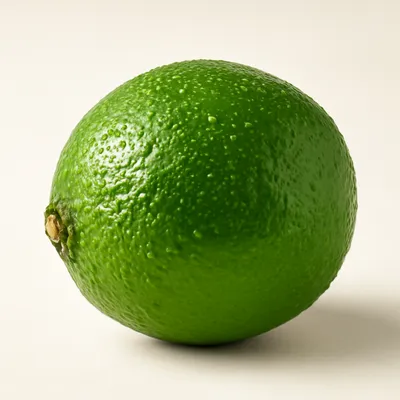

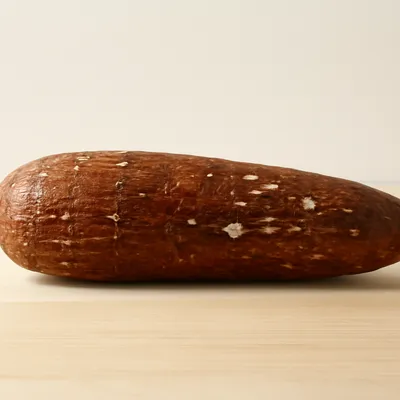
Pato no tucupi is one of the defining dishes of Pará in the Brazilian Amazon, built on the indigenous Tupi technique of detoxifying manioc juice into tucupi. The duck is a Portuguese-colonial addition layered onto a native broth and the native jambu leaf, making the dish a meeting of European poultry and Amazonian ingredients. It is most strongly associated with the Círio de Nazaré in Belém — one of the largest Catholic processions in the world, drawing some two million people each October — when families across the city traditionally serve it as the holiday meal.
Pieces of dark, tender duck that pull cleanly off the bone, sitting in a pool of golden-amber tucupi. The broth is sour and savory, faintly fermented, cutting the richness of the duck fat. Then the jambu kicks in — that cold, buzzing tingle across the lips and tongue, unique to the Amazon, that makes the whole dish feel almost electric. Spoon the broth over rice, scatter farinha to thicken, and the texture turns soft, sour, and gently numbing.
Tucupi starts as poisonous raw manioc juice and must be boiled long enough to expel its hydrocyanic acid before the duck ever goes in — this is non-negotiable. The duck is browned first to render fat and set color, then poached gently rather than boiled hard, so the lean meat stays tender while collagen melts and the bird perfumes the broth. The jambu is added near the end and only briefly cooked: too long and it goes to mush and loses the spilanthol tingle that defines the dish. Farinha at the table thickens the sour broth into a sauce.
Variations
The Belém festival standard uses whole duck, tucupi, and jambu, served with rice and farinha. Some cooks add garlic, chicória do Pará, and alfavaca (a basil-like herb) to the broth. The same tucupi-and-jambu base underlies other Amazonian dishes such as tacacá (a soup) and tucupi-stewed fish; pato no tucupi is the celebratory main-course form of the trio.
On the Palate
Where Pato no Tucupi sits in the Brazilian flavor cloud
Ingredients
Serves 6How it's made
6 steps · 1 hour
- 135 min
Prepare the tucupi: boil the yellow manioc liquid at least 30-40 minutes with garlic, salt, and chicória do Pará to drive off the cyanide.
Watch outKeep the tucupi at a real rolling boil the whole 30-40 minutes; a lazy simmer won't drive the cyanide off.
- 230 min
Season the duck with salt, garlic, and lime, then roast or pan-brown the pieces until golden and some fat has rendered.
- 3110 min
Lower the browned duck into the boiled tucupi and poach gently for 1.5 to 2 hours until the meat is tender and loosening from the bone.
Watch outPoach at a bare quiver, never a hard bubble; if it gallops the broth clouds and the duck toughens.
- 45 min
Skim excess duck fat from the surface of the broth as it cooks.
- 53 min
Blanch the jambu leaves separately for about a minute, then add them to the pot in the final few minutes.
Watch outDrop the jambu in only at the very end; pull the pot the moment the leaves wilt and still tingle.
- 65 min
Serve the duck and tucupi broth over white rice with farinha alongside, ladling the sour broth over each plate.
Archive tool suggestions — not reviewed
These legacy suggestions have not been evidence-reviewed and are not presented as required tools.



