
Often called the 'feijoada of Pará,' maniçoba is a dark, dense stew built not on beans but on maniva — the ground young leaves of the manioc plant — slow-cooked for days alongside an assortment of salted and smoked pork cuts. Despite carrying no beans, it looks and eats like a black bean feijoada: deep brown-green, rich, served with rice and farinha. Its signature is the days-long cooking required to render the toxic raw manioc leaves safe to eat.


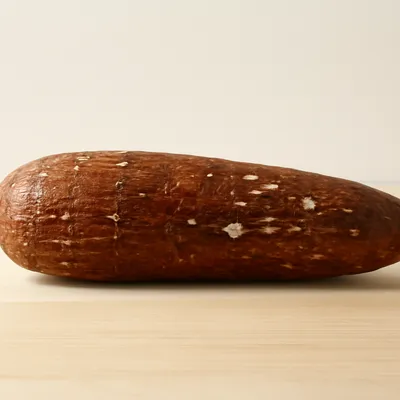

Maniçoba is an indigenous Amazonian dish from Pará, rooted in the Tupi peoples' long mastery of detoxifying the manioc plant — here, its leaves rather than its root. After European colonization, salted and smoked pork cuts in the Iberian stew tradition were folded in, giving the dish its feijoada-like character without ever using beans. It is closely tied to festival eating in Pará, appearing on tables during the Círio de Nazaré and other celebrations, when the multi-day preparation suits a large communal meal.
A spoon comes up almost black, flecked dark green, thick with shredded manioc leaf and chunks of pork — smoked ribs, salted tongue, sausage, trotter. The leaf has cooked down into a soft, almost paté-like mass with a deep, earthy, faintly bitter green flavor, nothing like spinach. The pork is salty and smoky, the fat melting into the leaf. Over rice with farinha, it eats heavy and savory, a true holiday-feast plate.
Raw manioc leaves contain dangerous levels of cyanogenic compounds and must be ground and then boiled continuously for several days — traditionally around seven — to break down and volatilize the cyanide; the leaf is genuinely toxic if undercooked, which is why this step is non-negotiable. The long simmer also collapses the fibrous leaf into a smooth, dark mass and lets the cured pork infuse it with salt, smoke, and fat. The salted meats are usually soaked beforehand to draw out excess salt, then added in stages so each cut finishes tender at the same time.
Variations
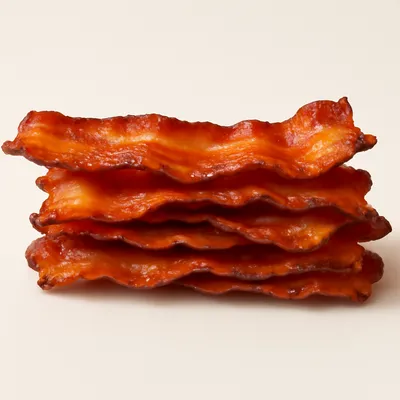
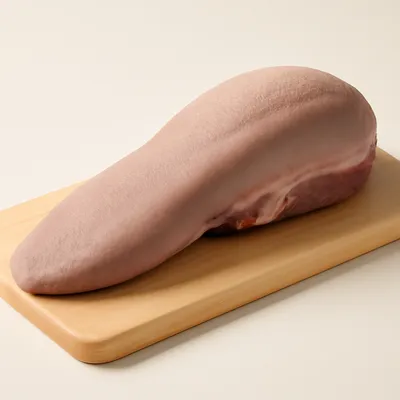
The Pará festival standard layers maniva with smoked ribs, salted tongue, paio and calabresa sausage, bacon, and trotter — much like a feijoada's meat selection. Some cooks pre-cook the maniva for days and freeze it, then assemble the stew when needed. Commercially canned and frozen maniva is now sold in Pará to shorten the otherwise week-long detox step at home.
On the Palate
Where Maniçoba sits in the Brazilian flavor cloud
Ingredients
Serves 8
How it's made
6 steps · 2 hours
- 130 min
Grind the young manioc leaves into a fine green pulp (maniva).
- 29600 min
Cook the maniva in plenty of water over low heat for several days — traditionally about seven — topping up water and stirring, until the cyanide is gone and the leaf is dark and soft.
Watch outBoil the ground leaves continuously for days until they turn dark and soft — this cooks out the natural cyanide and is non-negotiable; undercooked leaf is genuinely toxic.
- 3480 min
Soak the salted pork cuts (tongue, trotter, bacon) overnight to remove excess salt, changing the water.
Watch outSoak the salted pork overnight with water changes before it goes in — skip the desalting and the whole pot comes out punishingly salty.
- 440 min
Parboil the soaked salted meats to soften, then drain.
- 5300 min
Add the smoked ribs, sausages, and parboiled salted meats into the cooked maniva and simmer together for several hours until all the pork is tender.
- 65 min
Serve the stew over white rice with farinha sprinkled on top.
Archive tool suggestions — not reviewed
These legacy suggestions have not been evidence-reviewed and are not presented as required tools.



