Espírito Santo's monumental seafood pie and the centerpiece of its Holy Week table. Salt cod, shredded crab, shrimp, oysters and mussels are bound with hearts of palm, olives, beaten egg and a forest of herbs, then baked in a black clay pot until the egg sets the whole thing into sliceable wedges. It is laborious, communal cooking — a dish a family builds over two days rather than a weeknight supper.
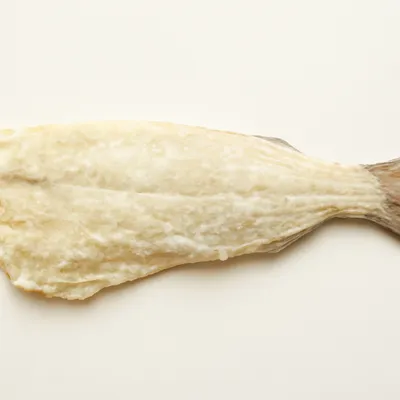
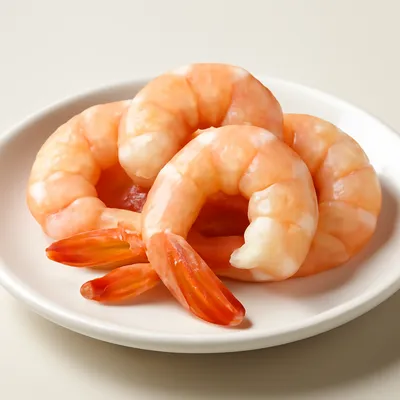


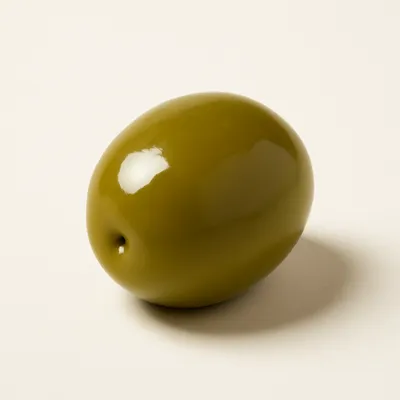
The torta grew out of Portuguese Catholic abstinence in colonial Espírito Santo: forbidden red meat through Lent, settlers who already favored seafood combined salt cod with the bounty of the local coast — crab, shrimp, oysters, mussels — into a single baked dish. Indigenous and African hands shaped it too, through the native ingredients and the black clay pot turned by the paneleiras of Goiabeiras, which capixabas consider essential to making the dish authentically theirs. It is eaten through Holy Week and, above all, on Good Friday, the day the Catholic tradition calls for fasting from meat.
Baked and served in its wide black clay pot, golden and faintly crusted on top where the egg has set. Cut into a wedge and it holds together like a savory custard packed with seafood: salty cod, sweet crab and shrimp, briny oysters, soft hearts of palm and olives, all bound in a rich, herb-flecked egg. The clay keeps the edges moist while the surface firms — meant to be served dry, not soupy.
Beaten egg is the binder that makes a loose pile of cooked seafood into a sliceable pie: as it bakes, the egg proteins coagulate and knit everything into a set, custard-like matrix. The cod is desalted in repeated changes of cold water before it goes in, or the whole dish turns inedibly salty. The clay pot's slow, even heat lets the egg set gradually from the edges inward without curdling or weeping, which a thin metal pan, heating fast, tends to do.
Variations
Families guard their own proportions of cod to shellfish, and the exact mix of crab, shrimp, oyster and mussel shifts with what the coast offers. Some bind the filling with a little palm-heart or cassava; many top it with a lattice of palm heart, olives and egg yolk before baking. Beyond the seafood, the constant is the Goiabeiras clay pot, without which capixabas say it is not truly a torta capixaba.
On the Palate
Where Torta Capixaba sits in the Brazilian flavor cloud
Ingredients
Serves 8



How it's made
6 steps · 1 hour 20 min active + 1 hour 10 min waiting
- 130 min
Soak salt cod in several changes of cold water over a day to desalt; drain, poach briefly and flake.
Watch outSoak the salt cod through a full day of water changes until it tastes only lightly salty — skimp on this and the whole pie bakes inedibly salty, with no way to fix it after.
- 212 min
Saute onion, garlic, tomato and chopped herbs in olive oil to build a sofrito base.
- 315 min
Cook the shrimp, shredded crab, oysters and mussels gently in the sofrito just until done.
- 48 min
Fold in the flaked cod, sliced hearts of palm and pitted olives; season and tint with a little colorau (annatto).
- 56 min
Pack the filling into an oiled black clay pot and pour beaten eggs over to bind.
Watch outBake gently in the clay pot until the egg is just set from the edges in — the slow even heat sets it custardy; rush it in a thin hot pan and the egg curdles and weeps water.
- 645 min
Decorate the top with hearts of palm, olives and egg yolk and bake at 180 C for about 40 minutes until set and golden.
Archive tool suggestions — not reviewed
These legacy suggestions have not been evidence-reviewed and are not presented as required tools.


