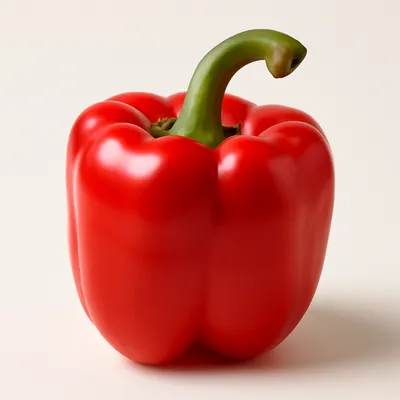
A savory shrimp pie from São Luís, Maranhão, built on a refogado of shrimp cooked down with onion, garlic, tomato, and sweet pepper, frequently enriched with coconut milk. The mixture is bound with eggs and thickened with cassava flour (farinha de mandioca, often the fermented farinha-d'água), then baked until the top sets into a firm, golden crust over a moist, shrimp-laden body. It is a festive table dish, served at family gatherings and celebrations rather than as everyday street food. The dish belongs to the same northeastern repertoire as arroz de cuxá and is often served beside it.
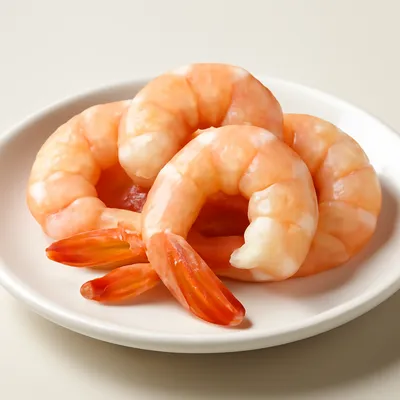

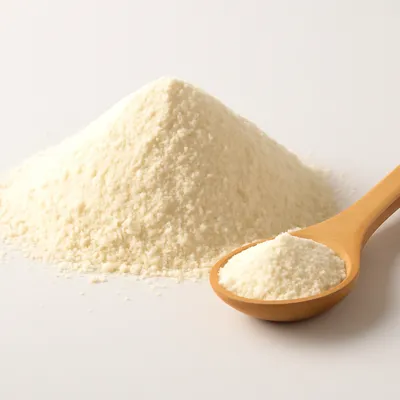

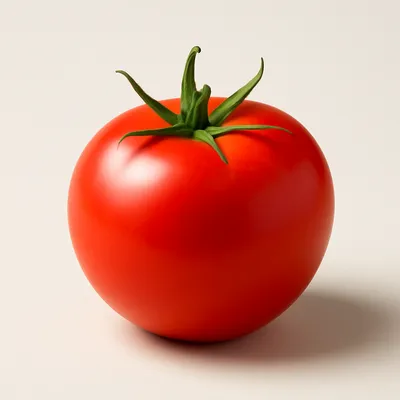

The shrimp pie is part of the coastal cooking of São Luís, a city ringed by mangrove estuaries that have long supplied abundant shrimp, both fresh and sun-dried (camarão seco). It reflects the same blend of indigenous, African, and Portuguese influences that shaped Maranhão's table: the binding with cassava flour is indigenous Amazonian technique, the coconut milk and dried-shrimp seasoning echo Afro-Brazilian coastal cooking, and the baked egg-bound pie form is Portuguese. No single inventor or founding date is recorded for it; it is a traditional home and festival preparation rather than a dish with a documented origin. Recipes differ markedly from kitchen to kitchen, and the dried-shrimp version associated with old São Luís cooking often omits coconut milk entirely.
The cut edge shows a dense, pale-gold interior flecked pink with shrimp, under a top that has browned and firmed in the oven. The crust is set but not dry; the body underneath is soft and almost custard-moist, held together by egg and the swollen cassava flour. The flavor is sweet-savory and unmistakably of the sea — concentrated shrimp, rounded by coconut when used, lifted by tomato and the perfume of cooked sweet pepper and coriander. Dried shrimp, if used, add a deeper, more pungent salt-cured note. It slices cleanly and holds its shape on the plate.
Two binders set the pie. Egg proteins coagulate as the temperature climbs past roughly 60 to 70°C, knitting the loose filling into a sliceable solid. Cassava flour does the rest: its starch granules absorb the shrimp-and-coconut liquid and swell, locking up free moisture so the body stays moist but cuts cleanly instead of weeping. The shrimp are first cooked down as a refogado to drive off water and concentrate flavor before the binders go in. If coconut milk is used, gentle heat matters — its fat and protein can break and curdle if boiled hard, so the filling is simmered, not raced. The top firms first in the oven because it loses water fastest, giving the characteristic set crust over a softer interior.
Variations
The two main strands are the fresh-shrimp pie enriched with coconut milk and the older dried-shrimp (camarão seco) version of São Luís, which is typically made without coconut. Some cooks build it as a true torta with a pastry shell, others bake it as a crustless egg-and-farinha custard, and a few layer it with a farofa-like cassava topping. Wheat flour or a mix of wheat and cassava flour is sometimes used in place of pure cassava flour. Green olives, hard-boiled egg, and extra coriander are common additions, and the same filling is occasionally served as a layered bake rather than a sliced pie.
On the Palate
Where Torta de Camarão Maranhense sits in the Brazilian flavor cloud
Ingredients
Serves 6

How it's made
7 steps · 40 min active + 30 min waiting
- 120 min
If using dried shrimp, soak in warm water about 20 minutes to remove salt, then drain; peel and clean fresh shrimp if using those.
- 28 min
Sweat onion and garlic in oil, add chopped tomato and sweet pepper, and cook into a soft refogado base.
- 38 min
Add the shrimp and cook until they turn pink and the mixture is fragrant and reduced; stir in coconut milk if using and simmer gently.
Watch outCook the shrimp refogado down until the water's gone and it smells concentrated — a watery filling won't set into a sliceable pie.
- 44 min
Beat the eggs and fold them into the cooled filling along with chopped coriander, seasoning with salt and pepper.
- 54 min
Stir in the cassava flour a little at a time until the mixture thickens to a spoonable batter.
Watch outStir the cassava flour in a little at a time until it thickens to a spoonable batter — dump it all at once and you get lumps that won't smooth out.
- 635 min
Pour into a greased baking dish and bake at about 180°C for 30 to 40 minutes until the top is golden and set.
Watch outBake until the top is golden and the center is set — a jiggly middle means the egg hasn't coagulated yet and it'll weep when cut.
- 710 min
Let it rest until just warm so it firms up, then slice and serve, with arroz de cuxá alongside if desired.
Archive tool suggestions — not reviewed
These legacy suggestions have not been evidence-reviewed and are not presented as required tools.


