
A festive layered casserole built from desalted, shredded pirarucu — the giant air-breathing fish of the Amazon, salt-cured and nicknamed the cod of the Amazon. The flaked fish is sautéed with onion and tomato, then assembled in a baking dish in layers with fried ripe plantain, farofa, hard-boiled egg, and olives, and baked until set. It is a centerpiece dish of the June festas in Amazonas — generous, layered, and dressed up for the table.





Pirarucu (Arapaima gigas) is one of the largest freshwater fish in the world and a staple protein of the Amazon, long preserved by salting and sun-drying — the technique that earned it the name bacalhau da Amazônia, the cod of the Amazon. Pirarucu de casaca grew out of that preserved-fish tradition, treating the salt-cured pirarucu much as the Portuguese treat salt cod, with the indigenous riverine practice of curing fish meeting the layered, baked presentation of colonial cooking. The name de casaca — "in a frock coat" — refers to the dish being dressed up in layers, served at celebrations rather than as everyday fare.
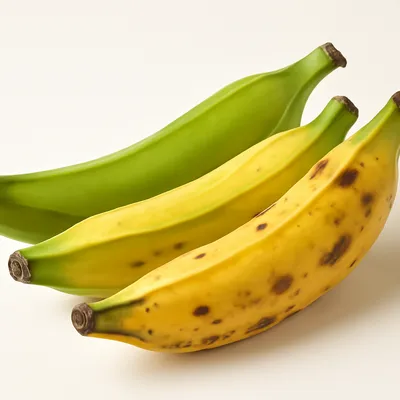
Cut down through the casserole and the layers show in cross-section: pale shredded fish, golden ripe plantain gone soft and sweet, crumbly toasted farofa, slices of egg and olive. The salt-cured pirarucu keeps a firm, meaty flake even after baking, lightly briny against the caramelized sweetness of the plantain. It eats rich and substantial, a holiday dish meant to feed a full table.
Desalting is the load-bearing step: the cured pirarucu must soak in several changes of cold water over about a day to draw out the salt while keeping its firm flake, exactly as with salt cod — skip it and the dish is inedibly salty. Frying the ripe plantain first sets its sugars and gives a soft, sweet counterweight to the savory fish, while the farofa layers absorb moisture so the casserole holds together rather than going wet. Baking marries the layers and lets the egg and surface farofa firm into a sliceable whole.
Variations
Some cooks layer in bell pepper, raisins, or a coconut-milk béchamel for richness; the fish may be flaked coarse or fine; when pirarucu is scarce, desalted bacalhau or shredded tambaqui stands in, though purists insist on the river fish; a simpler everyday version skips the baking and serves the sautéed fish over plantain.
On the Palate
Where Pirarucu de Casaca sits in the Brazilian flavor cloud
Ingredients
Serves 6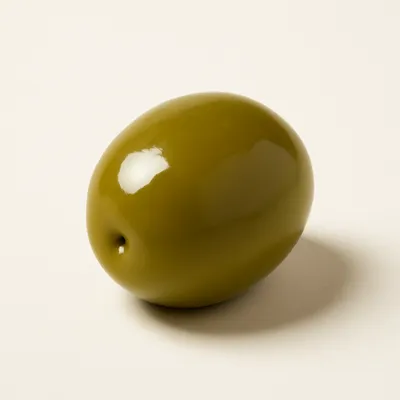

How it's made
8 steps · 1 hour active + 1 day 1 hour waiting
- 11440 min
Soak the salt-cured pirarucu in several changes of cold water for about 24 hours, then drain and shred it.
Watch outSoak the cured fish through several water changes over about a day — desalting is the make-or-break step; skip it and the dish is inedibly salty, just like salt cod.
- 215 min
Briefly boil the shredded fish to soften, then drain well.
- 315 min
Sauté onion, garlic, and tomato in oil; add the fish and cook until fragrant and dry.
- 410 min
Fry slices of ripe plantain in oil until golden and soft.
Watch outFry the ripe plantain until golden and soft — cooking sets its sugars into the sweet counterweight that balances the salty fish.
- 510 min
Toast cassava flour with a little butter and onion to make the farofa.
- 615 min
Layer in a baking dish: fish, plantain, farofa, sliced egg and olives; repeat.
- 75 min
Finish with a top layer of farofa and a few olives.
- 830 min
Bake until heated through and set, and serve hot with white rice and vinaigrette.
Archive tool suggestions — not reviewed
These legacy suggestions have not been evidence-reviewed and are not presented as required tools.


