
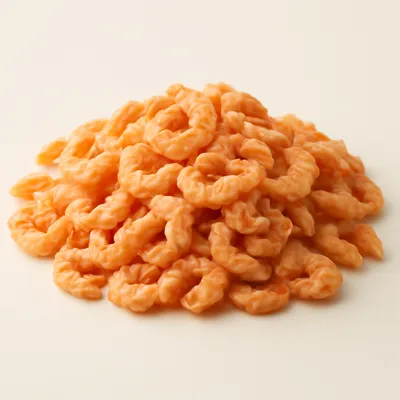
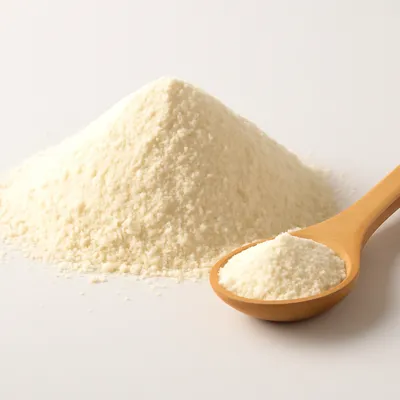
The emblematic dish of Maranhão (São Luís), in which cooked white rice is folded through cuxá — a thick green refogado of vinagreira (the sour leaves of Hibiscus sabdariffa, locally 'azedinha'), toasted sesame, dried shrimp, and cassava flour, seasoned with garlic and onion. The vinagreira gives it a bright lemony tartness; the sesame and dried shrimp lend a toasty, briny depth. It is most often served alongside fried or roasted fish, carne de sol, or a shrimp pie, and appears at everyday lunches and at the São João festivals. Many Maranhenses regard it as the single dish that most defines their state.




Cuxá is a creole dish of São Luís born from the encounter of indigenous, African, and Portuguese cooking. Its core leaf, vinagreira (Hibiscus sabdariffa), is native to Africa and tropical Asia and reached Brazil through the Atlantic slave trade, which is why the dish is consistently traced to enslaved West Africans (often said to be from Guinea) who cooked the sour leaf as a staple. The word 'cuxá' has two competing etymologies: one derives it from Tupi 'ku' (to keep) and 'xai' (sour), 'that which keeps sour'; another, argued by the philologist Jacques Raimundo, traces it to a Mandinka term from Upper Guinea for the vinagreira plant. The toasted sesame points to Arab culinary influence. The preparation is documented in older Brazilian food literature, including Câmara Cascudo's História da Alimentação no Brasil, and an exact founding date is not recorded; what is well established is its standing today as the symbol dish of Maranhão.
A mound of white rice stained green and glossy, threaded with the cuxá paste. The first taste is sharp and lemony — the vinagreira leaf delivers a clean vegetal sourness, not vinegar, that wakes the palate. Underneath runs a nutty, toasted warmth from the sesame and a deep marine saltiness from the dried shrimp, which stay slightly chewy. The cassava flour gives the sauce body and a faint grit, so each forkful is moist rather than soupy. Eaten with a piece of fried fish on the side, the tart rice cuts the oil exactly as it is meant to.
The sourness of vinagreira is not from oxalic acid (present only in trace amounts) but mainly from citric, malic, tartaric, and hibiscus (hydroxycitric) acids concentrated in the leaf — the same family of organic acids that makes the plant's calyx tart. The leaves are rinsed and then wilted in the pan over moderate heat until they collapse and release their juice; gentle wilting draws out the acids and the green color while avoiding the bitter edge that prolonged or harsh cooking can develop. Toasting the sesame first triggers Maillard browning, which builds the nutty aroma the raw seed lacks. Cassava flour (farinha de mandioca, ideally the fermented farinha-d'água) is stirred in at the end as a thickener: its starch granules swell on contact with the hot juices and bind the loose refogado into a paste that coats the rice instead of pooling.
Variations
Some cooks pound or grind the toasted sesame and shrimp before adding them for a smoother, more intense sauce; others keep them whole. The leaf is sometimes blended with joão-gomes (a local herb) and pimenta-de-cheiro. The most common serving is arroz de cuxá com peixe frito (with fried fish), but it also accompanies carne de sol and shrimp pie; the cuxá sauce can be served on its own beside plain rice rather than mixed through. Outside Maranhão the dish is rare, since fresh vinagreira is hard to find.
On the Palate
Where Arroz de Cuxá sits in the Brazilian flavor cloud
Ingredients
Serves 4


How it's made
7 steps · 35 min active + 15 min waiting
- 115 min
Soak the dried shrimp in warm water for about 15 minutes to draw out excess salt, then drain and roughly chop.
- 25 min
Toast the sesame seeds in a dry pan over low heat until golden and fragrant; set aside.
Watch outToast the sesame just to golden and nutty over low heat, shaking the pan — pale seeds taste flat and one shade too dark turns acrid, and the aroma is the whole point.
- 35 min
Rinse the vinagreira leaves well under running water, strip them from the stems, and chop.
- 48 min
In oil, sweat the garlic and onion, then add the vinagreira and cook over moderate heat until the leaves wilt and release their juice.
Watch outWilt the leaves over moderate heat only until they collapse and give up their juice — that gentle cook releases the tart, bright acids; cooked hard or long they turn bitter and dull green.
- 56 min
Stir in the dried shrimp and toasted sesame, season with salt and pimenta-de-cheiro, and simmer briefly into a moist refogado.
- 63 min
Sprinkle in the cassava flour and stir until the sauce thickens into a paste.
- 73 min
Fold the cuxá through hot cooked white rice until evenly coated, and serve with fried fish.
Archive tool suggestions — not reviewed
These legacy suggestions have not been evidence-reviewed and are not presented as required tools.



