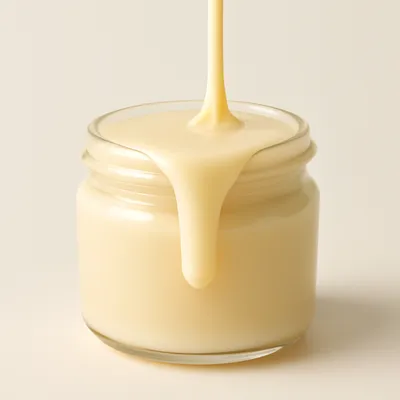
A chilled cream or mousse built on cupuaçu — the large, fragrant Amazonian fruit that is a close botanical cousin of cacao, with a flesh that is sharply tart and intensely aromatic. The pale, ivory pulp is blended with condensed milk and cream into a soft, tangy dessert, sometimes set with a little gelatin or topped with a chocolate ganache made from cupuaçu's seeds. It is the flagship sweet of the Amazon's most beloved dessert fruit, served cold in a glass or bowl.



Cupuaçu (Theobroma grandiflorum) grows wild in the Amazon rainforest and is the same genus as cacao (Theobroma cacao), sharing its family but offering a fruit that is eaten for its tart white pulp rather than fermented into chocolate. Long used by indigenous and riverside communities of the Amazon, the fruit became a regional favorite for juices, sweets, and creams across Pará and Amazonas, and more recently a sought-after ingredient nationally and abroad. The creme is a modern home and bakery dessert that pairs the naturally tart pulp with sweetened dairy to balance it.
Smooth, pale, and cool, with a texture between a mousse and a thick custard — light on the spoon but dense in flavor. The cupuaçu hits first with a bright, almost pineapple-meets-chocolate tartness, fruity and a little sour, then the condensed milk rounds it into sweetness. It is intensely aromatic, perfuming the whole spoon. If finished with a cupuaçu-seed ganache, a thin layer of bittersweet chocolate-like cream sits on top, echoing the fruit's kinship to cacao.
Cupuaçu pulp is naturally high in acidity and pectin, which is why it whips and sets into a creamy body so readily and why it needs sweetened dairy — condensed milk and cream — to temper its sharpness into dessert. The acid also means the cream firms up well when chilled, sometimes with only a little gelatin to hold a mousse shape. Because the aroma is volatile and the pulp browns, the fruit is blended in cold and the cream is chilled promptly; long heating would dull both the fragrance and the bright tartness that define it.
Variations
The simplest version blends pulp, condensed milk, and cream and chills it as a loose cream; a firmer mousse adds gelatin or whipped cream for volume. A popular finish layers a ganache made from cupuaçu seeds (cupulate, the cupuaçu analogue of chocolate) over the top. The same pulp is widely used for cupuaçu mousse, ice cream, juice, and bonbons across the Amazon, and the creme is its most direct dessert form.
On the Palate
Where Creme de Cupuaçu sits in the Brazilian flavor cloud
Ingredients
Serves 6How it's made
6 steps · 20 min
- 18 min
Scoop the white cupuaçu pulp from the fruit and remove the seeds.
- 25 min
Blend the pulp with condensed milk and cream until smooth, keeping everything cold.
Watch outBlend everything cold and quickly — cupuaçu's aroma is volatile and the pulp browns fast, so warmth dulls the fragrance and the bright tartness.
- 34 min
For a firmer mousse, dissolve a little gelatin in warm water and blend it in, or fold in whipped cream.
- 42 min
Pour the cream into glasses or a serving bowl.
- 5180 min
Chill for at least 3 hours until set and cold.
Watch outChill at least three hours until fully set — the fruit's own acid and pectin firm it into a creamy body only when it's cold through.
- 65 min
Optionally top with a ganache made from cupuaçu seeds or dark chocolate before serving.
Archive tool suggestions — not reviewed
These legacy suggestions have not been evidence-reviewed and are not presented as required tools.