The sweet peanut fudge of the Festa Junina — roasted peanuts ground with cassava flour and sugar, then pressed into a dry, crumbly bar or block. A little salt sharpens it; the texture is the whole experience, melting to peanut sand the moment it hits the tongue. It is sold year-round but belongs above all to Brazil's June festivals, alongside the corn and peanut sweets of the harvest. This is the sweet paçoca — not to be confused with the savory paçoca de carne of the Northeast, a dish of pounded dried meat and farinha.



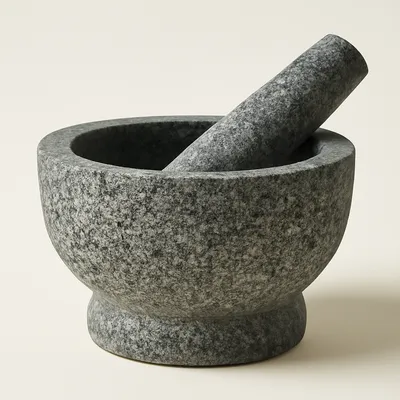
Paçoca's name comes from the Tupi-Guarani paçoka, 'to crumble' or 'to crush,' and the technique is indigenous: pounding ingredients together in a wooden mortar (pilão). The original paçoca was a savory travel food of crushed dried meat and toasted cassava flour, eaten by indigenous people and later by bandeirantes and tropeiros on the move. The sweet peanut version emerged once peanuts — themselves a South American domesticate — and cane sugar were folded into the same crush-and-press method, and it became a fixture of the Festa Junina across the Southeast. Both the name and the mortar technique are pre-colonial; the sweet form is the later confectionery offshoot.
Dry, dense, and sandy — it does not chew so much as collapse, dissolving into fine, sweet, salty peanut grit that coats the mouth. The roasted peanut flavor is deep and toasty, the sugar carrying it, a pinch of salt cutting through. It crumbles at the edges if you handle it roughly, which is part of its charm. Eaten in small dry bricks or rounds, often with coffee or in the June-festival spread.
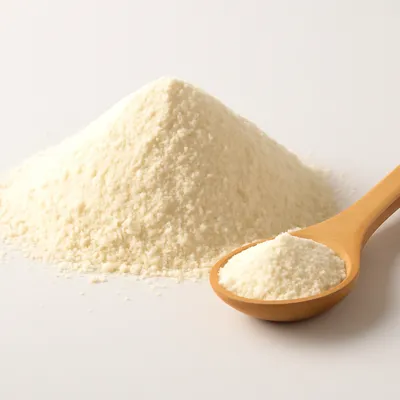
It is a dry-press confection, not a cooked syrup. Roasted peanuts are ground with cassava flour (farinha de mandioca) and sugar; the peanuts release enough natural oil to bind the dry powders into a malleable mass without any added liquid, while the toasted cassava flour keeps the whole thing dry and short rather than chewy. Pressing the mixture firmly into a mold or tray compacts it so it holds shape — but only just, which is why it crumbles. Roasting the peanuts first is what gives the deep flavor; raw peanuts make a flat, pasty paçoca.
Variations
Paçoca rolha is pressed into firm cylindrical 'cork' shapes; paçoquinha is the small square, individually wrapped, sold at every checkout counter. Some recipes use condensed milk or a little butter for a softer, fudgier bar (closer to a peanut brigadeiro) rather than the classic dry crumble. The proportion of cassava flour to peanut sets the texture — more flour, drier and sandier. The savory paçoca de carne (pounded carne-seca and farinha) is a separate Northeastern dish that shares only the name and the mortar.
On the Palate
Where Paçoca sits in the Brazilian flavor cloud
Ingredients
Serves 12How it's made
5 steps · 20 min
- 18 min
Roast raw peanuts until fragrant and golden, then rub off the skins if loose.
Watch outRoast the peanuts until fragrant and golden before grinding — that toasting is the whole flavour; raw peanuts make a flat, pasty paçoca.
- 24 min
Grind the peanuts with the sugar and a pinch of salt to a coarse powder.
- 34 min
Add the cassava flour and grind or pulse again until the mixture just holds together when pressed.
- 42 min
Press the mixture firmly into a lined tray or individual molds to compact it.
Watch outPress the mixture firmly into the mold to compact it — it holds only just, so a loose pack crumbles apart before you can even cut it.
- 52 min
Cut into bars or rounds and let rest a few minutes to firm before unmolding.
Archive tool suggestions — not reviewed
These legacy suggestions have not been evidence-reviewed and are not presented as required tools.