Nam bai bua bok is a fresh green juice pressed from raw pennywort leaves — the small, round-leafed herb known as gotu kola — blended with water, strained, lightly sweetened, and served cold over ice. The drink is a clear grassy green, mild and vegetal with a faint bitterness, tasting unmistakably of fresh leaf. It is sold at markets and herbal-drink stalls and made at home, long valued in Thailand as a cooling, restorative everyday tonic. Plain and clean, it leans on the raw, green flavor of the herb rather than sugar.



Nam bai bua bok has no single inventor; it is a traditional Thai herbal drink made from bua bok (Centella asiatica, pennywort or gotu kola), a creeping herb used across South and Southeast Asia both as a food and in traditional medicine. In Thailand the fresh juice is a long-standing folk preparation, drunk as an everyday cooling tonic and widely believed to be restorative; the plant also appears as a raw vegetable alongside other Thai dishes. It is a home and market drink rather than a documented commercial creation, and no origin date or first-maker is securely recorded. Health claims attached to it are traditional belief and are not asserted here as fact.
A clear, grassy green in the glass, served very cold. The flavor is fresh and vegetal — distinctly leafy and green, with a clean, mild bitterness that sits at the back. It is only lightly sweetened, so the herb leads rather than the sugar; a little lime or honey, sometimes added, lifts and rounds it. The texture is thin and clean once strained, with no pulp. It finishes cooling and slightly bitter-green, the kind of drink that reads as fresh and restorative rather than dessert-sweet.
The juice is a raw, uncooked extraction. Pennywort leaves are blended (or, traditionally, pounded and mashed) with water to rupture the leaf cells and release their water-soluble green pigments, flavors, and the slightly bitter plant compounds, then strained through cloth to remove fiber and pulp. Because it is never heated, the flavor stays fresh, raw, and green — cooking would dull the bright vegetal note. The faint bitterness comes from natural compounds in the leaf; using young, tender leaves keeps it milder, while older leaves taste more bitter. A pinch of salt or a squeeze of lime balances that bitterness and brightens the green flavor, and the juice is best drunk soon after making, as raw leaf juice oxidizes and dulls in color and taste over time.
Variations
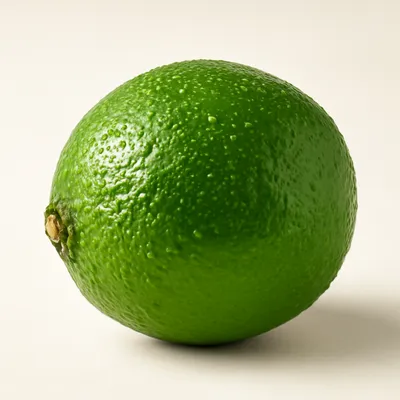
Often finished with a squeeze of lime, a little honey, or a pinch of salt to balance the bitterness; sweetness is kept light by tradition. Some make it thicker and more pulpy, others strain it very clear. The same fresh pennywort is eaten raw as a side vegetable with Thai dishes rather than juiced. It belongs to a family of fresh and brewed Thai herbal drinks alongside lemongrass water (nam takrai), pandan water, butterfly-pea (nam anchan), and roselle (nam krachiap), all everyday coolers leaning on a single aromatic or leaf.
On the Palate
Where Nam Bai Bua Bok sits in the Thai flavor cloud
Ingredients
Serves 2How it's made
8 steps · 12 min active + 3 min waiting
- 12 min
Pick fresh pennywort leaves off their stems; use young, tender leaves for a milder, less bitter juice.
- 23 min
Wash the leaves very thoroughly in several changes of water, since the low-growing herb traps grit.
Watch outWash the leaves in several changes of water until no grit is left — this low-growing herb traps sand that will ruin an otherwise smooth juice.
- 31 min
Put the leaves in a blender with cold drinking water (or pound and mash them with a little water the traditional way).
- 42 min
Blend to a green pulp, adding more water if needed to keep it moving.
- 52 min
Strain through a fine sieve or cloth, pressing the pulp to extract all the green juice; discard the fiber.
Watch outPress the pulp hard through the cloth to squeeze out every drop of green juice — the fiber holds a lot of what you want.
- 61 min
Stir in a little sugar or honey to taste, and a pinch of salt and a squeeze of lime if liked.
- 71 min
Chill the juice or pour straight over ice.
- 81 min
Serve cold and drink soon, while the color and fresh green flavor are at their best.
Watch outDrink it soon — never heated, the bright green flavor and color fade fast once it sits.
Archive tool suggestions — not reviewed
These legacy suggestions have not been evidence-reviewed and are not presented as required tools.