In Practice
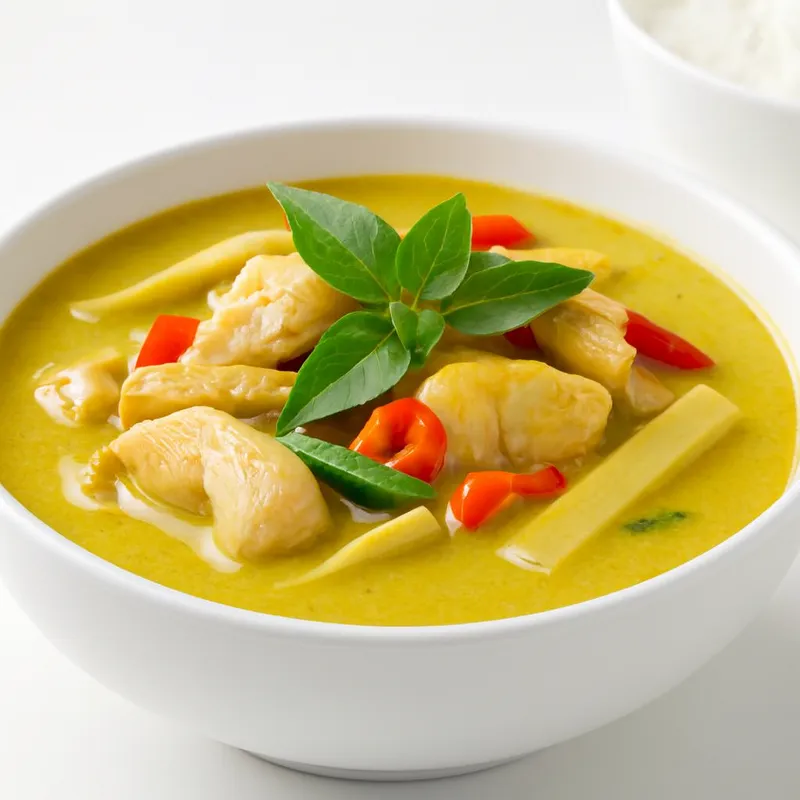
Khrok hin (granite mortar) ~15-20cm wide with matching pestle — 3-5kg of stone, not the small marble version which is too light and won't bruise. Order for red curry: galangal slices first (pound 1-2 min), then lemongrass lower-third rings (1-2 min), then makrut peel, dried chilies, coriander root, garlic, shallot, shrimp paste added last. Down-and-twist motion, not chop. A finished paste should be a glossy, smooth solid — visible fibers only on close look. Failure modes: food processors generate friction heat that volatilizes the same aromatics you want to keep; rushing softer ingredients in too early creates a wet pulp that won't take further pounding.
Background
The granite-and-pestle method predates Thai-Lao kingdoms; documented in Sukhothai-era cookery notes, the kaeng paste tradition is what distinguishes mainland Southeast Asian cuisine from its Indian-curry inspiration.
How It Works
Granite-against-granite bruising ruptures cell walls without shearing them, releasing oil-bound aromatics — galangal's 1,8-cineole, lemongrass's citral, makrut leaf's citronellal — into the paste matrix. Each ingredient enters in fiber-density order: hardest first so it's broken down before softer wet ingredients (chili, garlic, shrimp paste) arrive and pad the impact. The result is suspension, not slurry: oils, fibers, and pastes interleaved rather than homogenized.
Dish examples
517 dishes · 78 cuisines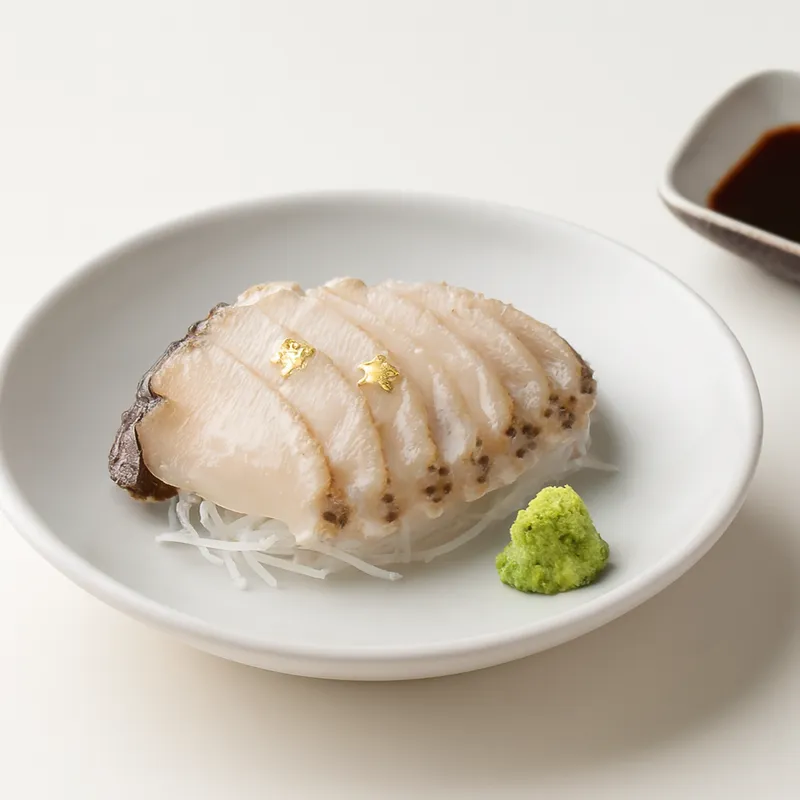


Through Time
The granite-pestle paste tradition predates Thai-Lao kingdoms; Sukhothai-era (13th-14th century) cookery references mention kreuang gaeng. Mom Luang Tuan Yawong's 1908 *Tamra Gap Khao* (the first Thai cookbook to systematize curry pastes) is the foundational text. David Thompson's 2002 *Thai Food* and Andy Ricker's 2013 *Pok Pok* brought the unmodified mortar-pounding standard to Western kitchens; Bo Songvisava at Bo.lan upholds the Bangkok tradition.
Related cooking knowledge
Indonesian sambal ulek and Malaysian rempah use the same stone-bruising for paste building. Mexican molcajete (volcanic basalt) salsas hit the same suspension-not-purée principle. Pesto in a marble mortar is the Mediterranean parallel — Genovese tradition explicitly forbids blade processing for the same heat-volatilization reason. Indian masala stone-grinding (sil-batta) is the closest South Asian sibling.


