Middle Eastern
Tahini, sumac, za'atar — the pantry of the ancient world.
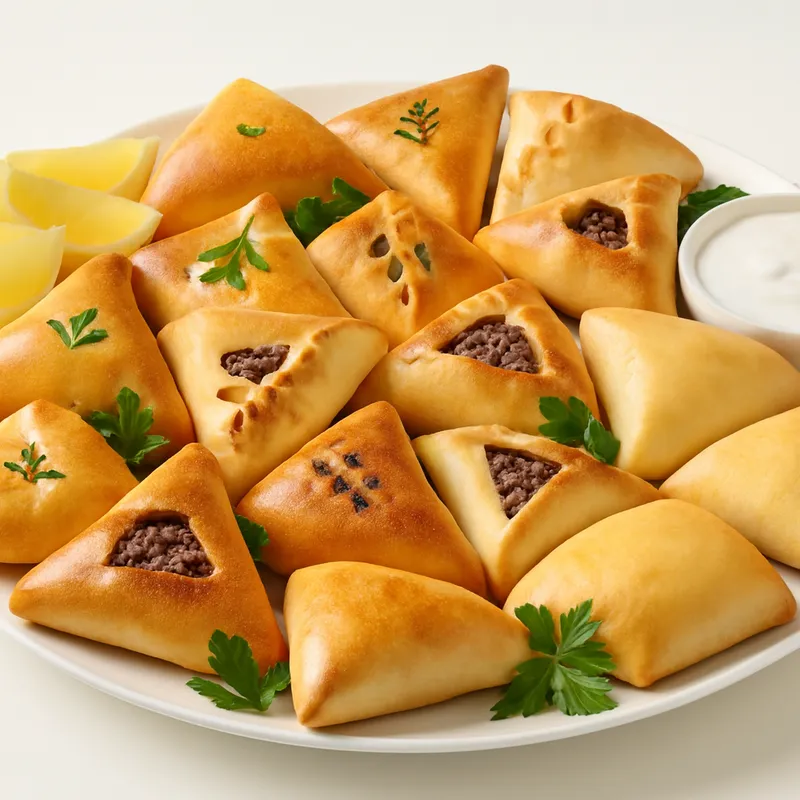
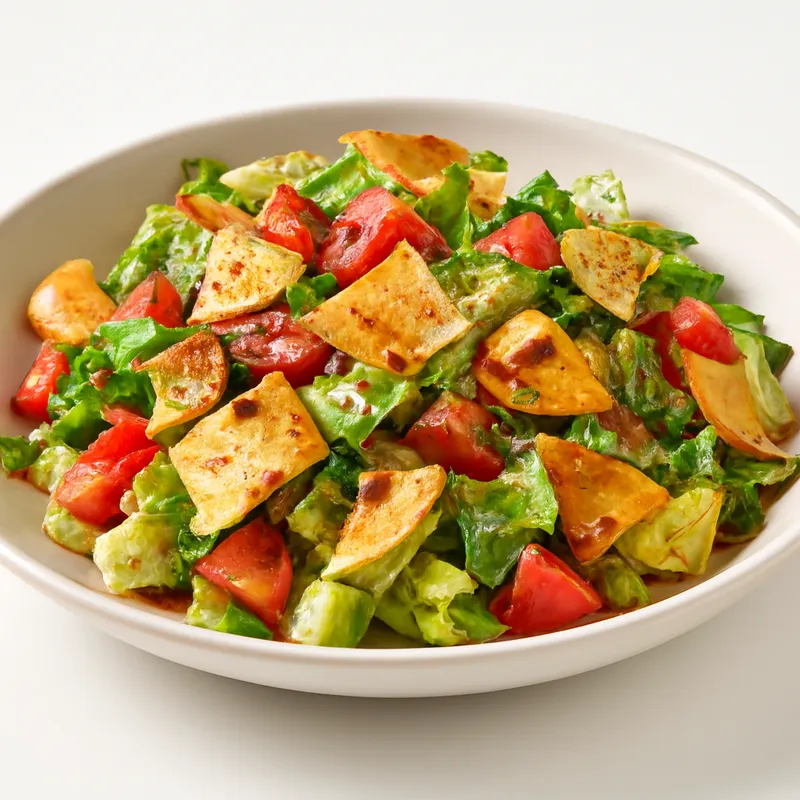
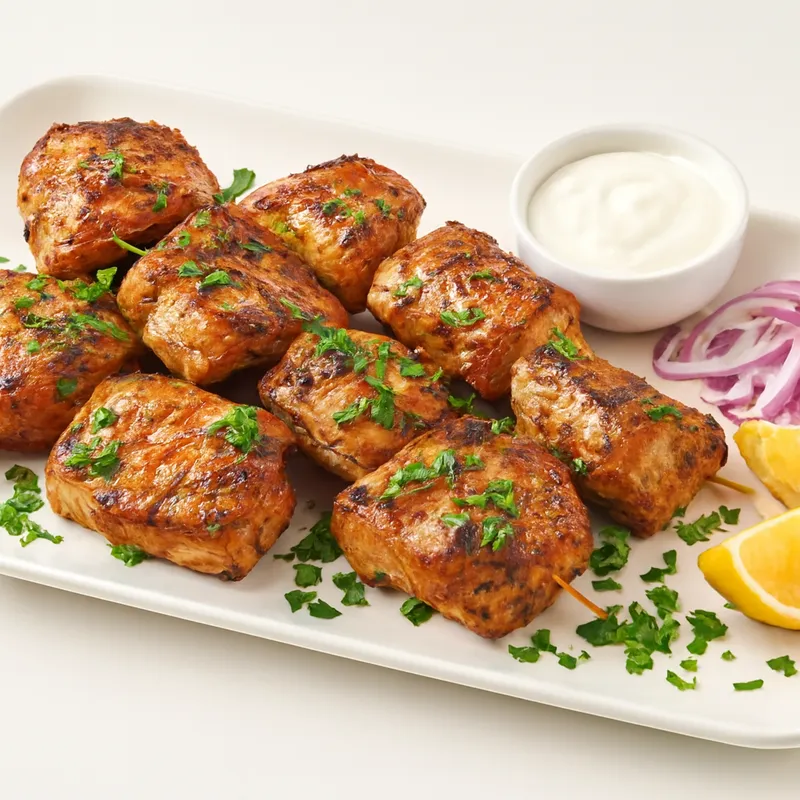
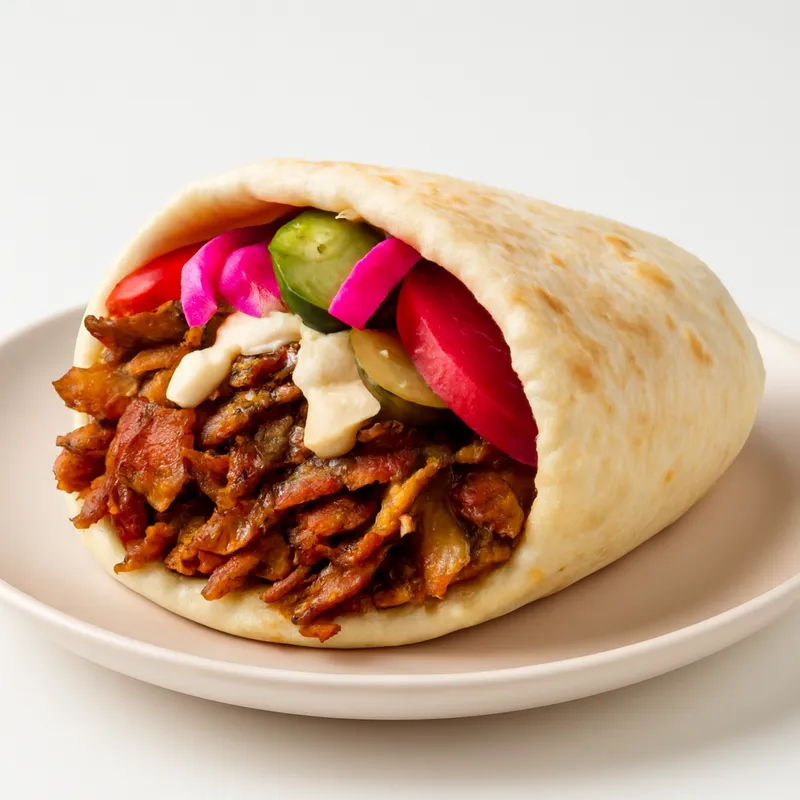
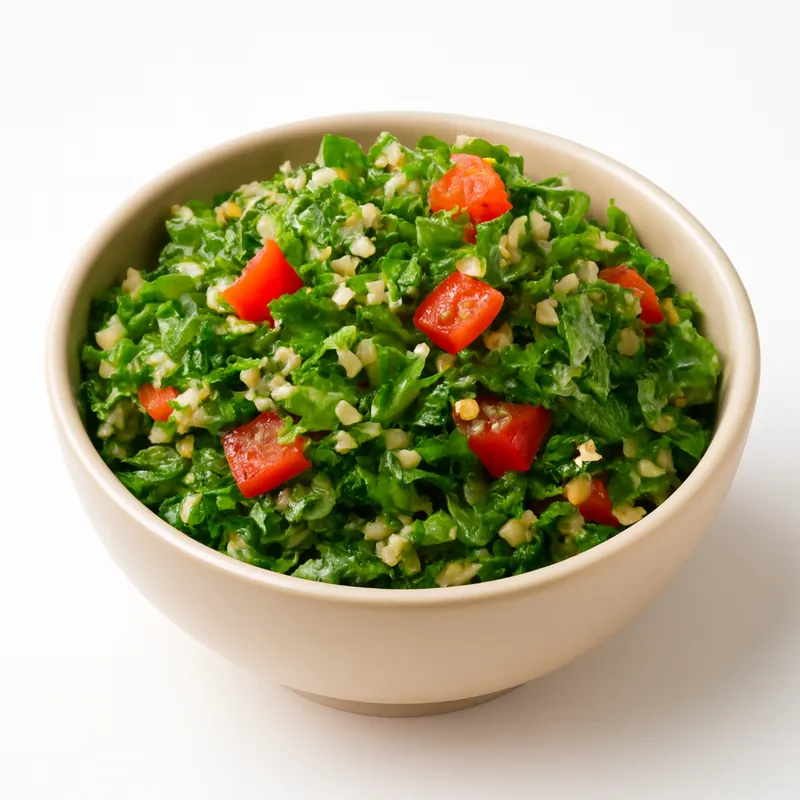
Eating in the Middle Eastern tradition is like stepping into a vibrant bazaar where your senses are invited to a feast of colors, textures, and aromas. The table is a mosaic of small plates and larger platters, each carrying its own story and legacy. From the smoky char of grilled meats to the bright tang of lemon and sumac-dressed salads, the experience is a dance between the earthy and the aromatic, the hearty and the refreshing.
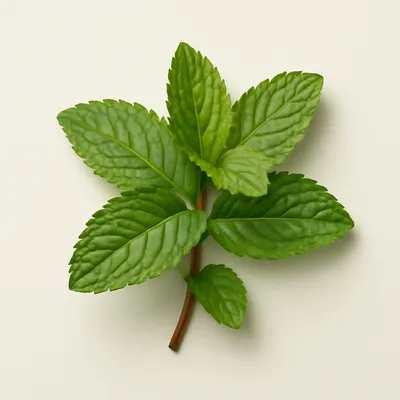
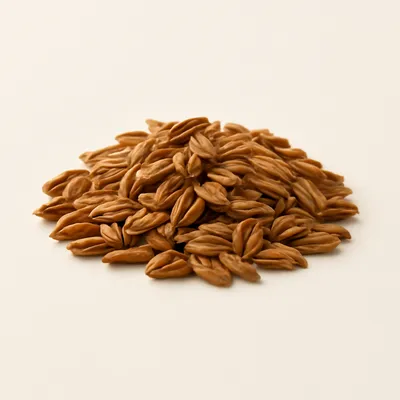
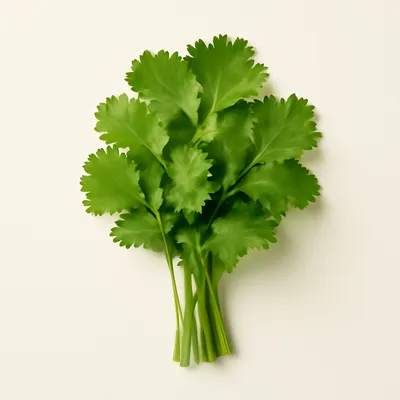
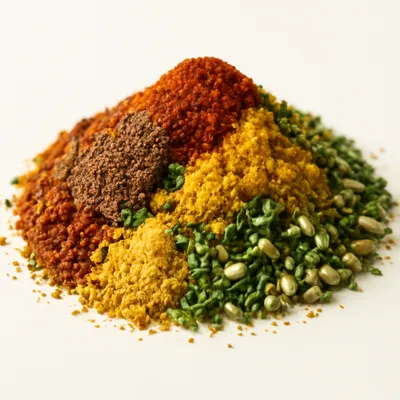
Central to the Middle Eastern table are the spices and herbs that define its bold flavors—cumin, coriander, cardamom, and mint, to name a few. Meals are communal, anchored by bread that is torn and dipped, scooping up everything from hummus to rich stews. These are dishes that speak of tradition and hospitality, often accompanied by generous pours of olive oil and the warmth of shared conversations.
What makes Middle Eastern cuisine irreplaceable is its deep sense of place and season, each dish a reflection of local bounty and time-honored techniques. Whether it's the slow-cooked tenderness of lamb tagine or the crisp perfection of falafel, the cuisine's authenticity comes from its ability to transform simple ingredients into something extraordinary, something that resonates far beyond its origins.
The Palate
Start Here
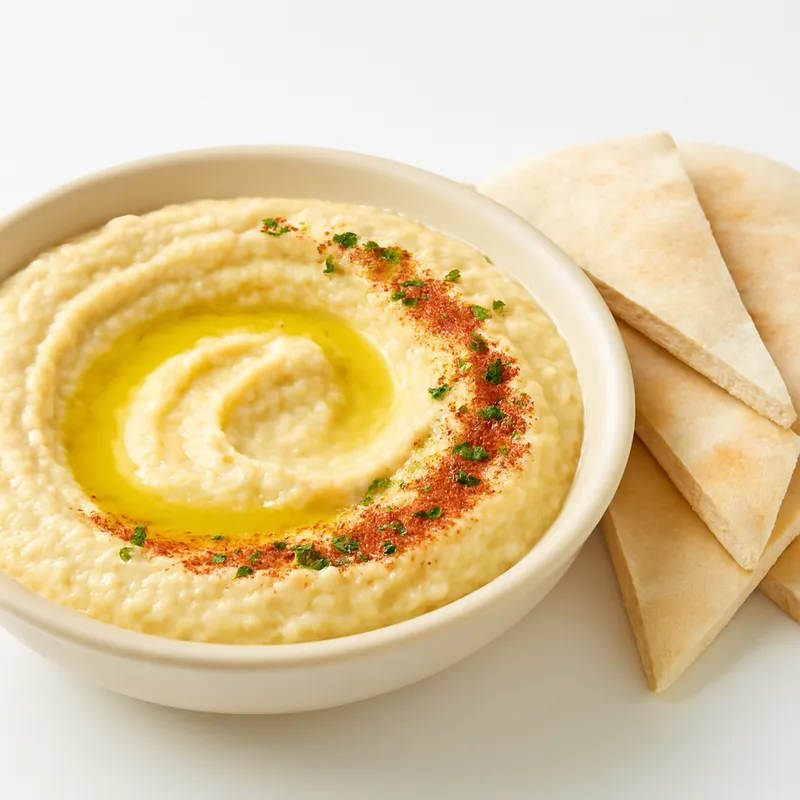
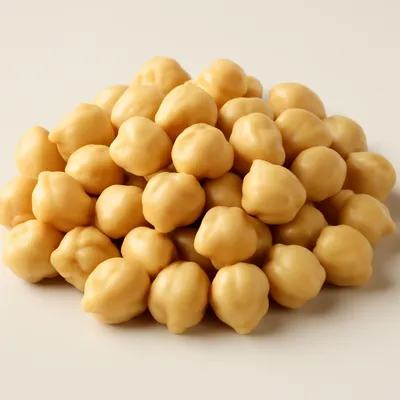
Hummus is a creamy, nutty spread made from chickpeas, tahini, lemon, and garlic, encapsulating the Middle Eastern love for bold flavors and simple ingredients.
Why start here · It's a quintessential dish that introduces newcomers to the essence of Middle Eastern flavors.
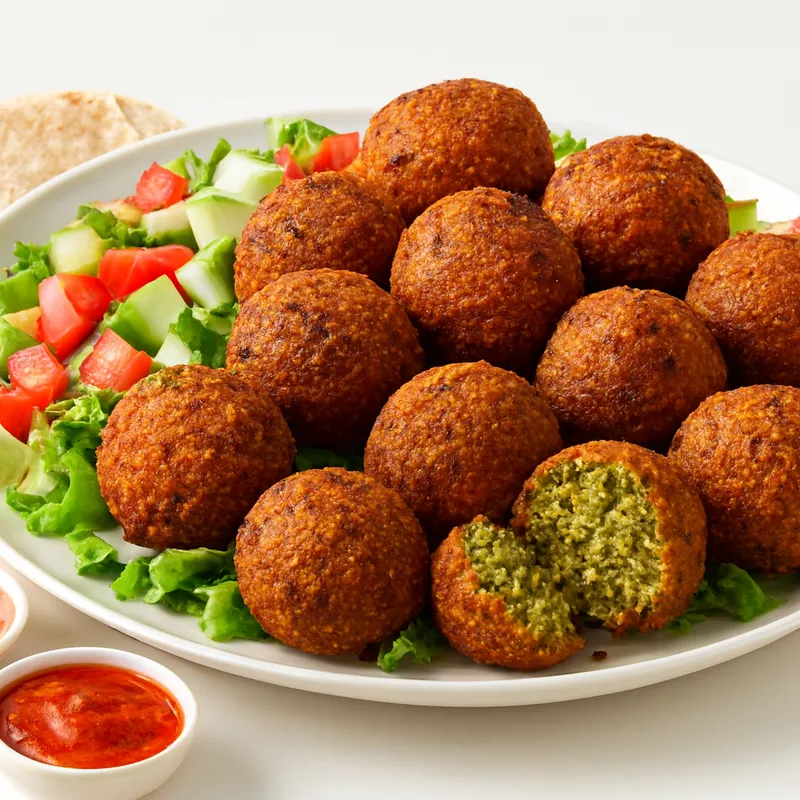
Falafel, with its crisp exterior and tender, herbaceous interior, showcases the region's mastery of deep frying and use of fresh herbs.
Why start here · It's a street food favorite that highlights the textures and flavors of the region.
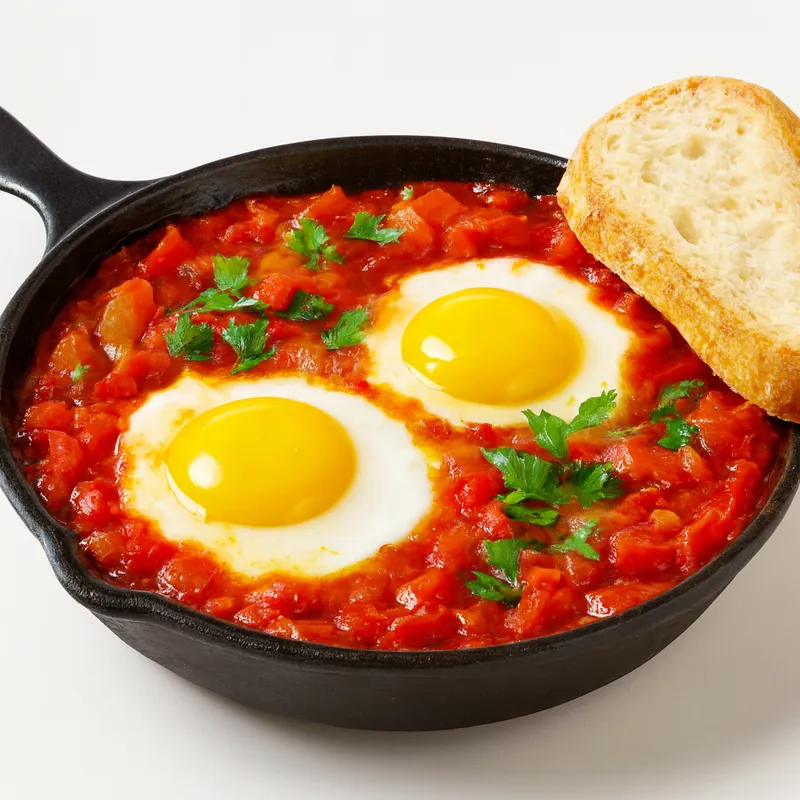
Shakshuka is a vibrant, savory dish of poached eggs in a spiced tomato and pepper sauce, embodying Middle Eastern comfort and spice.
Why start here · This dish provides an introduction to the comforting spices and communal eating culture of the Middle East.
The Pantry





See all 68 ingredients›






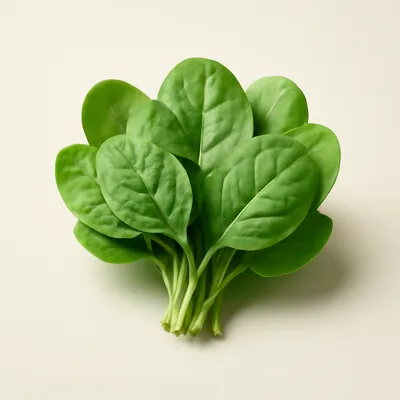


Fruits

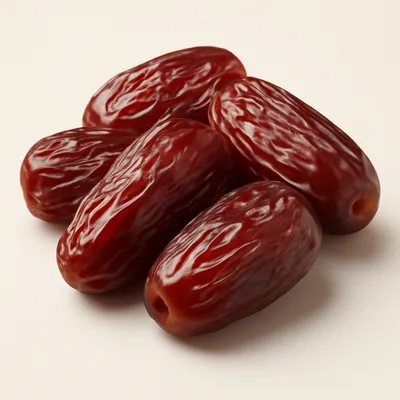




















Regional Styles
Levant
Levantine cuisine is known for its emphasis on fresh vegetables, grains, and olive oil, often accompanied by tangy sumac and earthy za'atar.
Maghreb
Maghreb cuisine is richly aromatic, featuring slow-cooked stews like tagines, heavily spiced with ras el hanout and preserved lemons.
Persian
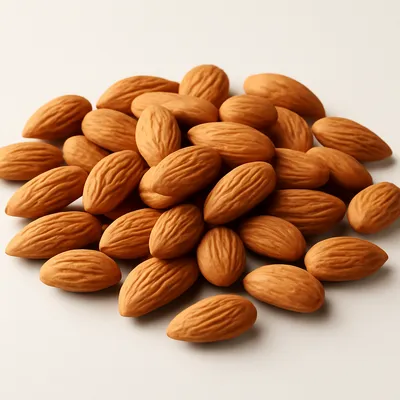
Persian cuisine is celebrated for its delicate balance of sweet and sour, with dishes often featuring saffron, dried fruits, and nuts.
How They Cook
Techniques that define this cuisine
Deep Frying
Deep frying transforms chickpea-based mixtures into crispy falafel, a beloved street food.
Braising
Braising imparts deep flavor to meats and vegetables, a cornerstone of dishes like lamb tagine.
See 7 more techniques›
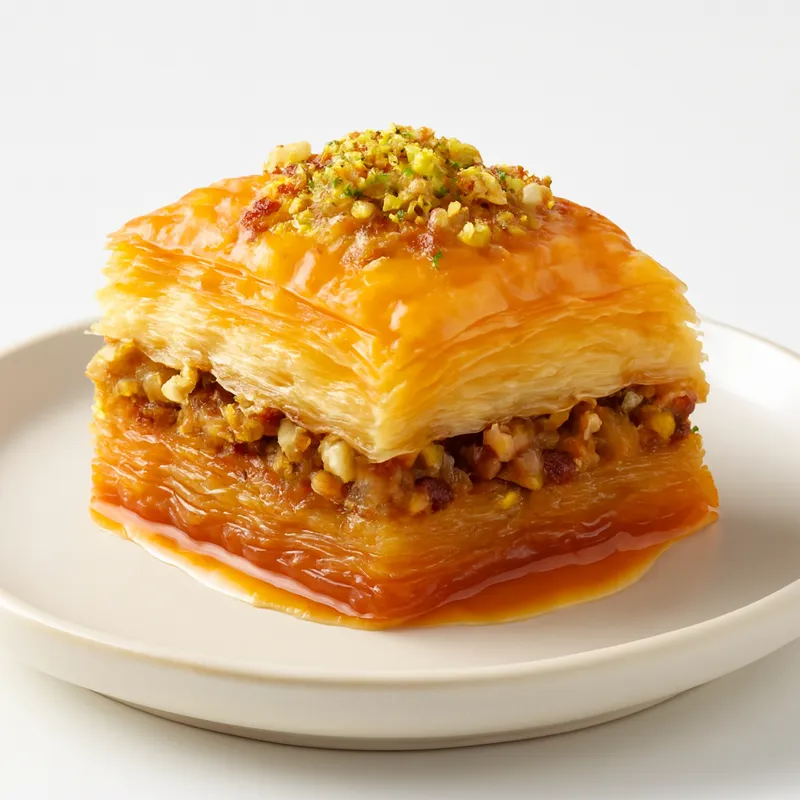
Middle Eastern cuisine uses baking to create a variety of breads, from the soft pita to the flaky layers of baklava.
Marinating is used to infuse meats with complex flavors from spices and herbs before cooking.
Grilling adds a smoky char to meats and vegetables, enhancing their natural flavors.
Kneading is essential for creating the doughs that form the basis of many Middle Eastern breads and pastries.
Sauteing is used to quickly cook vegetables and spices, building the base for many stews and sauces.
Boiling is a technique in Middle Eastern cooking used to prepare grains like freekeh, allowing them to absorb aromatic spices.
Simmering allows for slow infusion of flavors in broths and stews, a key to Middle Eastern comfort foods.
Signature Dishes (16)