Salt early for sauce and late for salad; timing controls how much juice it releases.
Juicy red fruit treated as vegetable; cornerstone of Italian, Mexican, and Mediterranean cooking.
Where it comes from
A cornerstone of Mediterranean cuisine, tomatoes thrived in the Americas before being embraced by European cooks in the 16th century, revolutionizing their culinary landscape.
In the kitchen
Tomatoes serve as a foundational base for sauces, soups, and salads, often roasted or puréed to enhance their natural sweetness and complexity in flavor.
Across cuisines
San Marzano tomatoes — low-water, high-sugar, thin-skinned — are slow-cooked into the passata that underpins Neapolitan pizza and ragù. Pan con pomodoro technique (raw pulp rubbed onto bread) appears in Catalan cooking but the same instinct drives Italian bruschetta al pomodoro. Arancini fillings use a short-cooked tomato-and-meat ragù where the tomato supplies both acidity and body to hold the rice together.
Tomatoes split across two formats: raw Roma or beefsteak diced into salsa cruda (pico de gallo) for immediate brightness; and charred asada-style on a comal to build salsa asada's smoky depth for enchiladas and arroz. For Arroz a la Tumbada, a quick-cooked sofrito of tomato, onion, and garlic forms the flavor base before the rice and seafood are added.
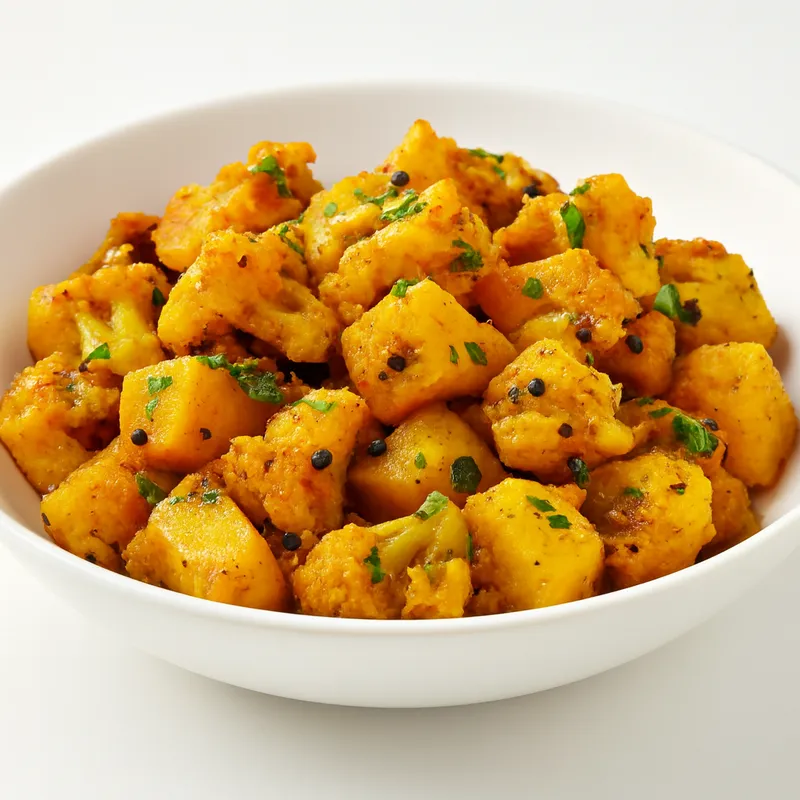
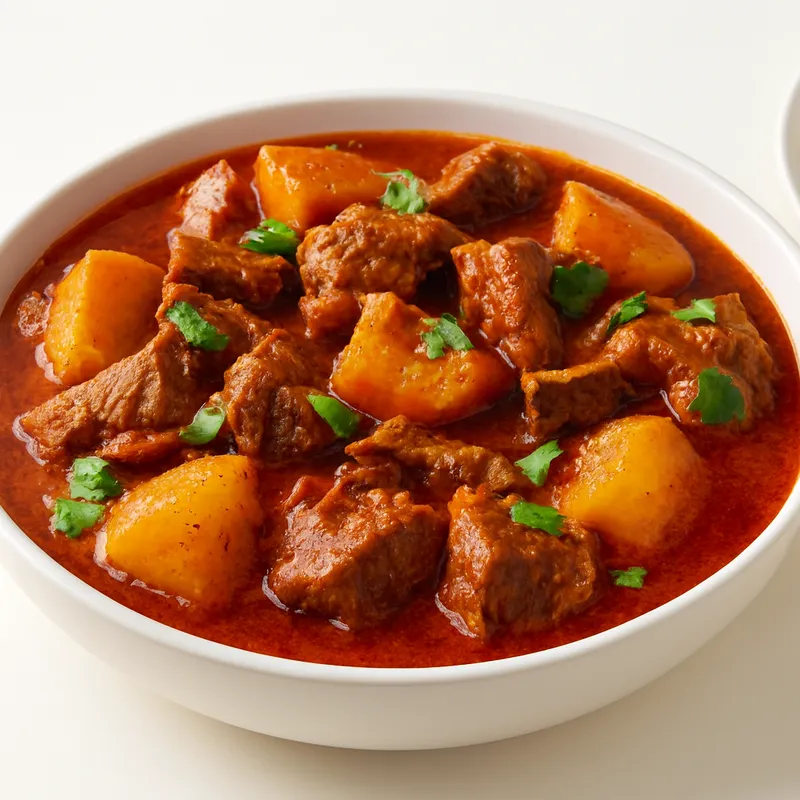
The bhuna stage — chopped tomatoes added after the onion has caramelized and the whole spices have bloomed — is central to North Indian cooking. The tomato breaks down over 8–12 minutes, merging with onion and ginger-garlic paste to create the masala gravy base for dishes like Aloo Gobi and Aloo Gosht. Cherry tomatoes rarely appear; Roma and local round varieties dominate for their flesh-to-juice ratio.
Notable varieties
DOP-protected plum tomato with meaty walls, few seeds, and low acidity. The reduced water content means less splitting during slow cooking and a naturally sweet passata without added sugar. Benchmark variety for Neapolitan pizza sauce.
Paste tomato with dense flesh and concentrated solids, low juice. Standard for Mexican salsas, Italian canned tomatoes, and Indian masala bases where excess water would thin the sauce.
Large, ribbed, high-water variety best eaten fresh or in applications where raw tomato is the star — sliced for Greek salads, bruschetta, Caprese. High juice content makes it poor for long-cooked sauces.
Higher sugar-to-acid ratio than full-size varieties. Ideal for roasting whole (the skin blisters and the interior concentrates into a jammy texture) or adding raw to salads for pops of sweetness.
Nutrition (per 100g)
Claims & sources1/1 reviewed
Claims & sources
This covers the claims listed here—not the whole page.
- FactReviewed fact
Per 100 g: Calories 18.0 kcal · Carbohydrate 3.9 g · Fat 0.2 g · Fiber 1.2 g · Protein 0.9 g
- USDA FoodData Central · Accessed 2026-07-19Location: Foundation food 170457 JSON nutrient values
- Data DocumentationContext onlyUSDA FoodData Central · Accessed 2026-07-19Location: Foundation Foods data documentation
- USDA FoodData Central · Accessed 2026-07-19Location: Food record 170457 nutrient table, per 100 g
Pairs well with