Sicilian, with roots in 9th–11th century Arab rule of the island — saffron, rice, and the act of stuffing rice with meat all enter Sicilian cooking from Arab kitchens. The fried-and-breaded form is later, codified in 18th–19th century street food. The name «arancino» means «little orange», naming the ball's color and shape, not the fruit content.
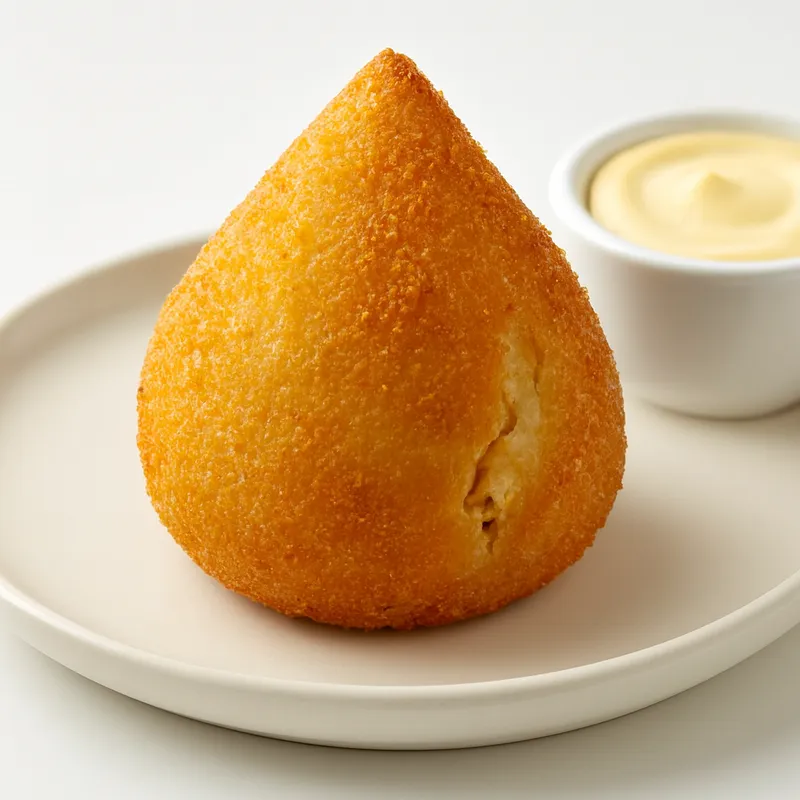
10th-century Sicily under Arab rule — saffron rice balled around ragù, fried. The name means «little orange». Catania makes them cone-shaped (al ragù), Palermo round (al burro).
Fist-sized fried rice ball, deep golden crust, broken open with a thumb to reveal saffron risotto and a hot center of meat ragu, mozzarella, peas — sometimes ham. Eaten standing up, paper wrapper in hand. The crust shatters, the rice holds shape, the cheese pulls a thread. Sicilians argue the shape: round in Palermo (arancina), pointed cone in Catania (arancino), shaped like Mt. Etna.
Risotto is cooked al dente then cooled flat — warm risotto is too sticky to shape, fully cold won't bind. Cooled rice mixed with egg yolk forms the cohesive shell around a frozen filling cube (frozen so the center thaws as the outside fries, not before). Double-coat: flour, egg, breadcrumb, then a second egg-and-breadcrumb to thicken the shell. Oil at 175°C — lower and the rice soaks oil, higher and the crust burns before center heats.
Variations
Catania-style arancino (cone, al ragù); Palermo-style arancina (round, al burro with béchamel and ham); spinach-and-mozzarella version; Messina’s pistachio cream filling; supplì al telefono in Rome is the smaller Lazio cousin with mozzarella thread.
On the Palate
Where Arancini sits in the Italian flavor cloud
Shape the balls from risotto that's cooled but not cold and fry at a steady 175°C, because that window is what lets the mozzarella center melt while the shell crisps instead of splitting or soaking oil.
Ingredients
Serves 4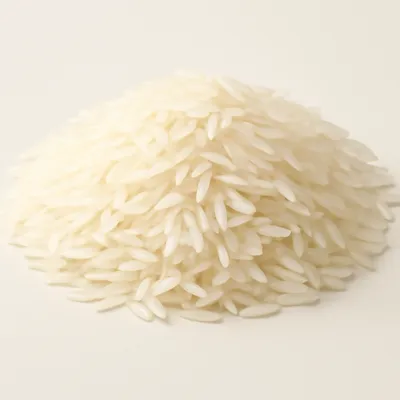






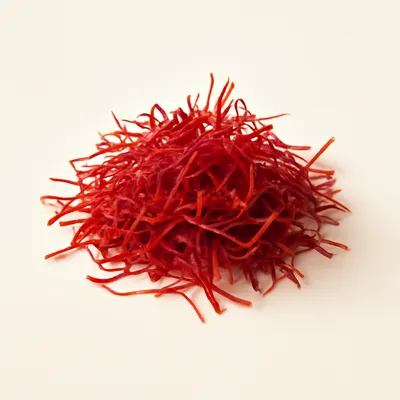

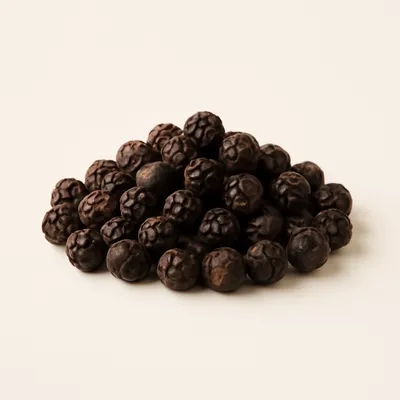
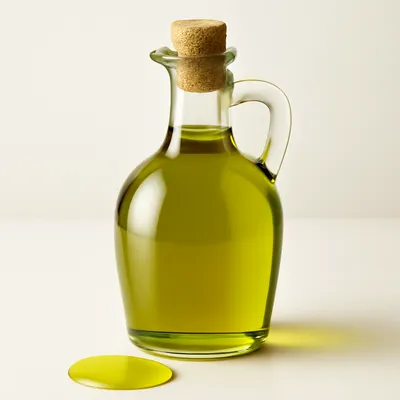

How it's made
5 steps · 1 hour 3 min
- 120 min
Cook the rice until it is tender and sticky, allowing it to cool slightly. The grains should be soft but not mushy, clinging together easily.
Watch outEnsure the rice is sticky enough to hold together when forming balls.
- 215 min
Prepare the filling by gently cooking the ragù with onions and peas until the flavors meld together. The sauce should be thick and aromatic, coating the back of a spoon.
Watch outAvoid overcooking the filling; it should remain moist but not watery.
- 310 min
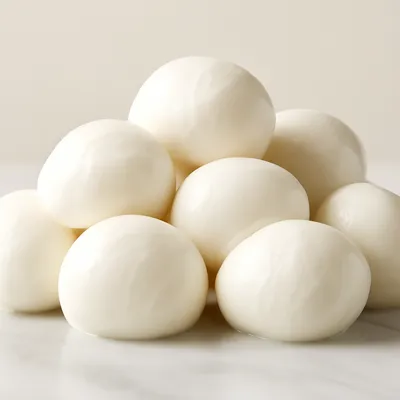
Form the rice into small balls, pressing a hollow into each to fill with a spoonful of the ragù mixture and a cube of mozzarella. Seal the rice around the filling, ensuring the cheese is completely encased.
Watch outThe mozzarella cube must be fully buried in rice with no gap, or it will burst out in the oil.
- 410 min
Roll each rice ball in flour, then dip in beaten egg, and finally coat with breadcrumbs. The coating should be even and firm, ready for frying.
Watch outCoat twice — flour, egg, crumb, then egg and crumb again — so the shell is thick enough not to crack.
- 58 min
Heat the oil in a deep pan until it reaches 350°F (175°C). Carefully lower the rice balls into the oil, frying until they are golden brown and crisp on the outside. The oil should sizzle gently around each ball.
Watch outThe oil should sizzle steadily around each ball; a violent boil means it's too hot, near-silence too cold.
Archive tool suggestions — not reviewed
These legacy suggestions have not been evidence-reviewed and are not presented as required tools.